
Loading...
Loading...

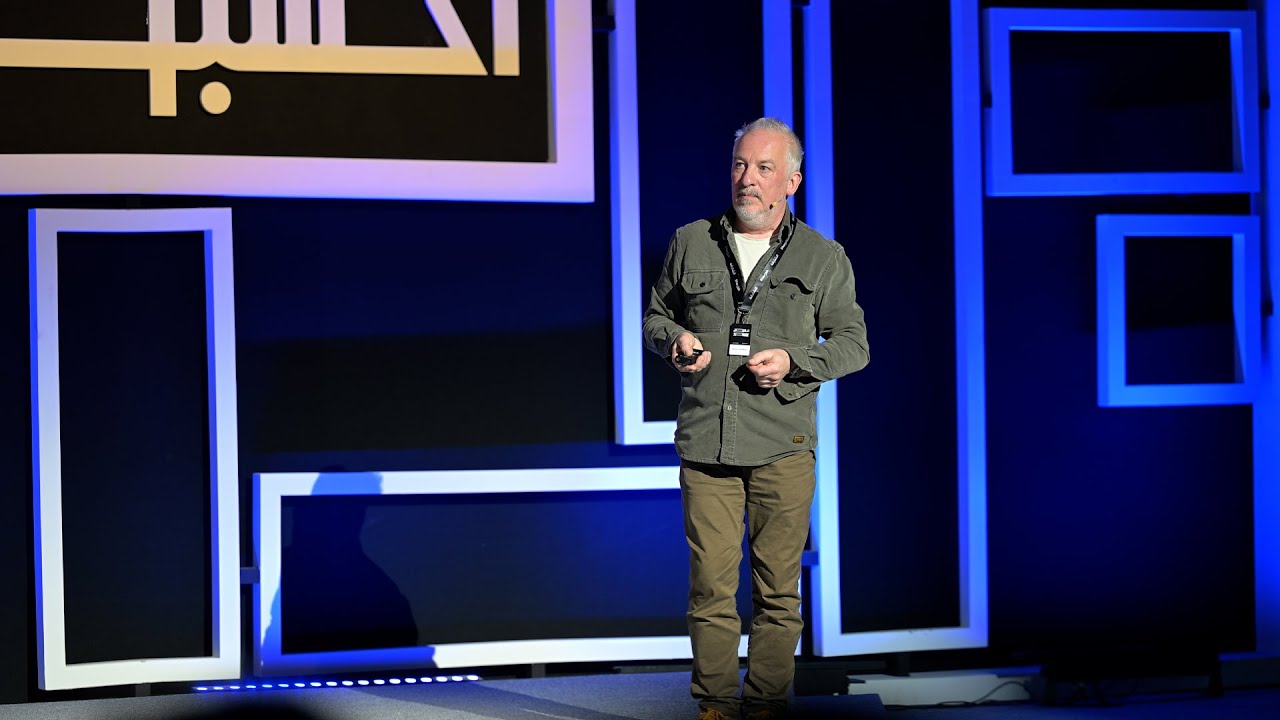
In statements to Sharjah24, the Director General of the Sharjah Archaeology Authority explained that understanding archaeological discoveries is not limited to examining a single site. Rather, it requires comparing them with findings from other cities and regions, which helps to draw a comprehensive map of relationships between peoples. Such evidence—whether inscriptions, coins, or tools—assists in identifying historical periods, recognising the names of rulers, and understanding the nature of exchanges that took place.
He noted that archaeological discoveries in the Emirate of Sharjah carry significant indications confirming the region’s connections with major civilisational centres, including Mesopotamia, Persia, India, and the Levant, in addition to Mediterranean regions such as Greece and Egypt. This, he said, reflects Sharjah’s historic status as a key hub for communication and exchange between civilisations.
Eisa Yousif added that reaching such conclusions is made possible through integrated scientific research, precise analysis, and specialised academic study. These methodologies enable scholars to connect Sharjah’s cultural heritage with archaeological sites beyond its borders, thereby strengthening a deeper understanding of shared human history.

 For an optimal experience, please
rotate your device to portrait mode.