
Loading...
Loading...

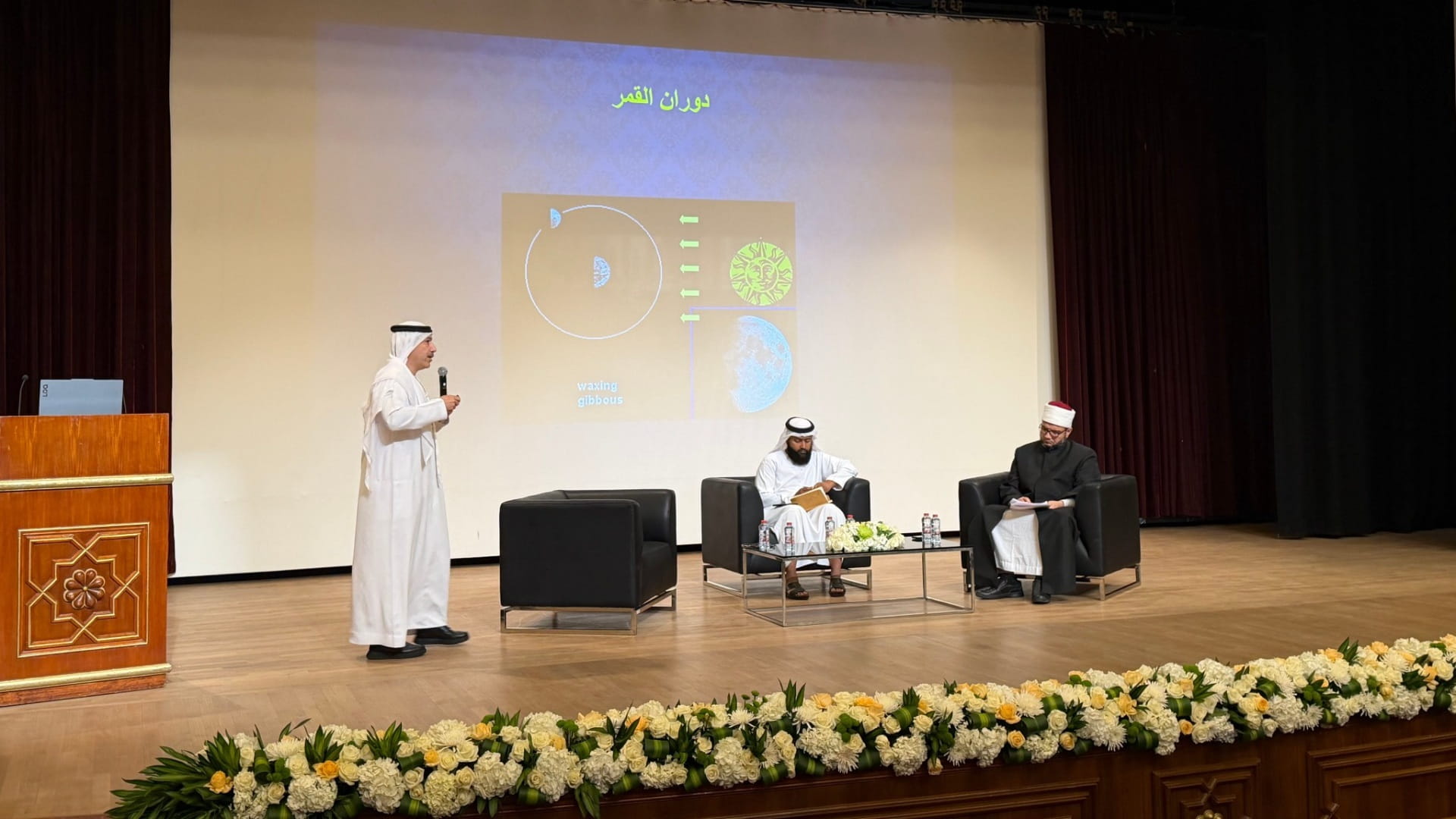
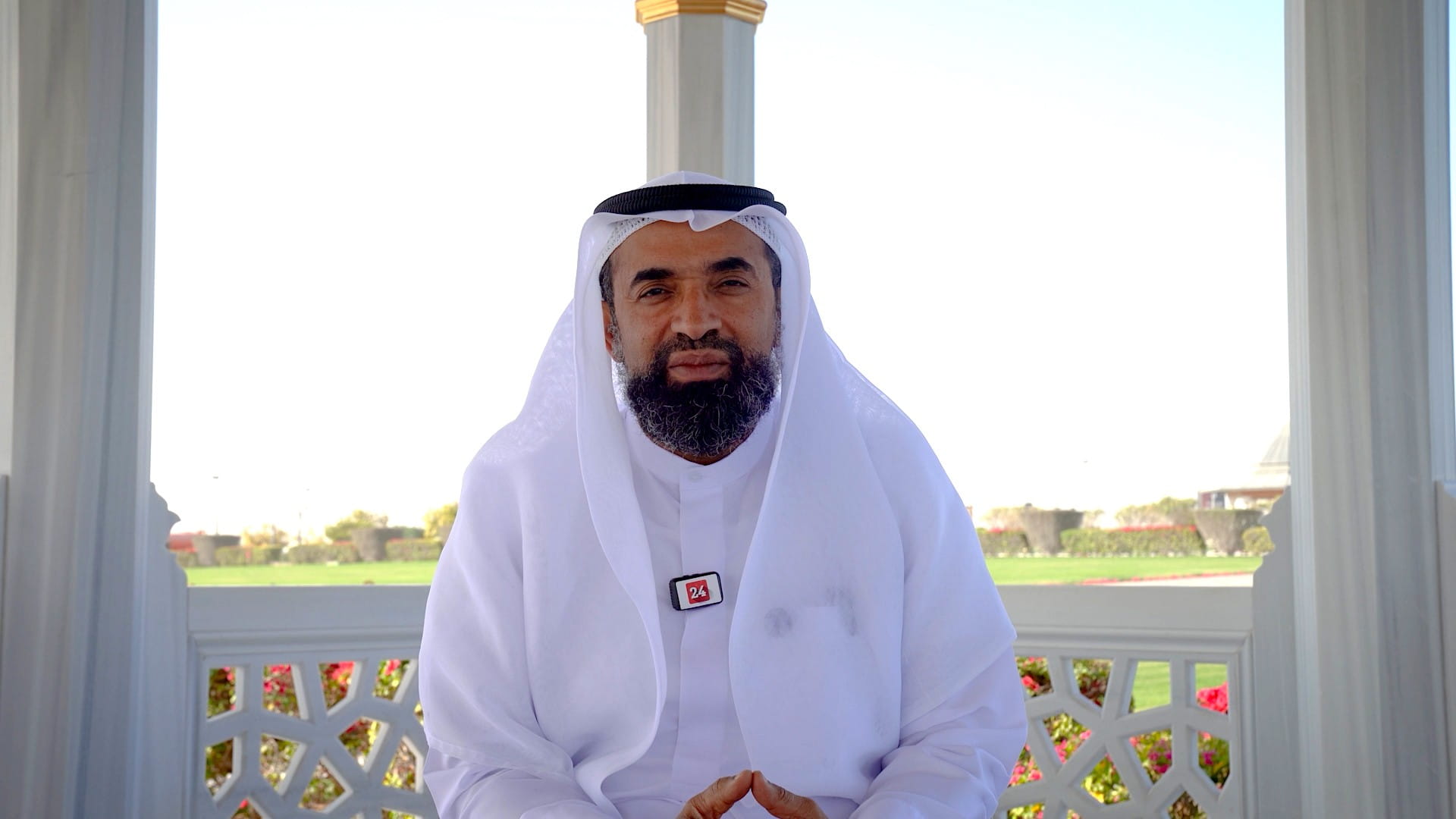
In his opening address, His Excellency Counsellor Dr Issa Saif bin Hanzal, Member of the Sharjah Executive Council and Chairman of the Department of Islamic Affairs, said the topic is central to Muslim life due to its direct link to the validity of acts of worship, especially prayer and fasting. He noted that timing systems demonstrate the deep connection between Islamic Sharia and the precise order of the universe. He stressed the department’s role in enabling proper worship, strengthening trusted religious reference, and issuing Sharjah’s officially approved Hijri calendar through a specialised committee using Sharia controls and precise astronomical data. He added that the issue gains greater importance ahead of Ramadan, as verified moon sighting and unified official reference enhance public certainty and reduce confusion.
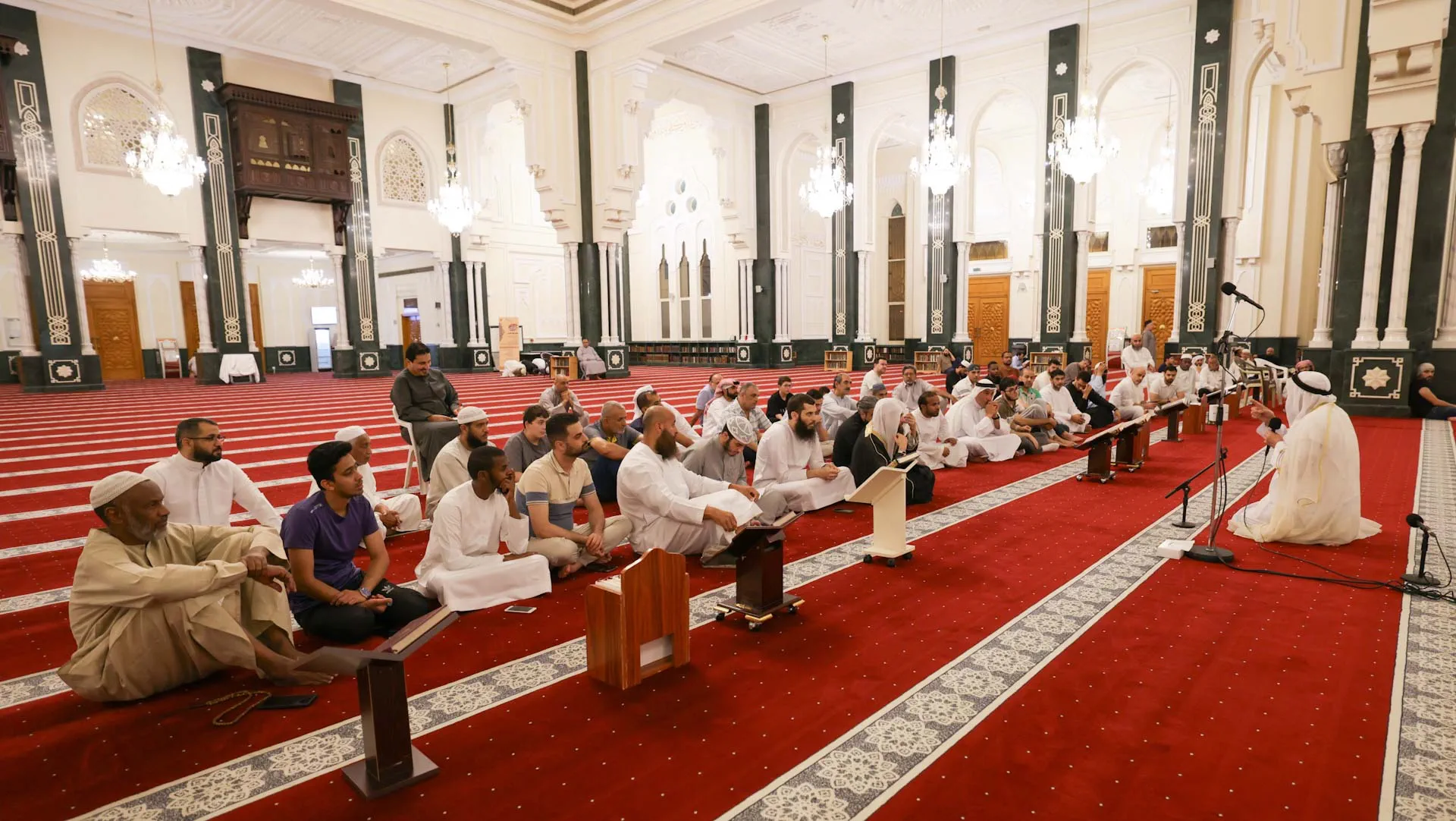
The seminar included an introductory visual presentation, followed by two scientific sessions covering the lunar calendar, crescent calculations, the start of lunar months, and prayer times from both Sharia and astronomical perspectives.
In the first session, Prof. Mashhoor Al Wardat of the University of Sharjah and the Sharjah Academy for Astronomy, Space Sciences and Technology presented a paper on the lunar calendar and crescent calculations from an astronomical perspective, addressing Hijri calendars, solar and lunar motion, and moon sighting. Dr Salem Al Dobi, Director of Preaching and Fatwa at the department, presented a Sharia perspective, highlighting the Hijri calendar’s religious foundations and its harmony with astronomical data.
In the second session, Engineer Mohammad Shawkat Odeh, Director of the International Astronomy Center in Abu Dhabi, discussed scientific methods used by astronomers to confirm lunar months and crescent visibility. Dr Ahmed Al Sabbah, formerly of Al Azhar University, presented a paper on prayer times from a Sharia perspective, reviewing jurisprudential opinions and legal evidence related to prescribed prayer timings.

 For an optimal experience, please
rotate your device to portrait mode.