
Loading...
Loading...

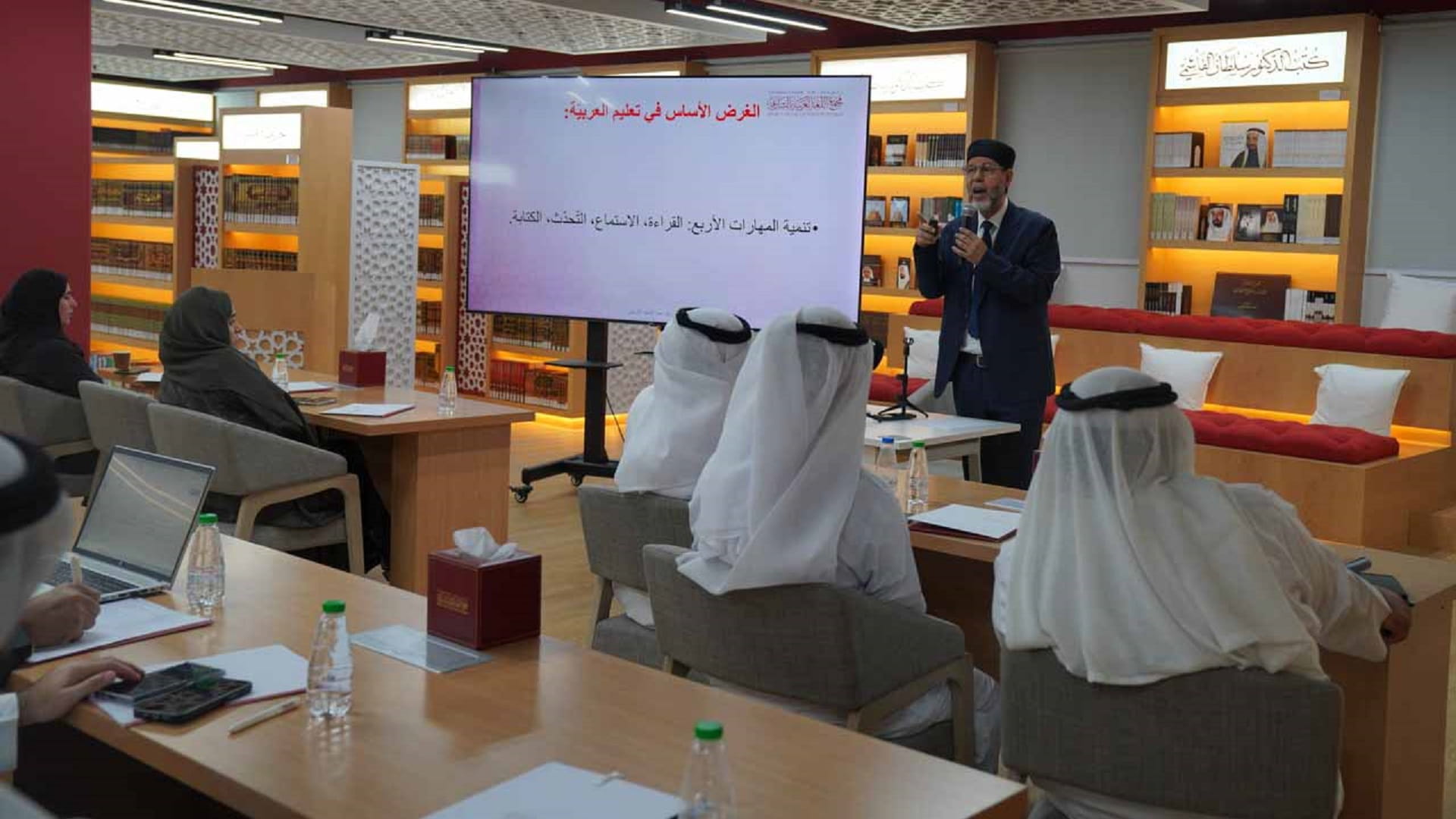
During the council, Dr Al-Droubi presented the trajectories of research and critical editing, and their role in building knowledge and preserving Arab scientific heritage. He placed particular emphasis on Arab scientific contributions in experimental and applied fields, especially agricultural science, drawing on the book Al-Filaha Al-Andalusiyya by Ibn Al-Awwam Al-Ishbili (d. 580 AH). He explained how the knowledge contained in this work helped shape the course of the European Renaissance, and stressed that some of its experiments and scientific methodologies remain relevant and applicable to this day.
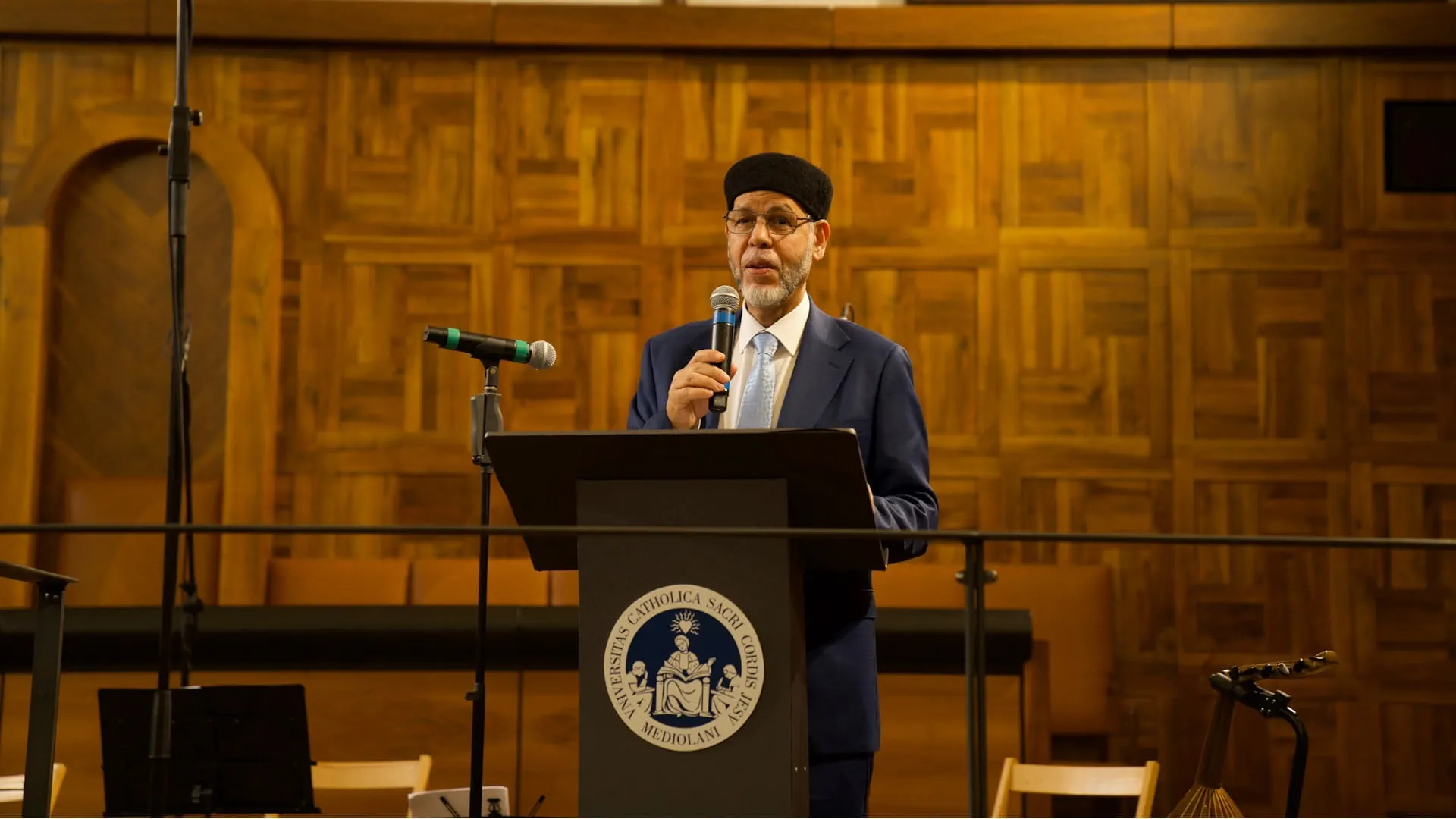
The eleventh Language Council opened with remarks by Dr Amhamed Safi Al-Mustghanemi who underlined the importance of listening to scholars’ experiences in authorship, critical editing, and classification, given the depth of accumulated knowledge and long professional experience they embody. In this context, he noted that Dr Samir Al-Droubi’s presentation offered a vivid example of a fully integrated lifelong scholarly path, combining research in history, civilisation, Arab-Islamic thought, and the art of maqamat. He pointed out that such encounters reflect the mission of the Arabic Language Academy in Sharjah to place scholarly expertise at the service of society, transforming it into accessible knowledge that enhances cultural awareness and forges links between generations.
Dr Samir Al-Droubi explained that his specialisation in the art of maqamat grew out of his work on the critical edition of Al-Suyuti’s maqamat. He clarified that this genre is not merely a form of traditional storytelling, but rather a dynamic field of knowledge that has evolved over centuries in both structure and content. He noted that Al-Suyuti’s maqamat addressed distinct topics in medicine, botany, agriculture, astronomy, linguistics, and social and political critique. Working on these texts, he said, opened up for him the full breadth of the Arabic intellectual tradition across its many disciplines, following four years devoted to collecting manuscript copies and collating their texts. He also observed that while some maqamat convey an immediate, surface meaning, others conceal deeper symbolic layers that can only be grasped through careful reading and an understanding of their historical and cultural context.
Speaking about chancery manuals and administrative writing, Dr Al-Droubi noted that Arab heritage in this field attained an exceptionally high level of organisation and precision. He explained that the book Al-Ta‘rif bil-Mustalah Al-Sharif marked a turning point in the history of Arabic administrative prose, as it went beyond rhetoric and stylistic refinement to establish comprehensive protocols for official correspondence and formal modes of address. He added that chancery bureaux during the Mamluk period played a crucial institutional role in safeguarding the Arabic language, functioning in effect as an early language academy. Admission to these bureaux was restricted to leading men of letters and linguists, and official letters were issued only after rigorous linguistic review, which helped entrench Arabic as a language of administration, politics, and scholarly authority.
Turning to his scholarly edition of Al-Filaha Al-Andalusiyya by Ibn Al-Awwam Al-Ishbili (d. 580 AH), who lived in the sixth century of the Hijri calendar, Dr Al-Droubi explained that the work demonstrates the central place of applied sciences within Arab intellectual heritage. He stressed that agricultural science was a foundational pillar in the history of scientific knowledge. He noted that the book reached Europe through early translations into Turkish, Urdu, French, Spanish, and Italian, as well as a partial translation into English, before eventually receiving a rigorous and authoritative Arabic critical edition. He emphasised that the influence of this scientific tradition extended beyond its historical moment: its knowledge and methodology contributed to the emergence of the European Renaissance through the translation movement, and some of its practical experiments remain viable and useful today.
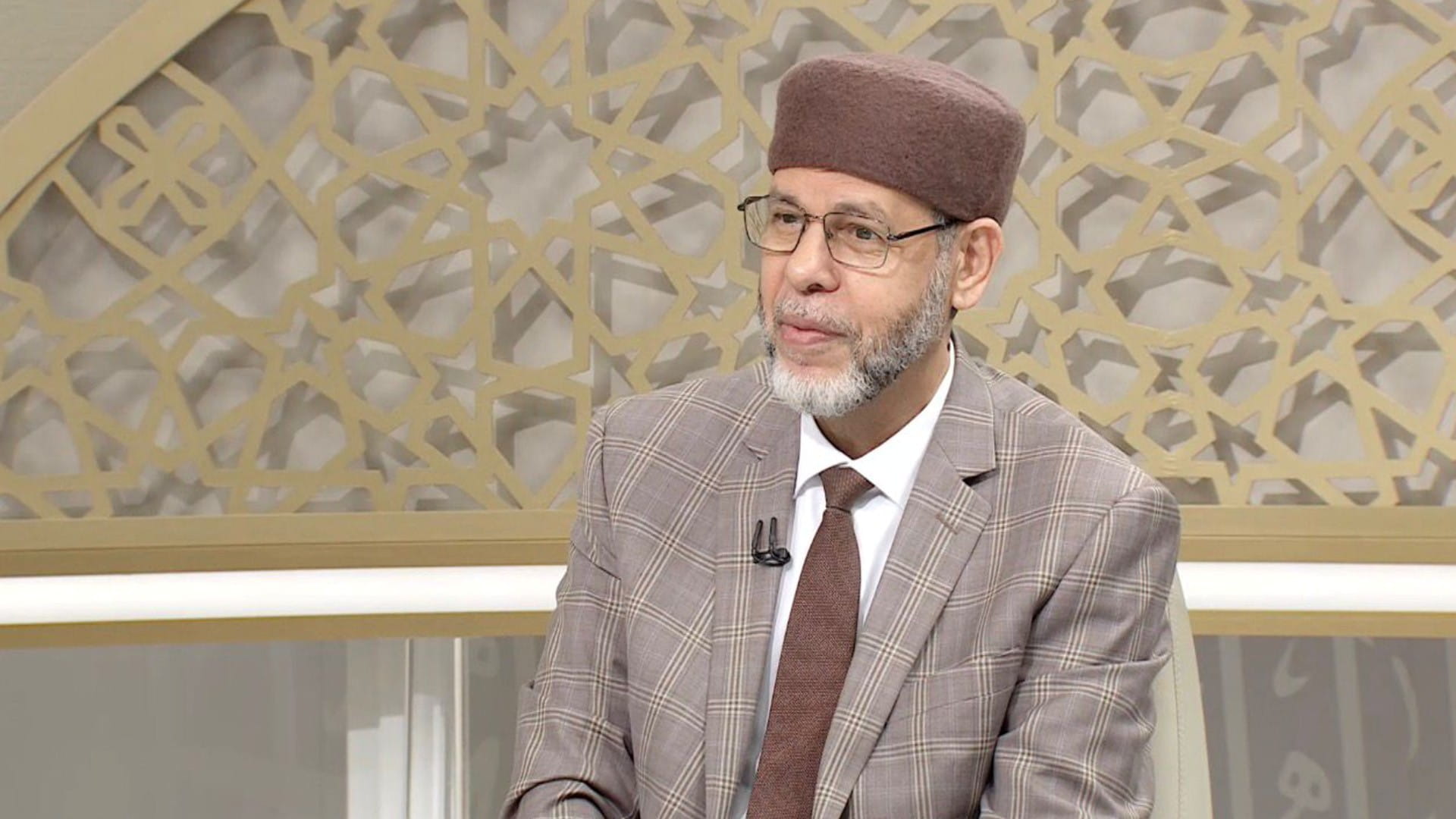
Dr Samir Al-Droubi is a leading specialist in Arabic language studies and literature. He holds a PhD in Philosophy from the University of Manchester in the United Kingdom, and has held senior academic positions at several Arab universities, including serving as Head of the Arabic Language Department at Mu’tah University. He is a member of the Arabic language academies in Amman and Damascus, has supervised more than 150 master’s and doctoral theses, and has published over 60 books and peer-reviewed scholarly studies. He is particularly known for his specialised interest in the art of maqamat and their symbolic dimensions, and has produced in-depth studies in this field, most notably his research on the maqamat of Jalal Al-Din Al-Suyuti.

 For an optimal experience, please
rotate your device to portrait mode.