
Loading...
Loading...

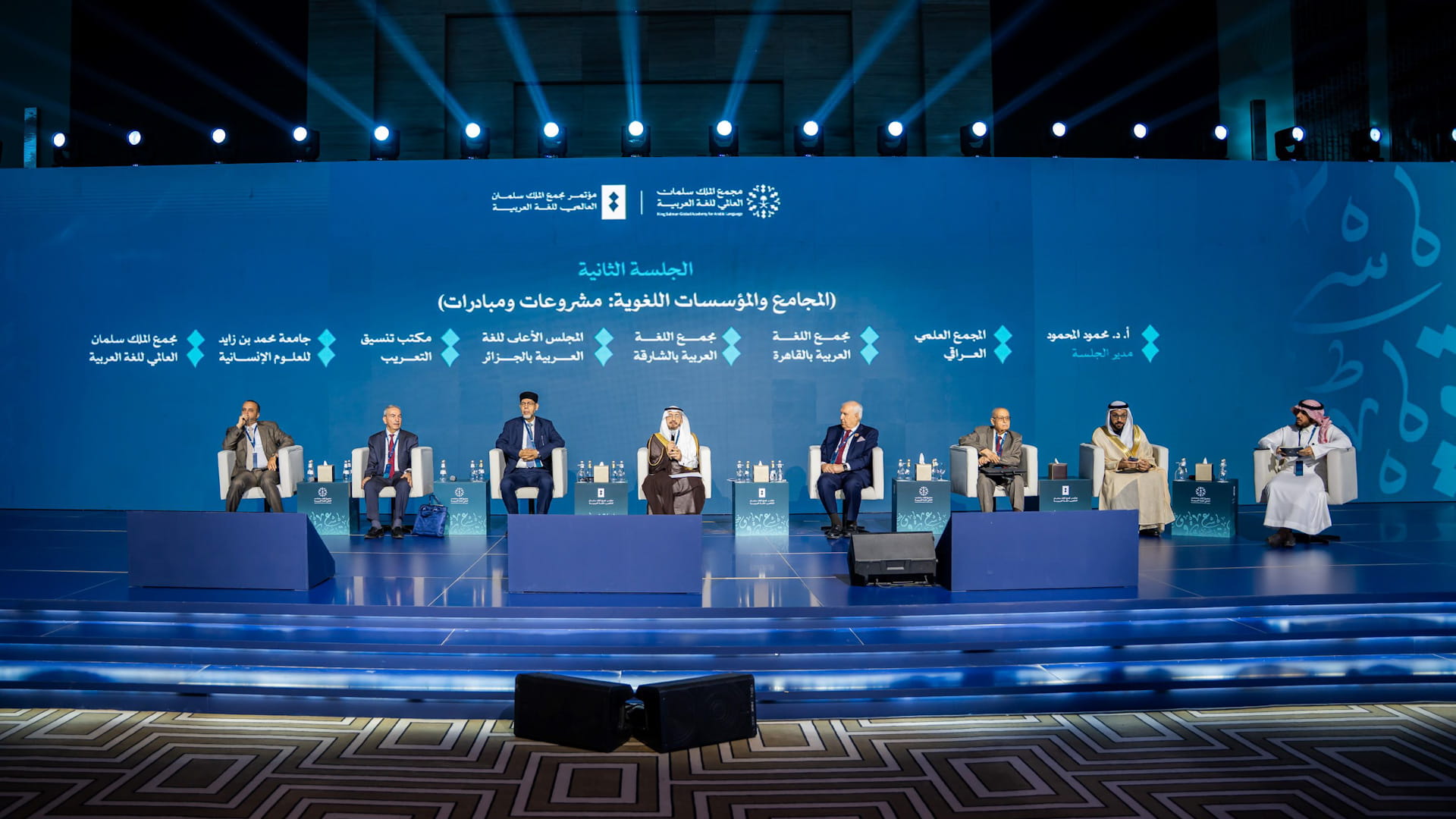
The Academy's participation was an extension of Sharjah's ongoing cultural presence in Italy and a continuation of its efforts to introduce the Arabic language and its literature to the European and international academic and cultural communities. The festival featured a scholarly and literary programme that focused on the influence of Arabic on European literature and the paths of linguistic, narrative, and poetic interaction between Mediterranean cultures. Twenty-four academics, researchers, translators, and writers from 13 Arab and European countries participated.
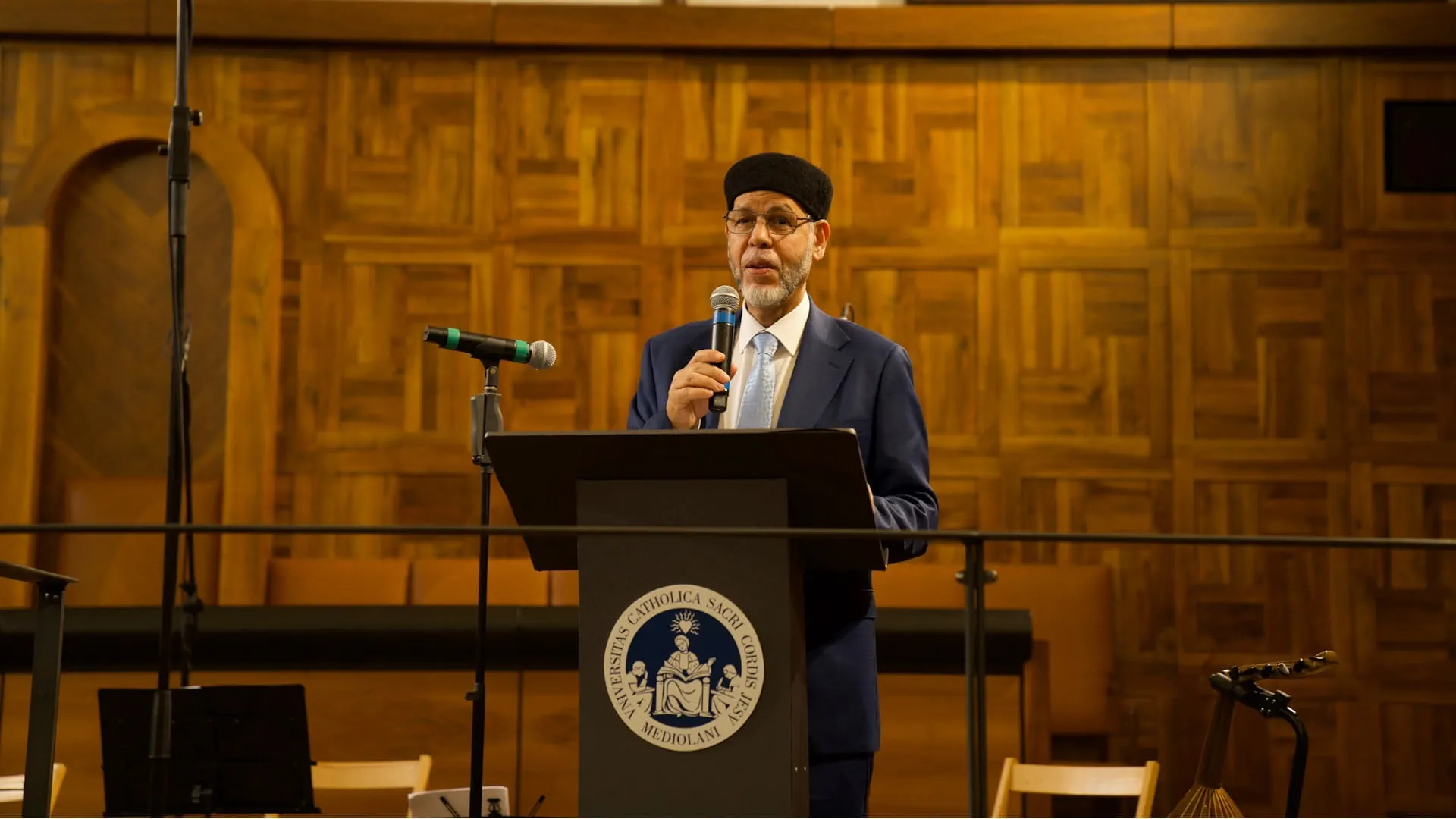
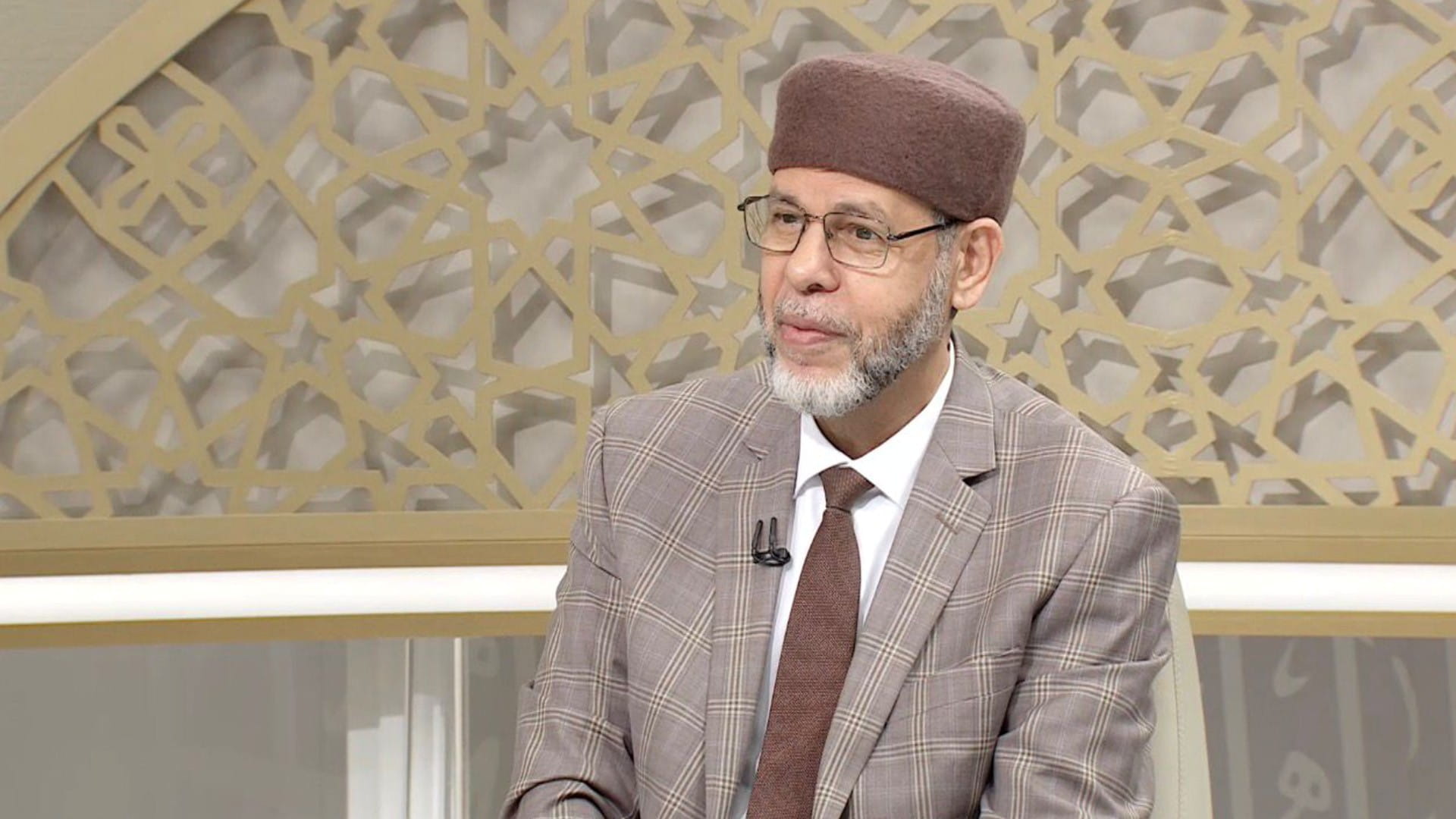
In his address at the opening ceremony, Dr. Mhammed Safi Al-Mustaghani, Secretary-General of ALA, affirmed that the Academy, under the direct supervision of His Highness Sheikh Dr Sultan bin Mohammed Al Qasimi, Supreme Council Member and Ruler of Sharjah, continues to implement major linguistic projects. Among the most prominent of these is the "Historical Dictionary of the Arabic Language," completed with the participation of 13 countries, comprising 127 volumes, and now available on digital platforms. He also noted that the Academy is currently working on a comprehensive Arabic encyclopaedia, with the participation of scholars from more than 20 countries, covering the fields of language, literature, arts, and sciences.
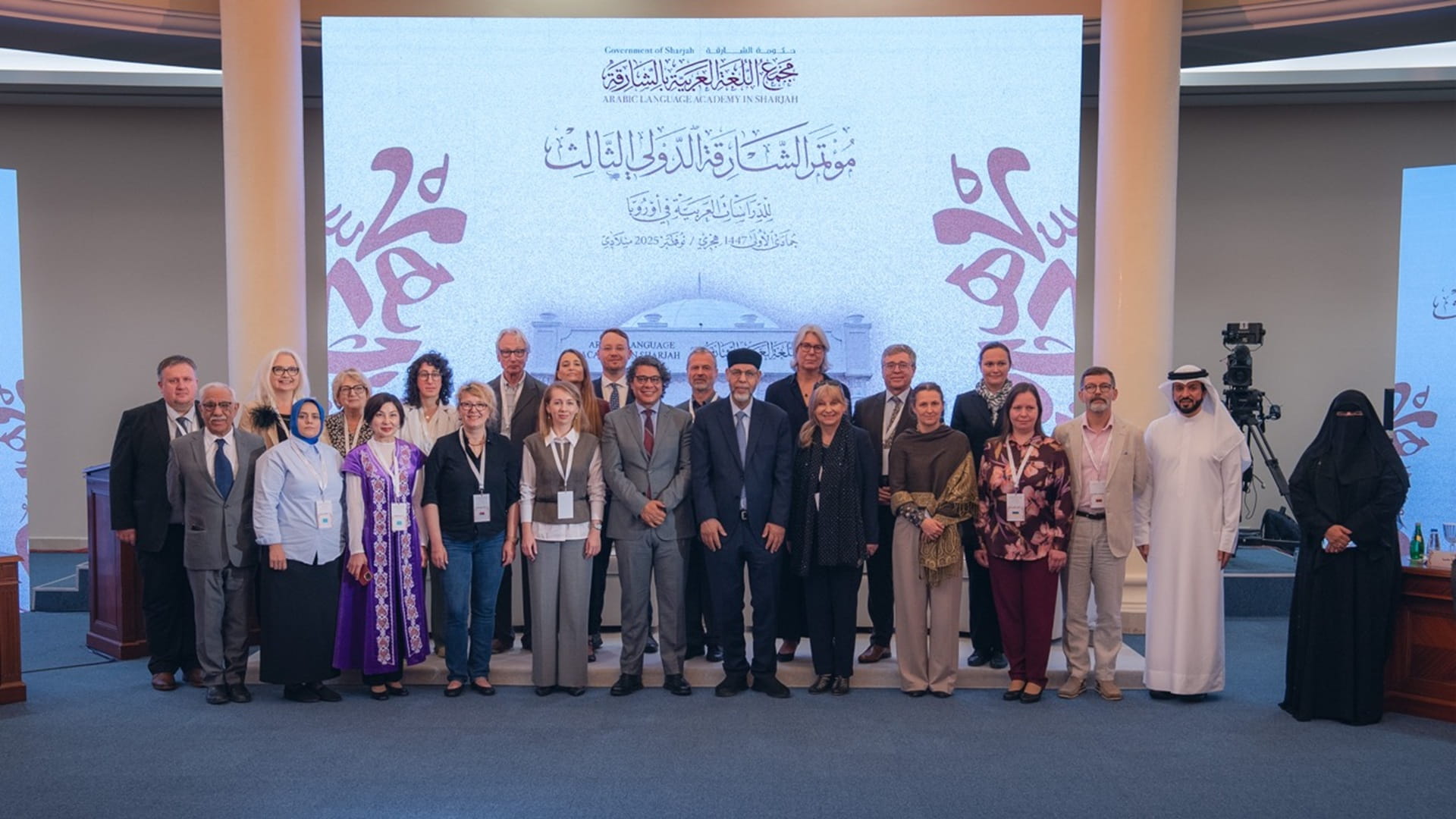
Al-Mustaghani added that the Academy organises an annual conference for Orientalists and Arabists in Europe to promote linguistic research and build bridges between Arabic and other languages. He noted that the most recent of these meetings addressed what he termed "migrant vocabulary," observing the widespread presence of Arabic words in several European languages. This reflects the depth of cultural interaction, he explained, linking this presence to the nearly three-century-long Arab presence in Sicily and the accompanying translation, Arabisation, and social interaction that contributed to the spread of Arabic words throughout Europe. He also stated that the Academy is preparing to hold its fourth conference next October to support Arabists and expand areas of cooperation with them.
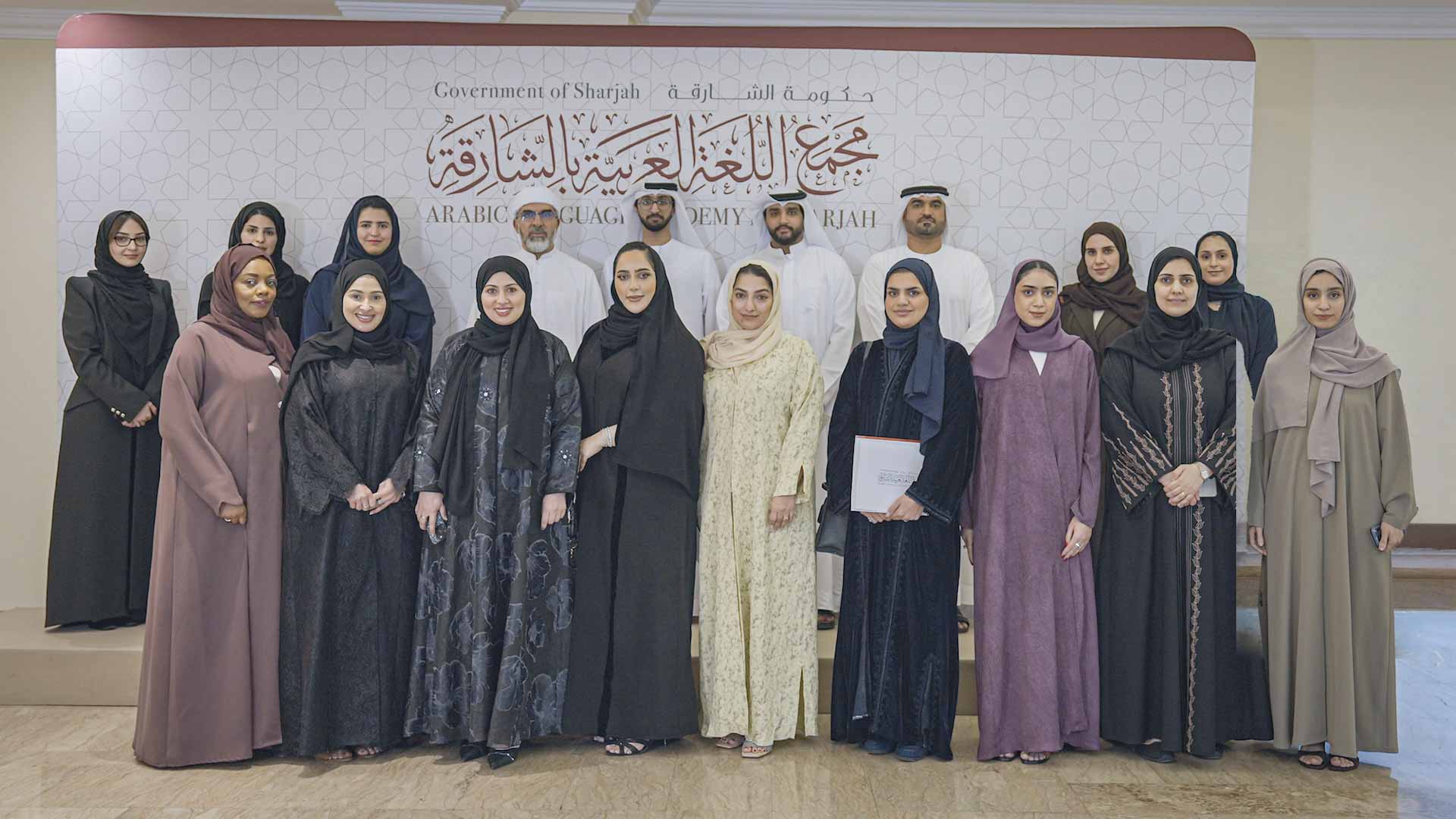
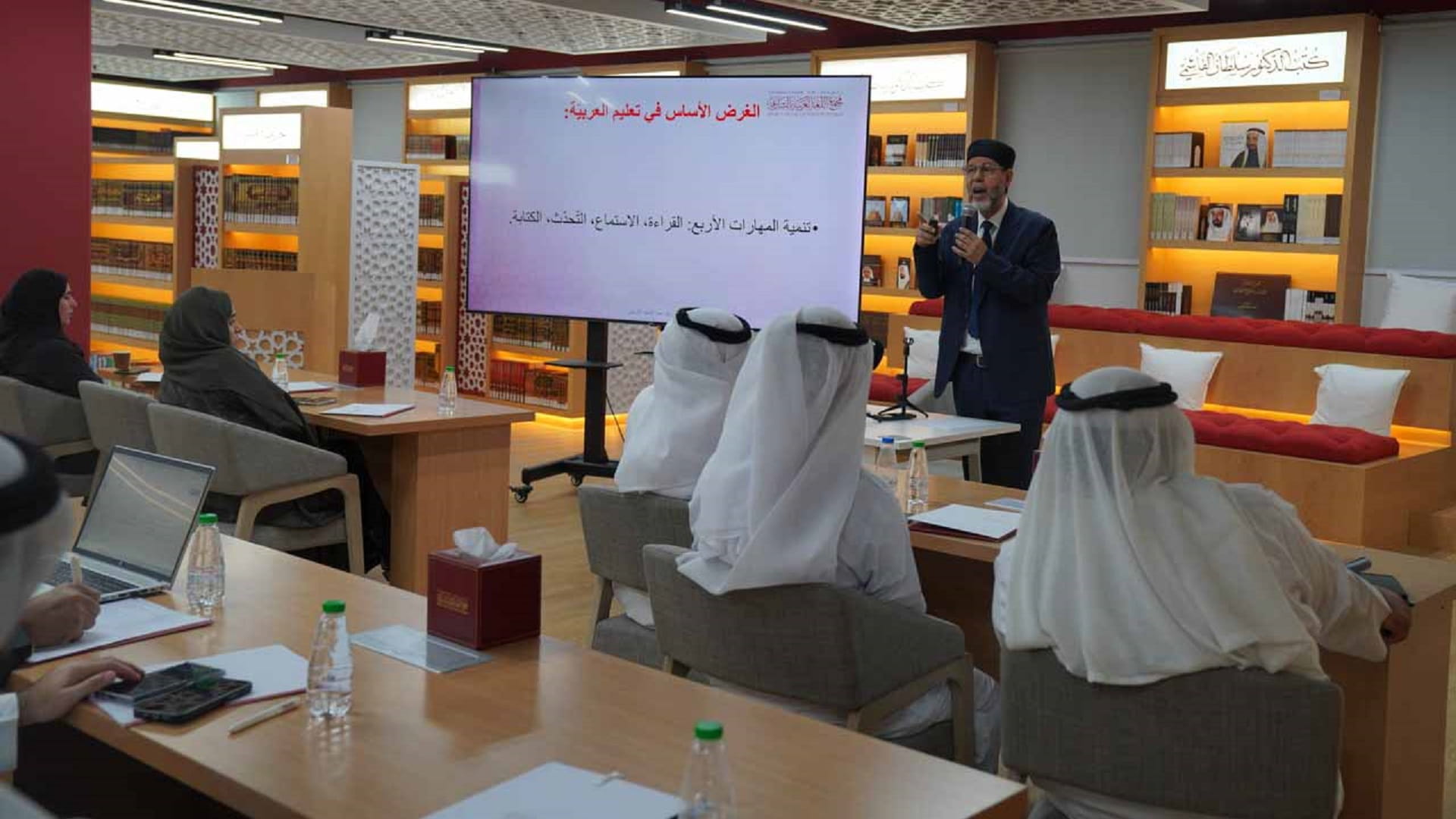
Referring to one of Sharjah's most prominent achievements in promoting intellectual and academic exchange among universities worldwide, Al-Mustaghani explained that the Arabic Language Academy annually hosts delegations of students from European and Asian universities, including universities in Italy, Austria, Poland, Kazakhstan, and South Korea. This stems from a firm belief that when students experience a language in its living environment, they learn it more deeply and firmly. The festival's opening ceremony featured keynote addresses by His Excellency Ahmed bin Rakkad Al Ameri, CEO of the Sharjah Book Authority; Maria Teresa Zanola, President of the European Council for Languages and Terminology and Vice-Rector for Quality Assurance at the University; Walid Othman, Consul General of the Arab Republic of Egypt in Milan; and Dr. Wael Farouk, Director of the Arab Cultural Institute at the Catholic University of the Sacred Heart in Milan and Festival Director.
On the academic programme, the festival included a series of research sessions exploring the presence of Arabic in European languages and literatures from various perspectives. Among the most prominent sessions were "Between Laws and Conscience: Judicial Literature in Arab and European Traditions," "Arabic Vocabulary and Linguistic Communication in Europe," and two sessions examining the influence of "One Thousand and One Nights" on Italian and German literature.
The festival also showcased examples of Arabic narrative from Andalusia to the present day, exploring the transformations of Arabic narrative and its connection to the formation of modernity. It offered a window into poetic and literary dialogues between Mediterranean cultures, through approaches that revealed the profound mutual influence between Arabic poetry and modern European literature. The events concluded with an evening of poetry and performance, including a segment entitled "Women's Poetic Voices from the Mediterranean."

 For an optimal experience, please
rotate your device to portrait mode.