
Loading...
Loading...

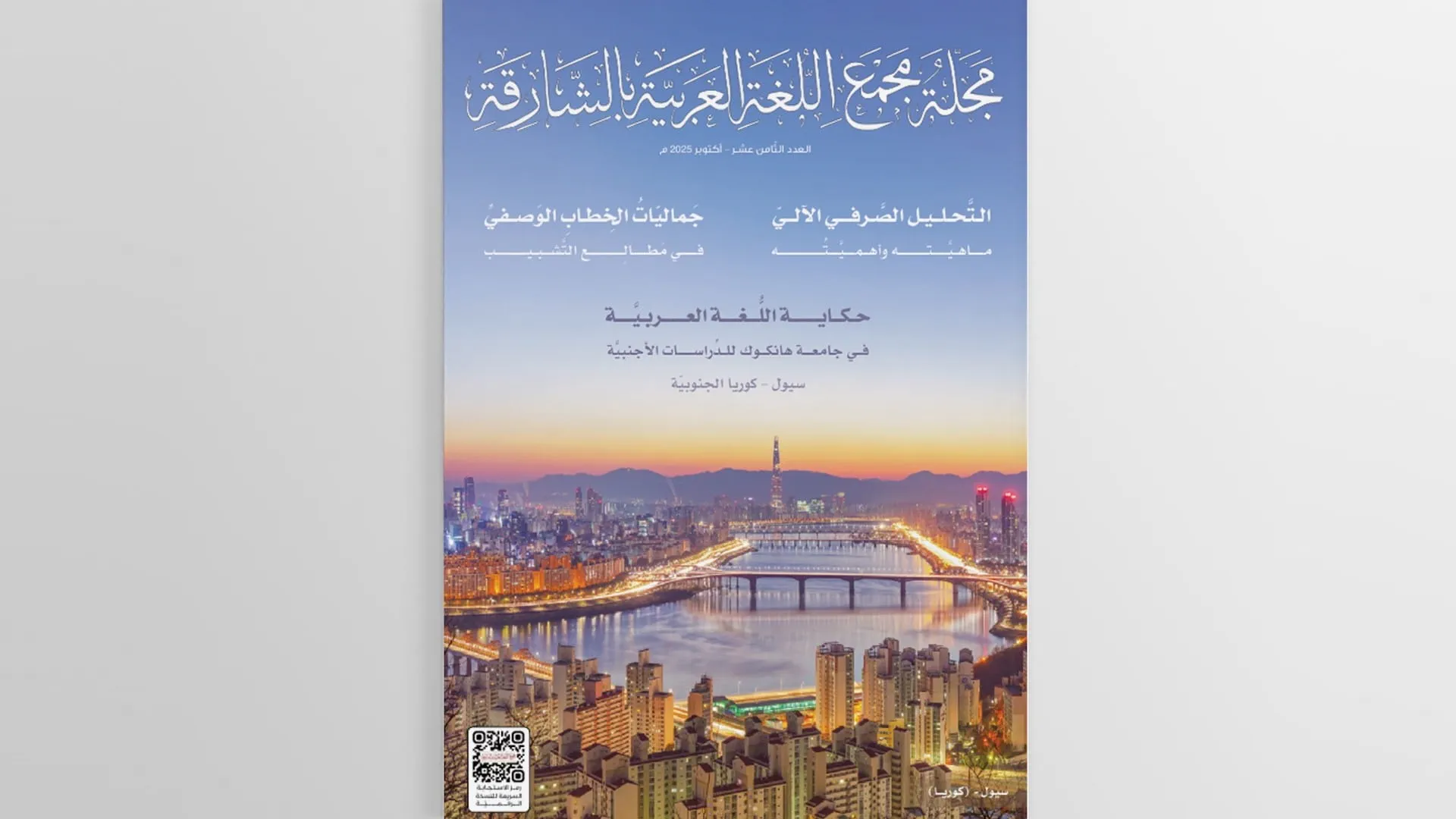
The edition features two academic studies on books by His Highness Sheikh Dr Sultan bin Mohammed Al Qasimi, Supreme Council Member and Ruler of Sharjah. The first examines "The Wise Poems Between Sorrow and Resolve" by Sheikh Saqr bin Khalid Al Qasimi, while the second investigates "Aesthetics of Descriptive Discourse in the Introductions to Love Poetry" by Sheikh Sultan bin Saqr Al Qasimi. Both works showcase vivid imagery, profound human insight, and a rich cultural history of Sharjah.
In the issue’s editorial, Secretary-General Dr Mohammed Safi Al Mosteghanemi wrote an article titled "Learning Arabic Is Faith, and Deepening Its Sciences Is Worship," questioning when Arabic will reclaim its spoken presence in daily life as it does in literature and poetry. He emphasised that Arabic preserves the sciences, arts, history, and cultural memory of the Arab nation.
The main feature highlights The Story of the Arabic Language at Hankuk University of Foreign Studies, written by Dr Yoon Eun Kyung, Head of the Arabic Department, which documents the history, academic presence, and growth of Arabic studies in South Korea.
The section Insights from Qur’anic Expression features Dr Hamid Majul Al Nuaimi’s article on the linguistic pairing of the sun and the moon and their astronomical phenomena in the Qur’an. Another study by Dr Bakri Mohammed Al Haj examines argumentative techniques in Surah Hud, while Dr Ayman Abdul Rady investigates the miraculous brevity and comprehensive meanings of Surah Al-Fatihah.
The Linguistics section features Mahmoud Gharib’s study on automated morphological analysis and its relevance to modern Arabic technologies. Researcher Wi’am Al Masalmeh contributes a historical-semantic exploration of the root (أ د ب). Another article by Dr Ahmed Al Khudari examines the term “manjaniq” across its linguistic origins and military applications. A further review highlights Dr Mahdi Arar’s methodology in tracing Qur’anic vocabulary related to women.
The issue also features biographical details on poet Elia Abu Madi, scholar Mohammed bin Isa bin Kanan Al Hanbali, and Andalusian grammarian Ibn Asfour. The literary studies section includes analyses of desert imagery in the poetry of Dhu Al-Rumma, the role of satire in early Arabic poetry by Dr Saeed Bakkour, and an exploration of the works of Abdulrahman Shukri.
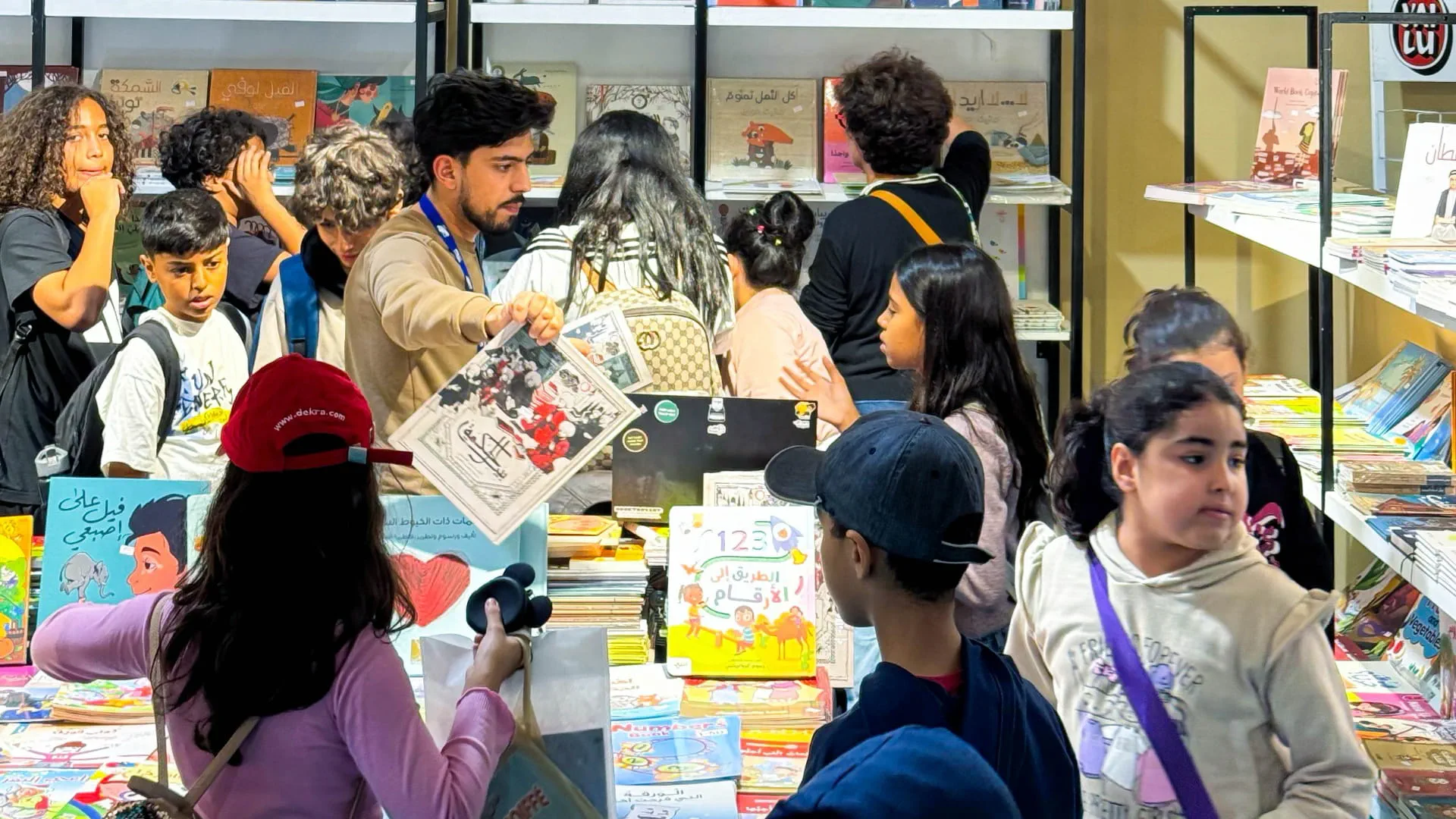
The edition features a range of academic contributions, including studies on syntactic ambiguity in Qur’anic expression, heritage use in children’s literature, the literary will of Sheikh Mohammed Al Taher Ibn Ashour, Qur’anic metaphor and argumentative choice, terminological innovation in Ibn Tufayl’s Urjuza, scientific-literary intersections in Saniyyah Saleh’s 'A Woman of Chalk', functional syntax in Arabic, and a comparative analysis of the dictionary treatment of “plot” and “form’ within a social context. It also includes a research article on interrogative hamza in the Qur’an and a study of Sharh Al-Qamus Al-Muhit in scholarly Sijilmasa.

 For an optimal experience, please
rotate your device to portrait mode.