
Loading...
Loading...

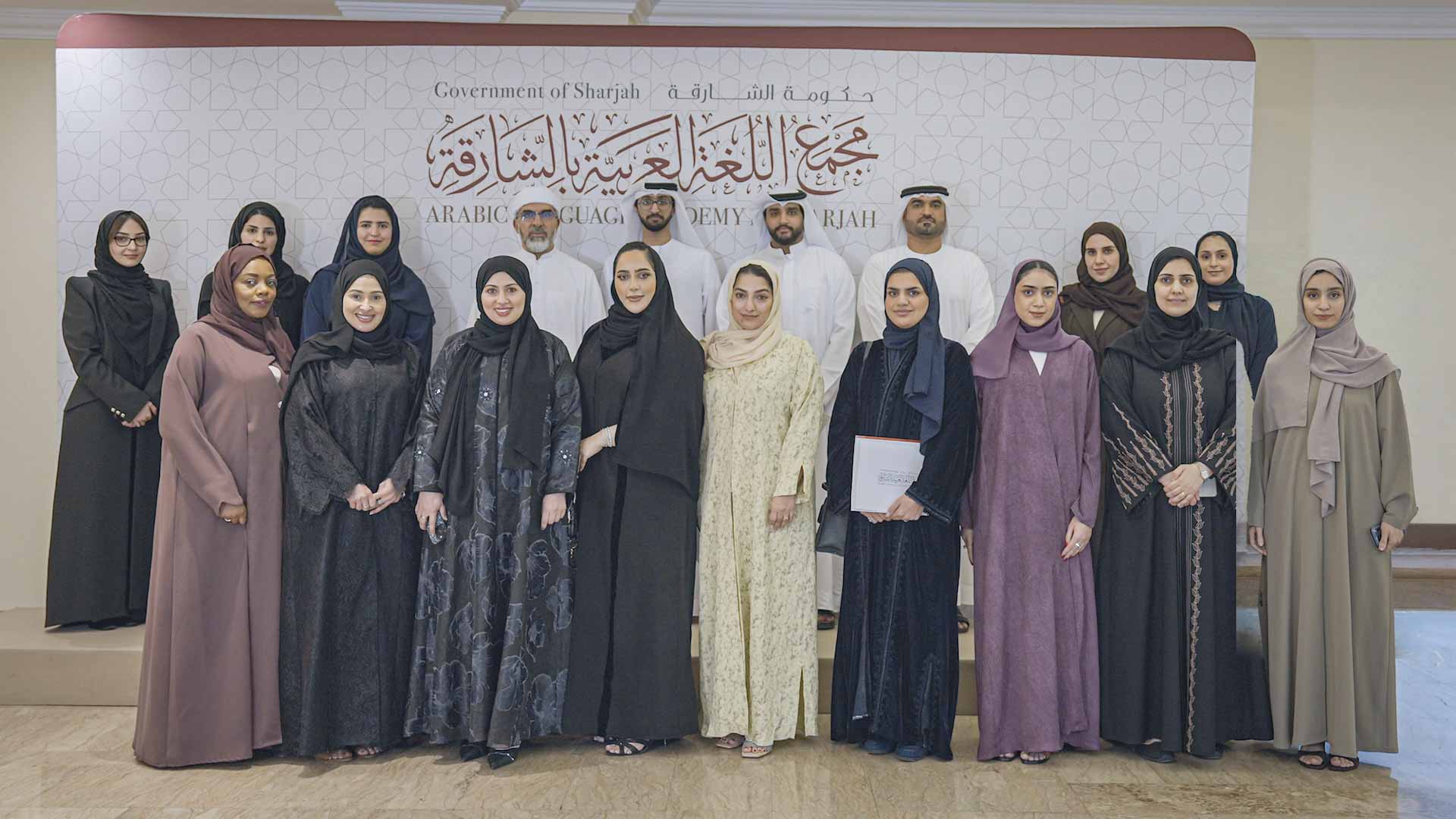
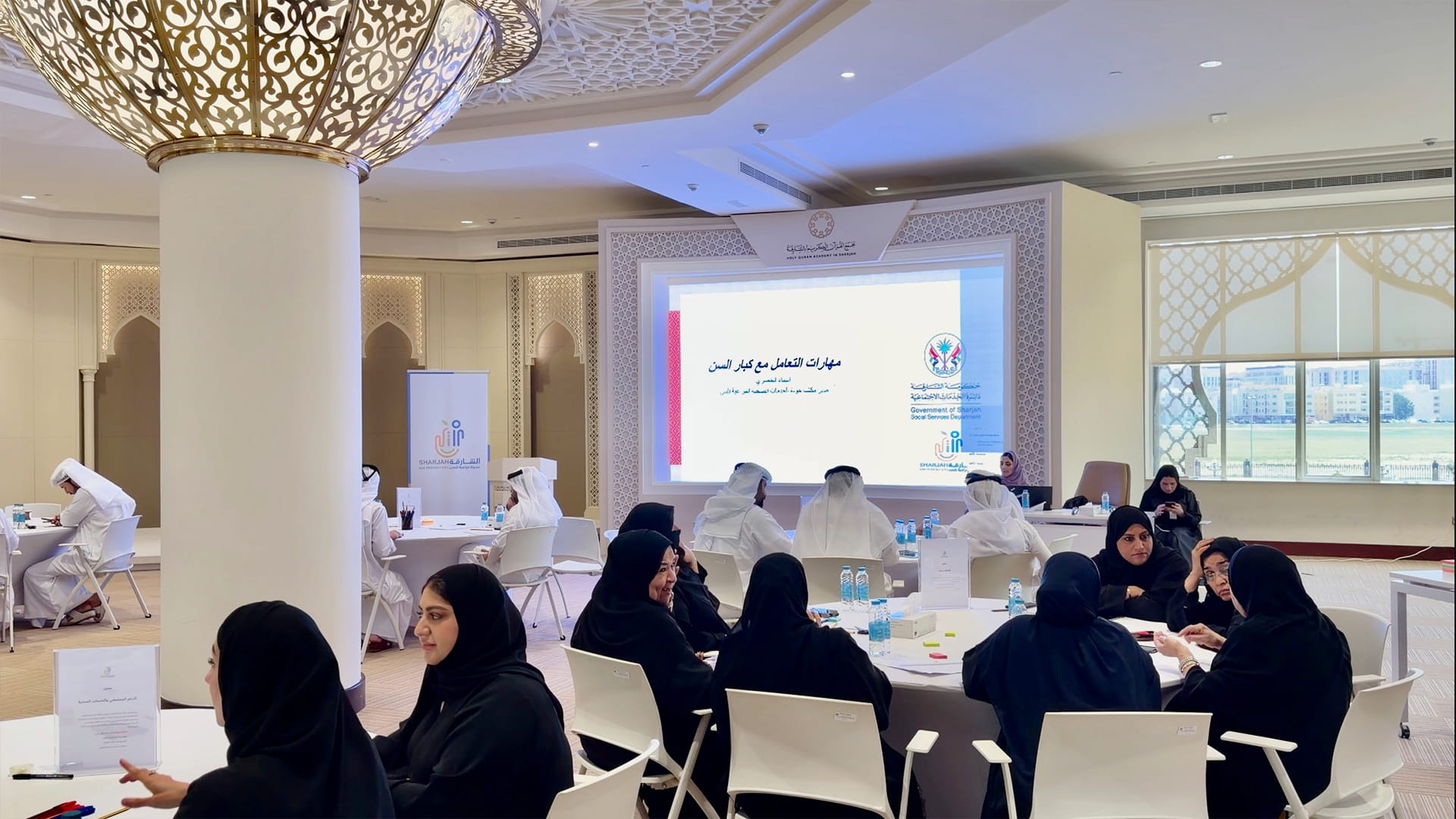
The programme covered the fundamentals of written communication, core Arabic structures, and the conventions of administrative language, along with a thorough walkthrough of how formal letters ought to be structured and drafted in professional settings.
The course set out to embed sound practices in official writing and to sharpen the quality of institutional communication — clear, precise, and fit for purpose.
A central theme running through the sessions was that correspondence is not simply a matter of putting words on a page. It demands a genuine understanding of the work environment, the right administrative terminology, and a direct, considered style that suits the context. Participants were reminded of the importance of choosing their words carefully, keeping the reader in mind at all times, and being clear about what they actually want to say.
Good correspondences create good work
Dr Mohamed Safi Al-Mustaghanmi, the Secretary General of the Sharjah Arabic Language Academy (ALA), spoke about the long history of written communication, noting that the need to correspond is as old as the need to organise human affairs. "Ever since people began living together," he said, "the letter has been a means of managing matters and preserving rights."
He went on to say that a well-crafted letter weighs every word with care — because not every situation calls for the same approach, and the best writing says much while using little. In an institutional setting, he argued, correspondence is a tool for ensuring decisions are sound and that all parties share the same understanding. Poor drafting, he warned, can easily lead to misinterpretation and delays, which can ultimately undermine the effectiveness of communication and hinder decision-making processes within the organisation. Mastering the art of correspondence, he concluded, saves time and effort, raises the standard for both internal and external communication, and makes language an integral part of professional, well-run organisations.
Key components of effective messages
The sessions were led by Dr Al-Akhdar Al-Akhdari and Ms Shaimaa Abdullah Abdul Ghafour, who drew attention to how much correspondence features in the day-to-day reality of working life. A letter, they noted, is a reflection of the writer—it shows how much care they bring to what they write and how much respect they hold for the person or institution they are addressing, whether the exchange is between individuals, between a person and an organisation, or between two bodies altogether.
The trainers stressed the importance of identifying ideas clearly, ordering them logically from the most to the least significant, and presenting them in flowing paragraphs without unnecessary padding. They also made the case for these very same skills in spoken professional contexts — whether in meetings, public addresses, or the kind of impromptu exchanges that arise in the course of a working day. The ability to communicate with clarity and confidence, they said, is just as valuable when speaking as when writing.
The anatomy of a formal letter
The course took participants through the standard structure of an official letter in some detail — covering the sender and recipient, their respective job titles, the date in full, the subject line, and the body of the letter itself. Attention was given to the importance of selecting appropriate phrases, observing the right level of formality given the relative seniority of those involved, and ensuring the text is free of grammatical and spelling errors. The trainers also said that presentation is important and that the choice of font and layout shouldn't be an afterthought.
The course emphasised that the conclusion of a letter should uphold a composed tone and include expressions of respect, gratitude, and appreciation. A letter that ends well leaves a positive impression and achieves its purpose far more reliably than one that simply trails off.
Investment in staff capability
Those who attended the course spoke warmly of both its theoretical grounding and its practical value, saying it gave them concrete tools to improve the quality of their written communication at work. Many felt it had given them a welcome opportunity to take a fresh look at how they write and to bring their approach more fully in line with the demands of precise administrative correspondence.
Fatima Al-Suwaidi, Deputy Head of the Private Museums Licensing Department at the Sharjah Museums Authority, said the course had sharpened her ability to draft day-to-day correspondence with greater precision — particularly when it comes to choosing the right register for different recipients. She appreciated how the sessions incorporated historical examples from the Arabic literary tradition, illustrating that brevity and clarity have consistently been hallmarks of truly effective writing. She added that a solid grounding in the language makes it easier to use artificial intelligence tools thoughtfully and to review their output with a critical eye.
Maitha Mohammed Al Ali, an administrative coordinator at the Sharjah Museum of Islamic Civilisation, said the course had made a real difference to how she approaches the emails that form a large part of her working day—particularly in terms of terminology and grammatical accuracy. The most valuable thing she took away, she said, was a deeper understanding of how to frame requests appropriately depending on who she is writing to, something that has a direct bearing on how clearly she communicates and how effectively her messages are received.

 For an optimal experience, please
rotate your device to portrait mode.