
Loading...
Loading...

The project is led by Tokyo City University and the University of Tokyo, in collaboration with RIKEN and Canon Medical Systems Co. The researchers introduced a living sensor display: an engineered skin graft capable of emitting fluorescence when it detects specific biomarkers, such as those linked to inflammation.
The findings, published in Nature Communications, show that the system uses the body’s natural skin regeneration to enable long-term monitoring without the need for blood tests, offering a simple visual method for assessing health after implantation.
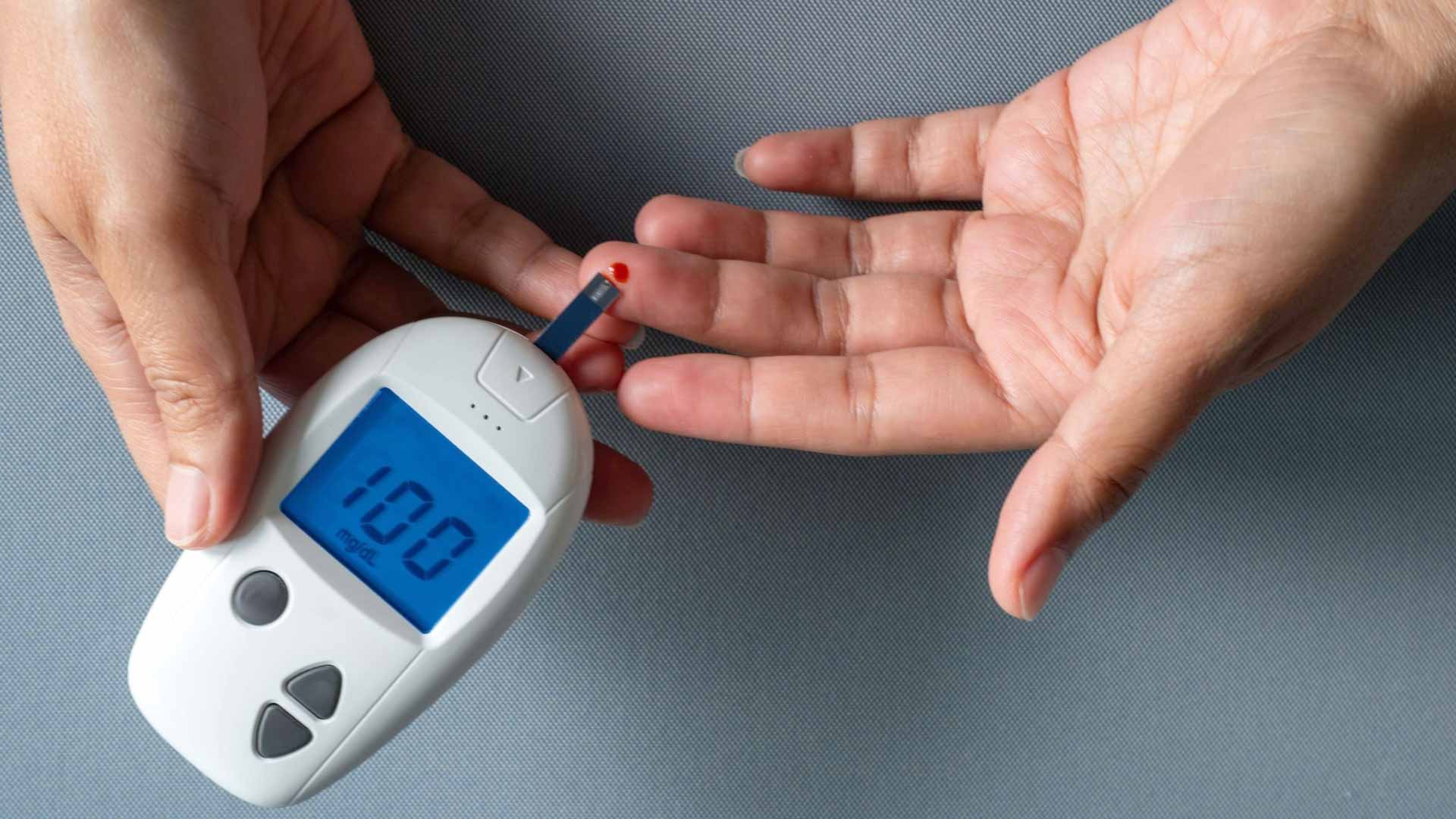
Currently, monitoring internal biomarkers — such as proteins associated with inflammation, stress, or disease — typically requires blood sampling or external wearable sensors, which often provide only short-term data.
“Traditional methods are invasive or offer only limited snapshots,” said Professor Hiroyuki Fujita of Tokyo City University. “We wanted to develop a biologically integrated system that allows continuous monitoring and easy interpretation, even at home.”
To achieve this, the researchers used epidermal stem cells, which naturally regenerate skin throughout life. These cells were genetically modified to react to inflammatory signals, specifically the activation of the NF-κB pathway.
As a result, the engineered skin produces enhanced green fluorescent protein (EGFP) when inflammation-related activity is detected.
When transplanted onto mice, the modified skin successfully integrated with surrounding tissue. Once inflammation was triggered, the grafted area emitted a visible green glow, effectively converting internal molecular activity into an external visual signal.
Because the sensor consists of living stem cells, it continues to function through the skin’s natural renewal process.
Professor Shoji Takeuchi of the University of Tokyo explained that, unlike conventional monitoring devices, this system does not require batteries, wiring, or regular replacement.
“In our experiments, the sensor remained functional for more than 200 days, as the engineered stem cells continuously regenerated the epidermis,” he said.
While the current study focuses on inflammatory signals, the researchers noted that the technology could be adapted to detect other physiological or metabolic indicators by modifying the molecular targets.
They also highlighted potential uses beyond human healthcare, including animal research and veterinary medicine, where visual health indicators could help detect disease early in animals unable to communicate symptoms.

 For an optimal experience, please
rotate your device to portrait mode.