
Loading...
Loading...

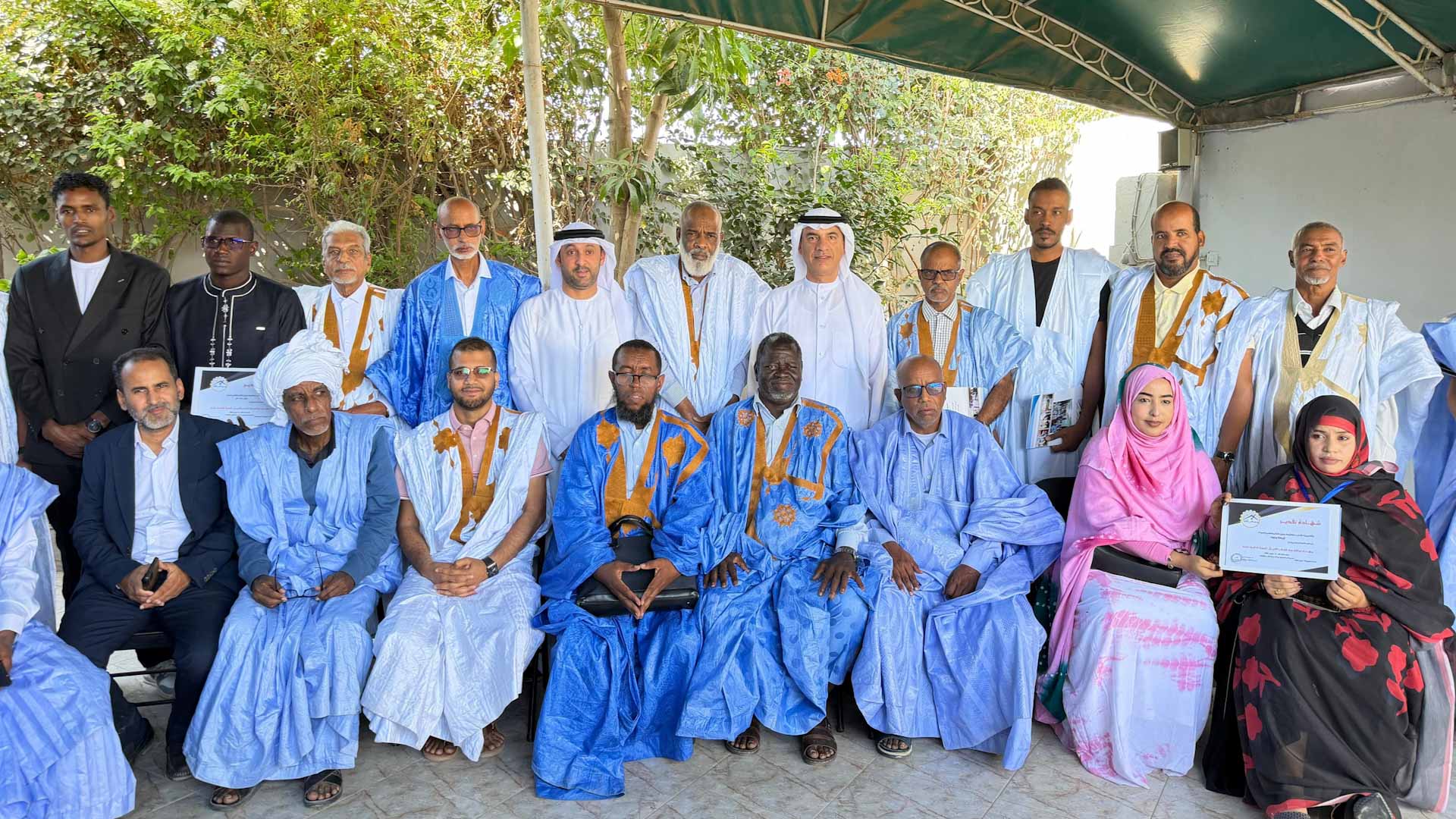
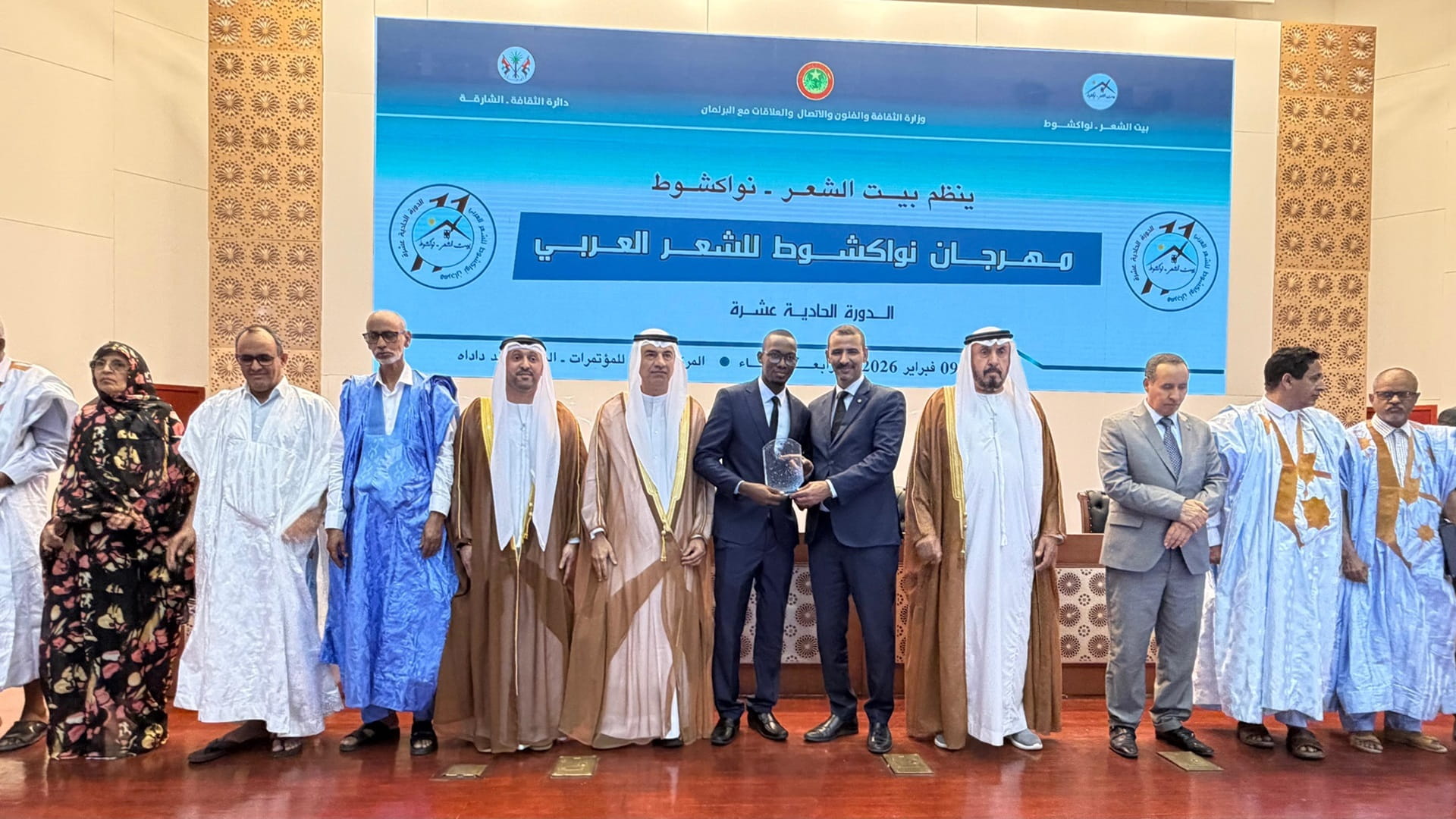
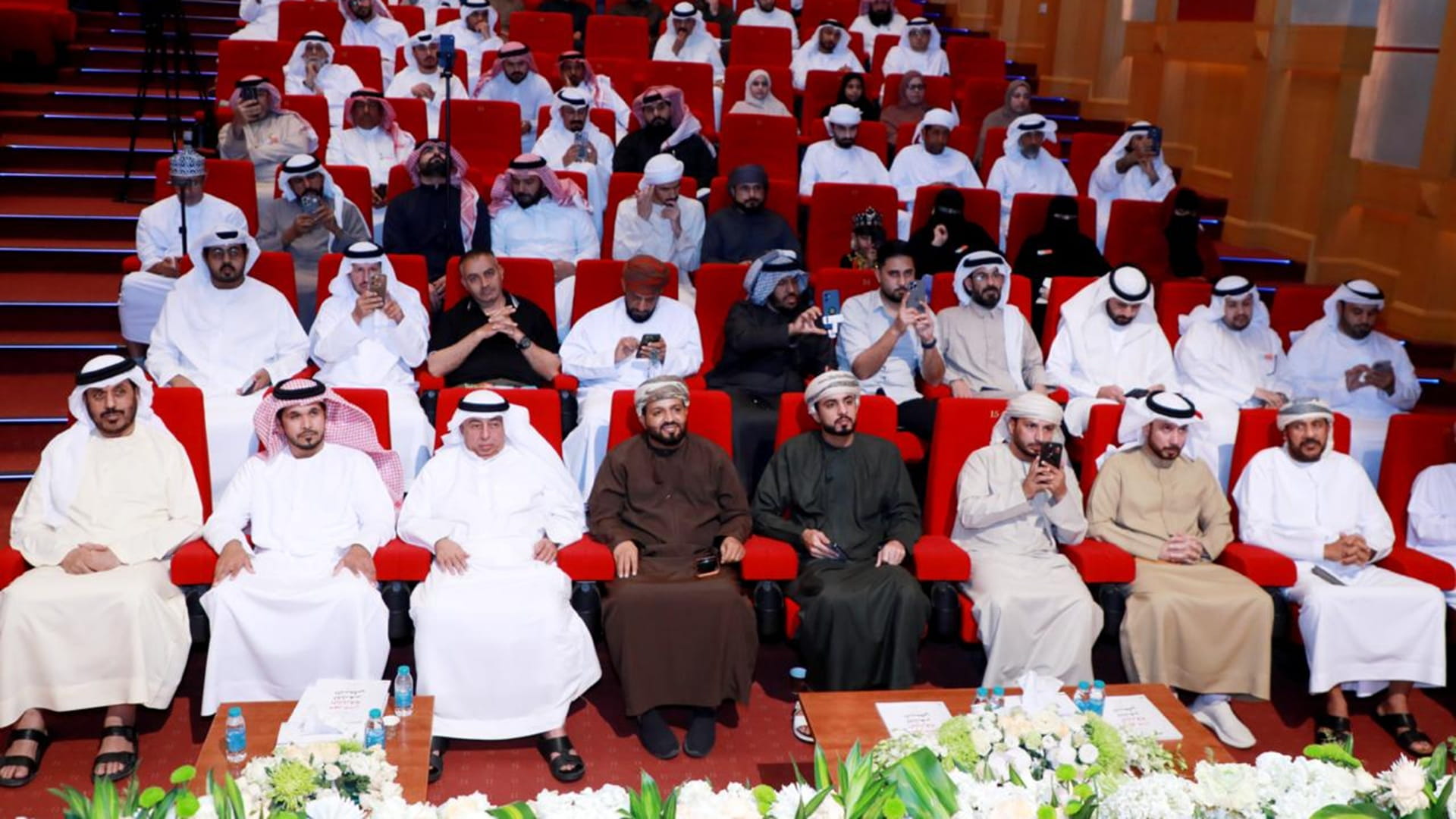
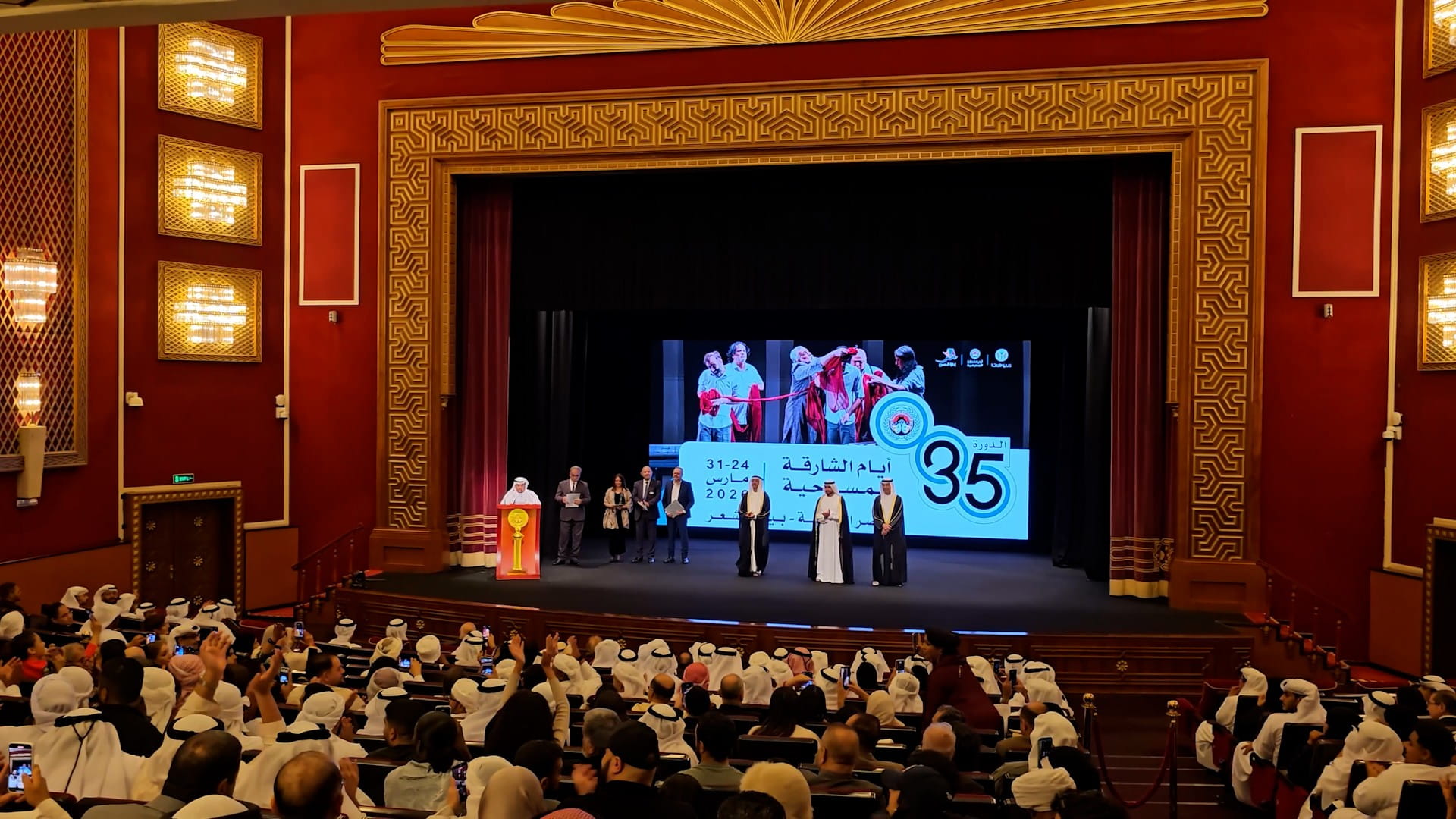
The closing ceremony was held at the Nouakchott House of Poetry in the presence of Abdullah bin Mohammed Al Owais, Chairman of the Sharjah Department of Culture; Mohammed Ibrahim Al Qaseer, Director of Cultural Affairs at the Department; Dr Abdullah Al Sayyed, Director of the House; and a large number of university students, writers and lovers of Arabic poetry.
The 11th edition featured a rich programme of events, including nostalgic poetry evenings and a specialised critical seminar addressing structural and semantic challenges in the modern Mauritanian poem, examining its artistic particularities and aesthetic transformations within the Mauritanian context.
The festival also witnessed the signing of several poetry collections published by the Sharjah Department of Culture in a celebratory atmosphere, with the signing corner becoming a creative dialogue space between poets and their readers. Signed titles included “Maznatun min Al-Ghaib” by poet Bebaha Badiouh, “Salalim Ukhra lil-Najat” by poet Mohammed Idoum, and “Marafi’ Al-Hurouf” by poet Al Hassan Mohammed Mahmoud — reaffirming continued poetic momentum and publishing support in Mauritania and the Arab world.
Final Day: Critical Seminar and Closing Poetry Evening
The final day featured a critical seminar titled “Structural and Semantic Challenges in the Modern Mauritanian Poem”, with participation from critics Dr Mohammed Al Amin Al Nati, Dr Mohammed Al Amin Suhaib, Dr Khadija Mohammed, and Dr Ould Metali Lamrabott, moderated by Dr Abouh Belbelah.
Researchers examined the topic in depth, analysing the dialectical relationship between poetic form and content, tracing the poem’s development from its earliest formations to contemporary expressions. They highlighted transformations in rhythm, poetic language and imagery, alongside growing engagement with questions of self, identity and social change.
Contributors stressed that the modern Mauritanian poem represents not merely a formal shift but an aesthetic awareness that reshapes the relationship between structure and meaning, seeking a new balance between authenticity and experimentation. The seminar saw strong audience engagement through questions and interventions on the poem’s future and its place in the Arab poetic landscape.
The closing poetry evening featured four poets: Ahmed Boulemsak, Al Sharif Allal, Abu Bakr Injai (Gambia), and Nazeeha Yahya, who presented readings diverse in style and united in human depth. Their poems moved between confession, memory, reflection, longing and identity, transporting the audience into their creative worlds.
Participating poets affirmed that Sharjah represents a leading model in supporting and sponsoring culture, praising the Sharjah Department of Culture and its role in strengthening Arab literary activity. They also highlighted the important role of the Nouakchott House of Poetry as a renewed platform for poetry and creators, enriching the Mauritanian cultural scene and building bridges between Arab poets and communities.
Poet Abdulmoneim Hassan of Mali said the House of Poetry and the Nouakchott Festival have placed Mauritania’s cultural scene in the spotlight, restoring recognition to classical Arabic poetry as a core component of national identity and creating dialogue between generations and Arab poetic experiences, while giving young talents opportunities to emerge and connect with critics and poets across West Africa.
He stressed that Sharjah has made support for creators a sustainable institutional project through awards, festivals and cultural bodies, viewing investment in culture as an investment in people and awareness.
Poet Al Taqi Al Sheikh said the Nouakchott House of Poetry has been a vital cultural outlet and a regular, reliable platform for beneficial cultural activity led by creative youth teams.
Poet Nazeeha Yahya said the House of Poetry has played a major role in revitalising the cultural scene, honouring established talents and opening doors for younger voices, adding that Sharjah has strengthened this role through modern mechanisms.
Poet Sidi Mahmoud Al Radi said the House of Poetry’s effort aligns with poetry’s timeless mission and unites Mauritanian poets across time and place, while its guiding light remains Sharjah — a beacon of beauty, art and culture.
Poet Moulay Al Sadiq said the House of Poetry and the Nouakchott Festival have revived cultural momentum, strengthened the Arab presence of Mauritanian poetry, and opened intergenerational dialogue spaces, while Sharjah has consolidated its position as a true incubator of creators through sustained and serious cultural support.

 For an optimal experience, please
rotate your device to portrait mode.