
Loading...
Loading...

High-profile gathering in Washington
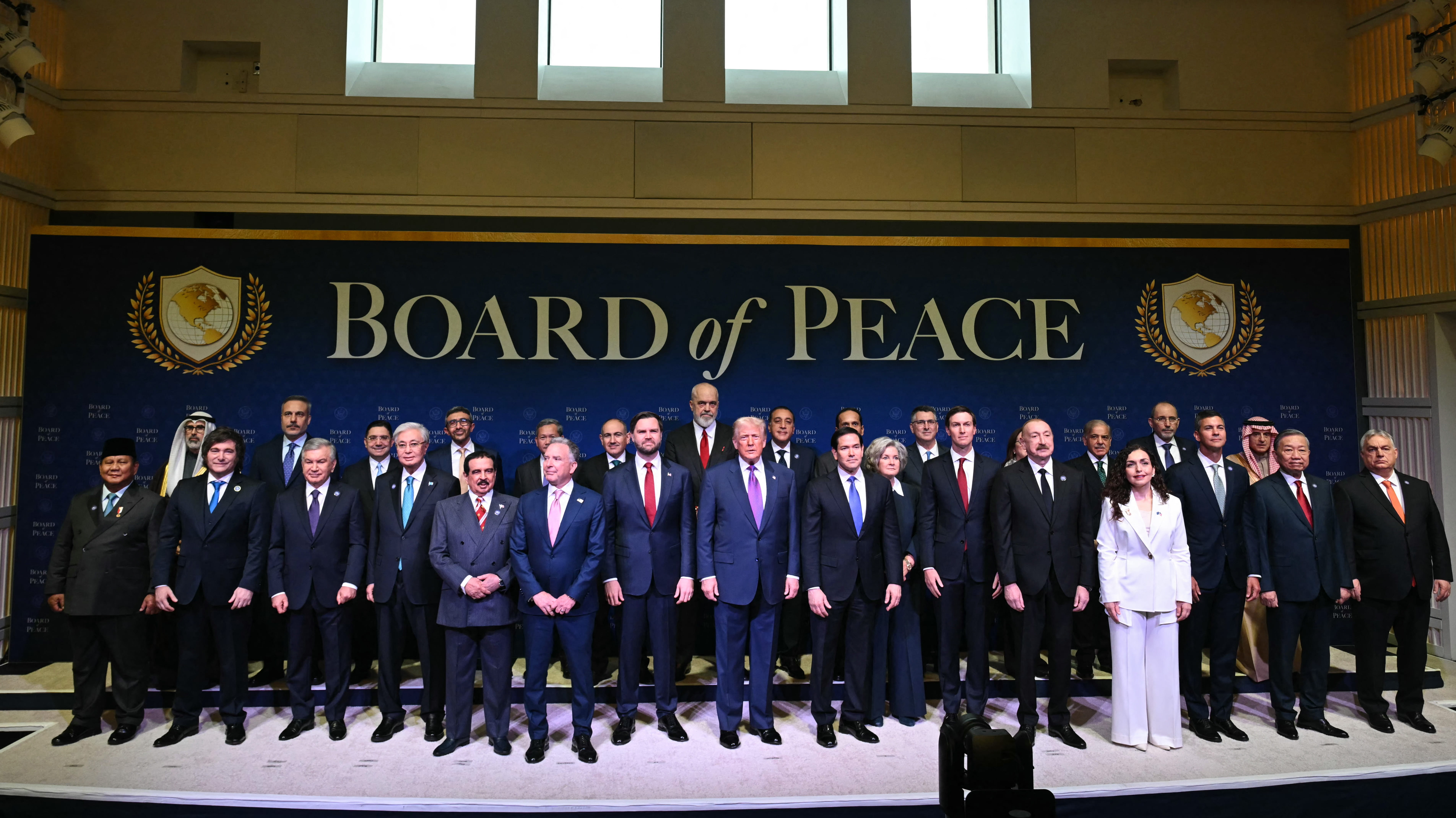
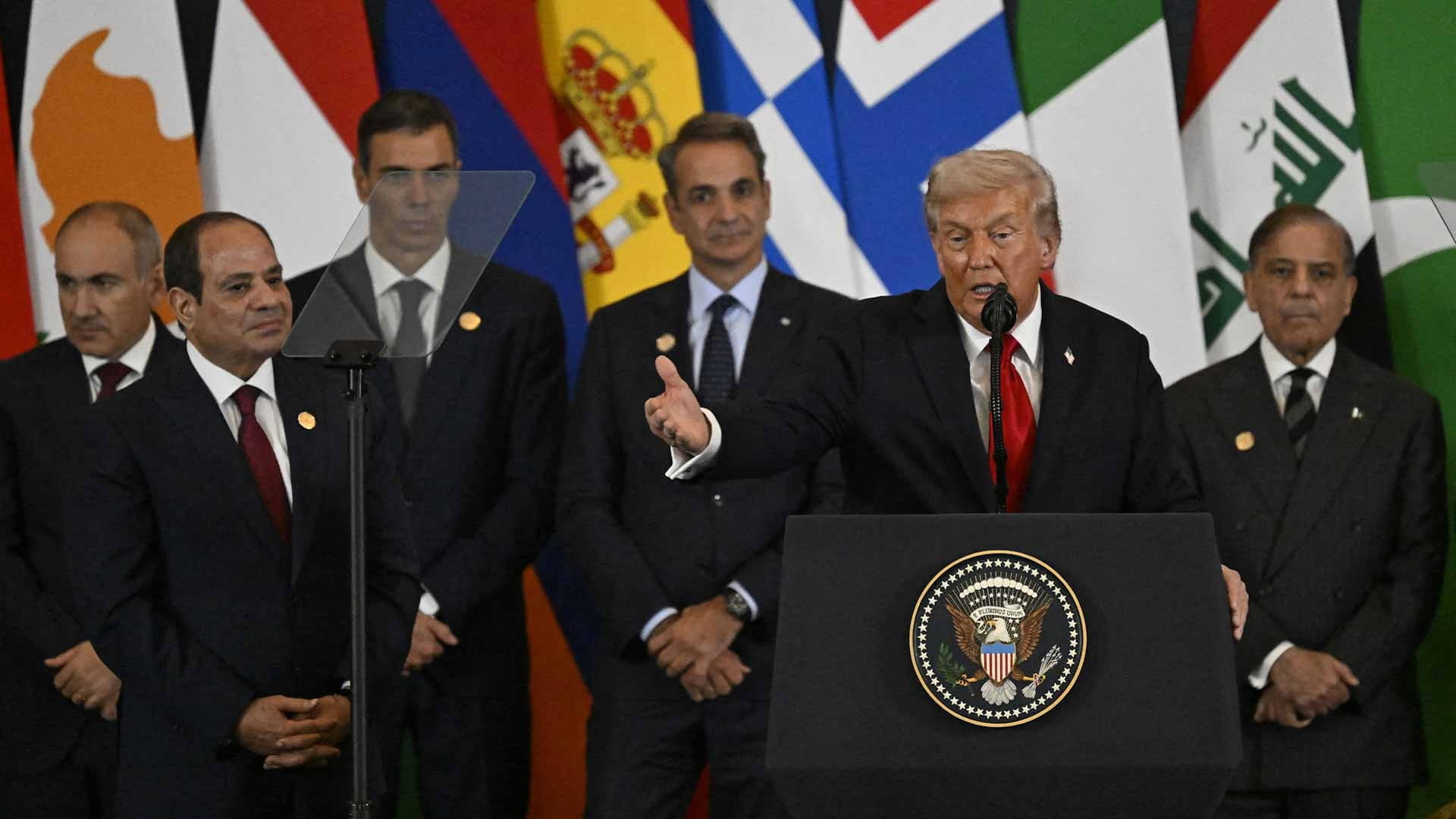
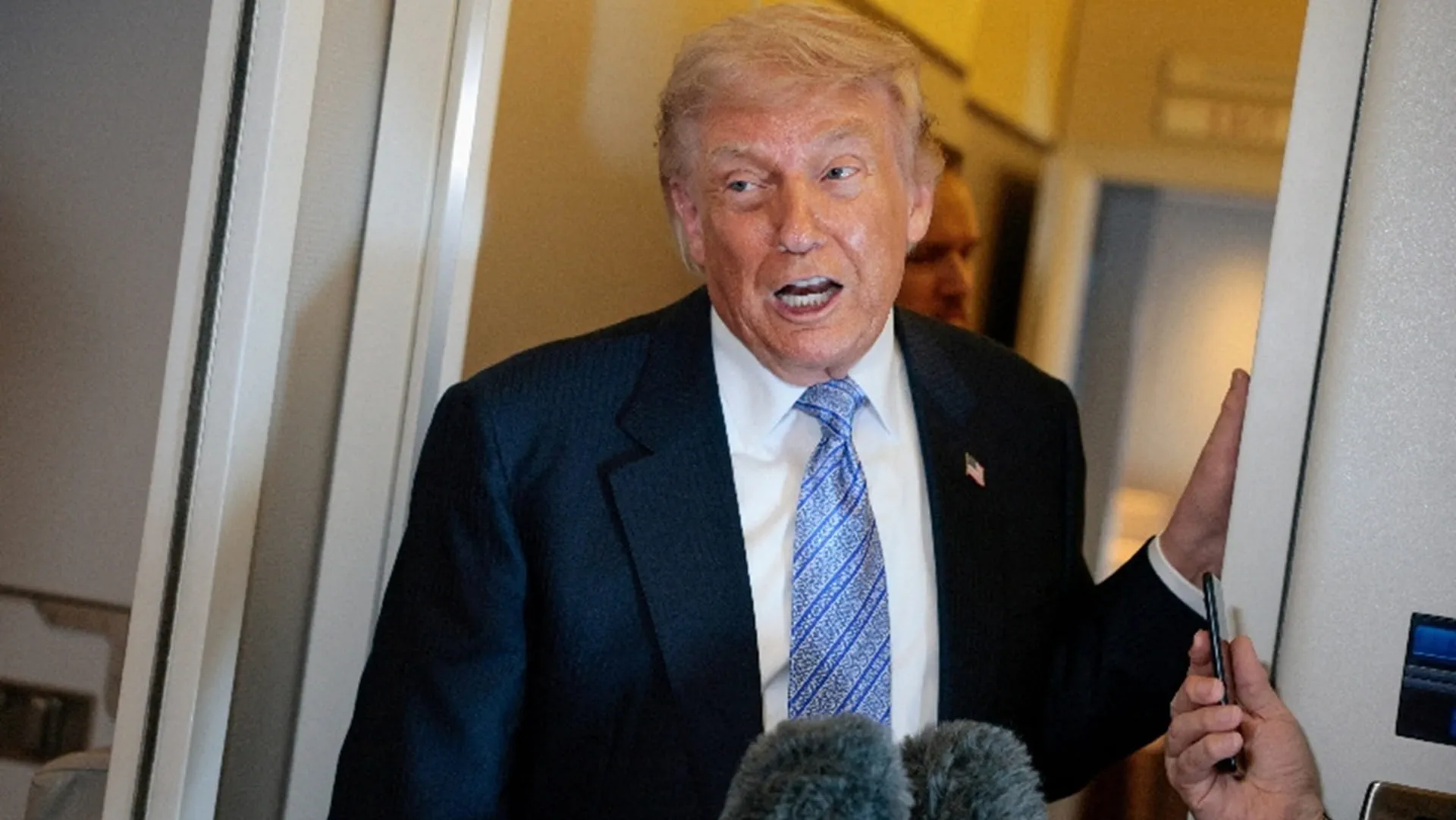
Trump hosted allies from around the world, including several authoritarian leaders, with relatively few traditional Western US allies in attendance. The ceremony took place in the former US Institute of Peace building, now renamed after Trump. Speaking to the gathered dignitaries, he described the participants as “powerful people” and pledged to make Gaza “successful” and “peaceful,” holding up a document with financial commitments as disco-style music played.
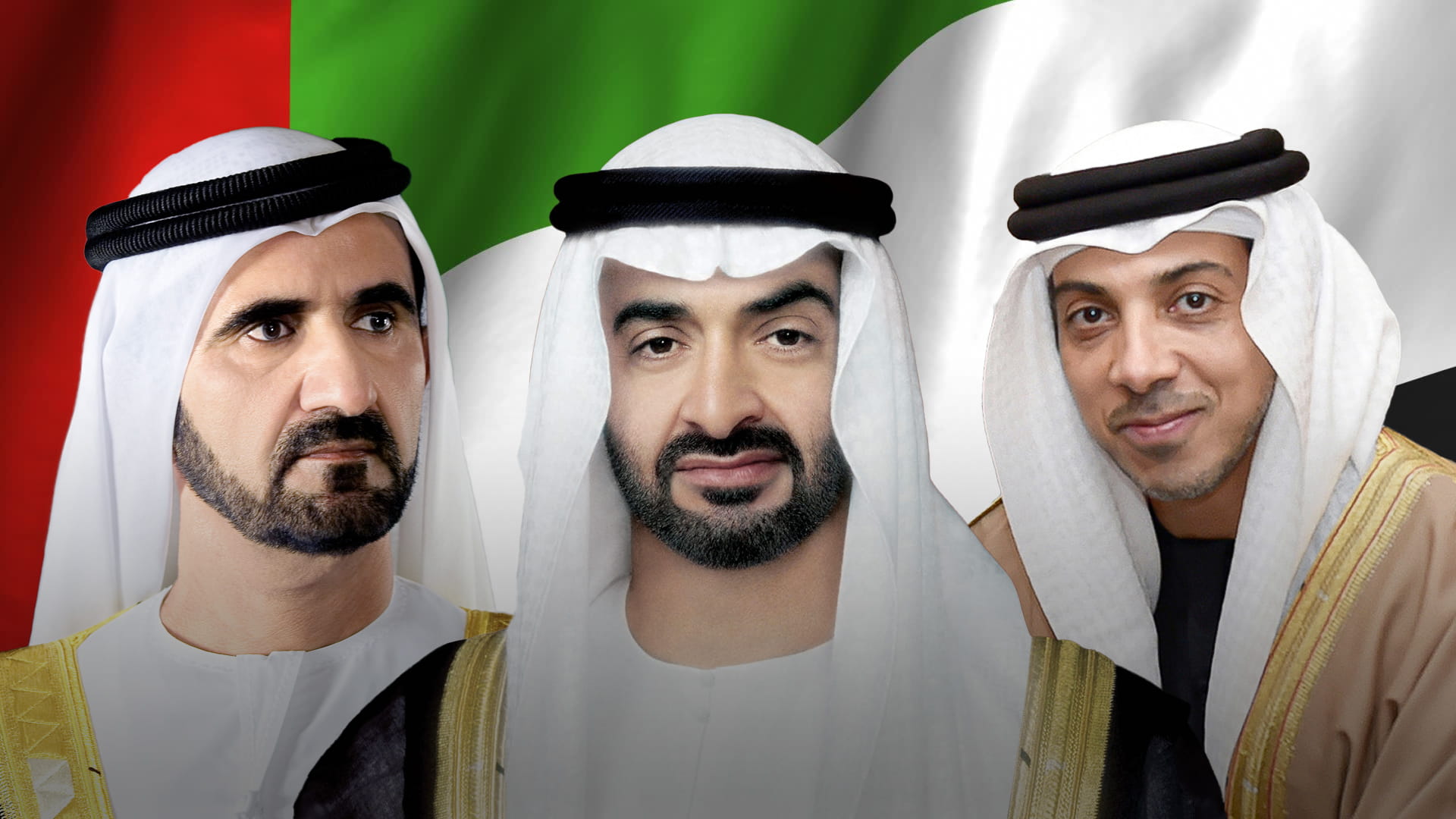
Trump announced that the United States would contribute $10 billion, while Qatar, Saudi Arabia, and the United Arab Emirates each pledged at least $1 billion. According to the White House, over $6.5 billion in pledges were made, not including Trump’s own contribution. Critics have questioned the transparency of the funding and whether congressional approval had been secured.
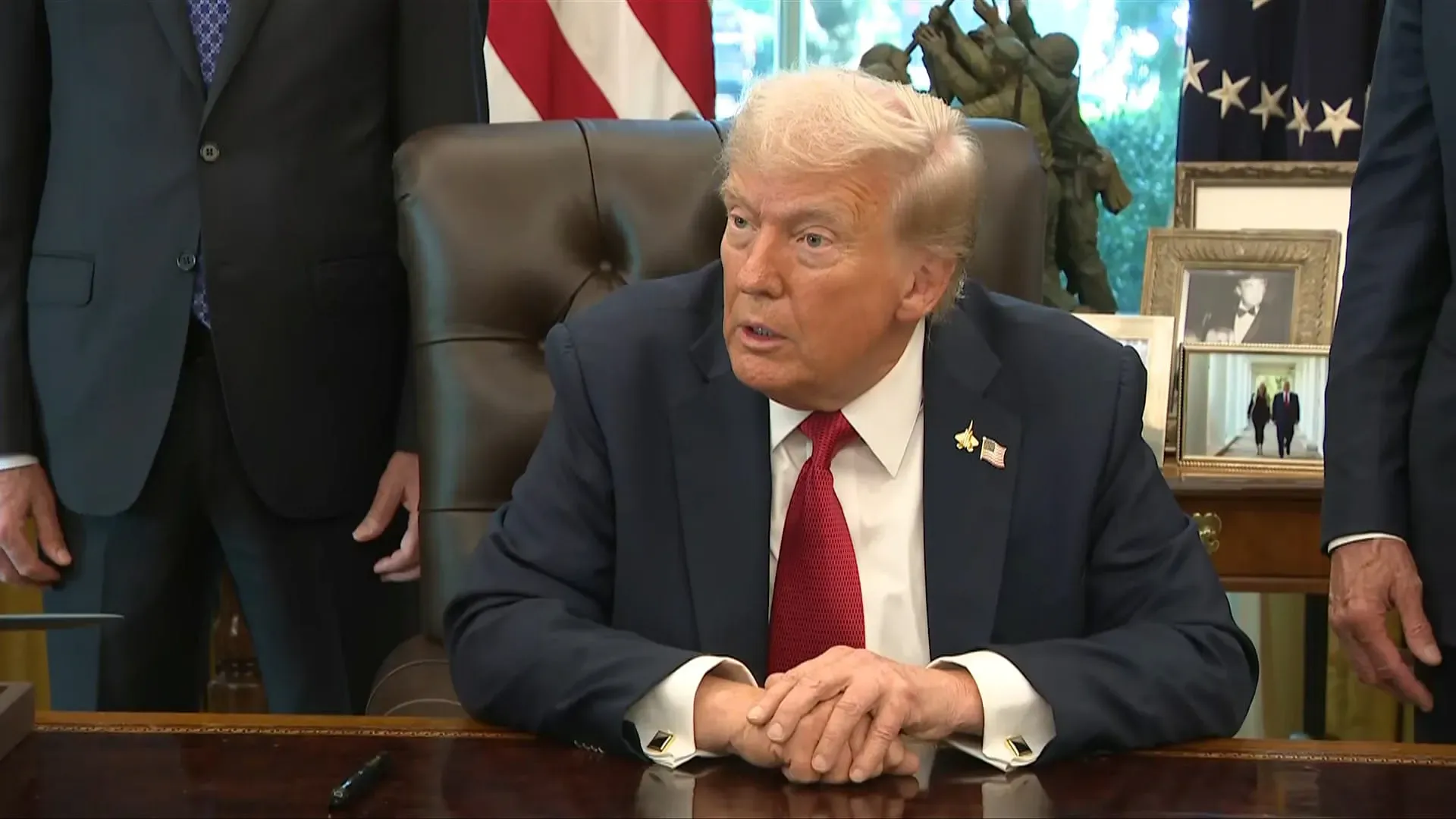
Trump retains veto power over the Board and can remain its head even after leaving office. Nations wishing to participate permanently rather than the standard two-year term are required to contribute $1 billion.
Troop contributions and international Stabilisation Force
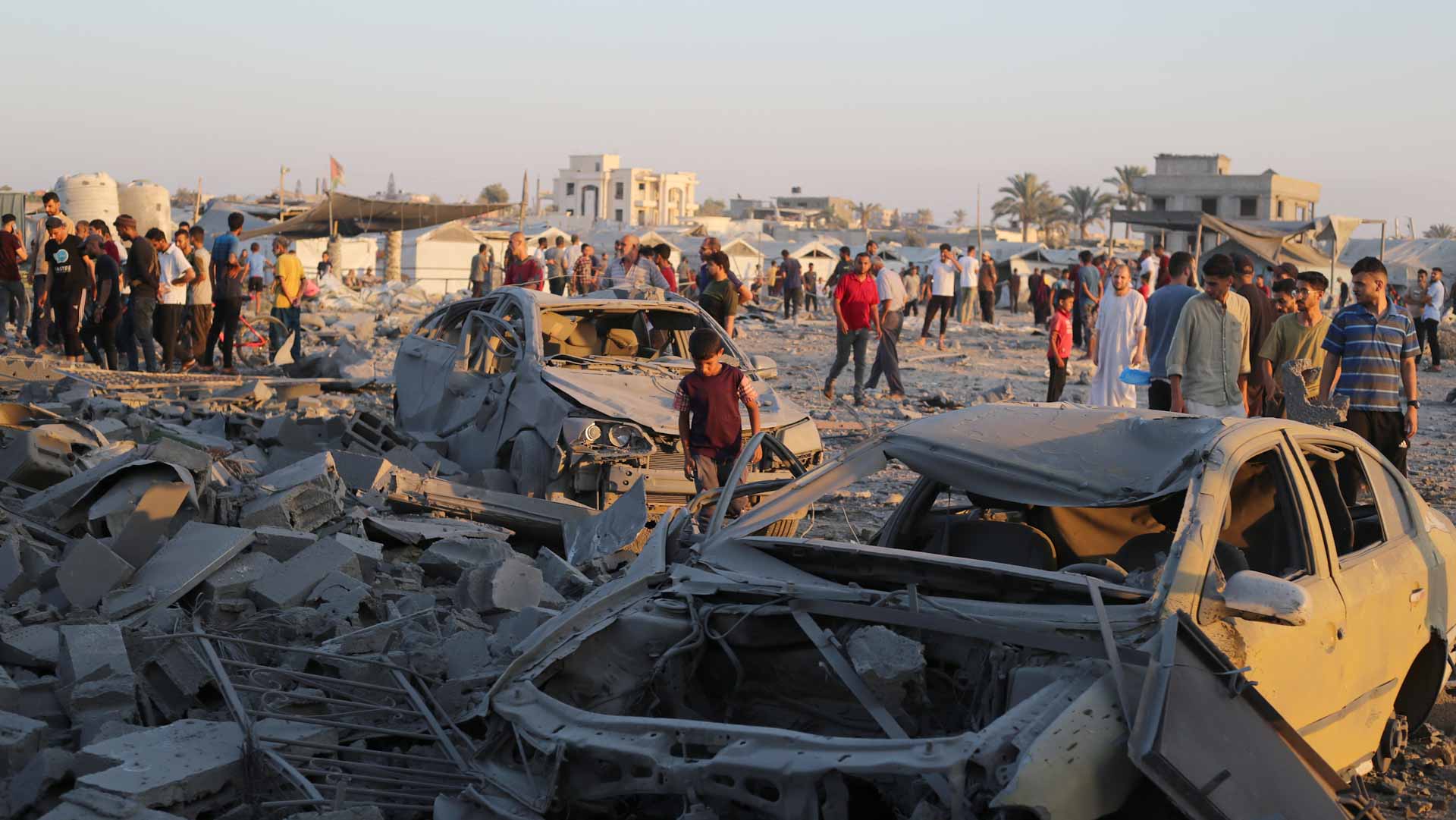
The Board follows a ceasefire negotiated by the Trump administration, Qatar, and Egypt in October to end two years of conflict in Gaza. The plan’s next phase aims for the disarmament of Hamas, whose October 7, 2023, attack on Israel sparked the latest military offensive.
Morocco pledged police and officers to the nascent International Stabilisation Force, marking a first for an Arab country. The American commander, Major General Jasper Jeffers, confirmed troop contributions from Albania, Indonesia, Kazakhstan, and Kosovo, with an Indonesian officer appointed as his deputy. Indonesia plans to send 8,000 troops, nearly half of the 20,000 requested.
Nickolay Mladenov, appointed US high representative for Gaza, announced recruitment for a post-Hamas police force, reporting 2,000 applicants within hours. Despite the truce, Gaza’s health ministry says at least 601 people have been killed by Israeli forces since its implementation. Israel’s Foreign Minister Gideon Saar emphasised the need for Hamas disarmament and a “fundamental deradicalisation process” in Gaza.
Trump’s broader agenda and criticism
In a wide-ranging speech, Trump attacked domestic opponents, highlighted stock market performance, denied personal allegations, and endorsed populist leaders including Hungary’s Viktor Orbán and Argentina’s Javier Milei. He also warned Iran of potential US military action within ten days unless significant concessions are made regarding its nuclear programme.
Critics argue that the Board of Peace lacks clarity, particularly regarding its relationship with established institutions like the United Nations, which Trump has cut support to. Bruce Jones of the Brookings Institution described the initiative as “a confused mix of ambition and narcissism, unleavened by any effort at intellectual coherence.”
Albanian Prime Minister Edi Rama, a US ally, dismissed concerns that Trump aims to replace the UN, stating that if the initiative prompts reform or action, “then God bless the Board of Peace.”

 For an optimal experience, please
rotate your device to portrait mode.