
Loading...
Loading...

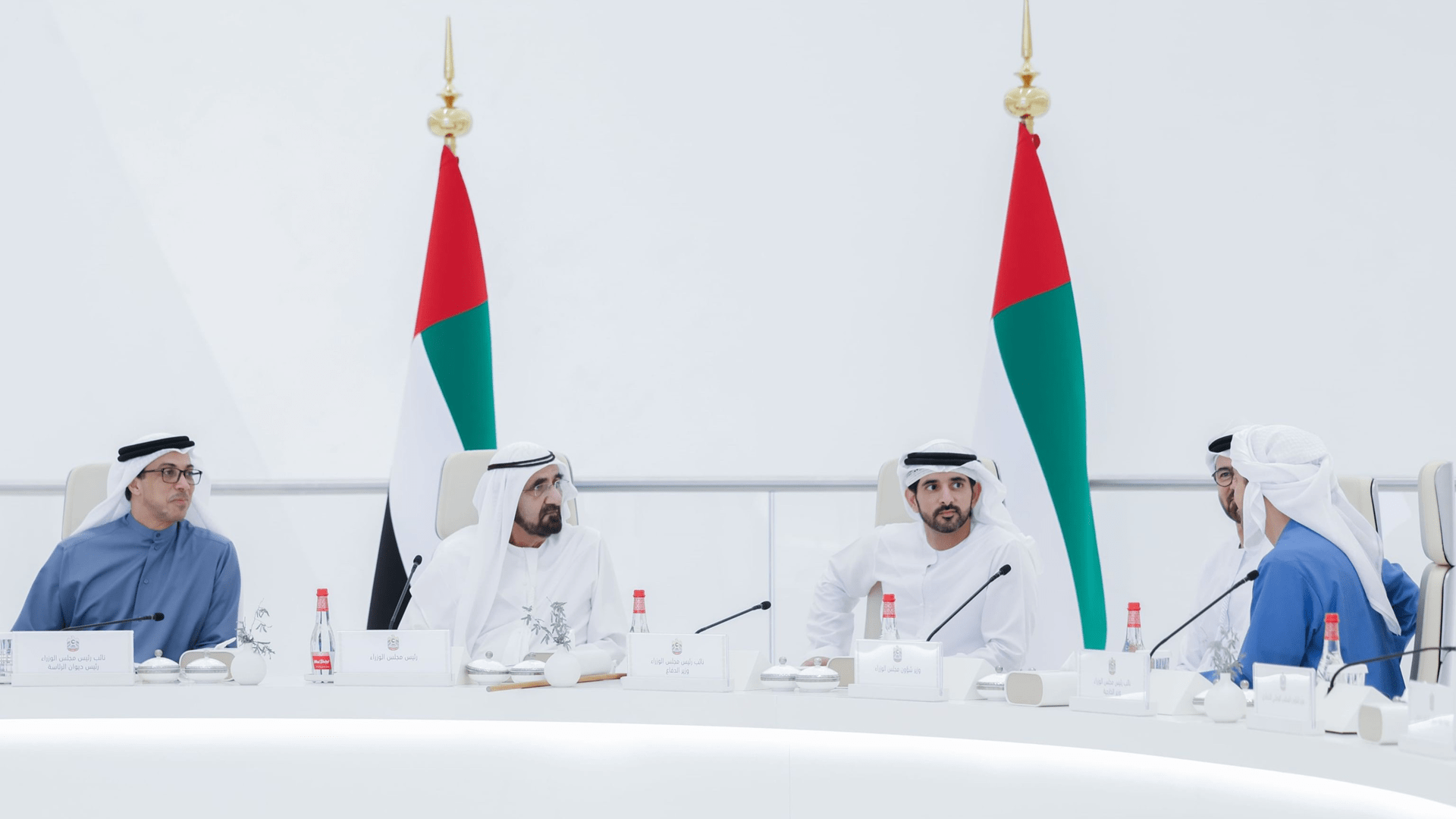
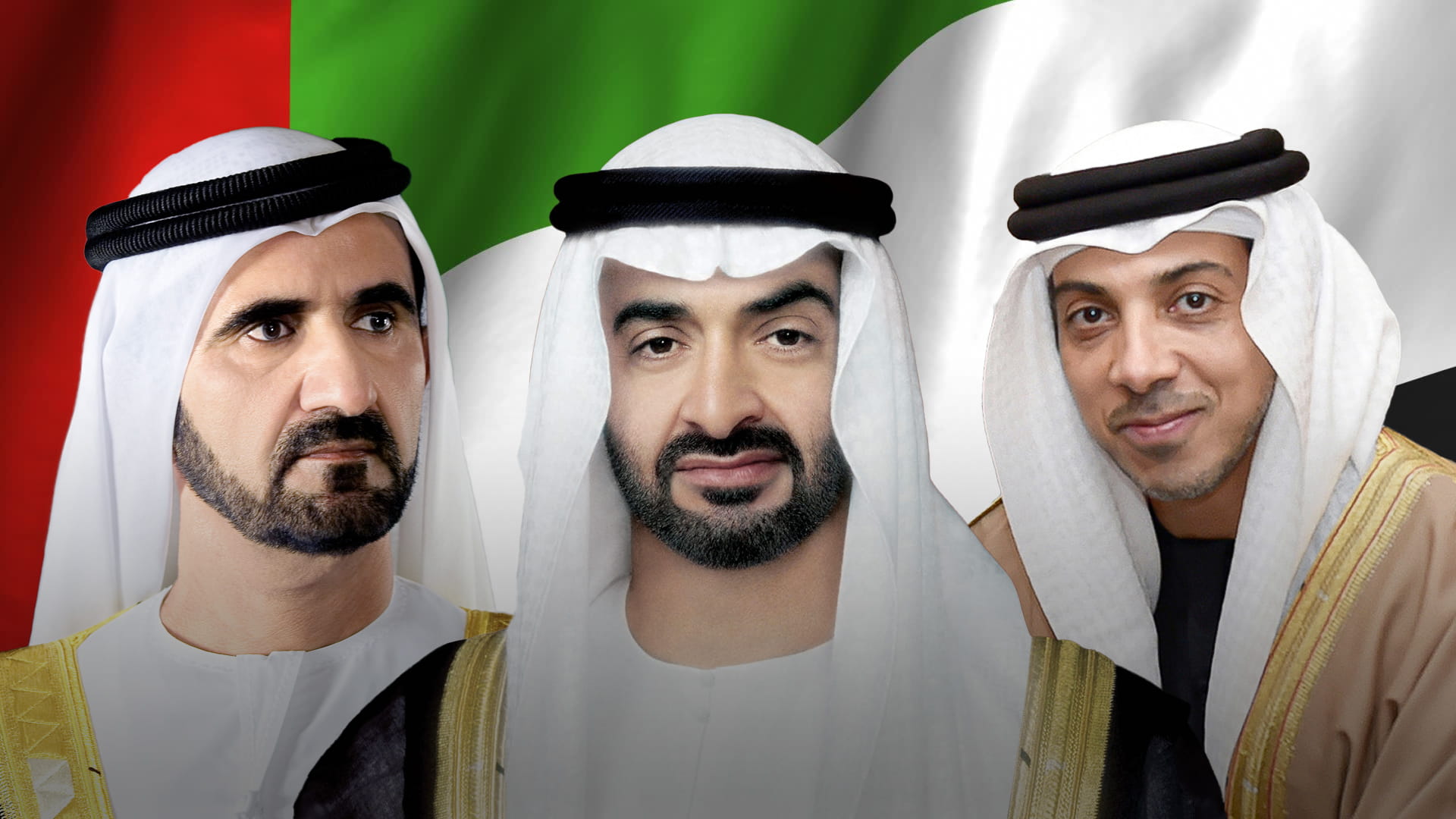
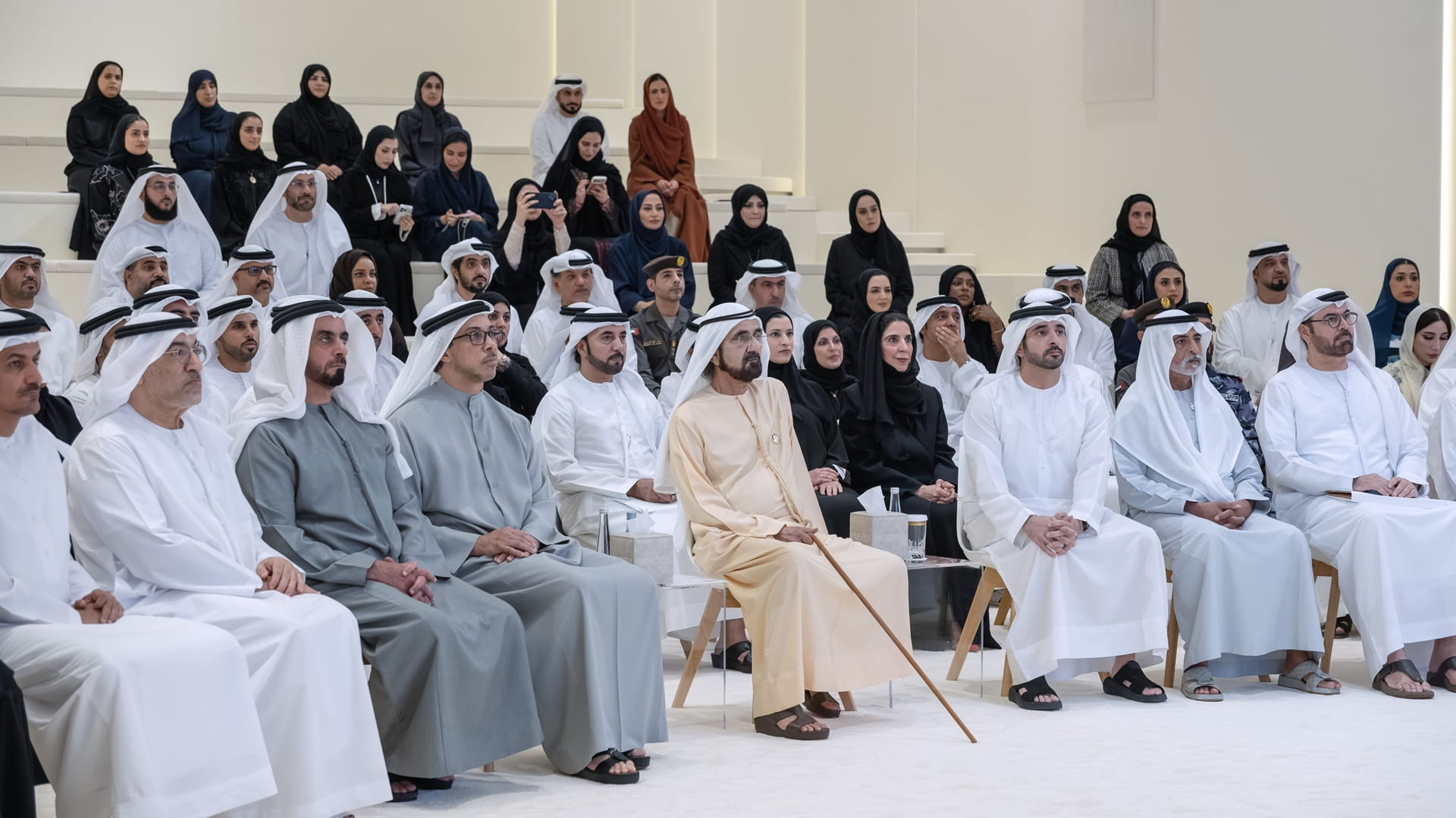
The meeting was attended by His Highness Sheikh Mansour bin Zayed Al Nahyan, Vice President, Deputy Prime Minister, and Chairman of the Presidential Court; His Highness Sheikh Hamdan bin Mohammed bin Rashid Al Maktoum, Crown Prince of Dubai, Deputy Prime Minister and Minister of Defence; His Highness Sheikh Maktoum bin Mohammed bin Rashid Al Maktoum, First Deputy Ruler of Dubai, Deputy Prime Minister, and Minister of Finance; His Highness Sheikh Lt. General Sheikh Saif bin Zayed Al Nahyan, Deputy Prime Minister, and Minister of the Interior, and His Highness Sheikh Abdullah bin Zayed Al Nahyan, Deputy Prime Minister and Minister of Foreign Affairs.
The Cabinet commended the UAE Armed Forces' strong defence spirit, the unwavering national pride of the People of the UAE—including both citizens and residents—and the exceptional sense of responsibility demonstrated by all work teams across the country.
The Cabinet affirmed that all sectors and work teams are operating in line with the President’s vision to safeguard national achievements and maintain a high level of readiness, ensuring that the UAE remains stronger during current developments and more agile in restoring all sectors to normal operations.
The Cabinet expressed its pride in all aspects of the nation, including societal, media, cultural, and economic sectors, during this critical period the country is facing. It emphasised the importance of increasing efforts and uniting energies to work towards a stronger, higher, and more advanced future.
The Cabinet further confirmed that global confidence in the UAE and its development model is deeply rooted, built over decades of achievements, years of sustained commitment, and strong, lasting partnerships with countries, international organisations, and global economic and financial institutions.
His Highness Sheikh Mohammed bin Rashid Al Maktoum stated: “I chaired today the Cabinet’s meeting during which we praised the heroic defence spirit of our Armed Forces, the robust national spirit demonstrated by both citizens and residents of the UAE, and the outstanding sense of responsibility proven by all work teams across the UAE.
His Highness Mohammed bin Rashid stated: “Under the leadership of Sheikh Mohamed bin Zayed… our institutions continue to operate efficiently… our Armed Forces maintain full professionalism… and our private sector is rising to the challenge… We remain committed to what the President of the UAE has promised the world… that the UAE will safeguard its achievements… and that we will emerge stronger.”
His Highness Sheikh Mohammed added: “Today, we approved the UAE Space Strategy for the next five years … a sector valued at over AED 44 billion … with more than 170 national, scientific, and economic entities… We have developed and launched 30 satellites … we have an Emirati astronauts programme … a scientific mission to Mars … and a new mission to Venus and the asteroid belt … And we will continue, God willing, to be among the top 10 countries globally in this field within the next five years.”
His Highness said: “We also approved today more than 120 international agreements and MoUs across energy, investment, economic, diplomatic, and humanitarian fields… Our global partnerships continue to grow… our international presence expands every day… And our network of international relations, built over decades, remains strong.”
His Highness added: “Today, we also approved the UAE Integrative Medicine Strategy … to develop a comprehensive healthcare system that balances traditional and modern medicine… We approved multiple new international partnerships in advanced technology and innovation.”
Sheikh Mohammed bin Rashid stated: “The success of the UAE is built on constants that have not changed … and will not change… Advanced infrastructure… a strong legislative framework … one of the best quality of life standards globally … and a government committed to comprehensive development for its people and all residents on its land… Our foundations remain firm … our journey continues … and we will return stronger, after these exceptional circumstances.”
During the meeting, the Cabinet approved the National Space Strategy 2031, reinforcing the UAE’s position as a global hub for innovation and investment in accordance with the visions: the UAE Centennial 2071 and We the UAE 2031, while promoting economic diversification and growth.
The strategy creates a flexible and dependable investment environment, facilitates high-impact partnerships, broadens access to global markets, and enhances national space companies.
It is built on three objectives: enhancing investment attractiveness, attaining global leadership in partnerships and market access, and developing competitive space infrastructure.
Key targets include doubling space economy revenues, ranking among the top 10 global space economies by 2031, increasing economic value added, doubling national space companies, doubling export markets, doubling infrastructure investments, and doubling UAE-based space startups.
The Cabinet approved the National Integrative Medicine Strategy, aiming to establish the UAE as a global reference point through a balanced healthcare system that combines modern, traditional, and complementary medicine, supported by evidence-based practices, research, innovation, talent development, and international collaboration.
The strategy is founded on seven pillars: governance, service integration, insurance coverage, education and capacity building, research and innovation, growth and collaboration, and community awareness.
It includes 16 initiatives, such as establishing a governance framework, updating legislation, adopting national clinical guidelines and treatment pathways, expanding insurance coverage, integrating continuing medical education as a requirement for practice, and establishing a professional association for integrative medicine.
The Cabinet approved the National Healthy Nutrition Strategy 2031 during this meeting to promote healthier lifestyles, strengthen preventive nutrition, and improve regulatory frameworks supported by integrated data.
The strategy concentrates on promoting healthy food choices, increasing awareness, and strengthening institutional capacity. It comprises 16 initiatives, including banning partially hydrogenated oils, regulating the marketing of unhealthy food and beverages, developing a digital nutrition guide, and establishing a national nutrition monitoring system.
It aims to ensure access to healthy and sustainable food systems for everyone, improve nutrition across all age groups, lower diabetes and obesity rates among adults, limit obesity among school-aged children and adolescents, and decrease overweight rates among children under five.
The UAE Cabinet has approved the reorganisation of the Emirates Genome Council, chaired by H.H. Sheikh Khaled bin Mohamed bin Zayed Al Nahyan, Crown Prince of Abu Dhabi and Chairman of the Abu Dhabi Executive Council.
The Council comprises Mohammad Al Gergawi, Minister of Cabinet Affairs; Ahmed bin Ali Al Sayegh, Minister of Health and Prevention; Omar Sultan Al Olama, Minister of State for Artificial Intelligence, Digital Economy and Remote Work Applications; Saeed Mubarak Al Hajeri, Minister of State and Chairman of the Board of Directors of the Emirates Drug Establishment; Mansoor Ibrahim Al Mansoori, Chairman of the Department of Health Abu Dhabi, who serves as Secretary General of the Council; Dr Yousif Mohamed Al Serkal, Director General of Emirates Health Services; Dr Noura Khamis Al Ghaithi, Undersecretary of the Department of Health Abu Dhabi; Dr Alawi Alsheikh Ali, Director General of Dubai Health Authority; Dr Amer Ahmad Sharif, Chief Executive Officer of Dubai Health; and Professor Eric Xing, President of Mohamed bin Zayed University of Artificial Intelligence.
The Council will oversee the governance of the UAE’s genome sector, including the development of national policies, legislation, strategies, and regulatory and ethical frameworks. It will also promote national initiatives in genomics and precision medicine, guide preventive and proactive programmes, establish research and innovation priorities, supervise the development of a unified genomic data governance framework, enhance national capabilities, and attract global expertise.
The Cabinet also approved the reorganisation of the National Committee for Sustainable Development Goals, chaired by the Director General of the Federal Competitiveness and Statistics Centre, with members representing the Ministry of Health and Prevention, Ministry of Education, Ministry of Climate Change and Environment, Ministry of Foreign Affairs, Ministry of Interior, Ministry of Energy and Infrastructure, Ministry of Economy and Tourism, and other relevant entities.
The Cabinet also approved the reconstitution of the Emirates Food Security Council, chaired by the Minister of Climate Change and Environment, with members from the Ministry of Foreign Affairs, Ministry of Health and Prevention, Ministry of Energy and Infrastructure, Ministry of Industry and Advanced Technology, Ministry of Economy and Tourism, Ministry of Foreign Trade, Ministry of Investment, the National Emergency Crisis and Disaster Management Authority, the Federal Authority for Identity, Citizenship, Customs and Ports Security, the Federal Competitiveness and Statistics Centre, representatives from local governments, and other relevant entities.
The Cabinet also approved the reconstitution of the National Committee for Civil Aviation Security and Facilitation, chaired by the Chairman of the Board of Directors of the General Civil Aviation Authority, with members including the Commander of the National Guard, the Commander-in-Chief of Dubai Police, the Director General of the State Security Agency, the Undersecretary of the Ministry of Interior, the Director General of the General Civil Aviation Authority, the Commander of the Air Force and Air Defence, the Director General of Ports Security at the Federal Authority for Identity, Citizenship, Customs and Ports Security, and the Assistant Director General for Aviation Security Affairs Sector at the General Civil Aviation Authority.
The Cabinet reviewed the achievements of the Community Empowerment Sector for 2025, including updated legislation, the launch of an AED 100 million Public Non-Profit Organisations Empowerment Fund, more than 800 public benefit organisations with over 160,000 members, a 45% increase in access to programmes, and a 34% rise in inflation allowance coverage.
More than 3,800 beneficiaries were employed and transitioned beyond social support, over 1,000 national projects were incubated, and Emirati families generated more than AED 100 million in returns through programmes encouraging Emirati families’ home-based businesses.
The Cabinet reviewed updates on labour market developments in 2025, which included a comprehensive social protection system with 99% enrolment in the Wage Protection System, 83% coverage under unemployment insurance, 99% compliance with heat stress policies, 99% registration in workers’ protection insurance, and the adoption of four savings funds to invest and grow the end-of-service benefits.
Between 2021 and 2025, the UAE experienced a 45.76% increase in companies, a 101.76% rise in workforce, a 49.92% growth in skilled workers, and a 101.92% increase in female participation. It ranked first globally in employment growth, specialised talent availability, minimising labour disputes, and workforce expansion.
In relation to Emiratization efforts in 2025, a total of 1,130 UAE nationals were employed in banking, 670 in insurance, 562 in exchange, and 284 in insurance-related professions.
The Cabinet reviewed developments in the UAE Strategy for Islamic Finance and Halal Industry 2025, including unifying standards for Islamic banking and sukuk, launching “Fractional Bonds” (Fractional Sukuk), regulating Sharia-compliant digital assets, developing national reference frameworks, and building a central digital infrastructure and blockchain platform for Islamic financial instruments.
The strategy aims to grow Islamic finance assets and funds, improve the UAE’s global standings, boost halal exports and re-exports, and increase cash waqf assets.
The Cabinet reviewed the achievements of the Sheikh Zayed Housing Programme for Q1 2026, including 759 housing approvals exceeding AED 616 million. These comprise 129 housing grants valued at AED 102.9 million, 583 housing loans and financing solutions worth AED 460.5 million, and 47 loans for governmental housing within housing complexes valued at AED 53.2 million.
Since 1999, the programme has issued over 73,000 housing support decisions totaling more than AED 50 billion, providing integrated housing solutions that improve family stability and quality of life.
The Cabinet also reviewed the achievements of the Federal Authority for Identity, Citizenship, Customs and Ports Security, the Public Education Sector, and the Climate Change and Environment Sector.
The Cabinet also reviewed the National Framework for Sustainable Fisheries, including regulatory measures to protect marine ecosystems and programmes that deployed 19,458 artificial reefs, installed 66,173 climate-resilient coral units by 2025, and planted more than 52 million mangrove trees by 2024, alongside new mechanisms for fish stock management and data collection.
The Cabinet further reviewed updates on the implementation of various national policies and strategies, including Improving women’s health, health risks prevention, healthy lifestyles, economic clusters, digital accessibility, chemicals management, biosecurity, labour market compliance, and the National Strategy for Cultural and Creative Industries 2031.
It also reviewed reports from various national councils and committees, including the Emirates Research and Development Council, Emirates Environmental and Municipal Work Council, Health Council, National Competitiveness Committee, National Committee for Sustainable Development Goals, UAE National Committee to the World Energy Council, Permanent Committee for Agreements, Economic Integration Committee, Sustainable and Low Carbon Aviation Fuel Committee, National Committee for Combating Human Trafficking, and Government Financial Policy Coordination Council.
The Cabinet also reviewed reports on the performance of various federal boards, including Emirates Investment Authority, Emirates Food Security Council, UAE Space Agency, Capital Market Authority, Emirates Logistics Integration Council, and the Sports Coordination Council, and approved the seventh national biodiversity report under the United Nations Convention on Biological Diversity.
The Cabinet approved the ratification and signing of 120 international agreements and MoUs, including Comprehensive Economic Partnership Agreements with Nigeria, the Philippines, the Democratic Republic of the Congo, Sierra Leone, and Gabon; investment agreements with Canada, Palau, Dominica, and Trinidad and Tobago; and approved the hosting in the UAE of major international conferences.
In legislative affairs, the Cabinet approved the issuance of Executive Regulations and Decisions related to sectors and matters including Endowment, the unified customs tariff, services of federal entities, legal metrology regulations, type approval systems for measuring instruments, and regulatory updates across taxation and other sectors.

 For an optimal experience, please
rotate your device to portrait mode.