Sharjah24 - WAM: The Council of the League of Arab States, at the level of Foreign Ministers, reaffirmed its strongest condemnation of Iran’s deliberate and unprovoked attacks against Jordan, the UAE, Bahrain, Saudi Arabia, Oman, Qatar, Kuwait, and Iraq.
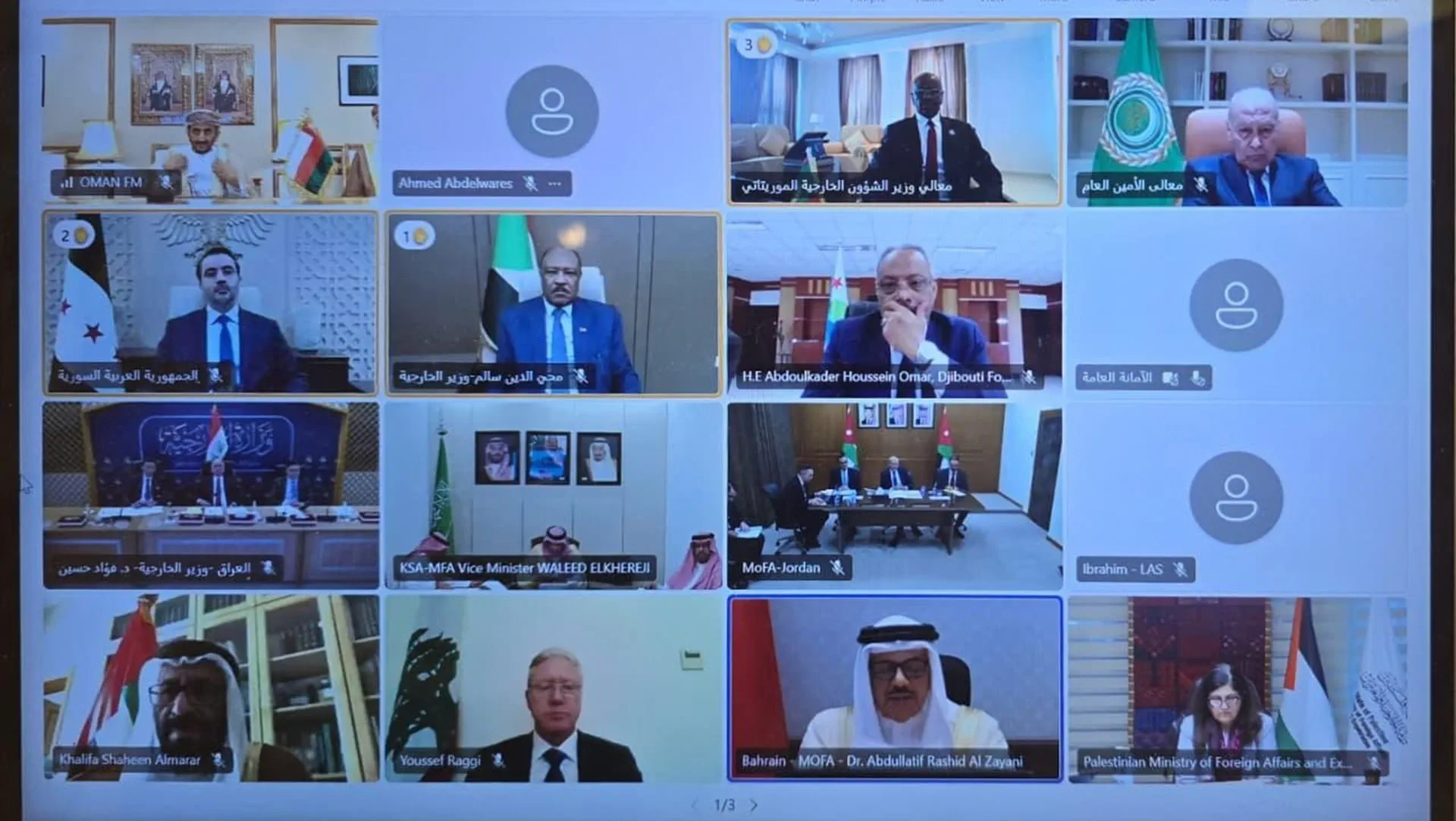
It stated that these strikes targeted residential areas, critical infrastructure, civilian sites, diplomatic missions, and hotels, representing a clear violation of sovereignty and a threat to security and civilian lives. The statement followed a meeting chaired by Bahrain’s Foreign Minister, Dr Abdullatif bin Rashid Al Zayani, during which the Council stressed the right of affected states to defend themselves individually or collectively.
The Council expressed full solidarity with the targeted countries, affirming that Arab national security is indivisible, and supported all measures taken to protect their territories and citizens. It also voiced confidence in their ability to repel attacks and praised the readiness of their armed forces and air defence systems.
It emphasised that such attacks cannot be justified under any circumstances, warning of long-term negative impacts on relations with Arab states not involved in the conflict. The Council noted that UN Security Council Resolution 2817 (2026) reflects global commitment to sovereignty and security, urging Iran to comply, halt all aggression, and avoid provocations, including through proxies.
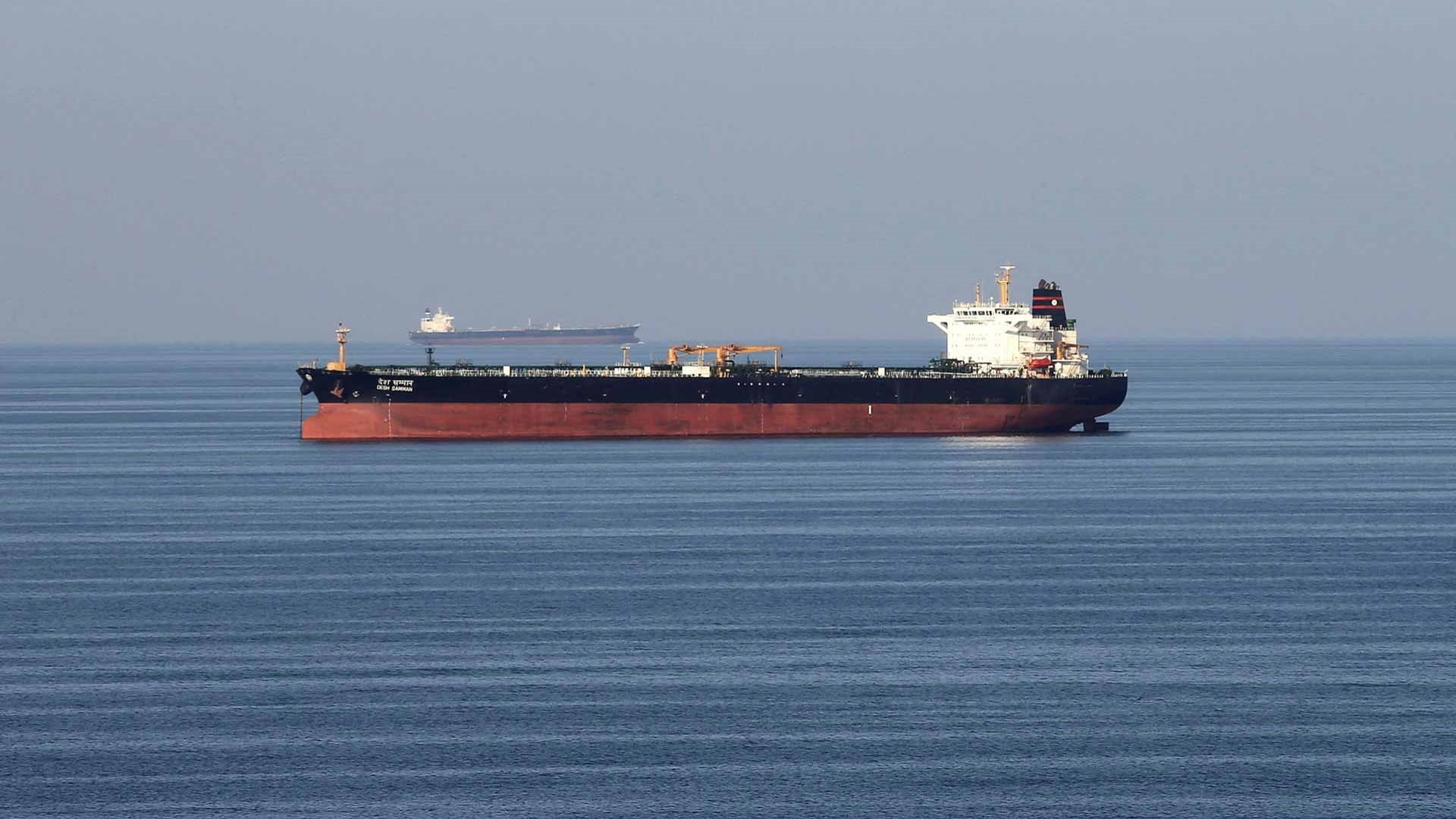
The Council condemned threats to maritime security, including attempts to disrupt navigation in the Strait of Hormuz and Bab al-Mandab, stressing the risks to global trade and energy supplies. It called on Iran to stop attacks on commercial vessels and respect international law, urging the international community to ensure safe passage.
It also welcomed a UN Human Rights Council resolution addressing the human rights impact of these attacks and demanded that Iran provide full compensation to victims.
Furthermore, the Council denounced Iran’s support for armed militias in Arab countries, describing it as a serious threat to regional stability. On Lebanon, it reaffirmed support for its sovereignty and called for full state control over all weapons, welcoming the Lebanese Cabinet’s decision to ban Hezbollah’s military activities and limit it to political engagement. It also urged international pressure on Israel to stop attacks on Lebanon and implement relevant resolutions.
Finally, the Council called on the international community to push Israel to end its occupation of Arab territories since 1967, support the two-state solution, and ensure the establishment of an independent Palestinian state with East Jerusalem as its capital. It stressed the need to preserve the status of Jerusalem’s holy sites, affirming that Al-Aqsa Mosque is exclusively a Muslim place of worship.




 For an optimal experience, please