
Loading...
Loading...

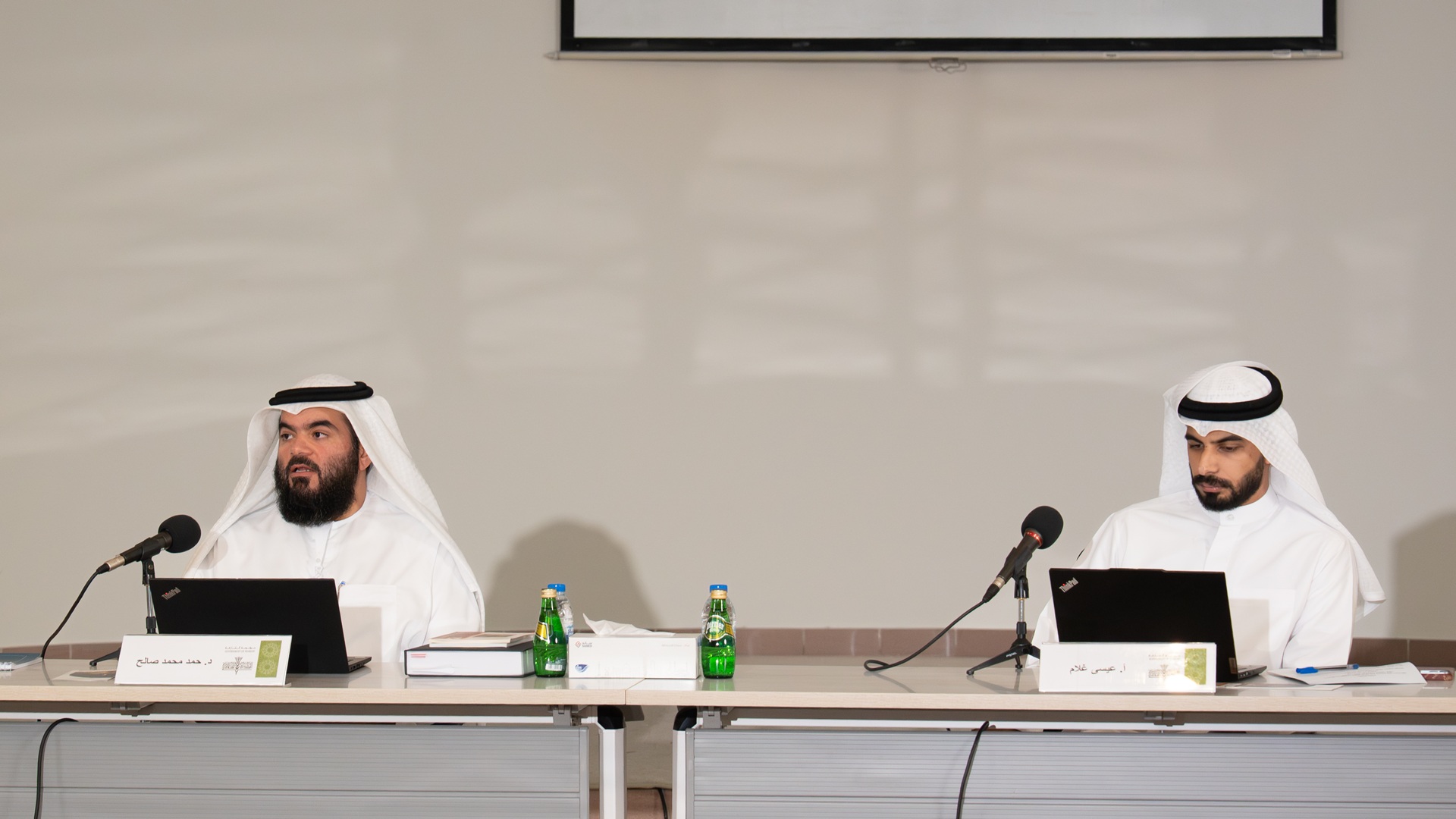
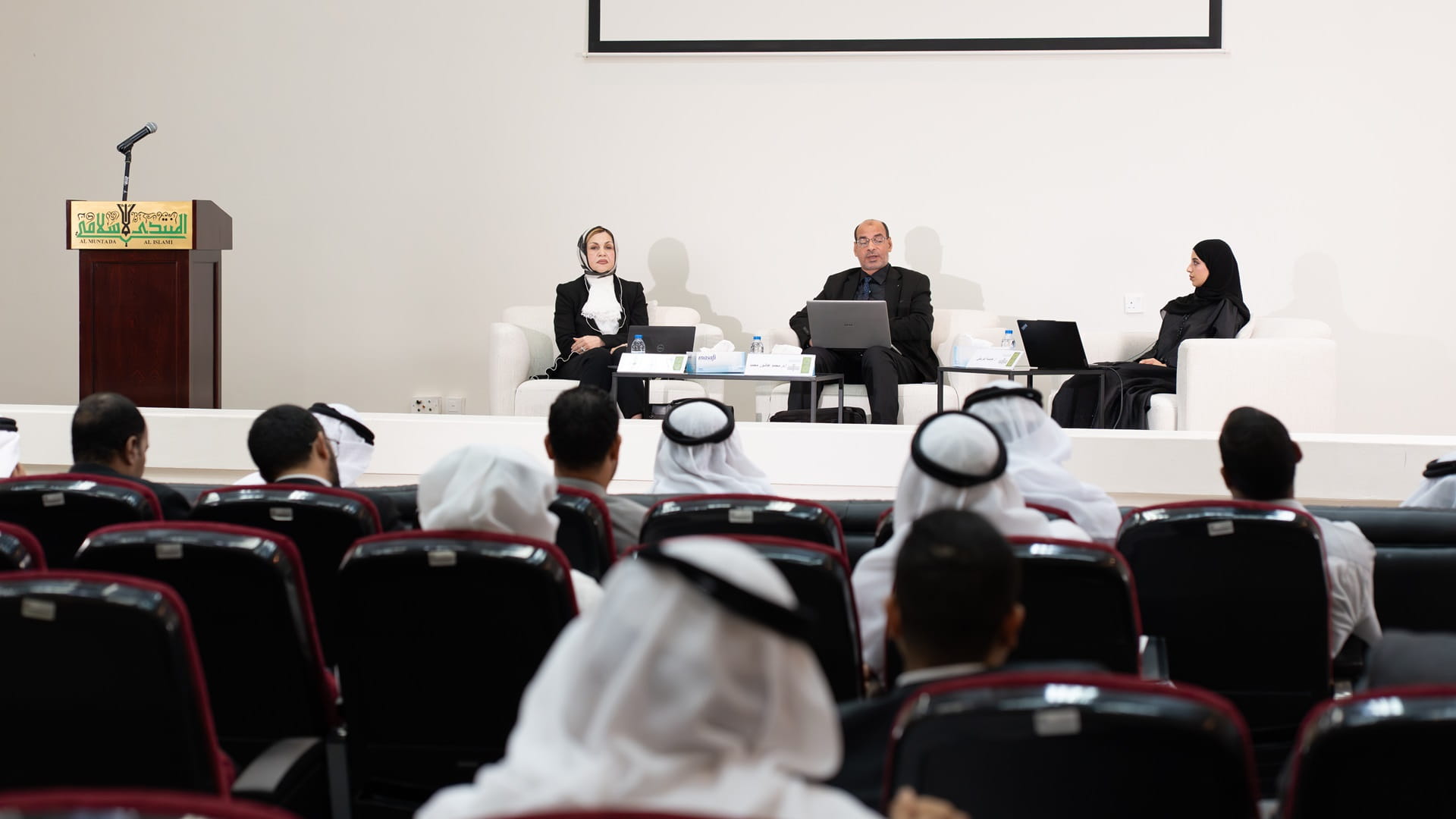
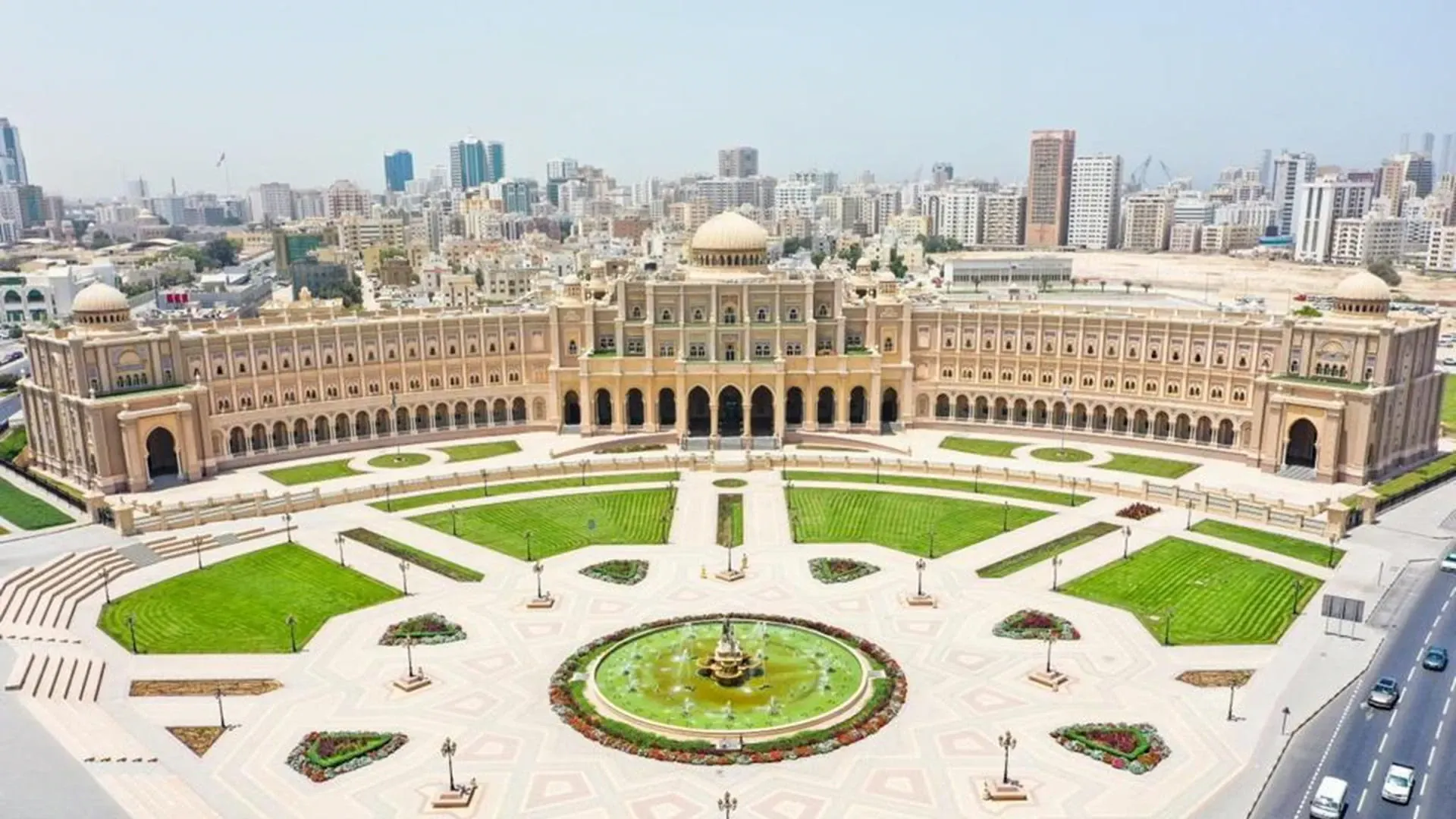
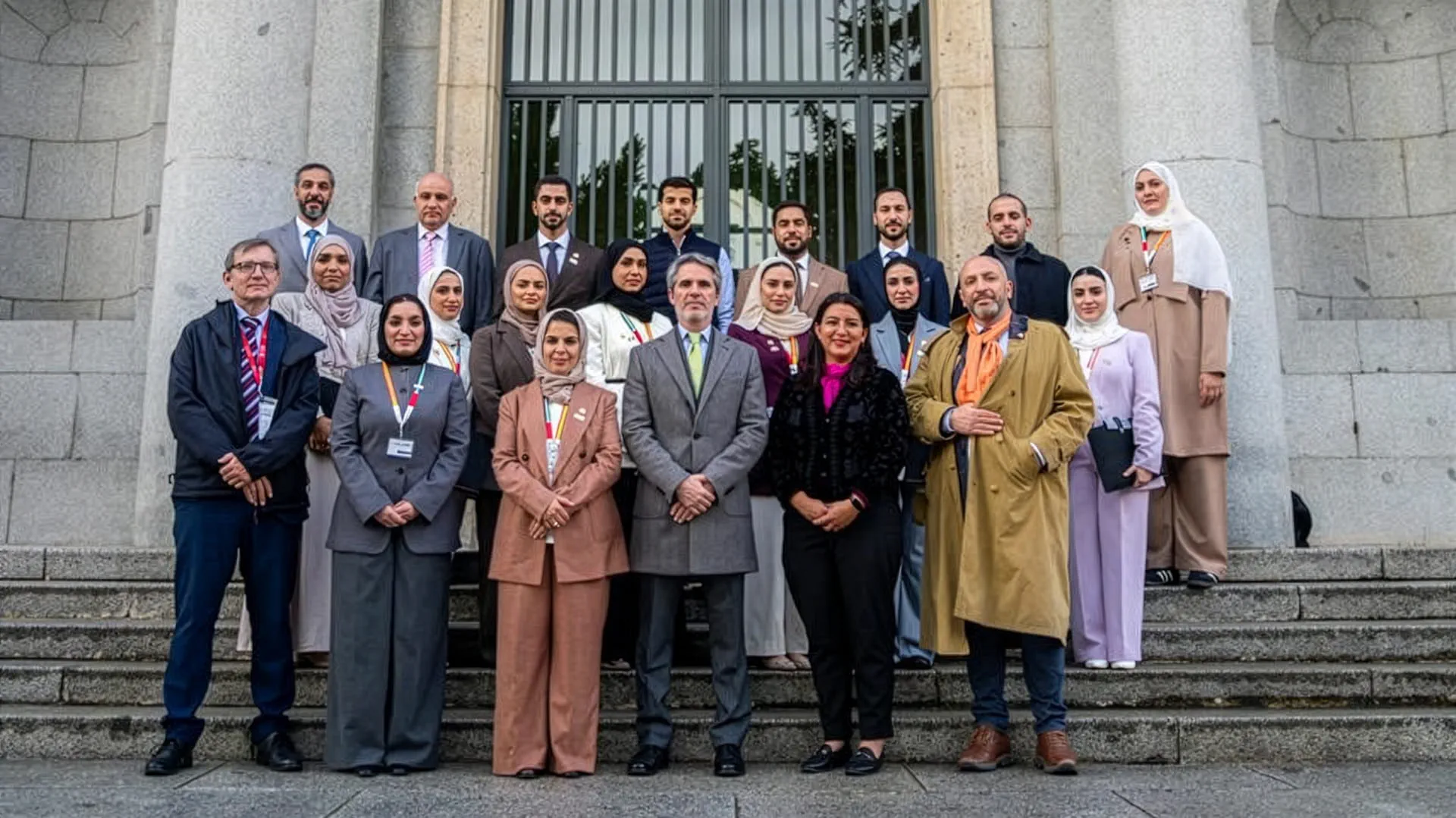
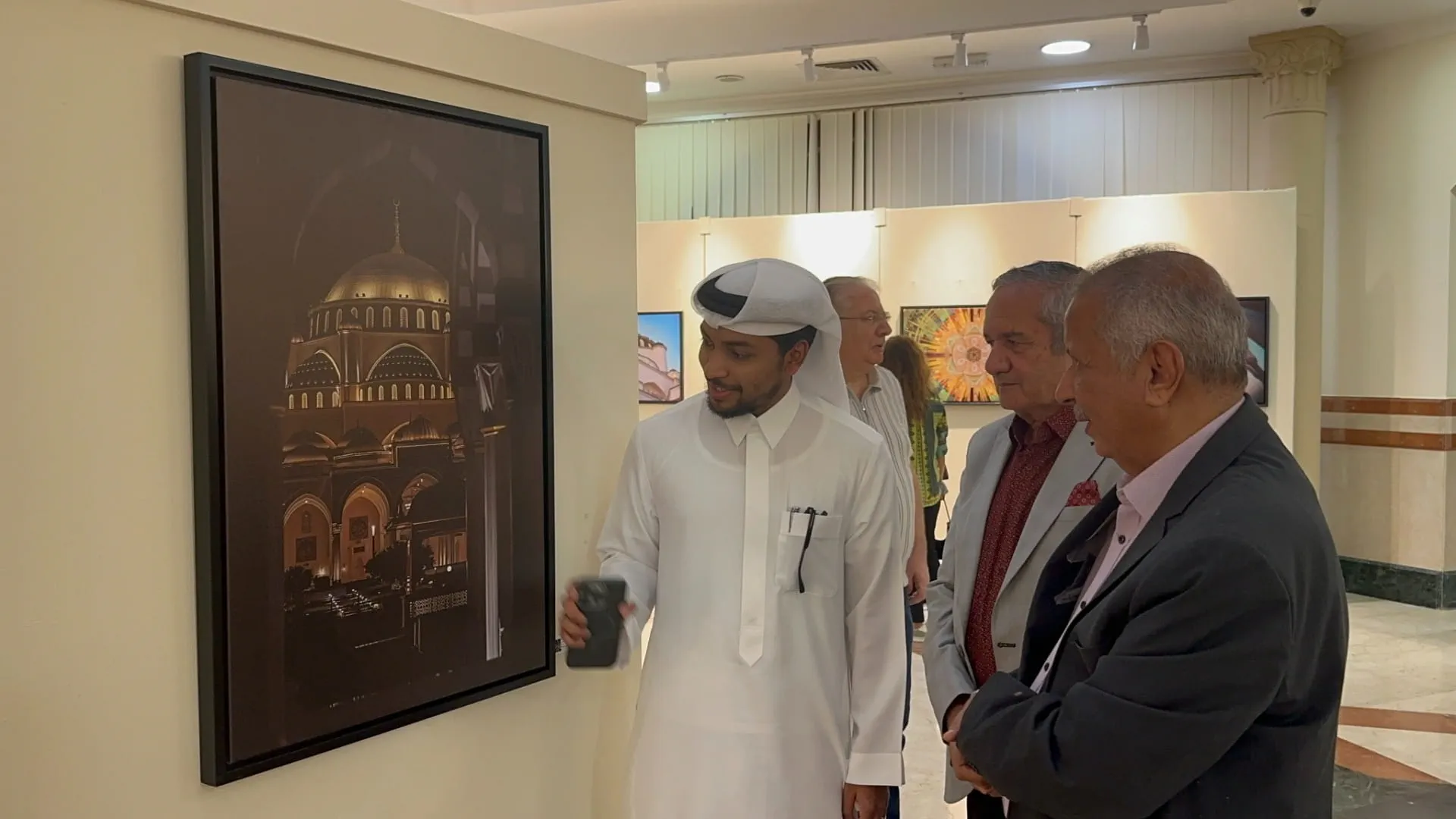
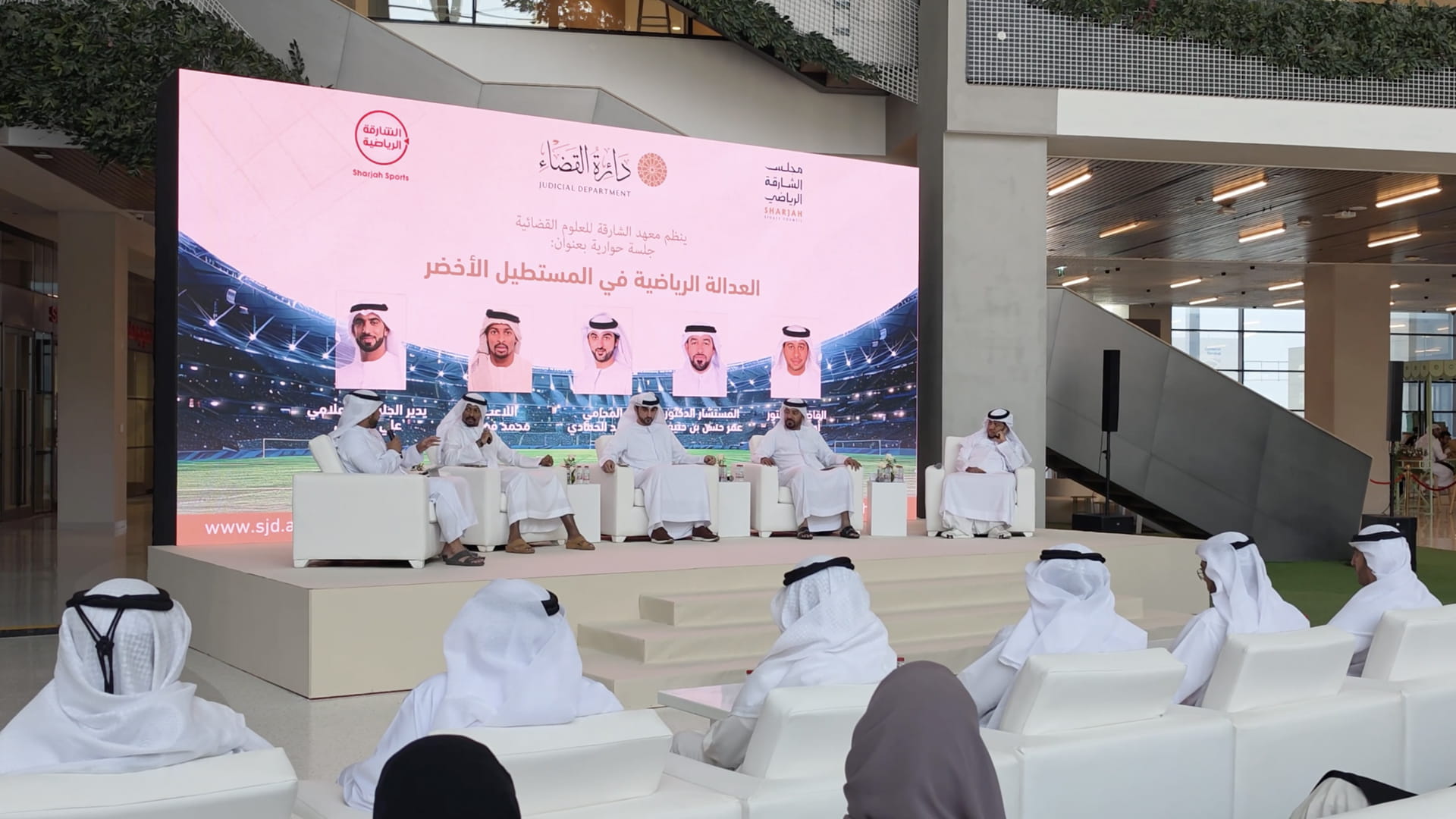
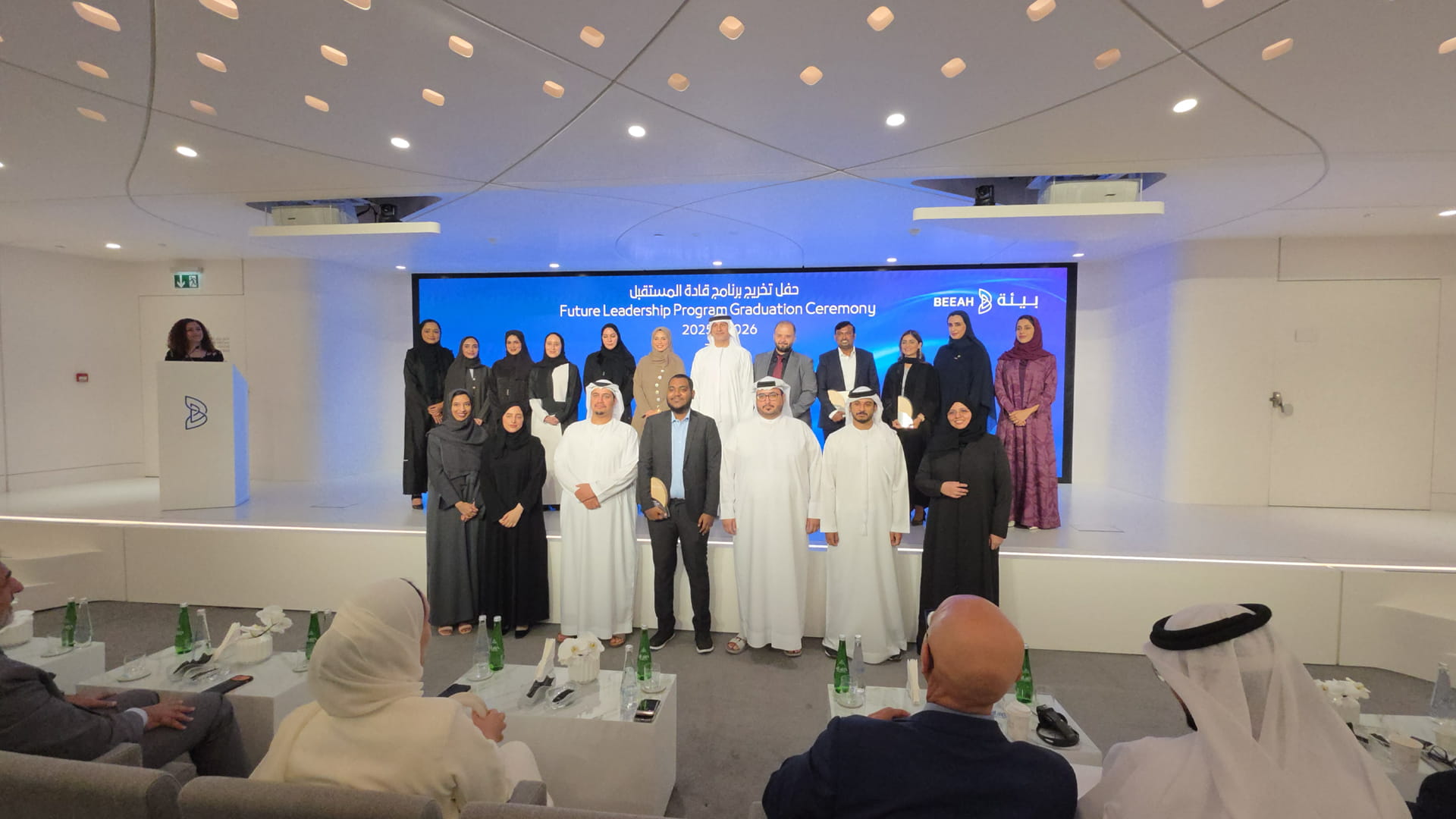
The event, held on Sunday at Al Muntada Al Islami’s headquarters, was attended by a select group of specialists and interested parties. A roundtable discussion was dedicated to one of the most intricate topics related to worship in the modern era: the Sharia and astronomical criteria for determining prayer times – using the UAE Hijri calendar as a model.
During the session, Dr Hamad Mohammed Saleh Al-Banna, Head of the Times and Crescent Sighting Department at the Dubai Department of Islamic Affairs, addressed precise scientific points concerning the accurate determination of prayer times in light of Sharia texts and modern astronomical standards. He highlighted the challenges that have arisen due to the proliferation of astronomical calculation methods and the development of technologies used in determining time, which has led to discrepancies in some practical applications, necessitating further research and scholarly grounding. Dr. Hamad also presented practical examples of how to determine prayer times, explaining the Sharia principles upon which they are based, alongside the astronomical criteria used to calculate cosmic phenomena related to the beginning of prayer times, such as dawn and twilight. This reinforces a precise understanding of the relationship between Islamic jurisprudence and astronomical observation.
In this context, the session highlighted the UAE's experience in unifying prayer time standards within its calendar. The Hijri calendar, as an advanced practical model resulting from meticulous field studies and continuous scientific observation, has contributed to achieving a high degree of accuracy and reliability, and has strengthened the unification of the time reference for religious observances at the national level.
During the Dialogue Forum, Al Muntada Al Islami reviewed the most prominent institutional efforts in this field, emphasising the importance of integrating Islamic and astronomical sciences to ensure the accuracy of prayer times and serve the community, especially in light of rapidly evolving technological challenges.
Organising the "Dialogue Forum 2" aims to present high-quality cultural programs that contribute to disseminating sound knowledge and promoting purposeful scientific dialogue, serving various segments of society and raising public awareness of contemporary issues.

 For an optimal experience, please
rotate your device to portrait mode.