
Loading...
Loading...

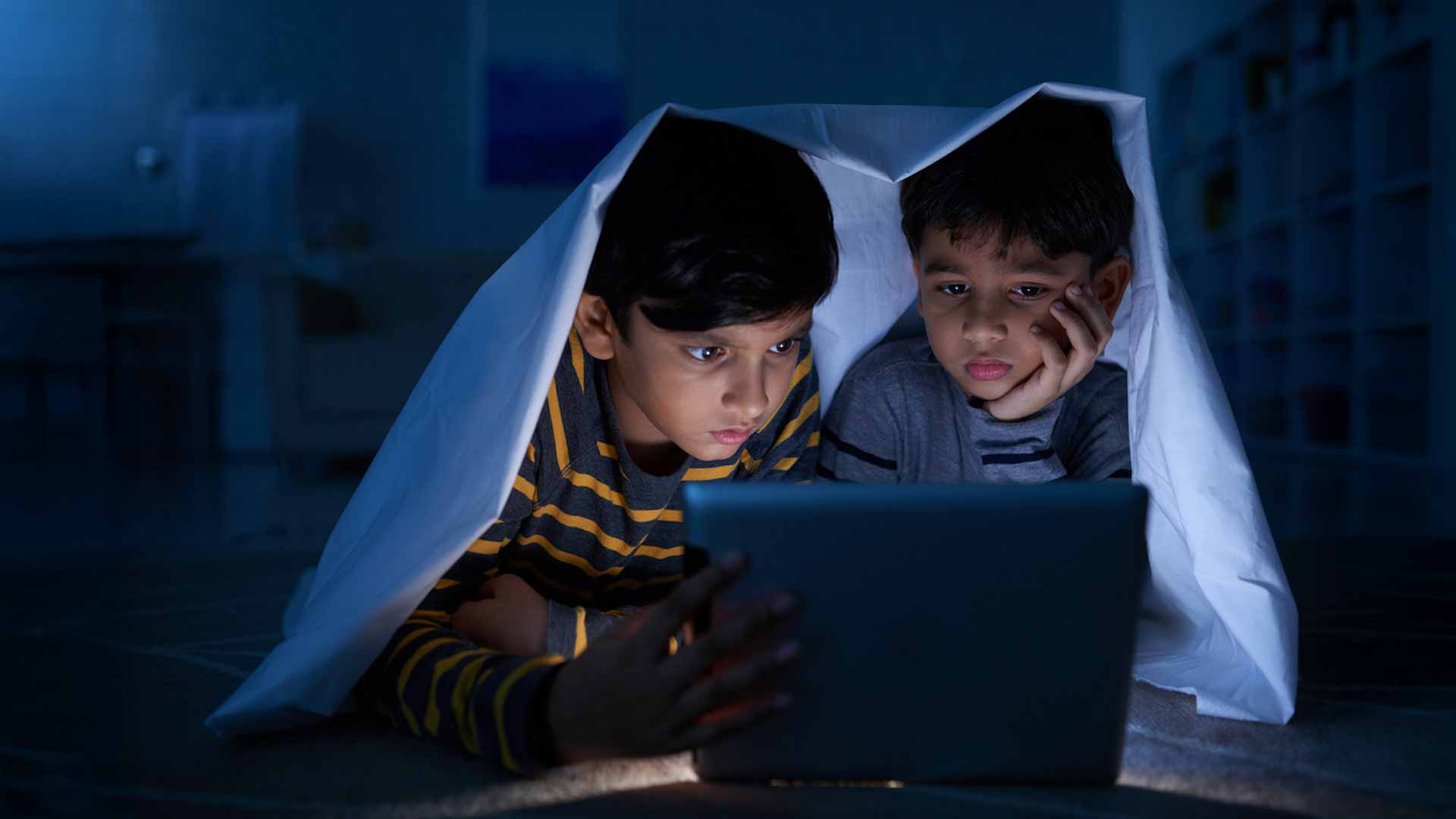
With less direct supervision and more time spent on devices, predators find new opportunities to target children. They use anonymity and rapid communication to approach and harm them. Data from the World Health Organization shows that one in every 13 children experiences some form of sexual violence during childhood.
The International Day for the Prevention of Child Sexual Exploitation, Abuse and Recovery is a reminder of the responsibility shared by families, communities and institutions. Children need protection from the visible forms of abuse that occur around them and also from the less obvious dangers that unfold quietly on digital platforms. Raising awareness, involving families and teaching children how to protect themselves online have become essential steps in ensuring that the internet supports learning and curiosity rather than exposing them to threats.
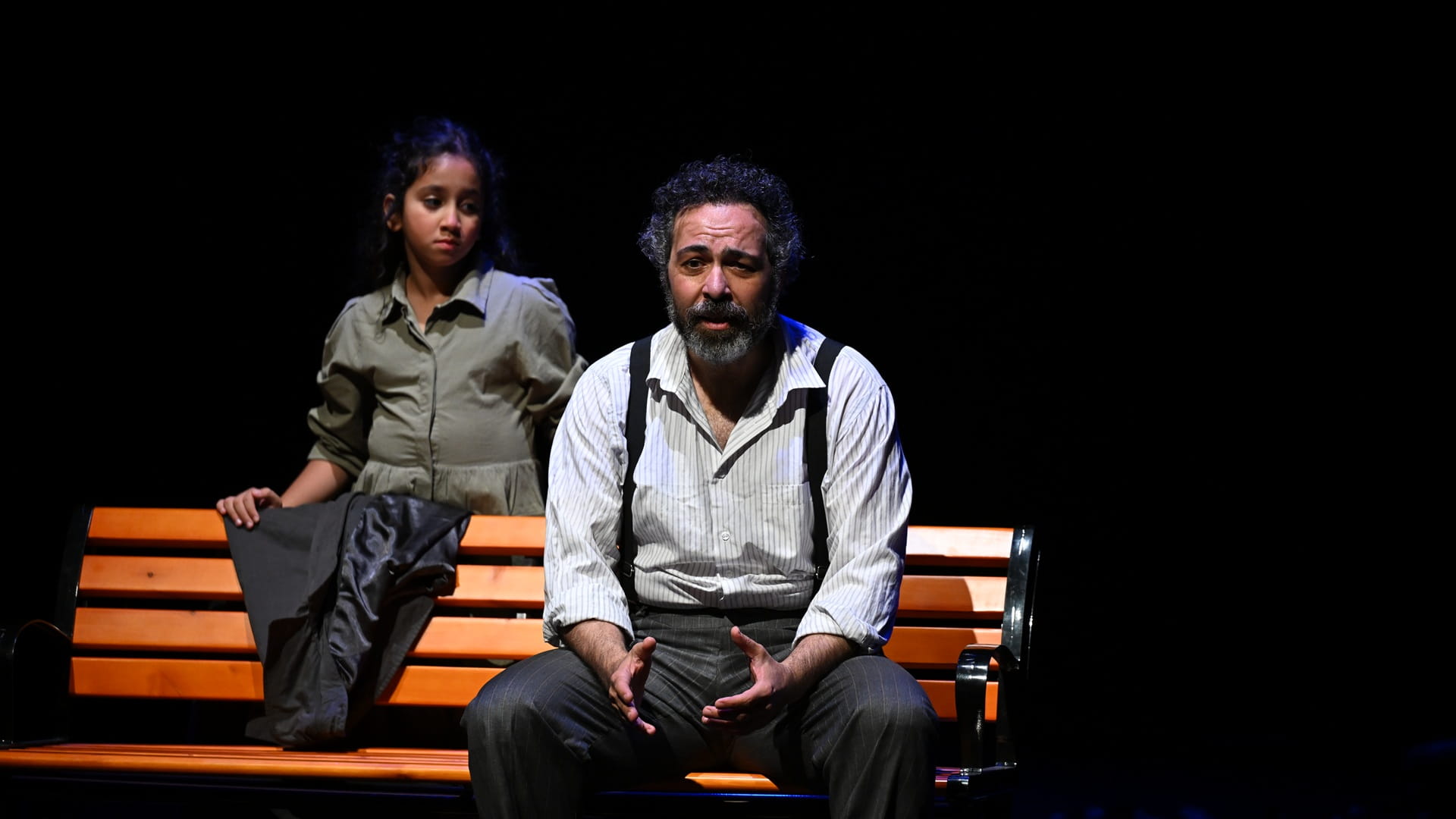
Ameena Al Refaei, Director of Kanaf Centre in Sharjah, explains that the digital world has become a space where offenders can reach children with alarming ease. She notes that many cases of abuse now begin online before moving into real life. She also warns that digital crimes create real psychological and physical harm, which can last for years if not addressed early.
Al Refaei says that Kanaf works to strengthen digital safety through preventive education. The centre focuses on teaching families and children the skills needed to recognise risks and act safely online. These programmes aim to build awareness that protects children from manipulation and exploitation.
She calls on families and schools to speak regularly with children about their online activities. She also encourages adults to watch for sudden behavioural changes that may indicate distress. She highlights the need for children to feel comfortable reporting anything that worries them. Trust forms the first line of protection. Safeguarding children starts at home and in schools and must be supported by institutions that work together to maintain safe digital spaces.
International reports reveal that online offenders often use gradual and calculated methods to gain a child’s trust. What looks like a harmless conversation about games or hobbies can develop over time into private requests. These may involve photos, hidden chats or downloading files. In some cases, offenders try to arrange in-person meetings after building a false sense of connection. The 2023 WeProtect Global Alliance report recorded an 87 per cent increase in child sexual exploitation material since 2019. The findings show a rapid rise in digital grooming and coercion.
The online world is vast and unregulated. It mixes learning with entertainment and places risk close to everyday activities. Kanaf continues to build a response system that focuses on prevention. The centre invests in awareness campaigns and community partnerships. The goal is to protect every child, support every family and intervene before harm occurs.

 For an optimal experience, please
rotate your device to portrait mode.