
Loading...
Loading...

Celebrating theatre legacies
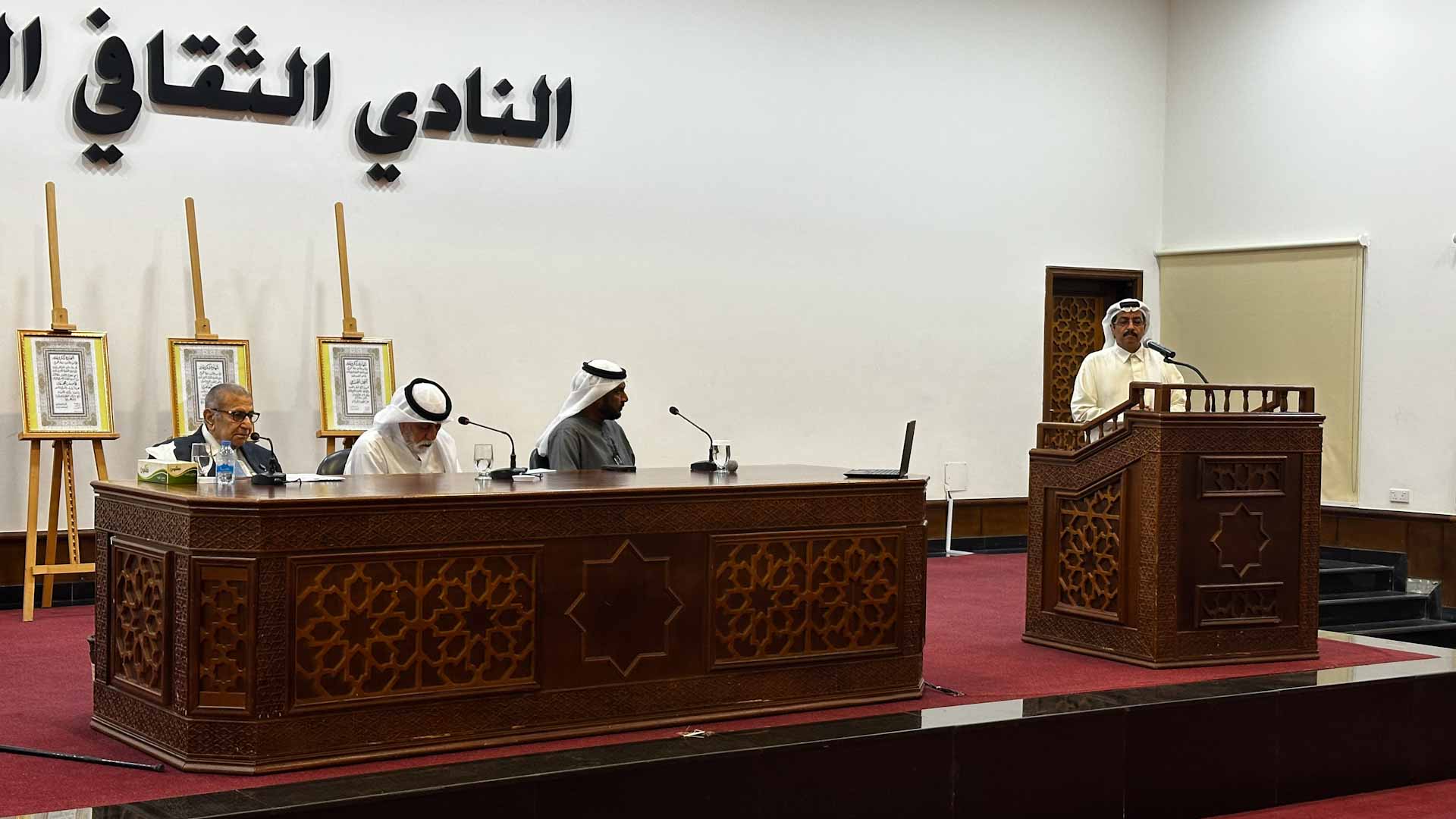
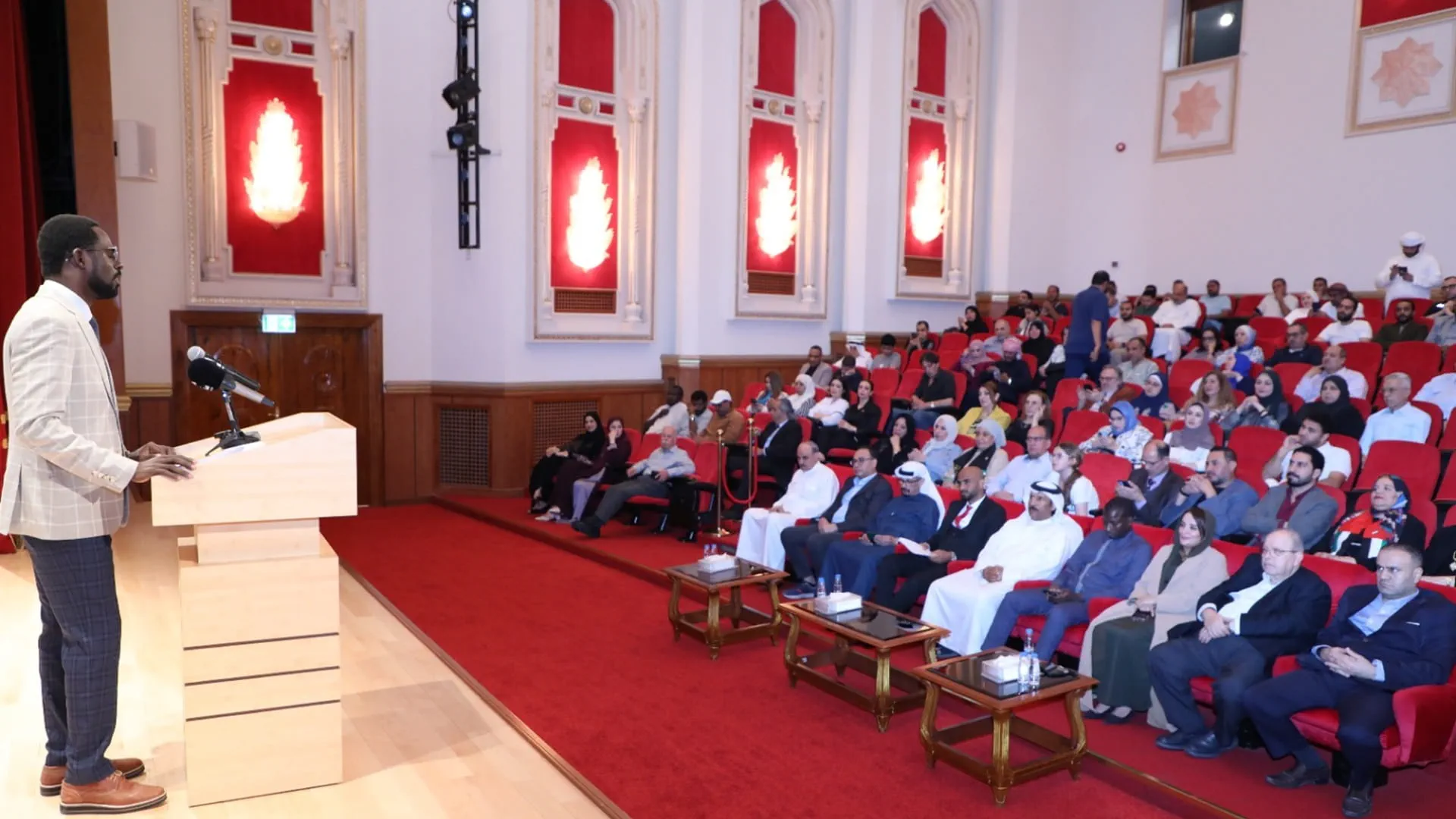
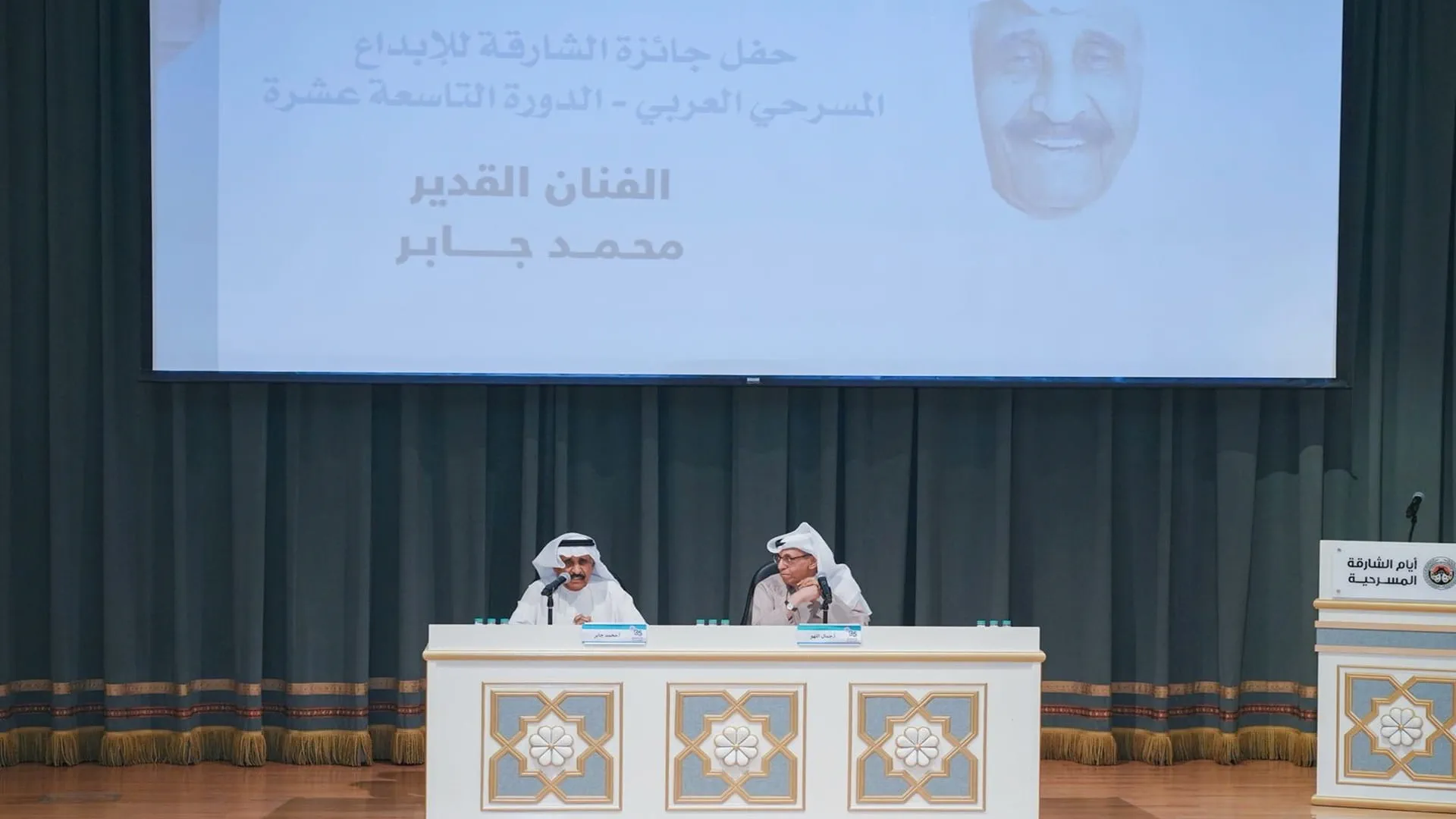
In her introduction, Tarmoush reflected on the emotional and artistic legacies of theatre. She praised Abdel Qader as a writer, director, and mentor whose career developed alongside Emirati theatre. She also recognised Qassim Mohammed as a pioneering director who brought his deep Iraqi theatrical heritage to the UAE, transforming local discourse and influencing generations.
Qassim Mohammed’s artistic journey
Abdel Qader highlighted Qassim Mohammed's early life and artistic evolution. Growing up in Baghdad during wartime and hearing stories from his father had a profound impact on him. Mohammed’s path took him from the Theatre Institute to a scholarship in the Soviet Union, followed by artistic experiences across Arab and international cities. Abdel Qader described him as a multidimensional artist—actor, director, playwright, thinker, and researcher—whose work, including the landmark The Palm Tree and the Neighbours, reshaped Iraqi theatre by presenting popular history in innovative ways.
Influence on Emirati theatre
He also discussed Mohammed’s significant influence on Emirati theatre, noting the artistic similarities between Mohammed and His Highness Sheikh Dr Sultan bin Mohammed Al Qasimi, Supreme Council Member and Ruler of Sharjah. Mohammed directed three major plays written by His Highness: The Return of Hulagu, The Case, and Reality: A True Copy, reflecting their shared passion for history, culture, and theatre.
Reflections from Emirati artists
Actor Ahmed Al Jasmi spoke about Mohammed’s profound impact on the Sharjah National Theatre, explaining how he nurtured the group's potential and elevated their creativity. He recalled how working with him on Abdullah Wanous's The Journey of Hanthala was life-changing, demonstrating the artistic heights they could reach under Mohammed's guidance.
Mohammed’s Human and artistic approach
Director Mohammed Al Ameri praised Mohammed’s exceptional human qualities, tireless work ethic, and intuitive performance style. He described how Mohammed would skillfully demonstrate scenes and gradually unlock the potential of young actors. Al Ameri remembered his enduring advice: “Work… never stop.”
A unique theatrical vision
Dr Omar Abdulaziz noted that Qassim Mohammed transcended conventional academic theatre. Drawing inspiration from Peter Brook, Samuel Beckett, and Bertolt Brecht—while integrating Sufi thought and intellectual depth—he created a distinctive artistic style that continues to influence contemporary theatre.

 For an optimal experience, please
rotate your device to portrait mode.