
Loading...
Loading...

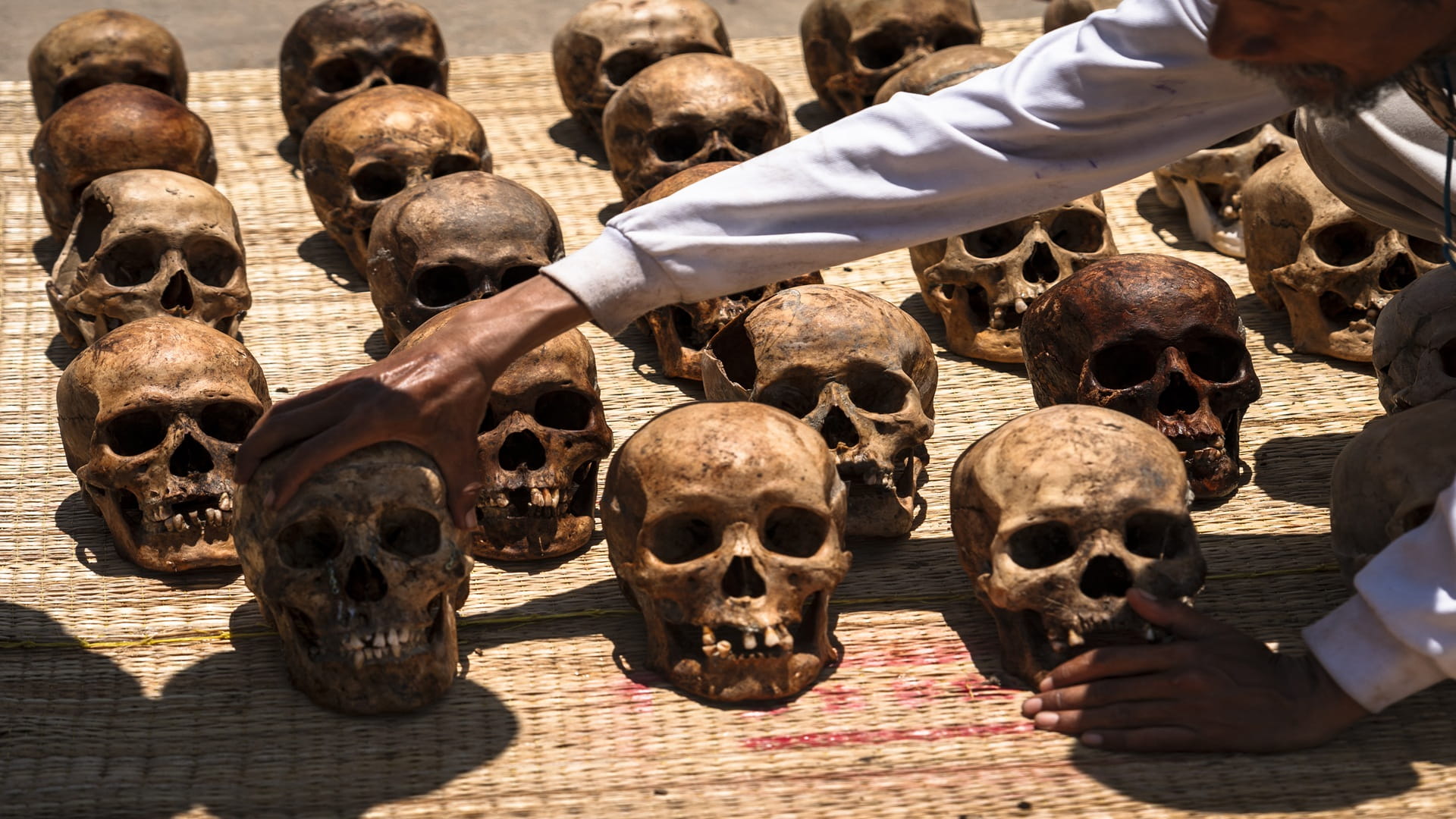
The bubonic plague outbreak known as the Black Death swept across Europe in the mid-14th century, killing tens of millions and wiping out as much as 60 percent of the population in some regions.
For decades, historians and scientists have debated how the plague reached Europe and why it spread so swiftly and extensively.
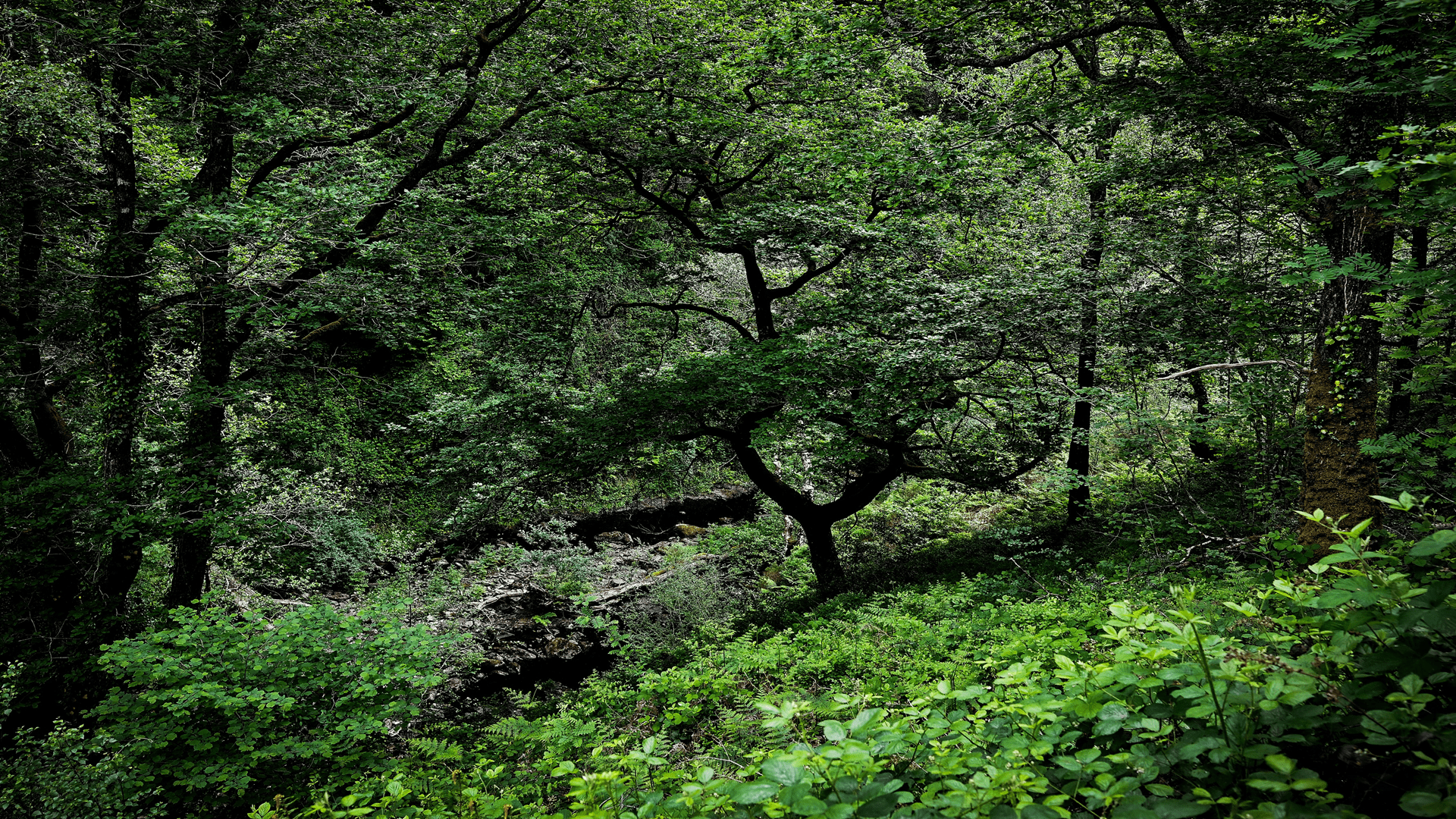
Two researchers analysing tree rings from Spain’s Pyrenees mountains discovered that southern Europe experienced exceptionally cold and wet summers between 1345 and 1347.
By aligning this climate evidence with contemporary written accounts, they concluded that temperatures likely fell because volcanic eruptions in 1345 reduced sunlight.
The sudden cooling damaged crops, triggered harvest failures and initiated the early stages of famine.
At first, powerful Italian city-states — with their long-distance trade routes across the Mediterranean and Black Sea — seemed well-prepared to avoid food shortages.
According to Martin Bauch of the Leibniz Institute for the History and Culture of Eastern Europe, the very trade system that aimed to prevent starvation would “inadvertently lead to a far bigger catastrophe.”
Ships from Venice, Genoa and Pisa imported grain from the Mongols of the Golden Horde in Central Asia — the region where the plague is believed to have originated.
Earlier studies indicate that these grain shipments also carried rats infected with fleas harbouring Yersinia pestis, the bacterium responsible for the plague.
Between 25 and 50 million people died across Europe during the following six years.
While natural, demographic, economic and political factors all played a role, the researchers argue that the newly identified volcanic eruption was the first trigger that ultimately paved the way for catastrophe.
Study co-author Ulf Buentgen of Cambridge University warned that although such a sequence of events seems unusual, the risk of climate-linked zoonotic diseases escalating into pandemics is increasing in today’s globalised world — a reminder underscored by the recent Covid-19 experience.
The study was published on Thursday in Communications Earth & Environment.

 For an optimal experience, please
rotate your device to portrait mode.