
Loading...
Loading...

This breakthrough is likely to accelerate the discovery of natural compounds and enzymes that could aid future clean energy solutions, while also enhancing scientific understanding of how microscopic life adapts to environmental changes.
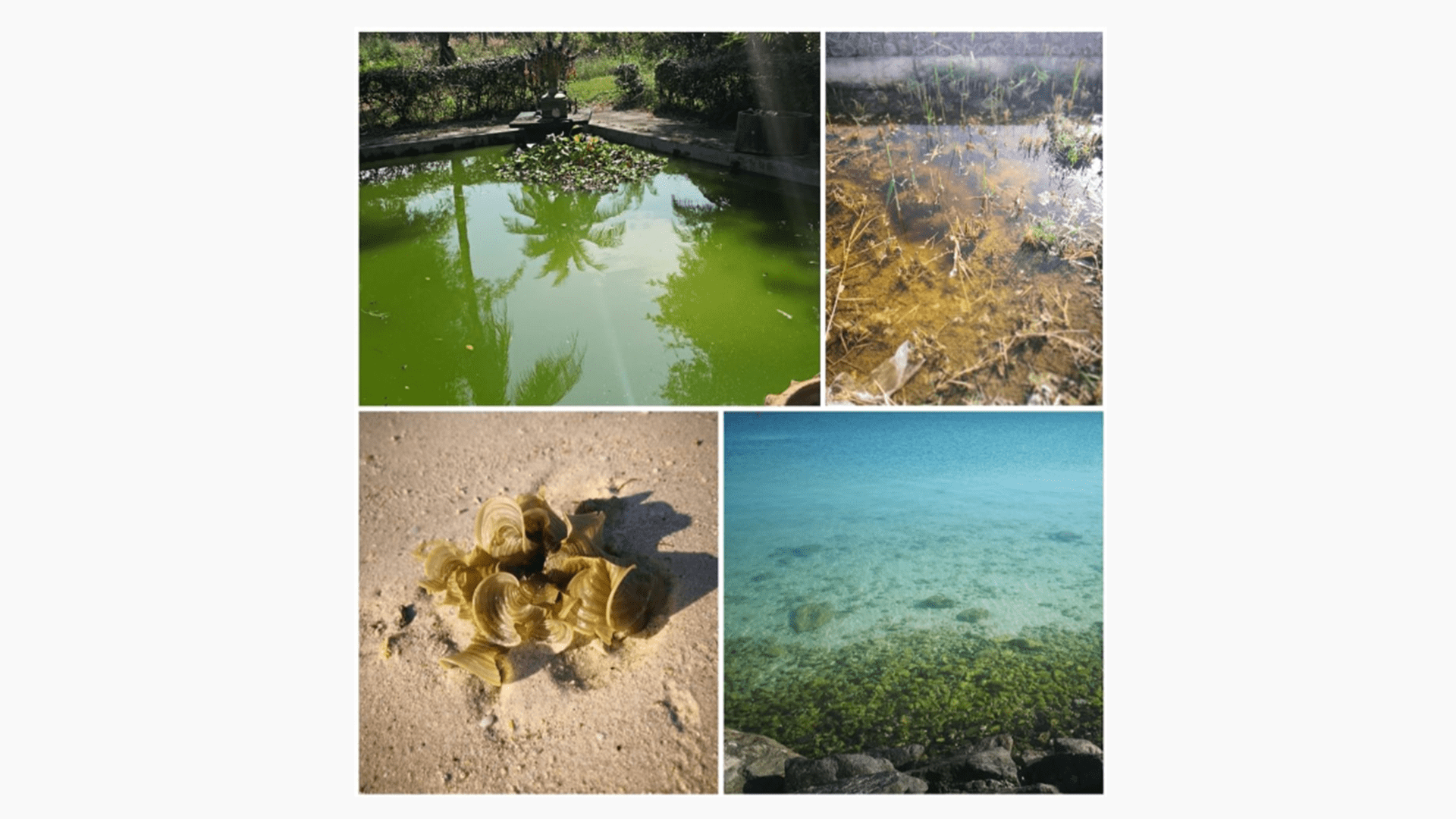
Microalgae play an essential role in maintaining ecological balance, yet their proteins are notoriously difficult to isolate because they are often mixed with proteins from other microorganisms. Traditional computational methods frequently miss large parts of algal proteins or take weeks to analyse.
To tackle this, the NYUAD research team trained an AI model to interpret protein sequences similarly to how a language model processes text. LA⁴SR can now accurately distinguish genuine algal proteins from background data—and it does this 10,000 times faster than current tools.
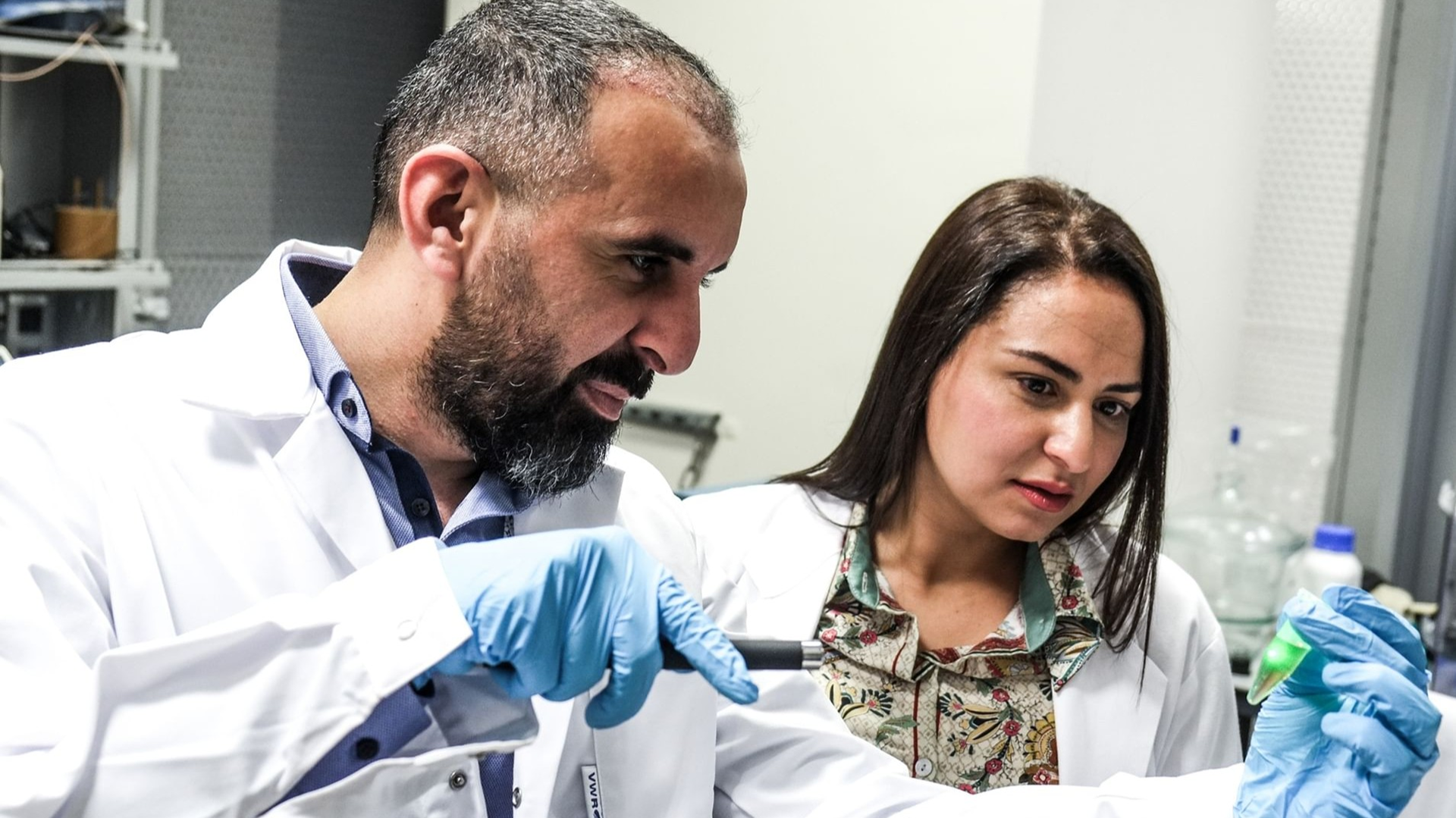
“Microalgae are among the most important organisms on Earth, but much of their biology remains hidden from us,” said Associate Professor of Biology at NYU Abu Dhabi, Kourosh Salehi-Ashtiani.
Lead author and Senior Research Scientist David Nesson stated, “With LA⁴SR, we can finally see these proteins clearly; we are making the invisible visible. By training AI to capture genomic information that standard tools miss, we’re accelerating marine biology for health and environmental innovation.”

 For an optimal experience, please
rotate your device to portrait mode.