Loading...
Loading...

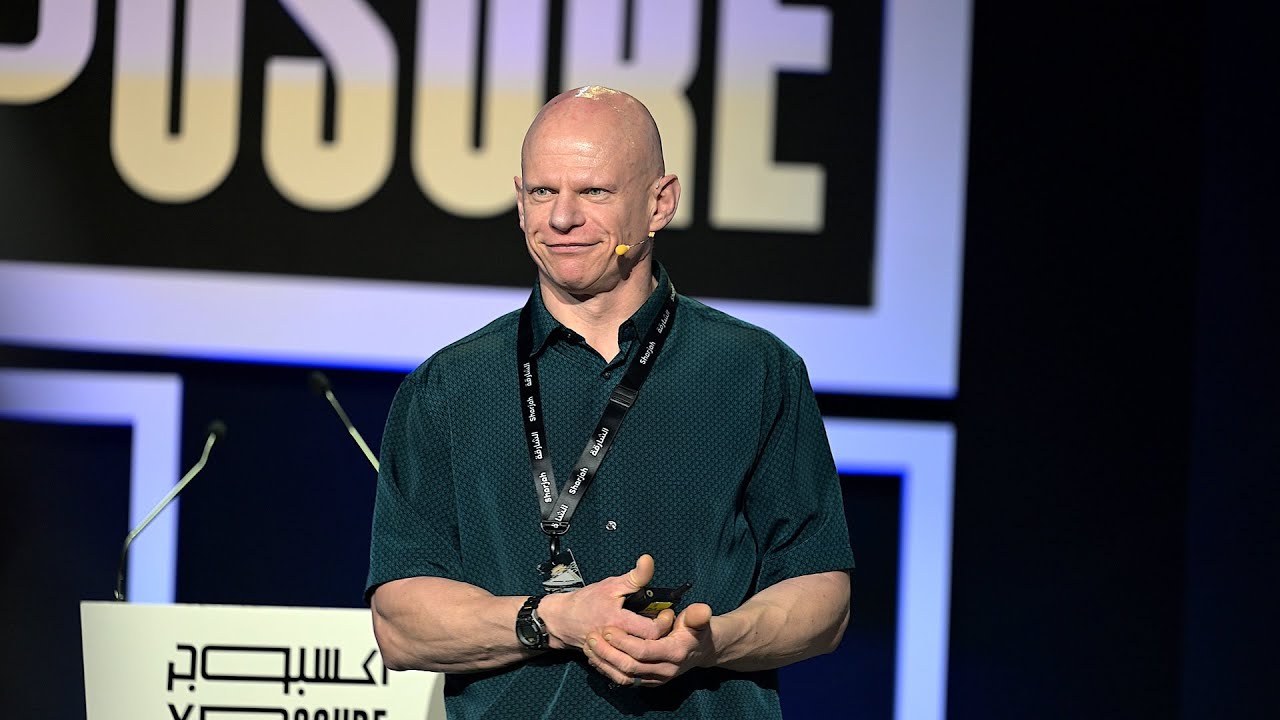
Known internationally for his powerful work on migration, exile, and the enduring human cost of conflict, Jobard spoke about photography not as a distant reporting tool, but as a lived relationship built over years of trust, proximity, and care.
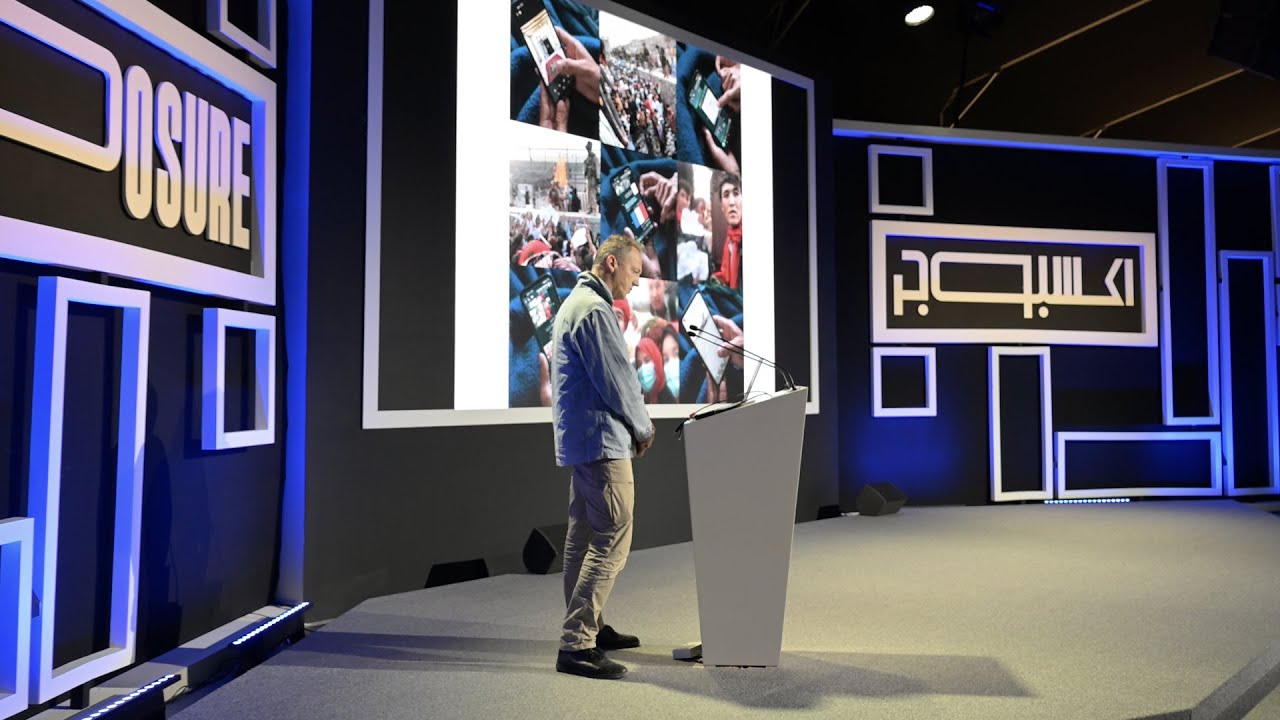
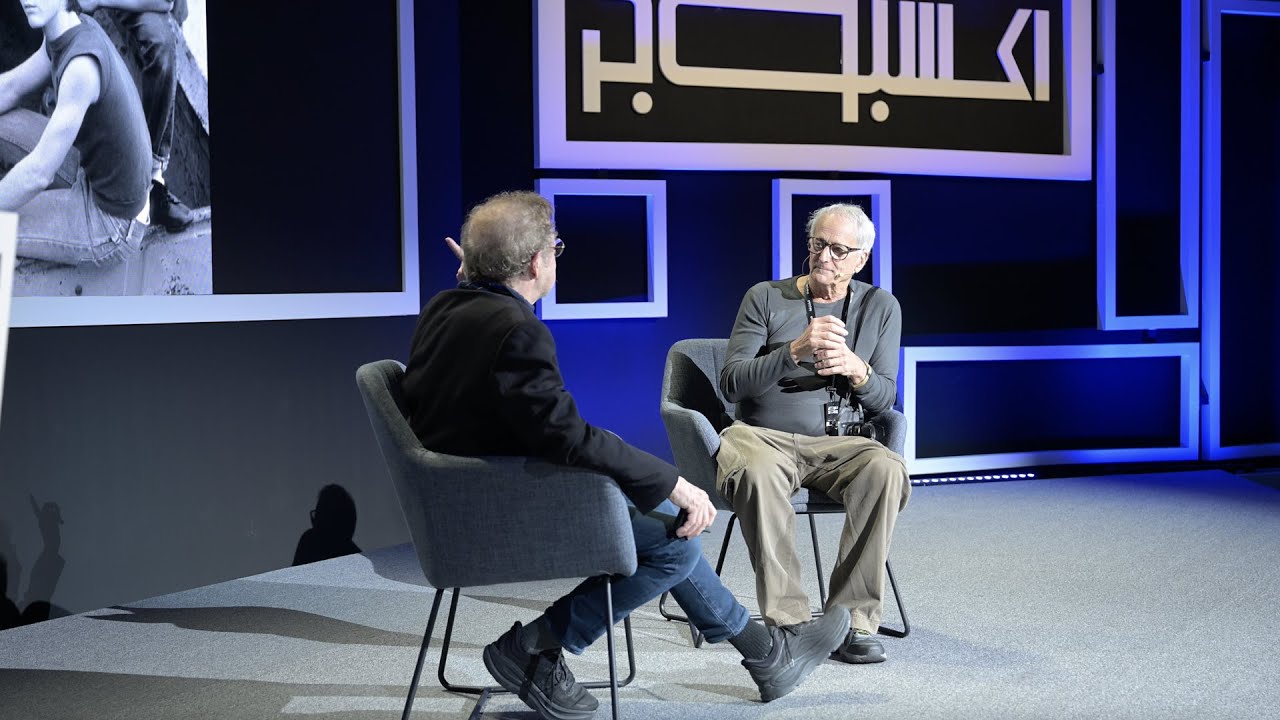
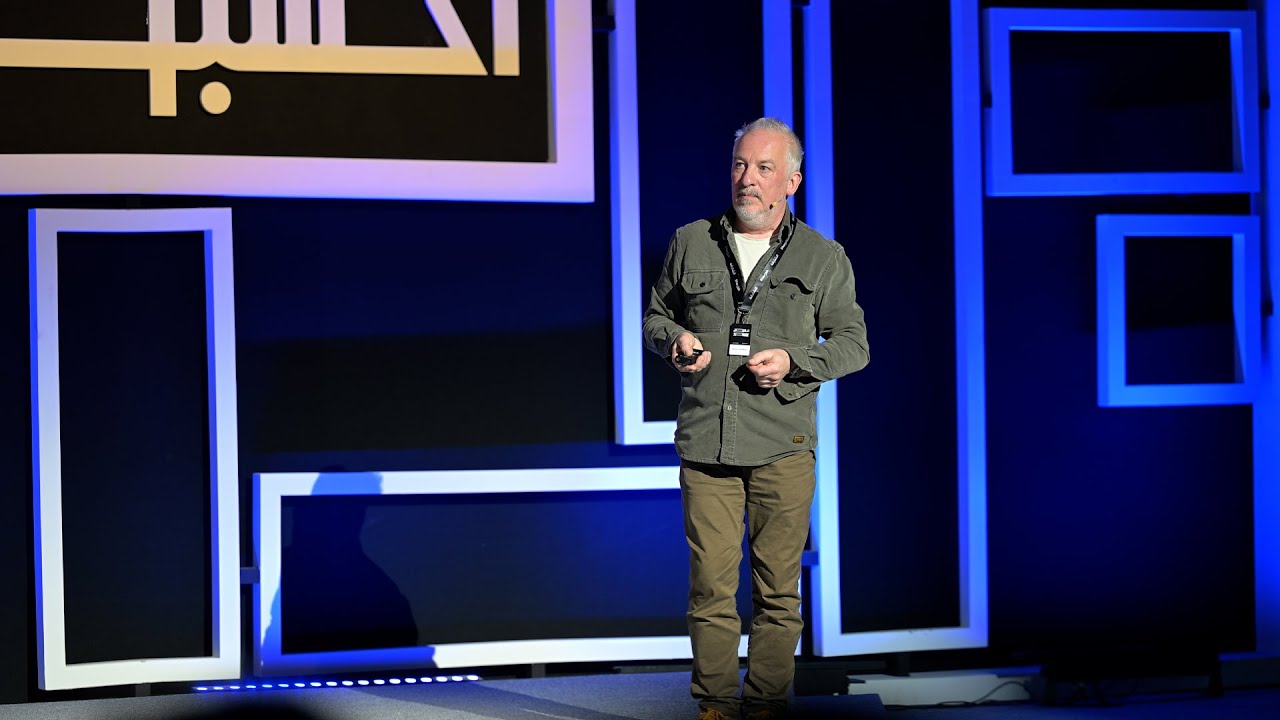
Speaking on the sidelines of Xposure, Jobard reflected on a long personal and visual journey that began with a chance meeting near his home with a young Afghan boy named Gorban — a meeting that evolved into a 15-year documentary relationship.
He explained that what started as a photographic story became a lasting human bond.
“I followed his story for 15 years,” Jobard said. “I stayed connected with him simply by taking care of him, staying present, filming, photographing, and documenting his path.”
This journey developed into a film project that later reached global audiences through Netflix under the title Herd of Stone. Jobard also travelled with him back to Afghanistan to reconnect with his family, documenting the emotional and cultural dimensions of return.
“We share something very important,” he said. “He is like part of my family now.”
Jobard noted that he first approached the story as a journalist seeking to document a young migrant’s path — from displacement to integration — including the process of gaining French citizenship and building a new life.
But over time, the relationship reshaped the work itself.
“I met him because I wanted to witness his life — how he finds his way, how he becomes part of a new country,” he said. “But when you stay for years, it becomes more than work.”
Rejecting rigid theoretical definitions of documentary photography, Jobard described his practice as instinctive, relational, and rooted in everyday human presence.
“It is not a concept at all,” he said. “It’s a way of life. I take pictures because I like people. I like speaking with them. I like being with them.”
He added that photography, for him, is both vocation and livelihood — a way to build meaningful projects while remaining close to real human stories.
“It became my professional life,” he said, “but it starts with something simple — being with people and caring about their story.”
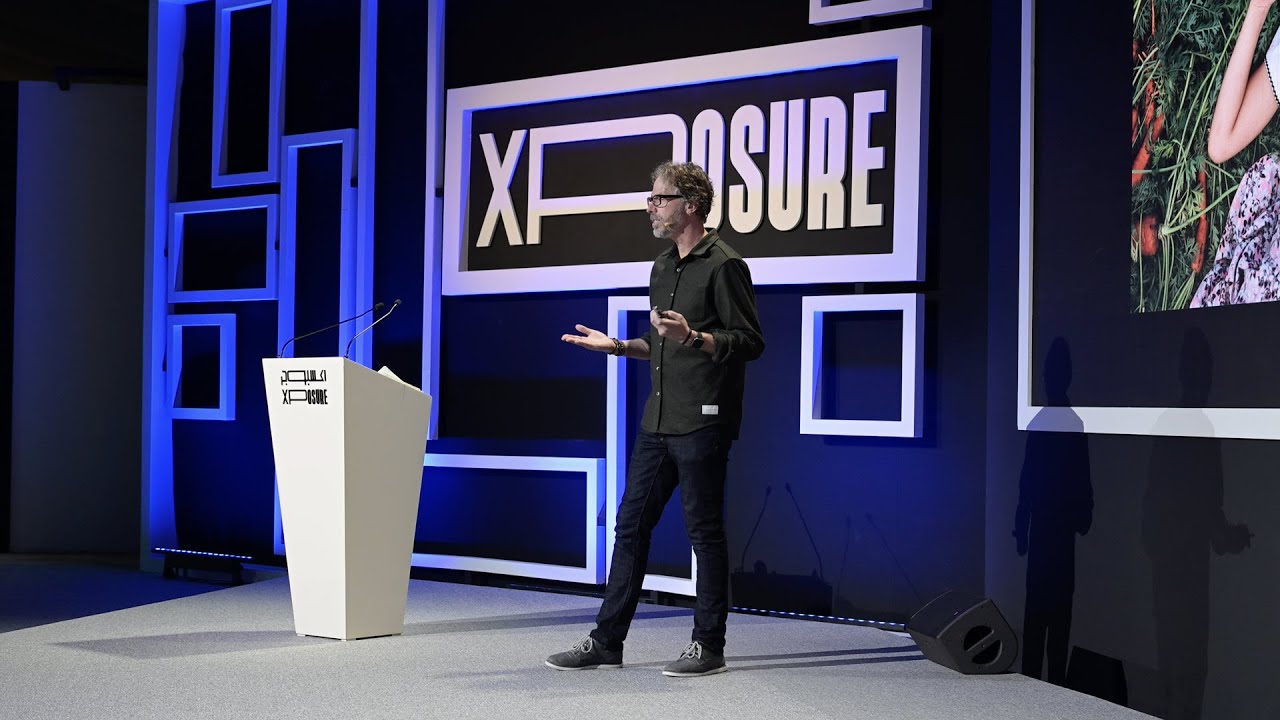
Through his participation at Xposure, Jobard highlighted a form of photojournalism built not on quick access, but on long commitment — where images are shaped by years of presence, emotional investment, and shared experience.
His work stands as an example of slow, ethical visual storytelling — where the camera does not just record lives, but walks beside them.

 For an optimal experience, please
rotate your device to portrait mode.