
Loading...
Loading...

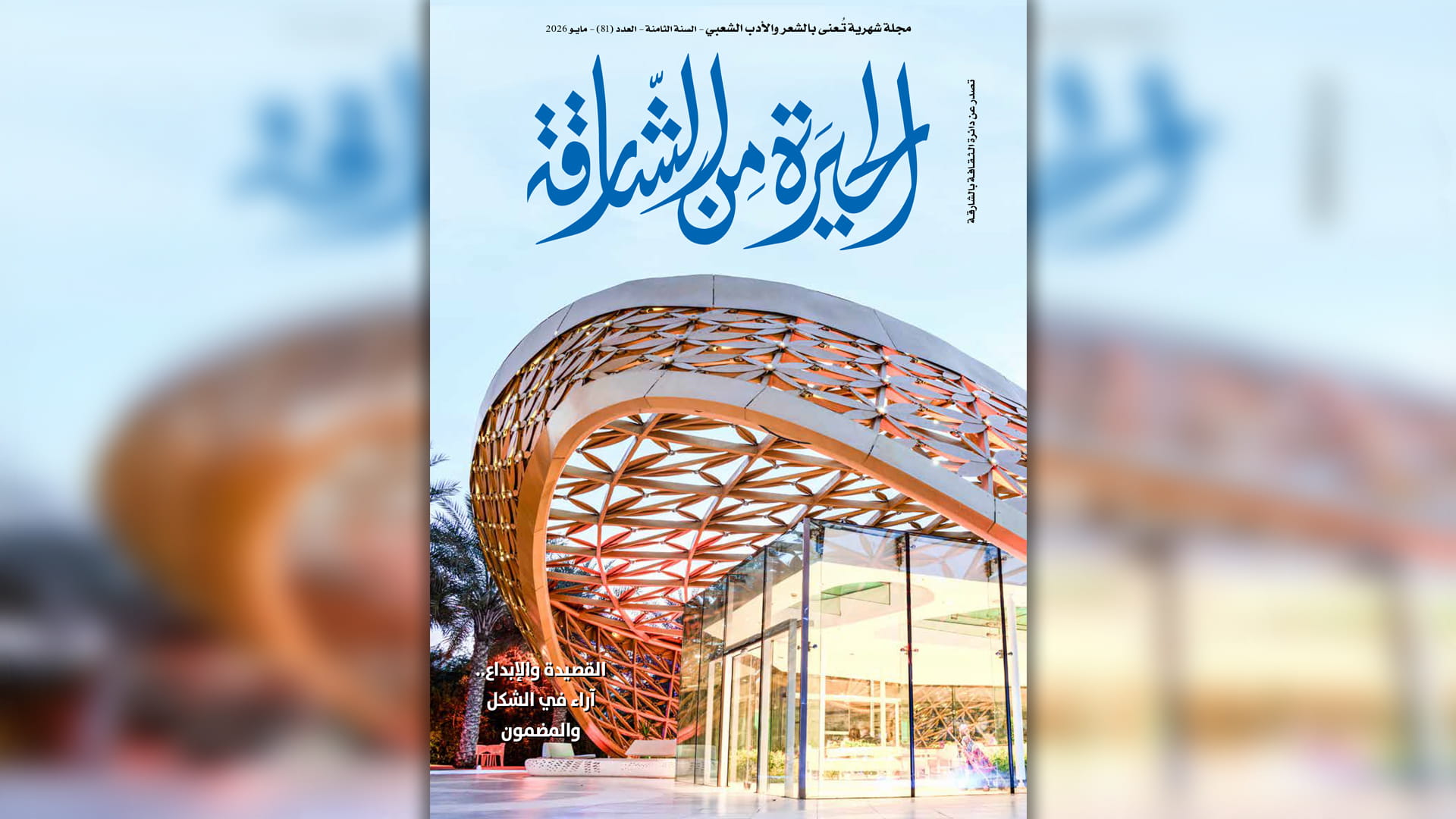
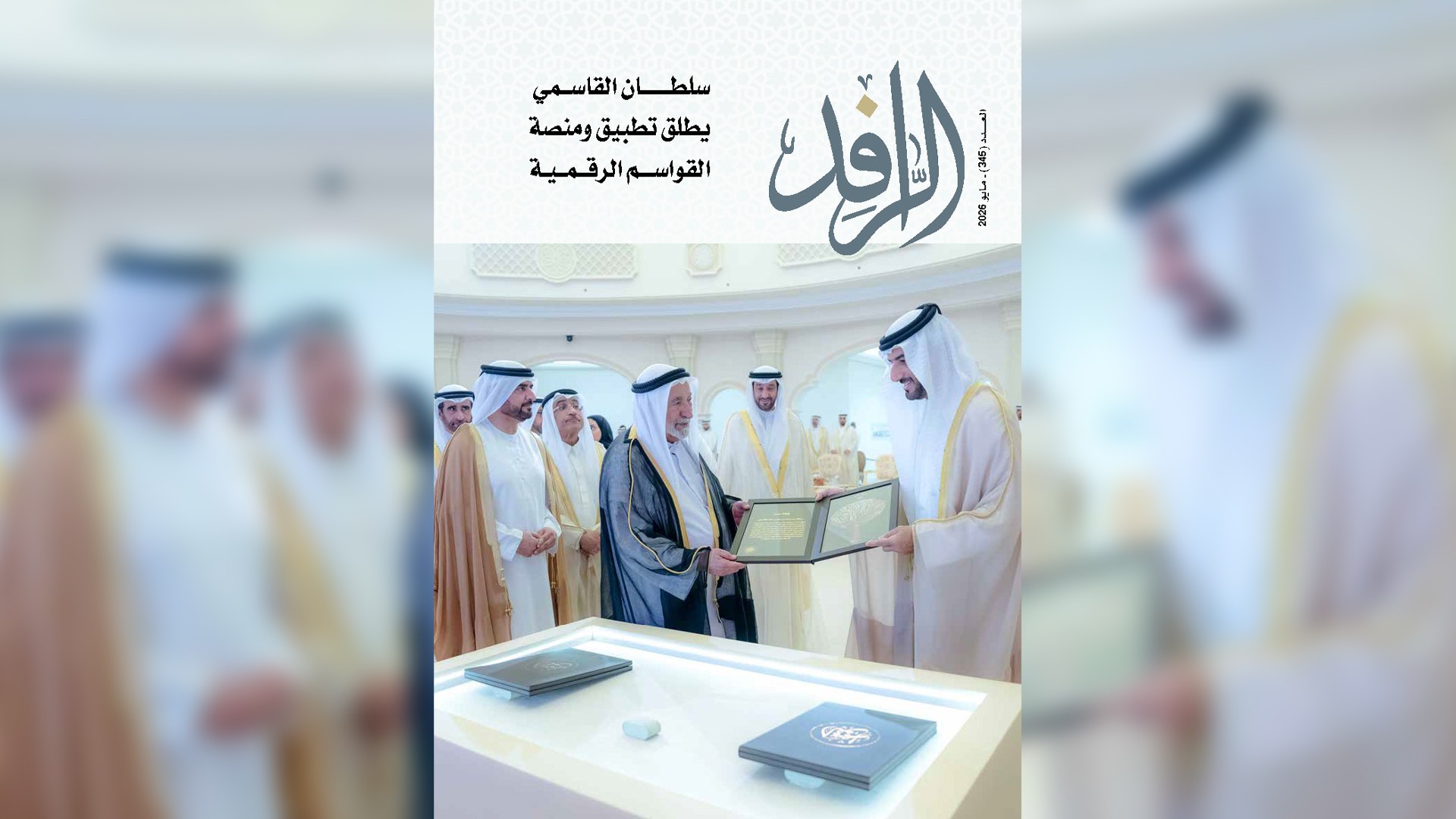
The editorial, titled Folk Arts and Cultural Identity, highlights Sharjah’s interest in folk arts because of their role in strengthening culture, protecting cultural specificity, preserving identity, fostering belonging, and enriching values, language, diversity and dialogue. In light of modern challenges, Sharjah has sought to keep pace with developments in this field and to invest in heritage through education, digital documentation and modern forms of expression. It has also worked to incorporate folk arts into theatre by using stories, tales, songs and traditional costumes to present theatrical experiences deeply rooted in Emirati heritage, identity and culture.
In his article Diligence and Difference… A Necessary Requirement, Managing Editor Nawaf Younis emphasises the need to practise constructive difference
across all fields and to promote dialogue that moves away from the dominance of a single voice or opinion that rejects debate on issues of poetry, literature and ideas. Such diversity, he notes, enriches culture, identity and personality, restores vitality, encourages promising creativity and distinction, expands knowledge and opens doors for dialogue with others, particularly among younger generations eager for freedom of thought and experimentation.
Dr Rasha Ghanem examines the contributions of poet Abdulrahman Shukri to enriching the poetic movement and his vision of poetry as an expression of the poet’s inner emotions. Nabil Suleiman traces the history of translation to and from Arabic and its role in human linguistic communication. Ahmed Selim Awad presents a panorama of the city of Idku, located between Alexandria and Rosetta and known for its water and palm trees, while Bassam Moussa tours the town of Kasab, described as a captivating natural gem.
In the Literature and Writers section, Dr Mustafa Ghunaim writes about the career of the late Dr Mohammed Saber Arab, who left a substantial intellectual and scholarly legacy and established a deep cultural vision. Jawad Amer discusses the intellectual stature of Al Mukhtar Al Susi and his role in Morocco’s renaissance. Aws Hassan explores cross-border identity in Amin Maalouf’s Leo Africanus, examining the historical novel’s relationship between documentation and creativity. Diaa Abu Al Safa celebrates novelist Salwa Bakr’s BRICS Prize as recognition of her rich creative journey.
Anisa Abboud presents insights into two novels by Dr Omar Abdulaziz, which artistically and aesthetically reshape the self. Ahmed Al Lawandi interviews writer Lutfiya Al Dulaimi, who has enriched the literary scene through her novels, stories and translations. Hassan M. Youssef revisits the life of poet Mohammed Sayyida, who lived in deprivation and died alone. Khalil Al Jizawi meets writer and screenwriter Mohammed Suleiman Abdelmalek, known for adapting major literary works into drama.
Other contributions highlight Hassan Al Qarshi’s distinguished place in contemporary Saudi poetry; poet Fawzi Khadr’s book The Most Famous Journeys to the Arabian Peninsula; orientalist Hartmut Fähndrich’s role in translating Arabic literature into German; Jalal Barjas’s novel The Bookseller’s Notebooks, which portrays human alienation; novelist Mustafa Nasr’s historically informed fiction; Imad Nadav’s novel The Wisdom of the Owl and the Casco Parrot, which suggests that cages cannot erase eagles’ dreams; an interview with poet Linda Ibrahim; the works of Ahmed Sabri Abu Al Fotouh, who retells history through his characters; writer Abdullah Al Salaymeh; and Spanish author Antonio Gala’s The Crimson Manuscript, which treats history as a form of human confession.
In the Art. String. Brush section, readers find features on the Baghdad Group for Modern Art and its role in strengthening national identity; an interview with Hazem Kamal El Din titled Questions Preoccupied Me and I Sought Their Answers; an exploration of the distinguished presence of Emirati drama; the celebrated song Aghadan Alqak, considered one of the finest vocal works; Shadi Abdel Salam’s film The Mummy, which places him among the world’s top 100 directors; Martin Scorsese, one of world cinema’s leading filmmakers; and Hossam El Din Mostafa’s action and suspense films.
This section includes critical readings and book releases, including Observations on Visual Arts and Writing; the journey of early Arab criticism; the Islamic cultural system and its role in civilisation-building; Heba Al Faqi’s children’s work A Piece of Sugar; narrative between storytelling and open texts; Art in Our World by Egypt’s former Minister of Culture; The Rain of My Dreams as a means of nurturing conscience through stories; and studies of placelessness and timelessness in the novel Blindness.
The issue also features numerous essays, including studies of tradition and innovation in Andalusian poetry; tales from Nubia; Khalida Said’s representations of creativity; the role of the literary editor between the spirit of the text and the writer’s identity; Radwa Ashour’s lasting influence; Fatima Al Dosari’s creative sensibility; Haya Saleh and the marvellous narrative; reflections on homes and their sorrows and joys; the dominance of the absent character in fiction; Mohammed Salah Ghazi’s exploration of identity and belonging; the uniqueness of the single-work book; Amin Ryan’s narrative writing; Kalila wa Dimna through the eyes of European orientalists; Crowded Emptiness as a cultural pattern for the conscious reader; Mustafa Nasr’s solid Egyptian novels; the foundations of poetic storytelling in the work of Al Hutaiah; myth in the Arab imagination; women pioneers on the theatre stage; critical approaches to Arab theatre; aesthetic taste and the visual arts; cinema as an art reflecting aspects of life; Egyptian films adapted from novels; memory and identity in Reem Rifaat Battal’s writing; and Rilke’s Letters to a Young Poet.
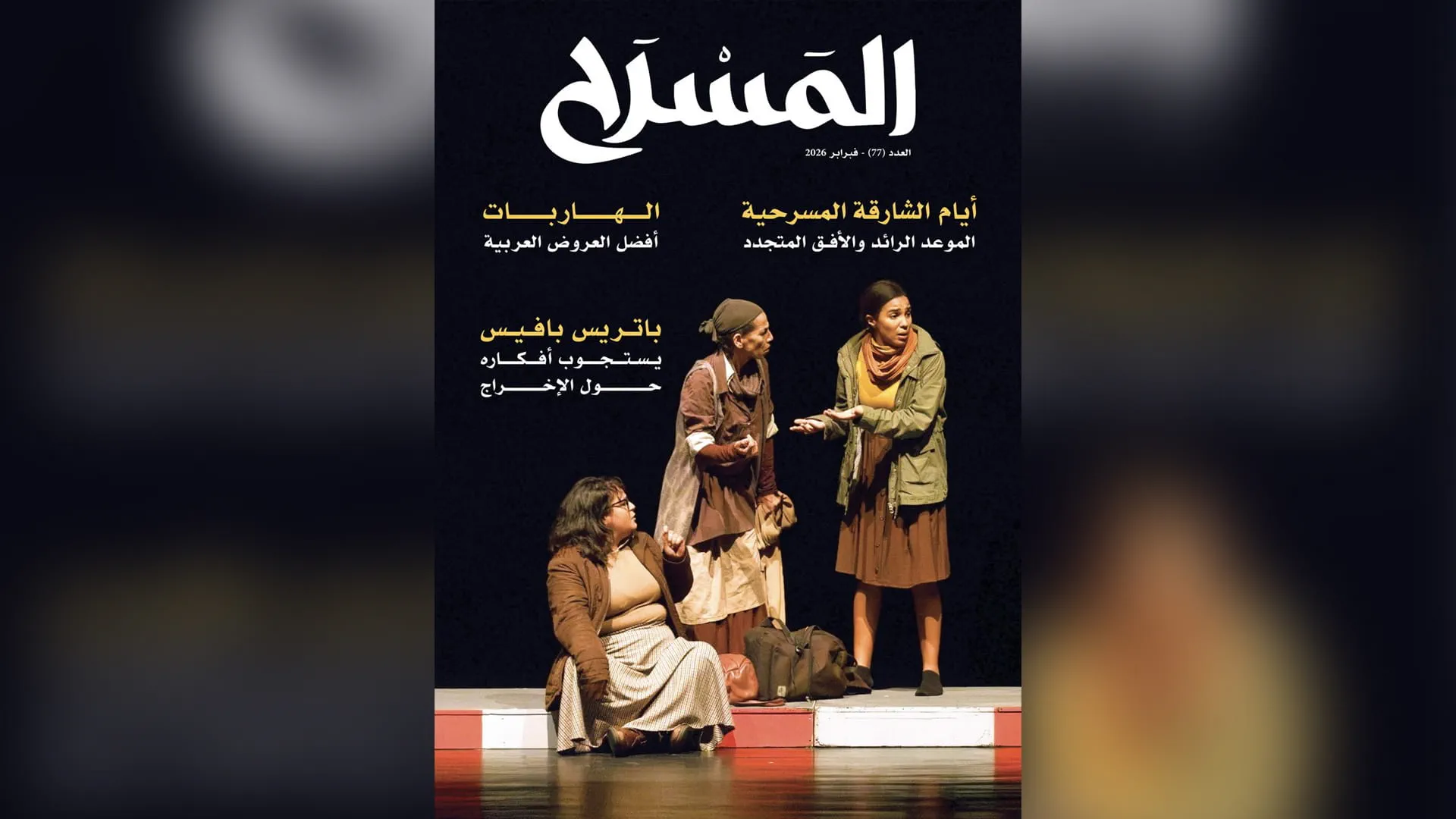
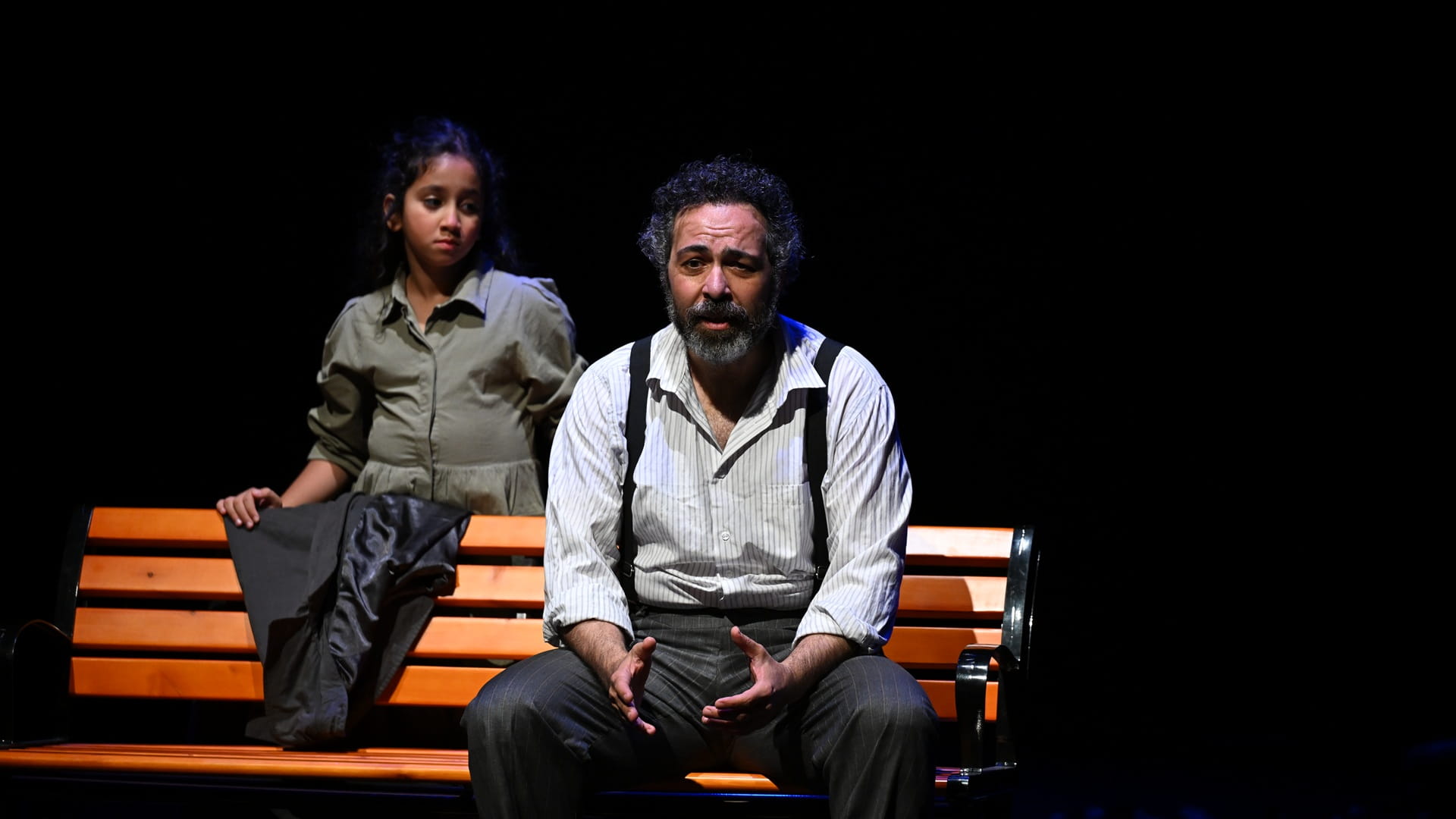
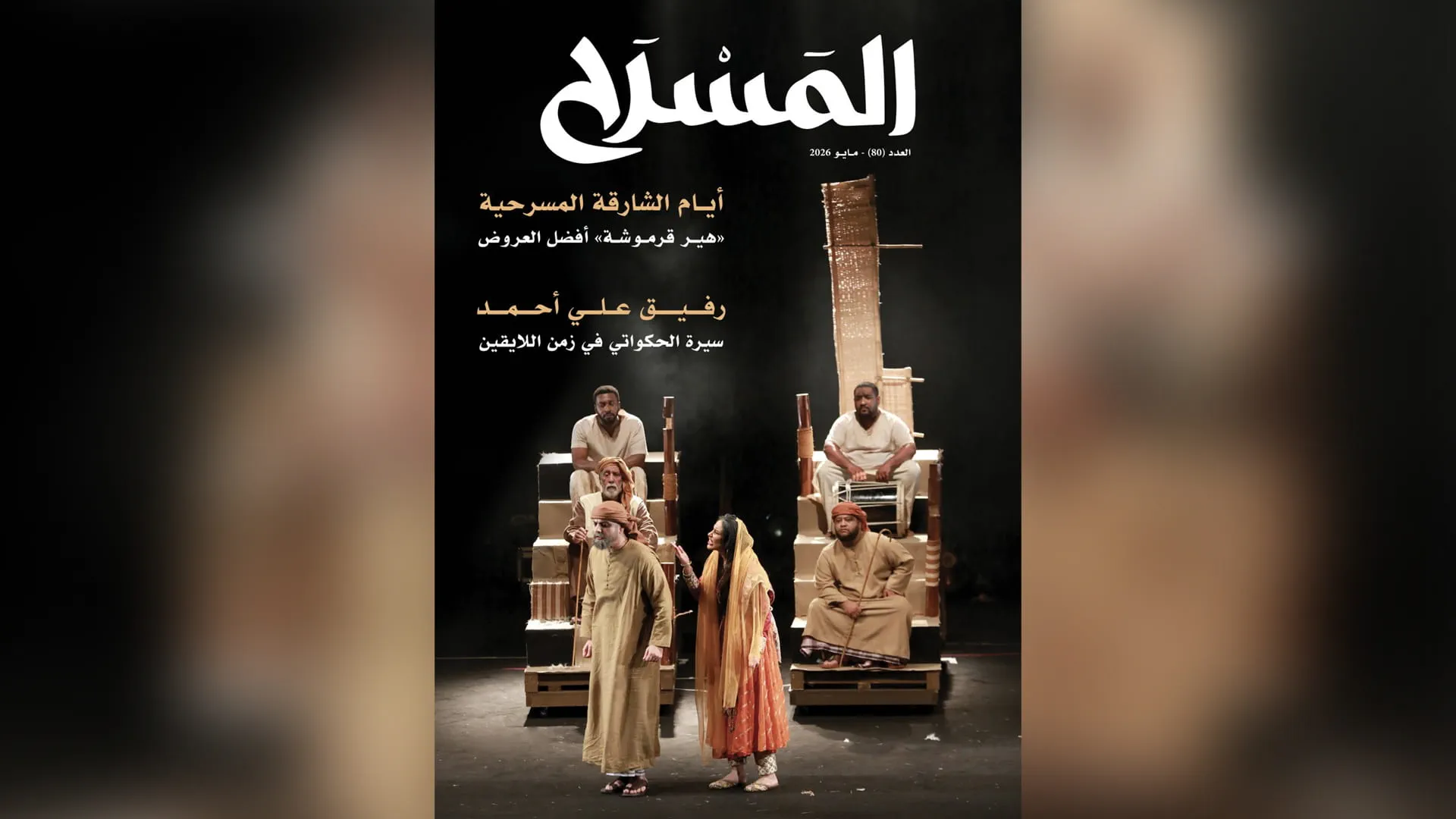
A dedicated feature notes that the plays of Sultan Al Qasimi created broader and deeper theatrical spaces within performances at the Sharjah Desert Theatre Festival.
The issue features short stories and translations by a group of Arab writers and creatives, including Jamal Barbari (Thirst), with a critical reading that examines the story’s linguistic economy and structural strength; Mounir Ateba (The Operation); Hanaa Al Darwish (Metro Ghost); Samah Mohammed Al Ali (The Snow Woman); Badr Ibrahim Ahmed (Fatima Al Karawan); and a translated poem, Questions, by Ahmed Farhat.
It also includes poems with lasting resonance, including works by Obaid bin Al Abras, his legendary tale of “Al Shujaa” and the black snake, writings by Fawaz Al Shaar under Literary Notes, explorations of the aesthetics and jurisprudence of language and its sources, and a reflective piece on Dr Hafez Al Maghribi and the memory-laden spirit of the mother.
 For an optimal experience, please
rotate your device to portrait mode.