
Loading...
Loading...

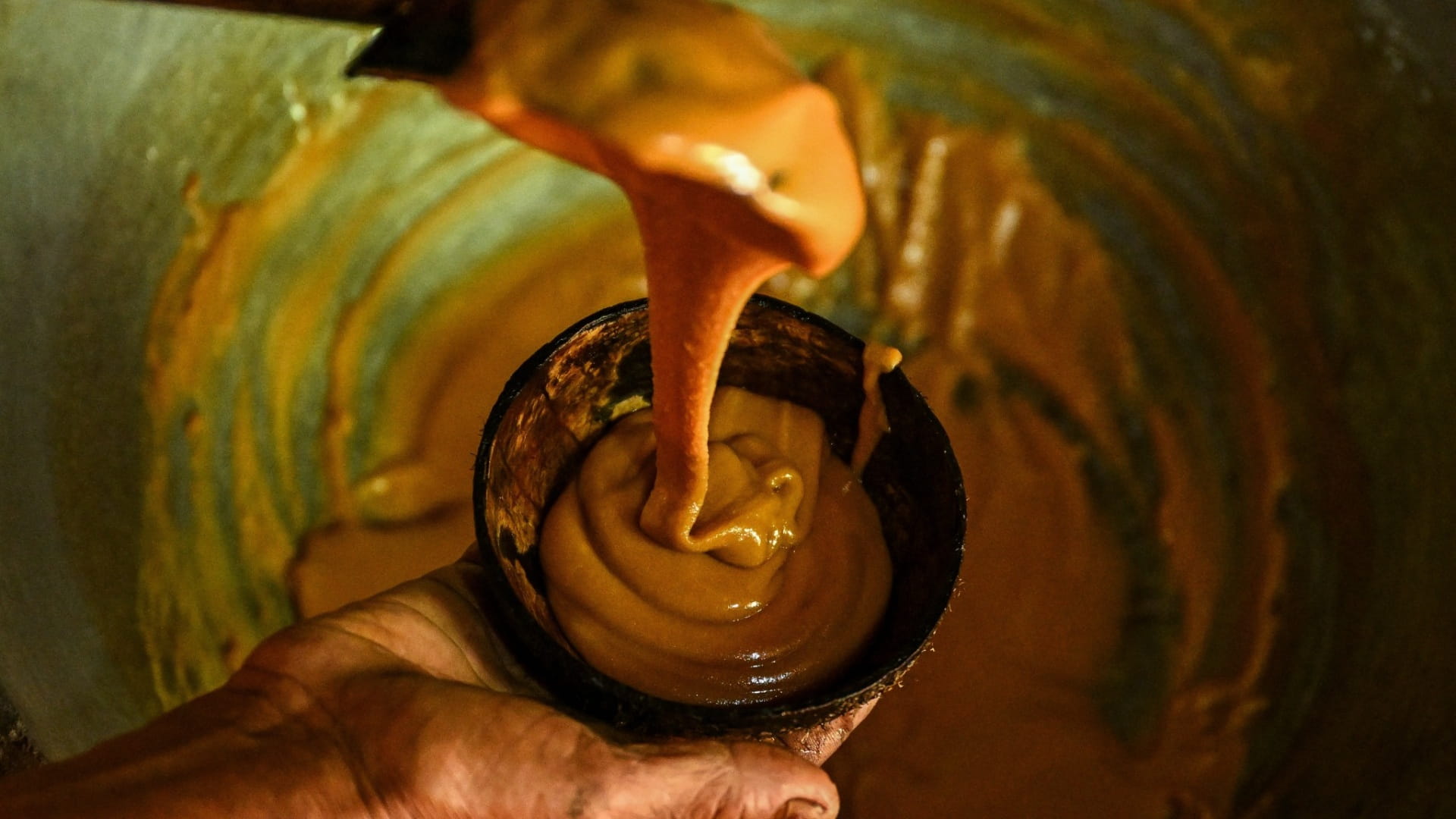
The craft involves climbing Caryota urens trees at dawn and sunset to collect sweet sap that is boiled into treacle, a caramel-coloured syrup used in desserts. When boiled longer, it turns into jaggery — a mineral-rich palm sugar with a lower glycaemic index than refined white sugar. Output from a small number of trees is limited, so a wider network of tappers helps meet export demand to markets including Australia, Britain, New Zealand and the Middle East.
Producers say the sector faces major challenges, including labour shortages, declining sap supplies, and widespread product adulteration, with some sellers mixing sugar into kithul products due to high production costs. If sap is not processed quickly, it ferments into a strong alcoholic drink known as kithul toddy. In many households, men collect the sap while women handle the boiling and processing.
UNESCO’s recognition has increased global awareness of the craft, which remains socially undervalued despite its cultural importance. The palms grow naturally without fertiliser, but commercial cultivation efforts have largely failed. Authorities say about half of the country’s estimated kithul palms are currently tapped, highlighting both supply constraints and growth potential. A national development board is training more than a thousand new tappers to help preserve the centuries-old tradition and improve exports, which currently generate around $1 million annually.

 For an optimal experience, please
rotate your device to portrait mode.