
Loading...
Loading...

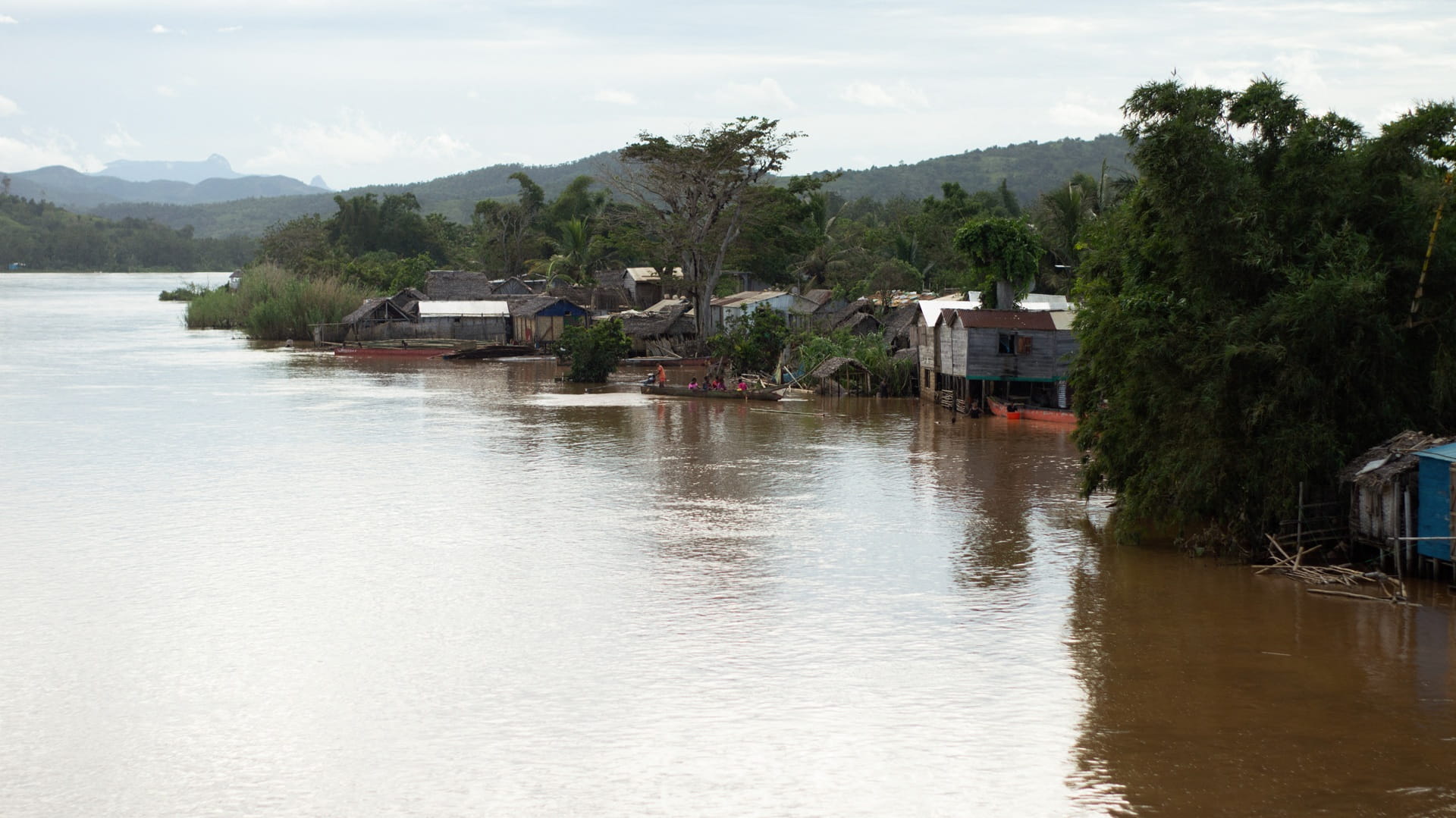
The cyclone made landfall with wind gusts reaching up to 250 kilometres per hour (155 mph), severely impacting the eastern coastal city. A resident described the aftermath as devastating, reporting destroyed roofs, flooded floors, and collapsed walls — even in well-built neighbourhoods. Power outages began hours before the storm’s arrival and communications were largely disrupted.
The CMRS cyclone monitoring centre based on France’s Reunion island said Toamasina was directly struck by the most intense part of the storm system, intensifying its impact on the city and surrounding areas.
Authorities ordered schools closed across several regions and declared Wednesday a non-working day as a precautionary measure to protect residents and reduce movement during the emergency.
Gezani weakened to tropical storm status as it moved inland, but forecasters expect it to strengthen again to cyclone level as it crosses the channel toward Mozambique.
Colonel Michael Randrianirina, who has been in power since the October military coup, said he plans to travel to Toamasina to stand with residents during the crisis.
According to CMRS, Gezani’s landfall may rank among the most intense storms recorded in the region during the satellite era, comparable to Cyclone Geralda in February 1994, which killed at least 200 people and affected around half a million others.

 For an optimal experience, please
rotate your device to portrait mode.