
Loading...
Loading...

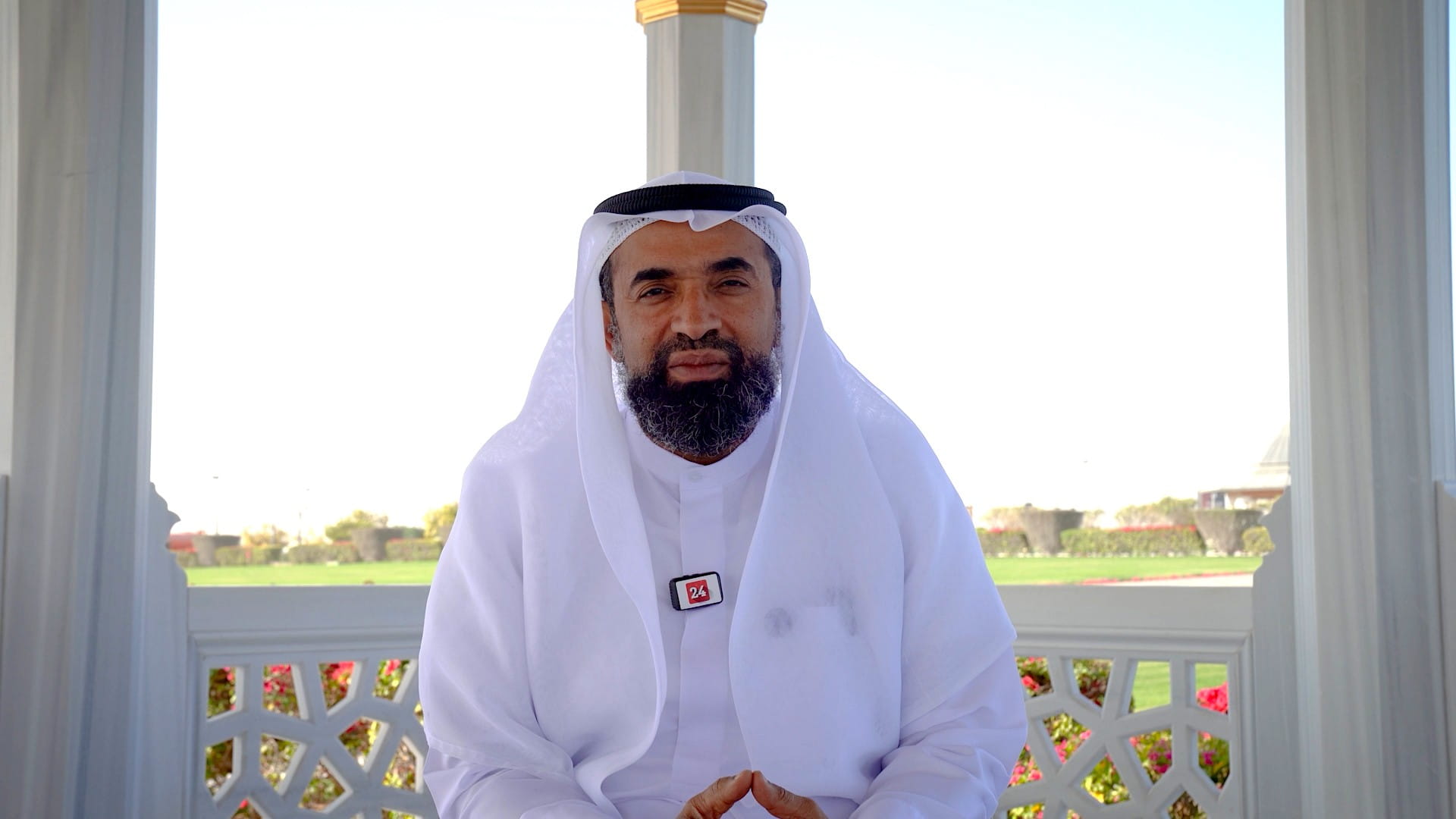
Counsellor Dr Issa Saif bin Hanzal, Member of the Sharjah Executive Council and Chairman of the Department, said the programme reflects His Highness Sheikh Dr Sultan bin Mohammed Al Qasimi, Supreme Council Member and Ruler of Sharjah’s continued support and the leadership’s commitment to mosques as centres of worship, knowledge, and community values.
He noted that the department’s Ramadan plan is the result of early preparation and coordinated institutional efforts, translating Sharjah’s vision of combining proper worship, beneficial knowledge, charitable work, and community service into a unified framework.
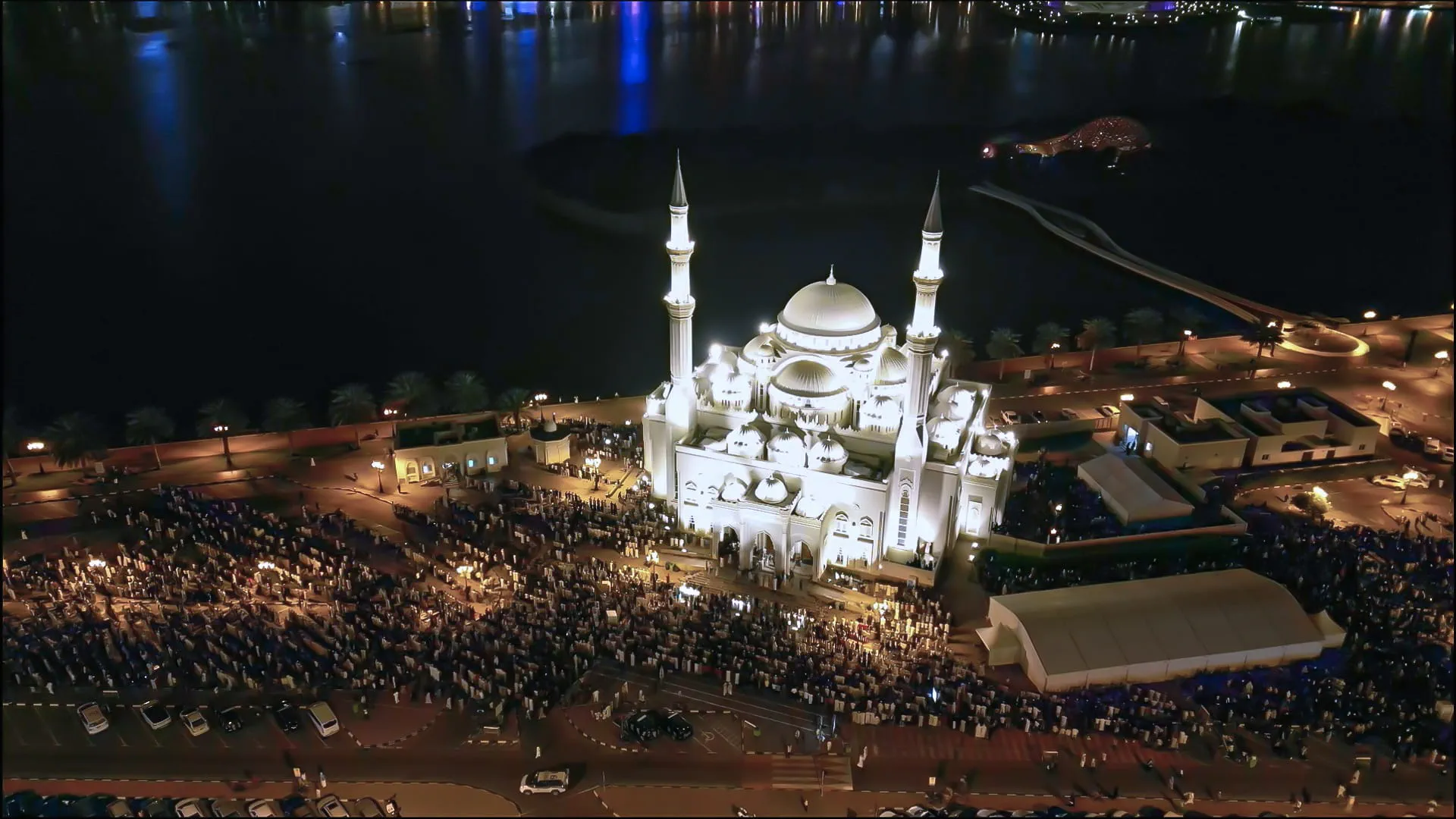
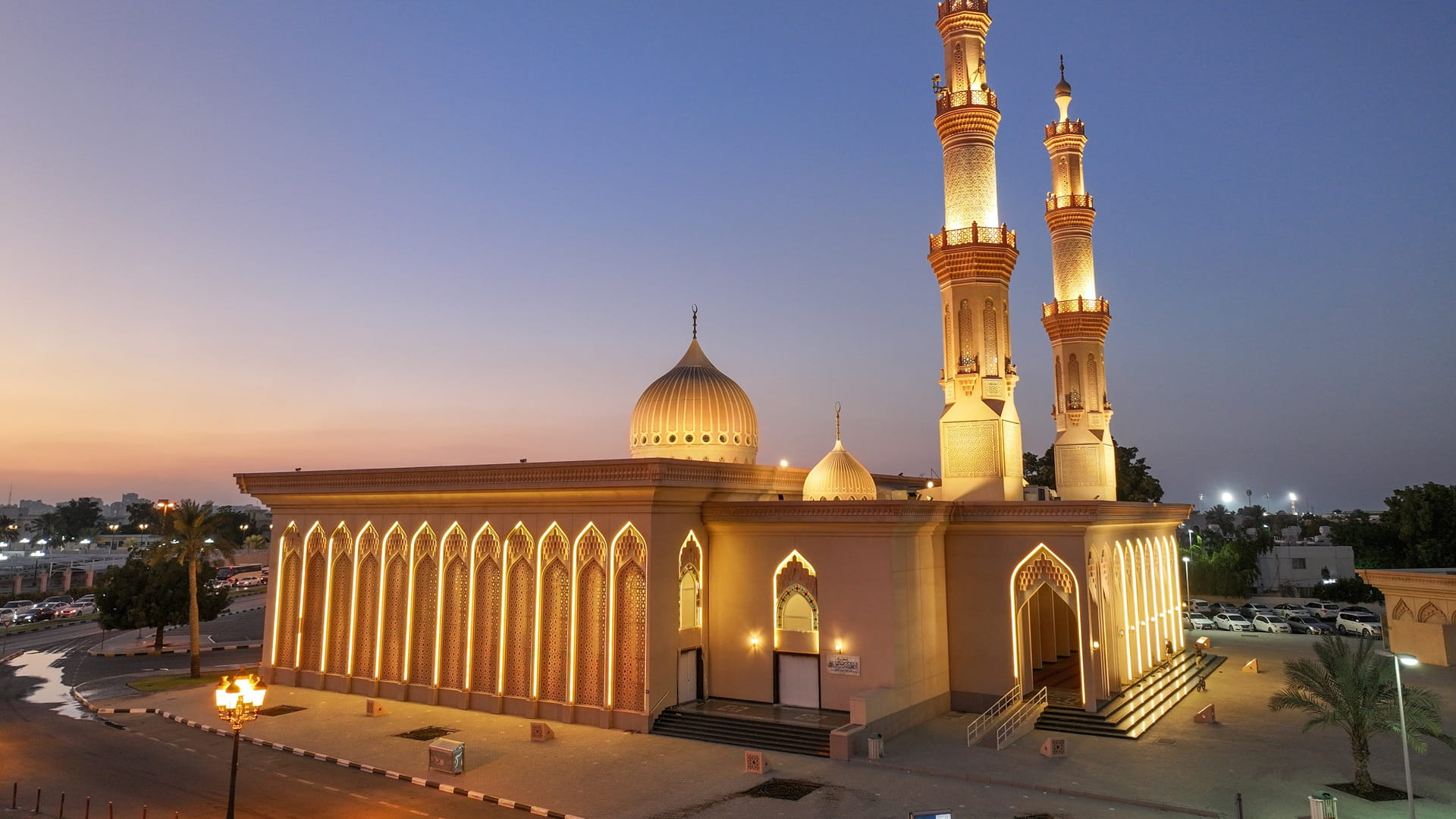
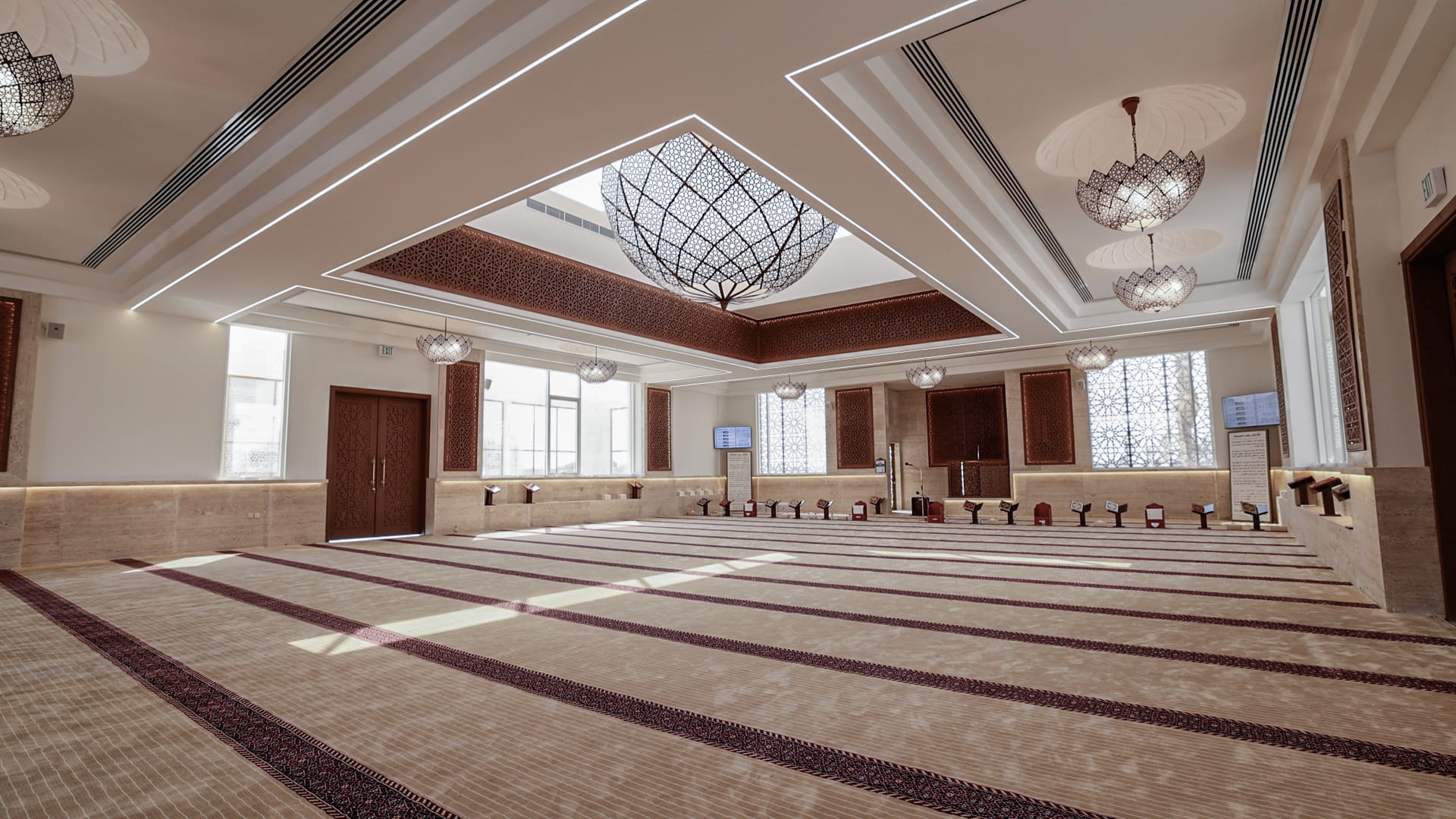
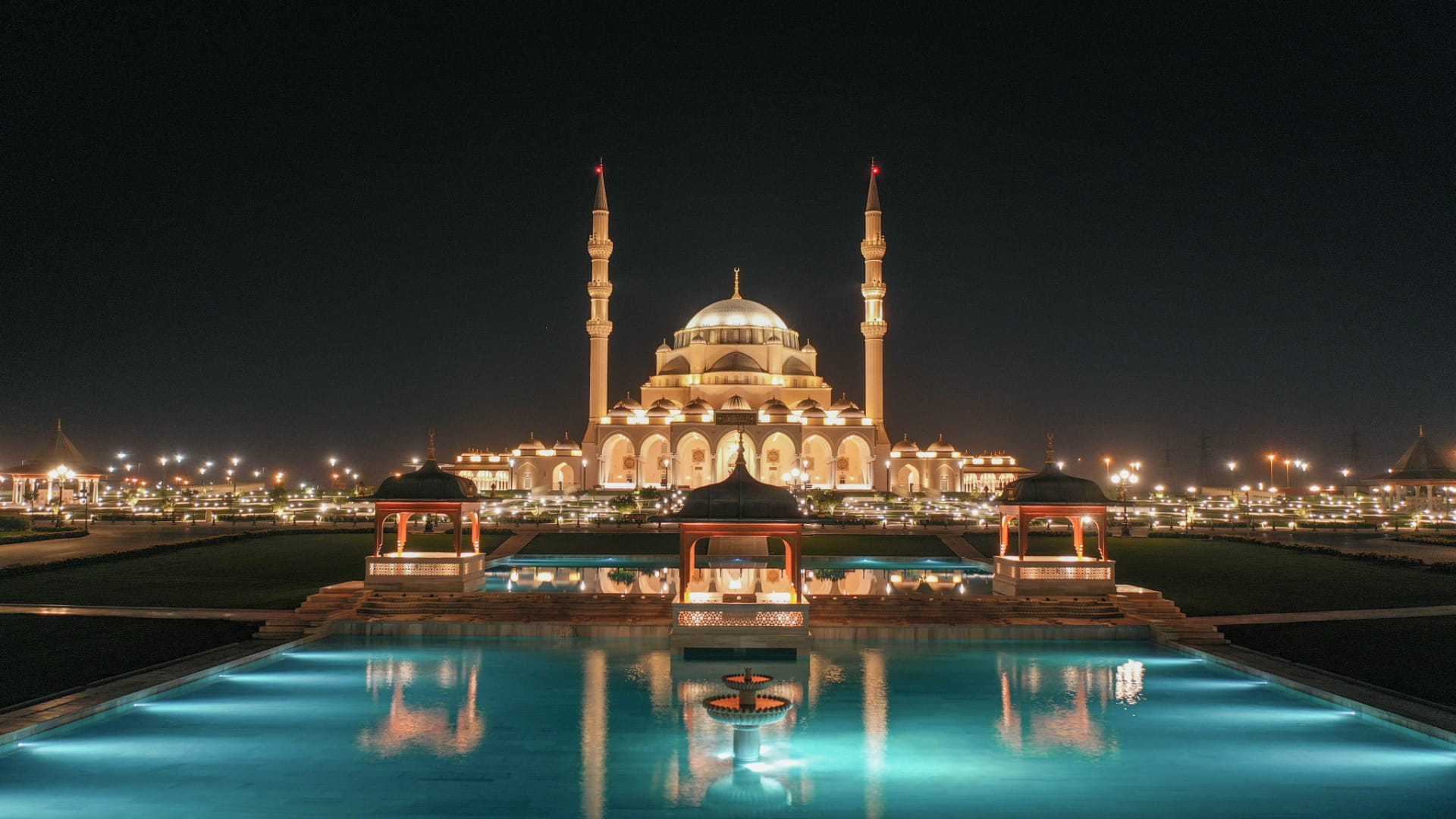
The department is preparing mosques across the emirate, with plans to open 17 new mosques between the start of the year and the end of Ramadan. Maintenance, cleaning, and system checks are also being carried out, alongside expansions and temporary women’s prayer areas in mosques serving densely populated neighbourhoods.
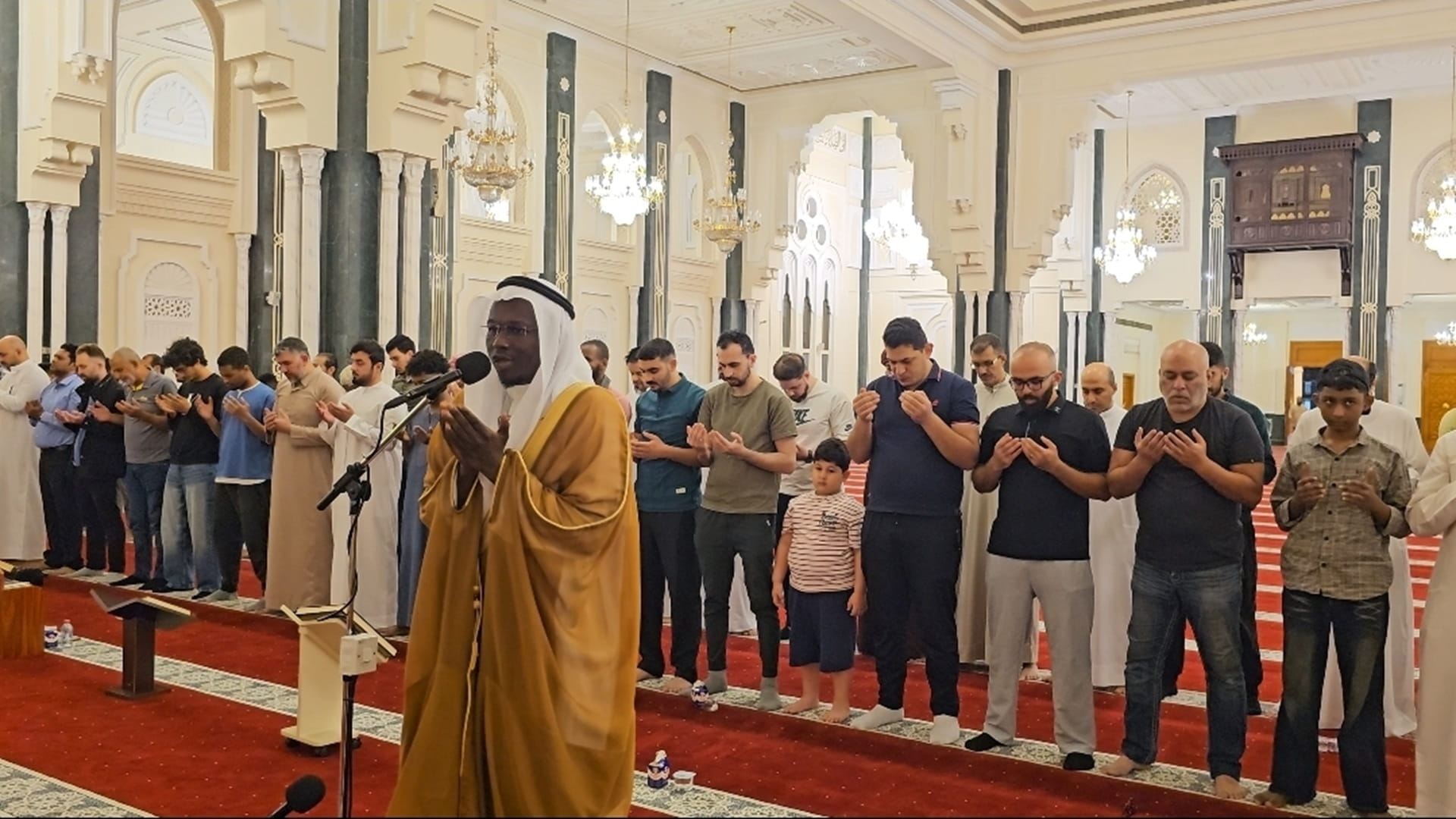
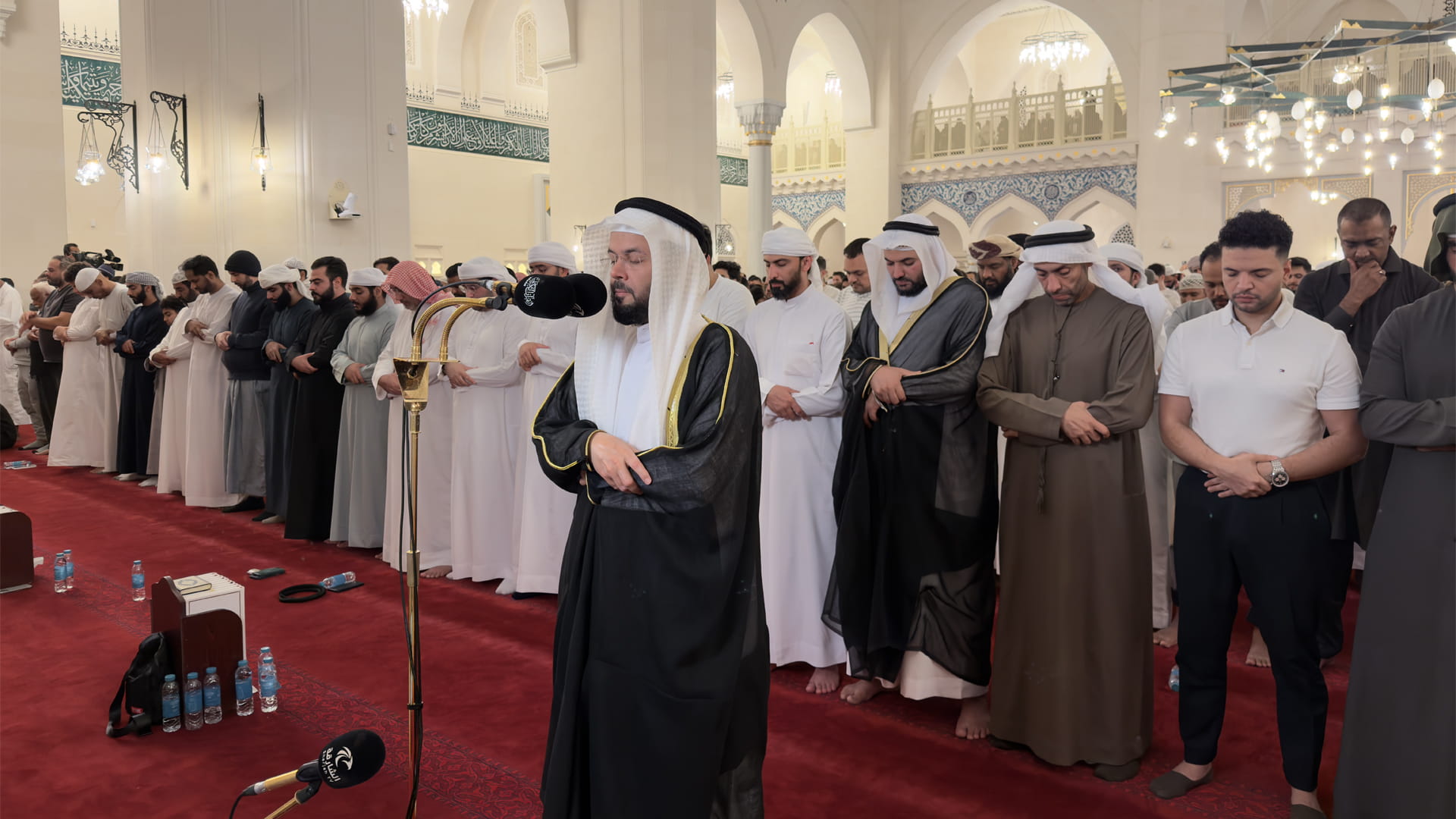
Special focus has been placed on Ramadan reciters, with distinguished voices assigned to lead Taraweeh and Qiyam prayers. Ten mosques across the emirate will host the “Sharjah Reciters” initiative, with 15 reciters rotating among them.
In addition, 30 reciters will lead prayers in 15 major mosques, with live broadcasts on Sharjah’s Qur’an radio and television channels. The “UAE Reciters” programme will also showcase national talent in cooperation with local media.
Fourteen mosques have been designated for completing the Qur’an during Taraweeh and Qiyam prayers. At Imam Al Nawawi Mosque in Al Manakh, a special “Ten Qira’at” (Ten readings) programme will introduce worshippers to the history and methods of Qur’anic recitation.
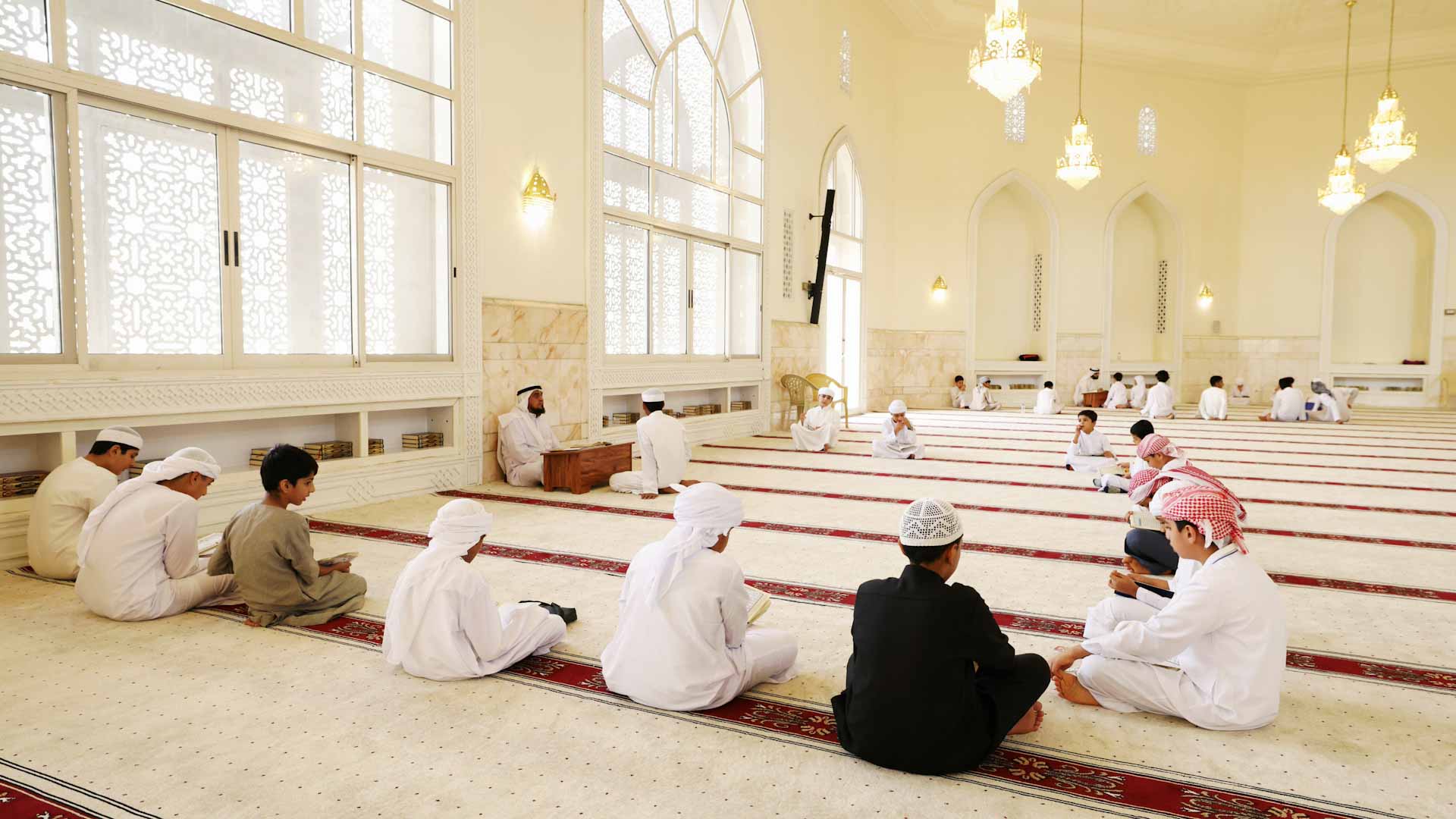
The department has also allocated 20 mosques for daily recitation-correction circles after Asr prayer, supervised by specialised imams to help worshippers improve their reading.
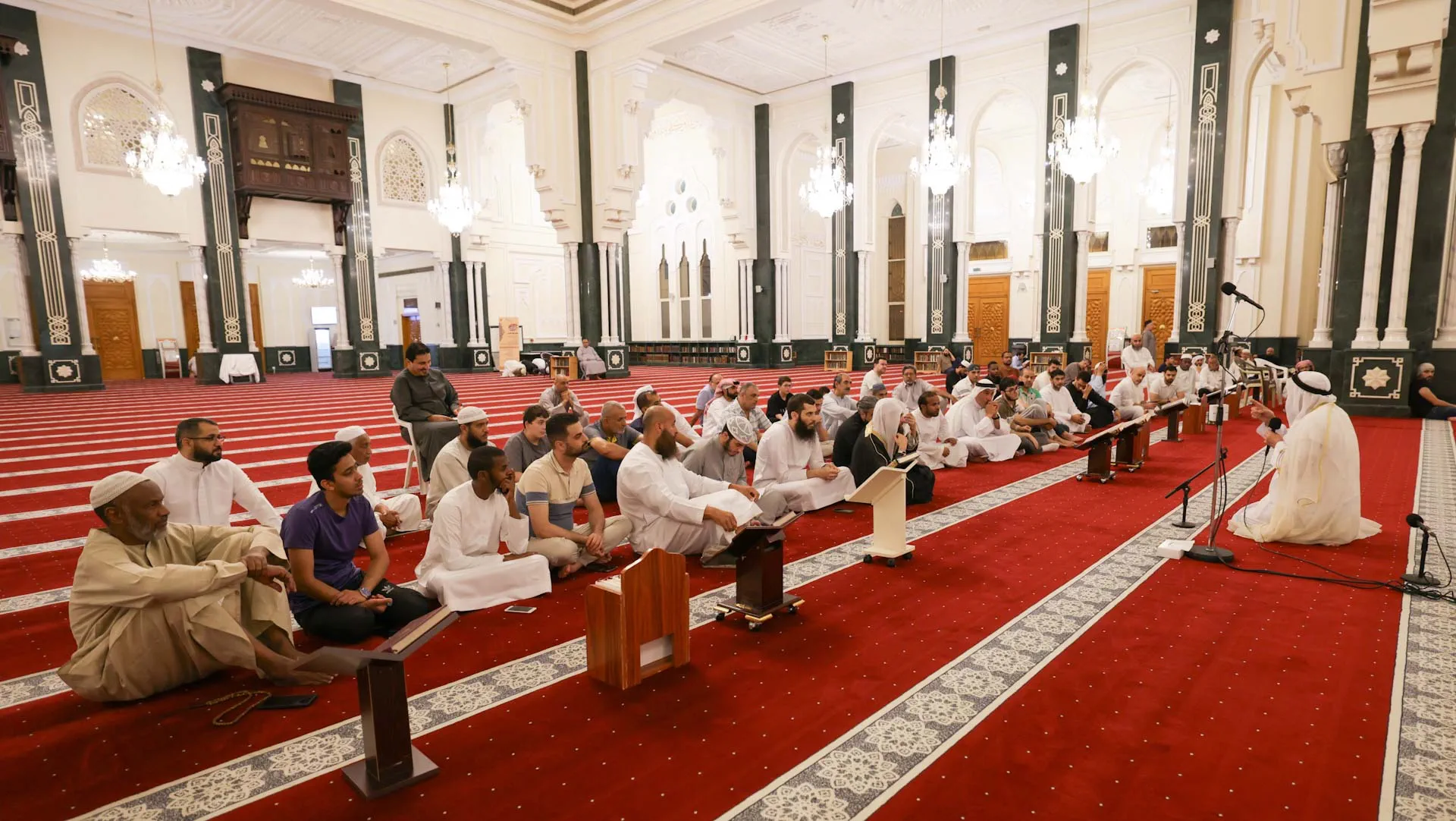
Daily lessons on the jurisprudence and ethics of fasting will be held across mosques, alongside Qur’an interpretation sessions. Nearly 100 mosques will host multilingual lessons for non-Arabic-speaking communities, while specialised lectures will be organised for people with disabilities.
The department will also deliver digital awareness programmes via social media, WhatsApp, radio, television, and podcasts, including Ramadan reflections, Qur’anic lectures, and daily cultural competitions.
On the charitable front, the department is intensifying awareness campaigns on zakat and charity. It has issued permits for around 300 Iftar tents and locations after coordinating with the relevant authorities, with field teams assigned to supervise operations and ensure compliance with regulations.
Community initiatives will be implemented in cooperation with government entities and institutions, including the distribution of Iftar meals and the organisation of worshippers during peak prayer times, particularly in the last ten days of Ramadan.

 For an optimal experience, please
rotate your device to portrait mode.