Sharjah 24: UNESCO's World Heritage List includes more than 1,100 sites, 97 of which are in the Arab region, spread across more than 160 countries worldwide. These sites encompass outstanding cultural and natural sites of exceptional universal value. They form part of a global system for scientific research, heritage preservation, and long-term protection. They also contribute to a sector that provides more than 370 million jobs globally and accounts for more than 10% of global GDP.
Human presence in the region for over 200,000 years
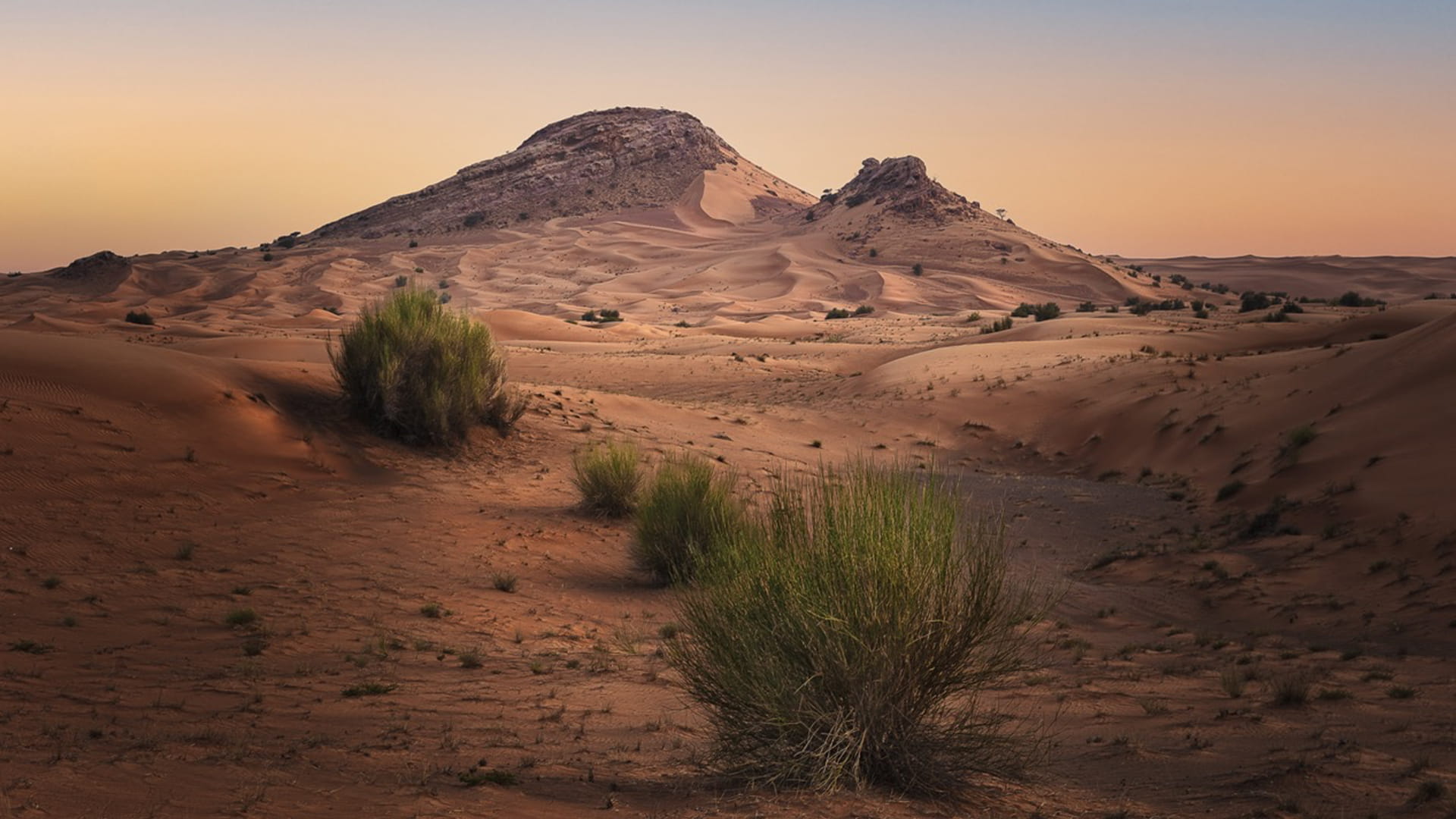
On International Day for Monuments and Sites, Al Faya World Heritage Site in the Emirate of Sharjah stands out as one of the most important archaeological sites in the world. The site, inscribed on the World Heritage List in 2025, preserves evidence documenting human presence in the region for over 200,000 years, making it one of the oldest and longest-lasting integrated records of early human existence in a desert environment and a key reference for understanding early migration routes and human dispersal out of Africa.
Al Faya offers a broader model of the concept of a cultural landscape; its multi-layered archaeological record spans from the Paleolithic to the Neolithic periods, documenting long-term human movement patterns, the ability of humans to adapt to the environment, and the capacity to survive successive climatic shifts.
Al Faya continues to attract academic and scientific attention
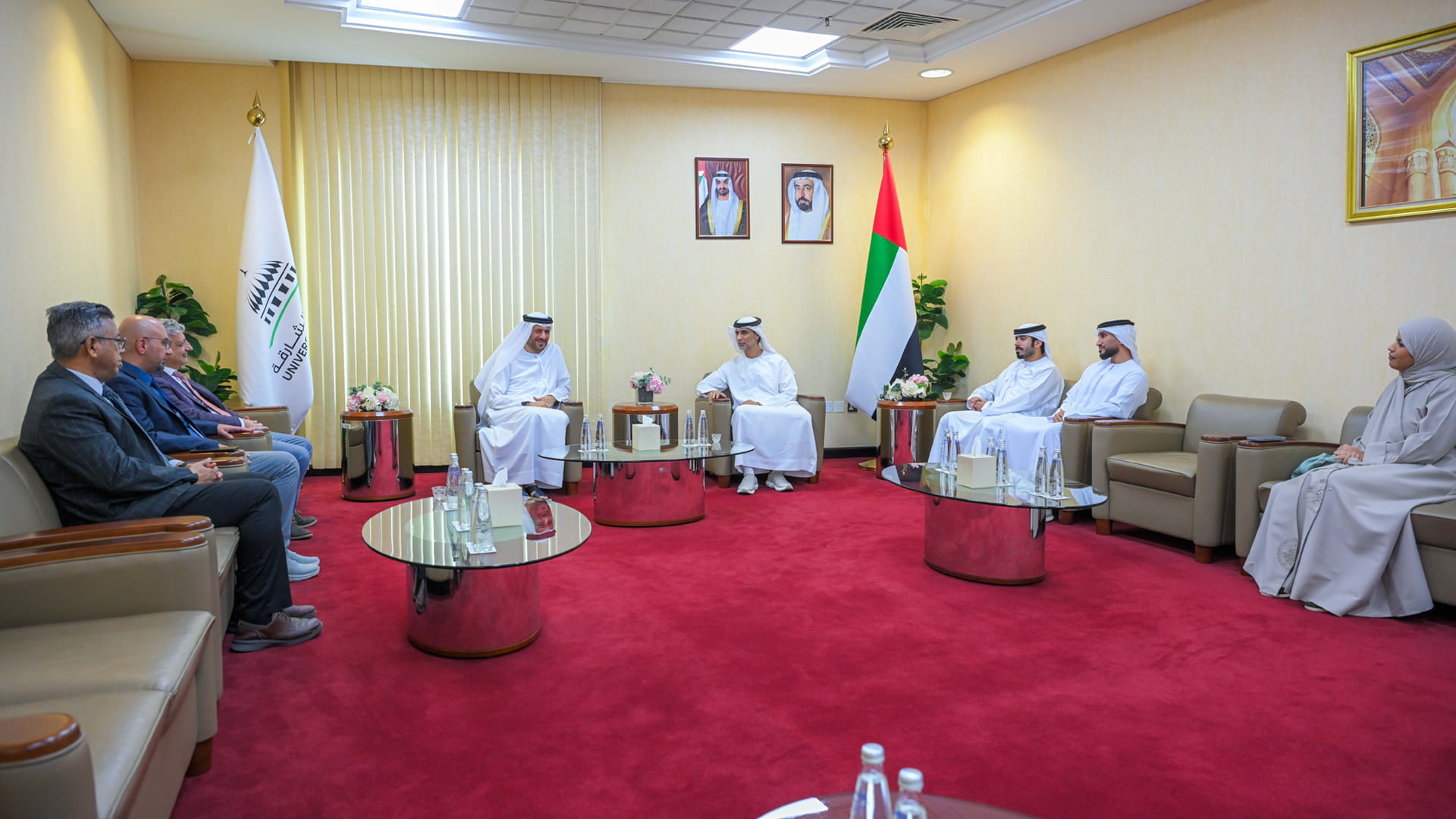
Since its inscription, Al Faya World Heritage Site has continued to attract academic and scientific attention from around the world. The site benefits from research support under the auspices of the Sharjah Archaeology Authority, including Al Faya Research Grant, a major initiative worth AED 2 million running from 2026 to 2028, which is currently undergoing scientific evaluation with the participation of leading regional and international academic institutions. These efforts enhance the UAE’s standing in heritage science and archaeological research.




 For an optimal experience, please