
Loading...
Loading...

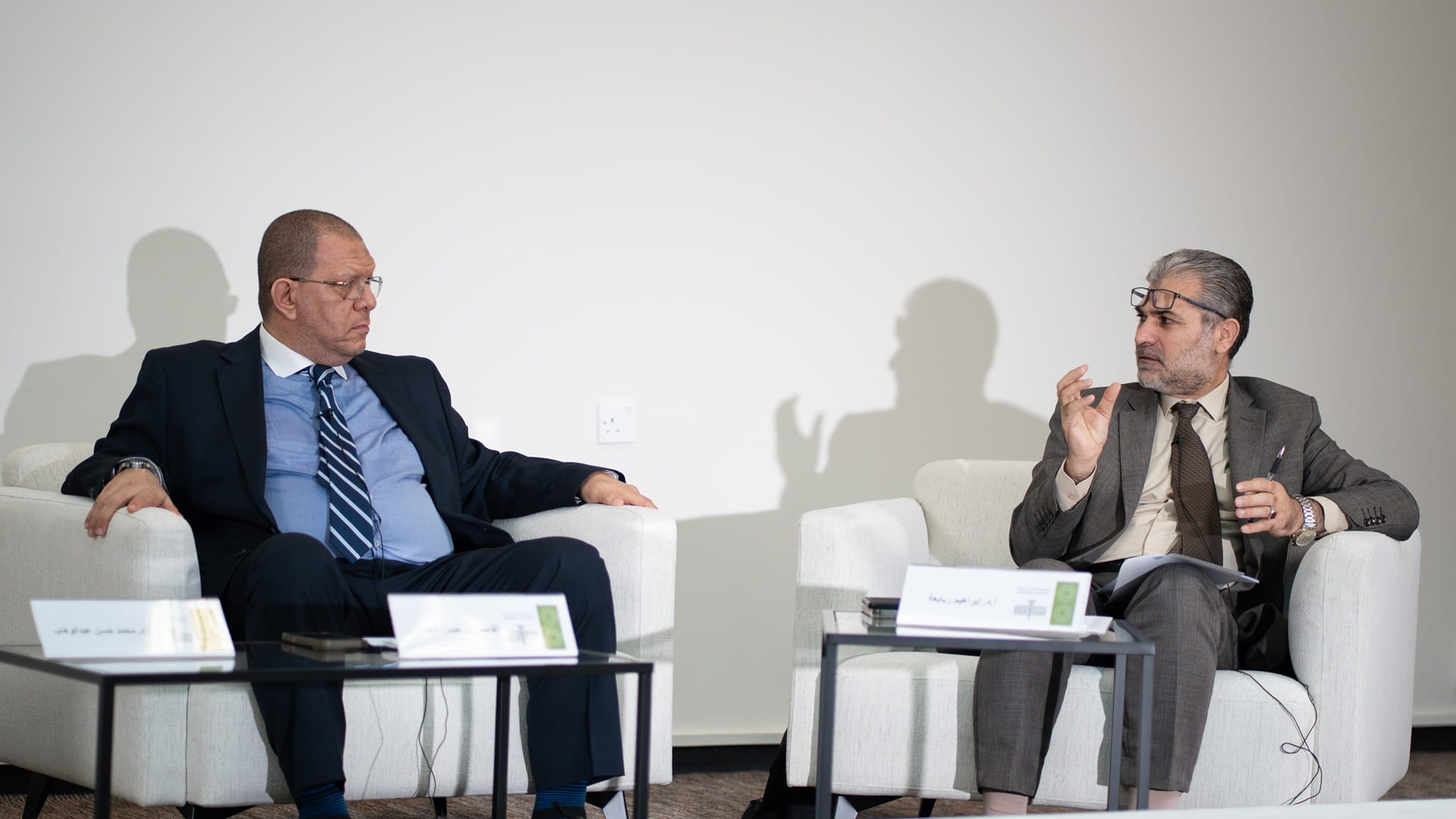
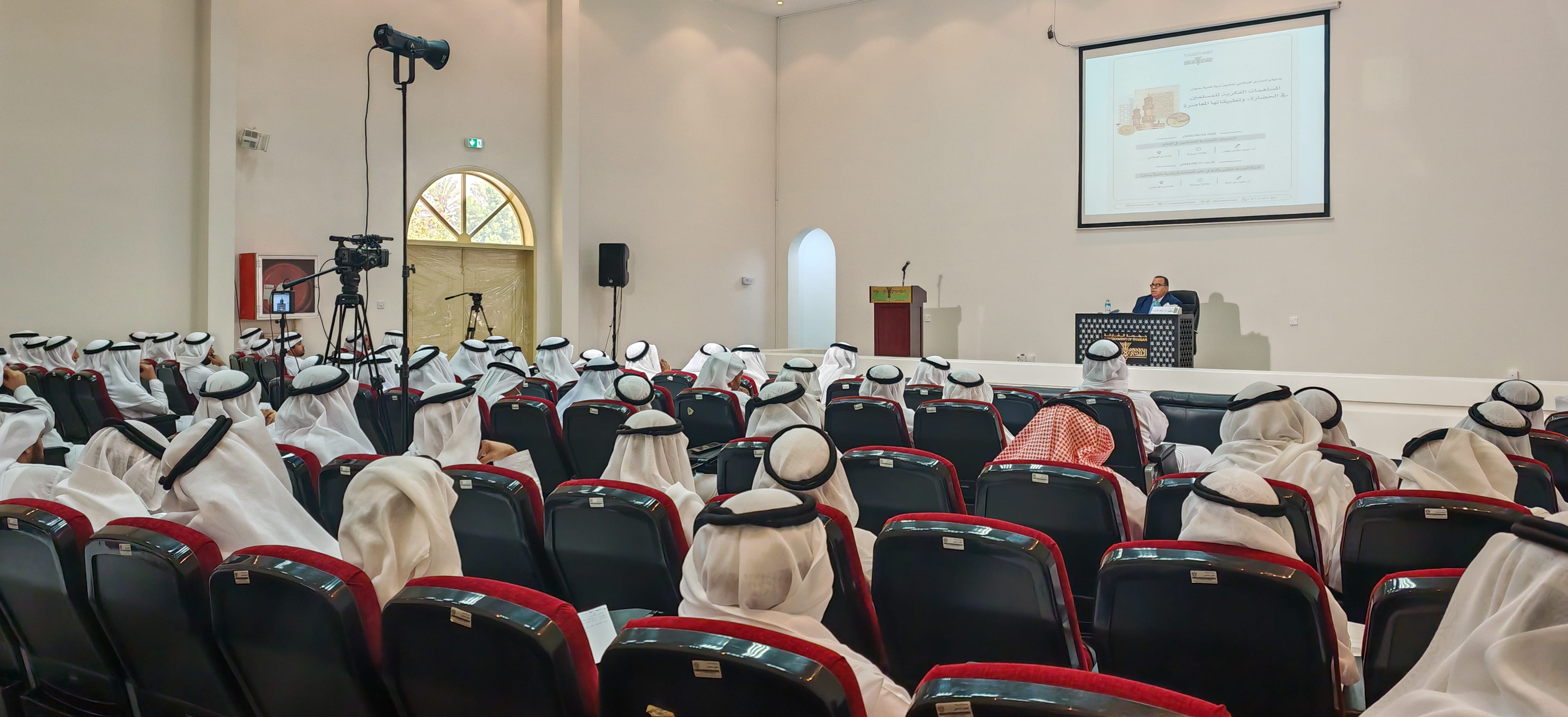
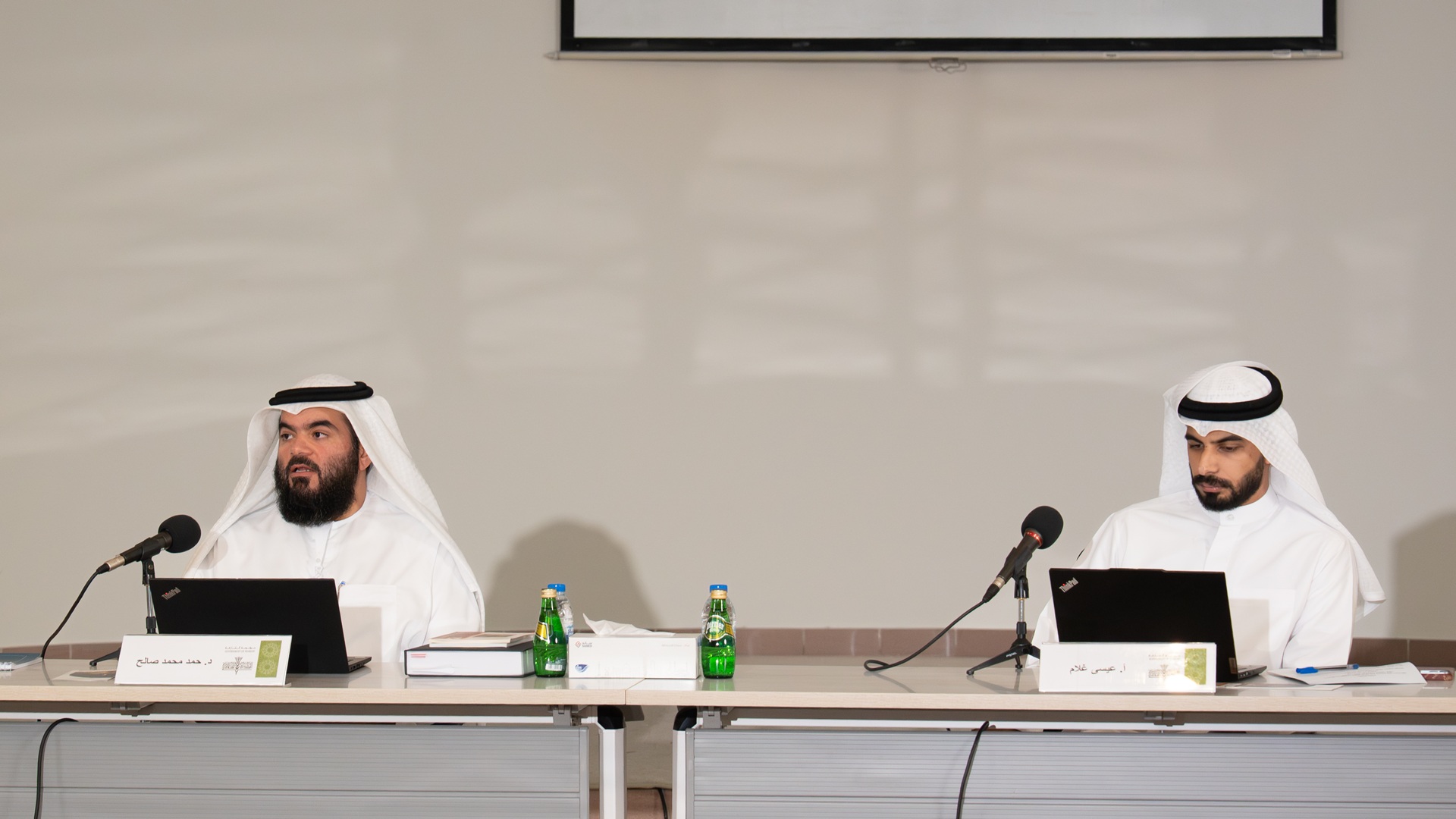
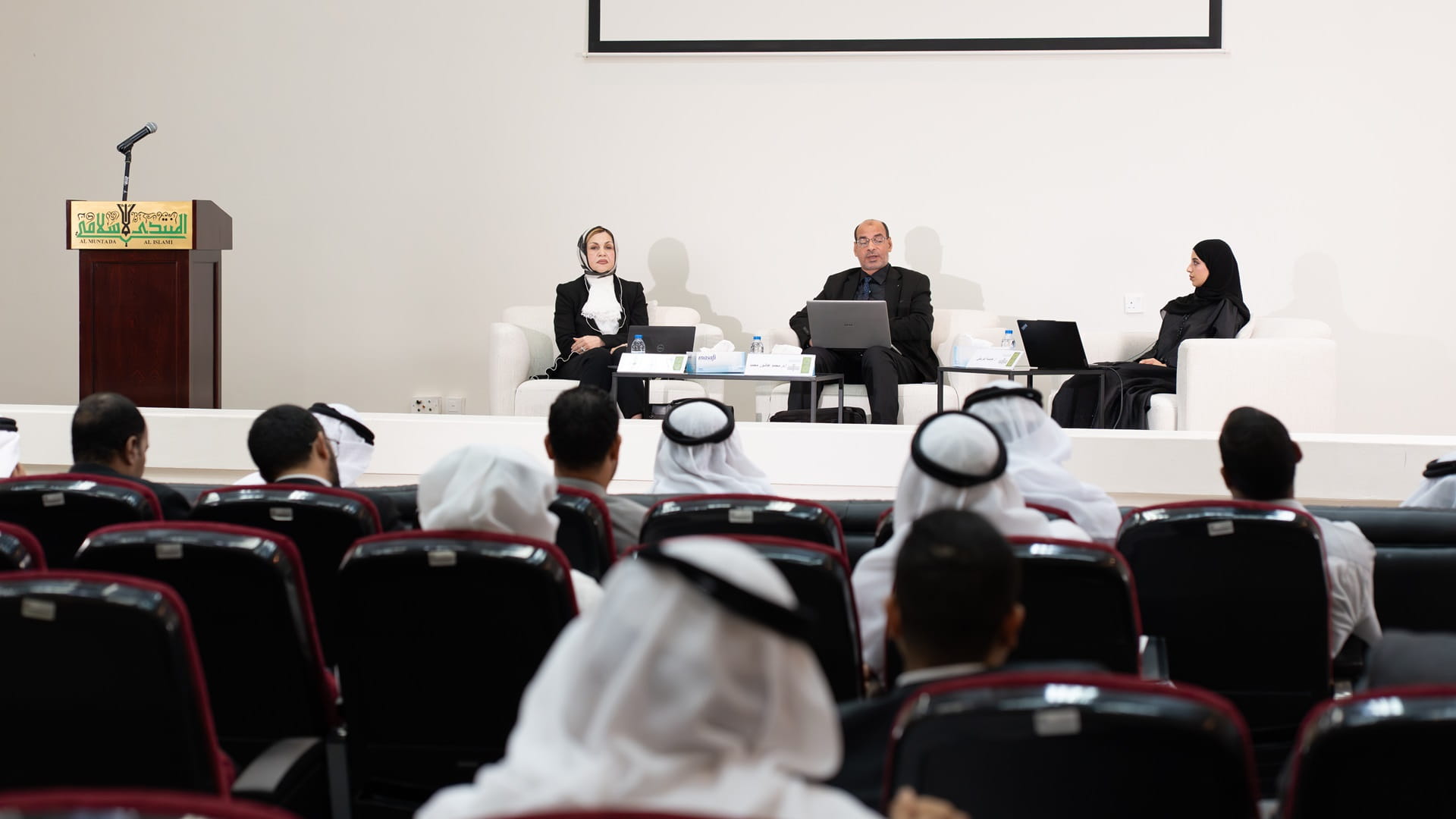
On Tuesday, 31 March 2026, the first day featured two sessions. Dr. Youssef Hamito, professor at Mohamed bin Zayed University for Humanities, presented “Codifying Fiqh: Definitions and Concepts,” explaining codification as organising Sharia rulings into clear, binding legal texts and highlighting differences between traditional fiqh and codified law. The session also addressed challenges in converting fiqh interpretations into enforceable legislation and the historical development of codification in the Islamic world.
Judge Dr. Hassan Al-Husseini discussed the UAE’s legislative process, from drafting to approval, emphasising the integration of Islamic law with modern statutory laws to ensure justice, flexibility, and adherence to best global legal practices.
The second session focused on fiqh’s role in developing contemporary legal systems, including key principles like “harm must be removed” and “hardship brings ease,” and their application in personal status, financial transactions, and Islamic banking legislation, demonstrating fiqh’s adaptability to economic and social changes.
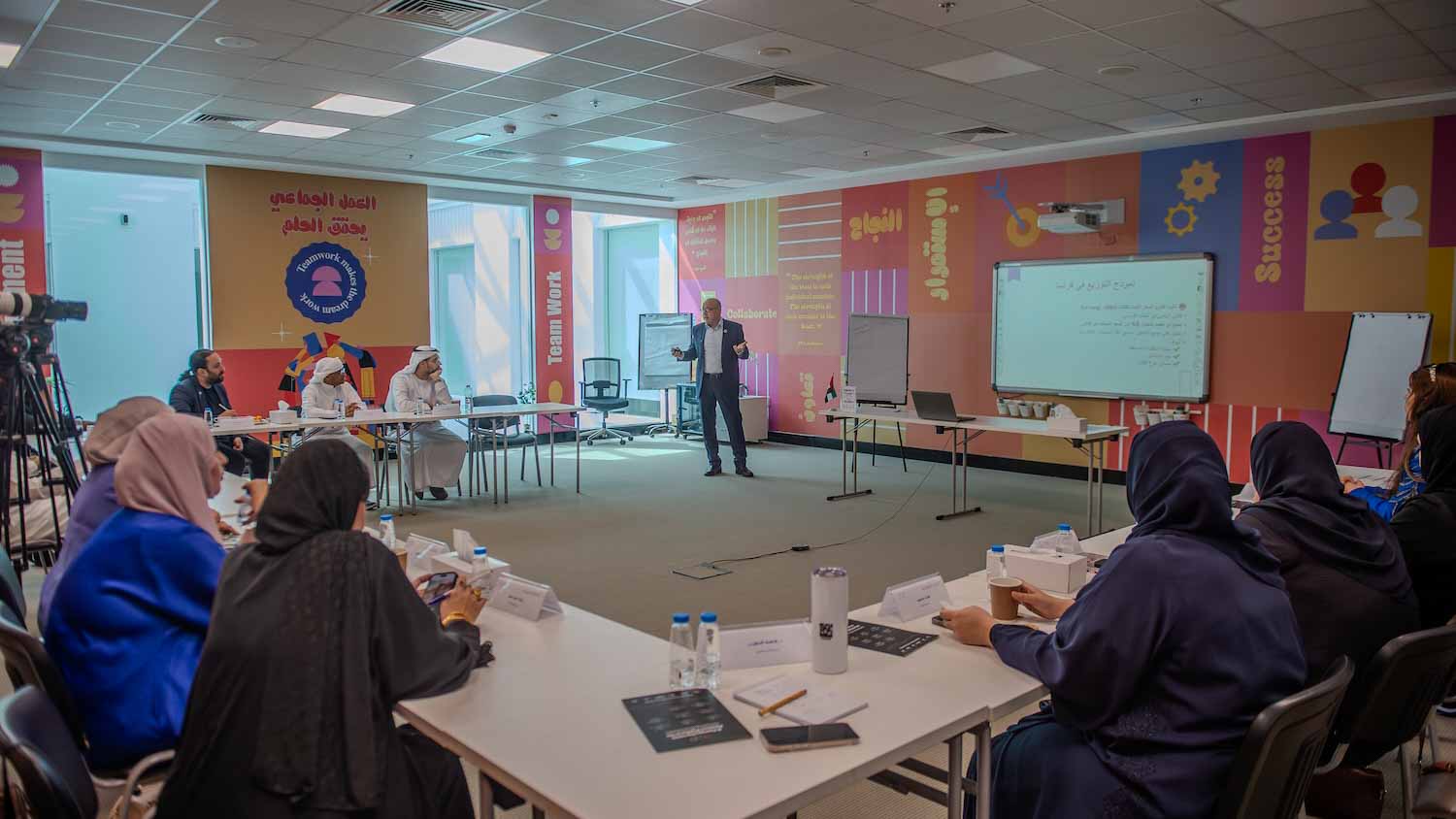
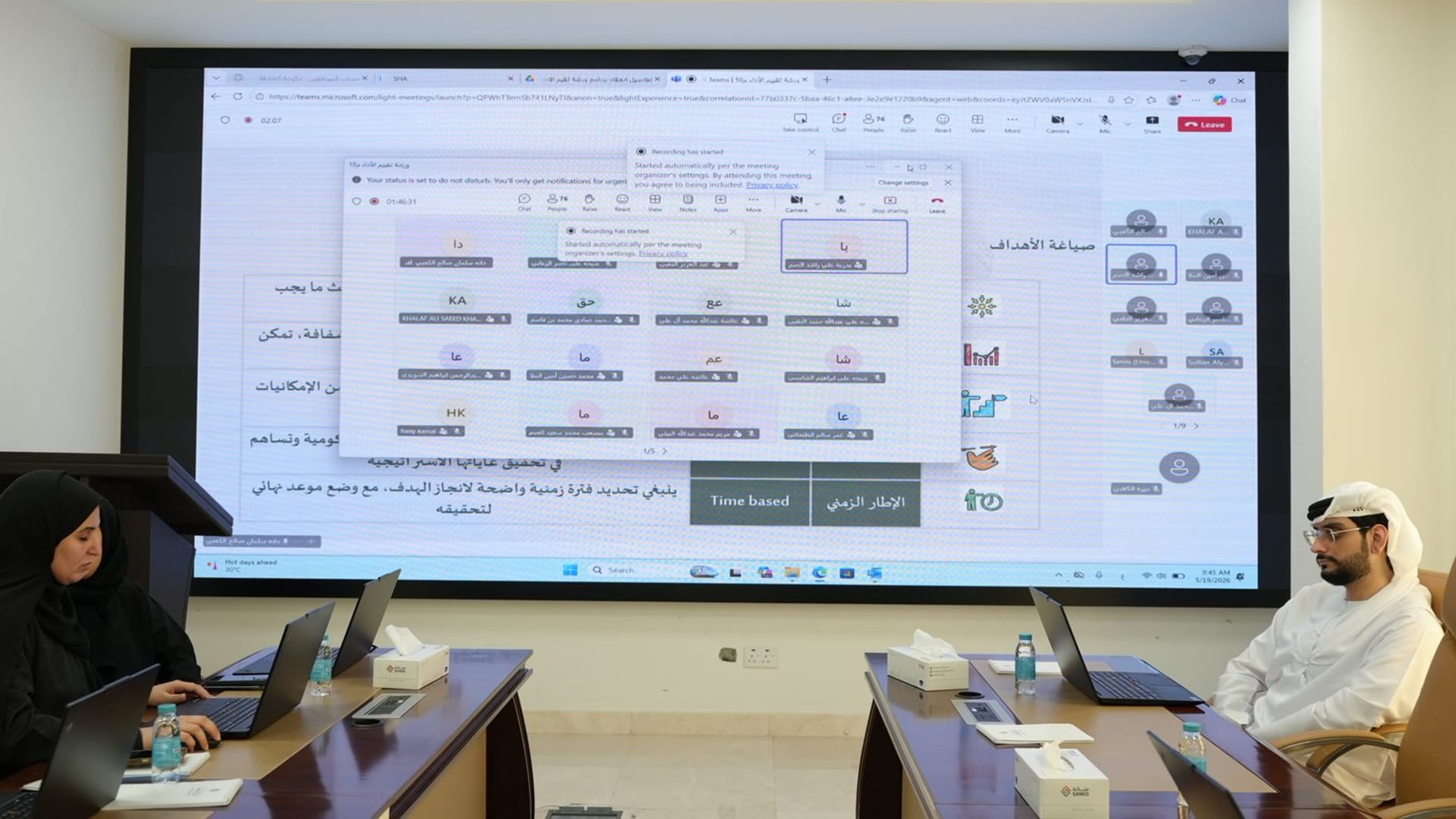
On Wednesday, 1 April 2026, sessions explored the role of judicial ijtihad in activating fiqh codification, interpreting legal texts, reconciling different fiqh schools, and the importance of legal precedents in unifying rulings and ensuring stability. The second session examined using general fiqh principles in drafting flexible, coherent laws and highlighted collective ijtihad institutions, including the Accounting and Auditing Organisation for Islamic Financial Institutions (AAOIFI), as a model for harmonising global Islamic financial standards.
The seminar highlighted codifying fiqh as a way to align Islamic law with contemporary societal needs, address rapid social changes, unify judicial references, and develop a rigorous methodology for fiqh codification linking classical principles with modern legal requirements. The Islamic Forum emphasised supporting specialised research and fostering dialogue between scholars and legal experts to advance an integrated legislative system grounded in Islamic values.

 For an optimal experience, please
rotate your device to portrait mode.