
Loading...
Loading...

The forum is held in accordance with the directives of His Highness the Ruler of Sharjah to honour literary figures who have contributed to Arab culture. This is the seventh time the forum has been held in Egypt, having previously honoured a number of Egyptian creative figures in its earlier editions.
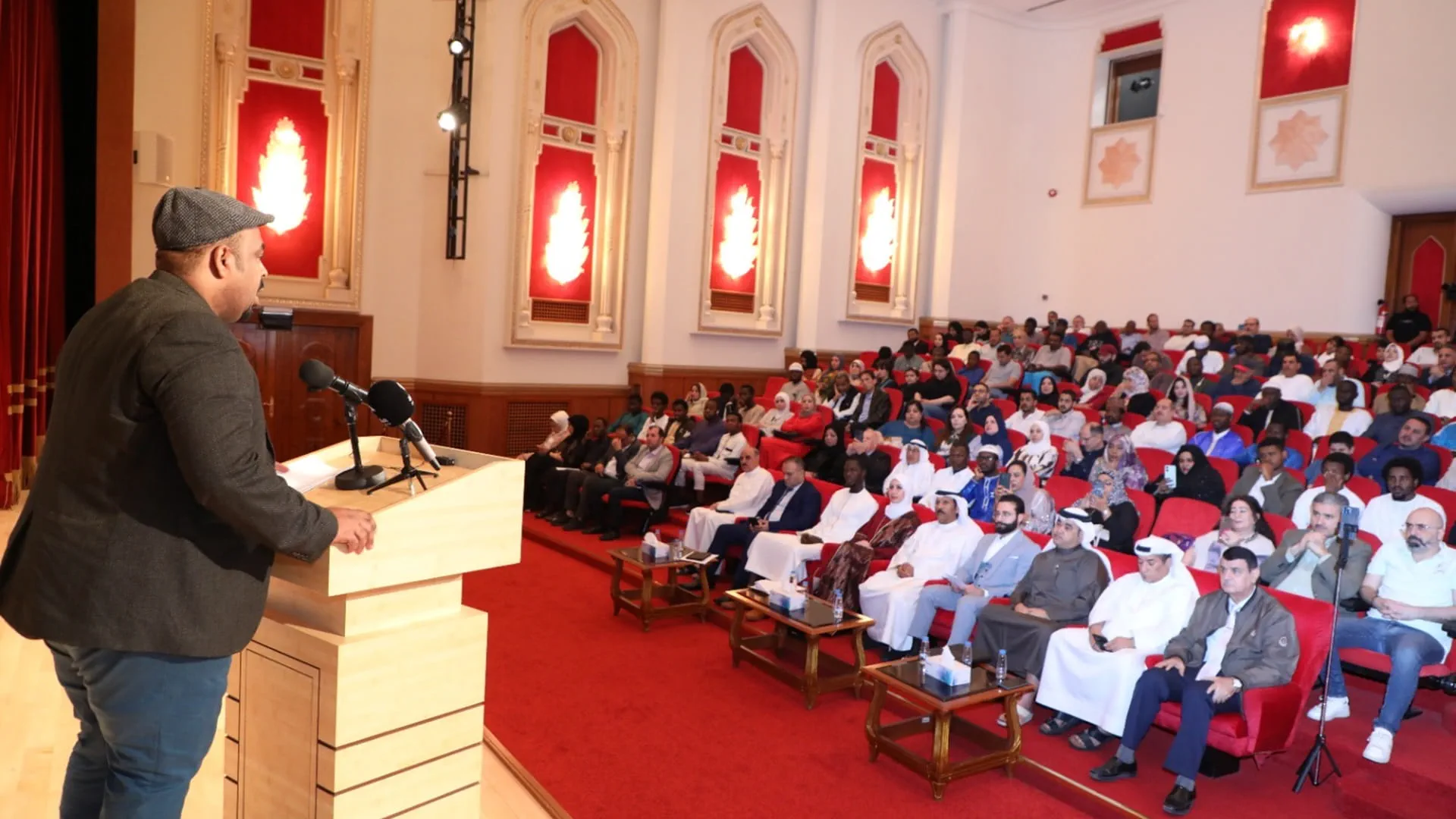
The ceremony was held at the headquarters of the Supreme Council of Culture in Cairo, in the presence of His Excellency Abdullah bin Mohammed Al Owais, Head of the Department of Culture in Sharjah; Mr Mohammed Ibrahim Al Qasir, Director of the Department of Cultural Affairs; Professor Ashraf Al-Azzazi, Secretary-General of the Supreme Council of Culture in Egypt; Mr Talal Abdullah, representative of the UAE Embassy in Egypt; and a large number of Egyptian and Arab writers, thinkers, and intellectuals.
In his address, Al Owais recalled the beginnings of the Sharjah Cultural Honouring Forum, noting that Egypt hosted the forum's first tour before it continued its long journey across the Arab world. He said, "We are delighted to meet today at the Sharjah Cultural Honouring Forum, in its 25th edition. This forum, whose first edition was launched here in Egypt, has continued its journey across the Arab world, celebrating Arab writers and literary figures through a cultural initiative sponsored by His Highness Sheikh Dr Sultan bin Mohammed Al Qasimi, Supreme Council Member and Ruler of Sharjah, in appreciation of those who wield the power of the written word and pursue noble endeavours."
Al Owais pointed out that the forum returns to Egypt for the seventh time, marking a bright milestone in the Arab cultural landscape and serving as a platform to celebrate thought and creativity, and to honour literary figures who have dedicated themselves to Arab culture, making giving a mission and knowledge a path to human advancement. He said that this ceremony is dedicated to honouring a select group of Egyptian writers and intellectuals who have enriched Arab culture with profound thought and a broad humanistic vision, contributing to its continued relevance. He noted that the honour is a well-deserved recognition of Egypt's rich cultural heritage and its writers, intellectuals, and poets who, across generations, have formed a cornerstone of Arabic literature and a constant source of intellectual, enlightening, and aesthetic inspiration.
Al Owais emphasised that this honour is a powerful expression of the fruitful cooperation between the Sharjah Department of Culture and the Egyptian Ministry of Culture, stemming from the deep-rooted fraternal relationship between the United Arab Emirates and the Arab Republic of Egypt, under the wise leadership of both countries.
The Head of the Department of Culture conveyed the greetings of His Highness the Ruler of Sharjah, saying, "I am honoured to convey the congratulations of His Highness Sheikh Dr Sultan bin Mohammed Al Qasimi, Supreme Council Member and Ruler of Sharjah, to the honourees of this session. I also convey to you all His Highness's greetings and best wishes for your success."
At the beginning of his speech, Dr Ashraf Al-Azzazi welcomed the attendees, saying, "It is my honour to welcome you to the Supreme Council of Culture – the Egyptian House of Culture. We welcome our esteemed guests to Cairo, the city of Al-Muizz, which is always delighted by your presence and which always opens its arms to every intellectual, thinker, artist, and creator from all corners of the Arab world."
He added, "We meet today for a distinguished celebration within the framework of the Sharjah Cultural Honouring Forum initiative, which is under the generous patronage of His Highness Sheikh Dr Sultan bin Mohammed Al Qasimi, Supreme Council Member and Ruler of Sharjah, and is managed by the Sharjah Department of Culture."
He added, "The Sharjah Cultural Honouring Forum initiative seeks to honour prominent intellectual and cultural figures from across the Arab world. Beyond being a well-deserved tribute to those who lead the way in thought, creativity, and enlightenment in their homelands, it serves as an incentive and motivation for these intellectuals to produce more and continue enriching the Arab cultural scene with their distinguished intellectual works, serving their countries, societies, and the causes of their nation. It also acts as a message and inspiration to their peers to strive for greater brilliance and creativity."
Al-Azzazi noted, "The Sharjah Cultural Forum is establishing a new tradition of honouring and appreciating intellectuals. They are being honoured in their own countries and among their own people, which carries profound meaning and significance, as it also signifies a celebration of the countries and societies to which they belong. Undoubtedly, an intellectual is a product of their environment; they were raised in it, influenced by it, interacted with it, and in turn influenced it. This reflects an appreciation for the cultural contributions of this society and its role in creating a suitable and stimulating environment for the creativity and brilliance of its intellectuals and thinkers."
He added, "This year, the Forum has selected a group of distinguished figures whom we are delighted to honour today: the writer and professor, Mr Sayed Najm; Professor Dr Abdel Hakim Radi; Dr Camelia Abdel Fattah; and the writer, Mohsen Younis. Each of them has made outstanding intellectual contributions that have enriched cultural life in Egypt and the Arab world. Therefore, we extend to them our sincere congratulations and appreciation."
Those honoured expressed their delight at the cultural recognition, affirming that Sharjah, thanks to the efforts of His Highness Sheikh Dr Sultan bin Mohammed Al Qasimi, Supreme Council Member and Ruler of Sharjah, has become a leading pillar and the beating heart of Arab culture, nurturing creative writers, poets, and artists, and a center that embraces high-quality cultural initiatives that enhance communication among Arab intellectuals and contribute to disseminating thought and knowledge and showcasing Arab creativity on an Arab and international levels.
In this regard, Dr Abdul Hakim Radi said: "I received the news of this generous gesture with a feeling that is a mixture of gratitude to its benefactor, His Highness Sheikh Dr Sultan bin Mohammed Al Qasimi, Supreme Council Member and Ruler of Sharjah, whose generosity extends from the Gulf to the far reaches of North Africa."
He added: "I also received the news with a sense of satisfaction and self-acceptance, as it confirmed to me that the effort and perseverance I exerted in reading the Arab heritage—especially in the fields of rhetoric and criticism—was not in vain, nor out of mere curiosity or luxury, and that this effort had its own unique character, impact, and value, which it has retained and will continue to carry for a long time."
Mohsen Younes said: "Sharjah has dedicated its efforts to serving Arab culture, creating a dynamic and vibrant atmosphere among intellectuals and writers. This is all part of strengthening the Arab cultural landscape under the generous patronage of His Highness the Ruler of Sharjah. This includes numerous events, such as the 'Sharjah Cultural Honouring Forum,' which aims to document the journeys and creative works of writers. This forum is a continuation and reaffirmation of His Highness's efforts to support intellectuals and those who contribute to the intellectual life of the Arab world. It also reinforces the foundations of the Sharjah Cultural Project, which we in Egypt follow with great pride and appreciation. This celebration has become an annual tradition, and today's event underscores the role of Arab intellectuals in elevating cultural activity and creative expression in Arab countries. We are delighted to honour a distinguished group of them, myself included, a privilege I receive after a long and distinguished creative journey."
Camelia Abdel Fattah said, "Cultural activity plays a vital role in enhancing the mission of writing and the message of criticism. It is from this that it derives its value in enriching awareness. Honouring writers is a cultural act that reinforces values, affirms relevance, and propels intellectual and creative advancement. Therefore, I express my pride in this honour and extend my warmest greetings and sincere appreciation to His Highness the Ruler of Sharjah, who consistently supports culture and intellectuals."
She pointed out that writing is not a choice, but an existential imperative, like our lives and birth. She added, "Writing is an aesthetic act and an aesthetic solution, as I described it in the pages of my doctoral dissertation. It is an aesthetic solution that confronts the problems and dilemmas of existence in its own unique way. It cannot design an architectural structure, administer a pill, or plant a seed in a field, but it stands behind all of this through its ability to stimulate awareness and refine our sense of beauty, truth, and goodness." Mr Najm said, "It's perhaps redundant to say that the idea of honouring someone is truly positive and capable of beautiful giving. This is precisely what I felt upon hearing the news of Sharjah's honouring me. As for the Emirate of Sharjah, I have always been grateful to it and followed its cultural activities, which it undertakes to present to our Arab people in the United Arab Emirates, to intellectuals throughout the Arab world, and indeed to all intellectuals worldwide."
He added, "To everyone who contributed to making this honour possible, the journey has been long but fruitful, thanks to your recognition in Sharjah."
Novelist and short story writer Mr Najm was born in Cairo in 1948. He holds a Bachelor's degree in Veterinary Medicine and postgraduate degrees in Public Health and Food Hygiene.
His published works include: "The Journey" (short stories), "The Days of Youssef Al-Mansi" (novel), "The Trap" (short stories), and other narrative works.
Critic Abdel Hakim Radi was born in Giza in 1939. He is a full-time professor of literary criticism and rhetoric in the Arabic Language Department at the Faculty of Arts, Cairo University. He has published numerous critical works, including: *Arabic Criticism: Historical Approaches*, *Rhetorical and Critical Texts: Ancient and Modern* (co-authored, Central Agency for University Books, 1977), and *Arabic Poems* (selections from Arabic poetry, 1978).
Writer Camelia Abdel Fattah was born in Qena Governorate in 1963. She holds a doctorate in modern Arabic literature and criticism. Her most prominent works include the novel *To Sway You*, the short story collection *Mountains of Kohl* (2020), and the poetry collection *Be Birds* (2019).
Author Mohsen Younis was born in 1960. He holds a diploma in special education and worked for several years at the Ministry of Education. His works include: "Proverbs," a collection of short stories (1980); "Words Here Are for the Poor," a collection of short stories (1989); "Aziz the Sweet Confectioner," a novel (1998); and other publications.
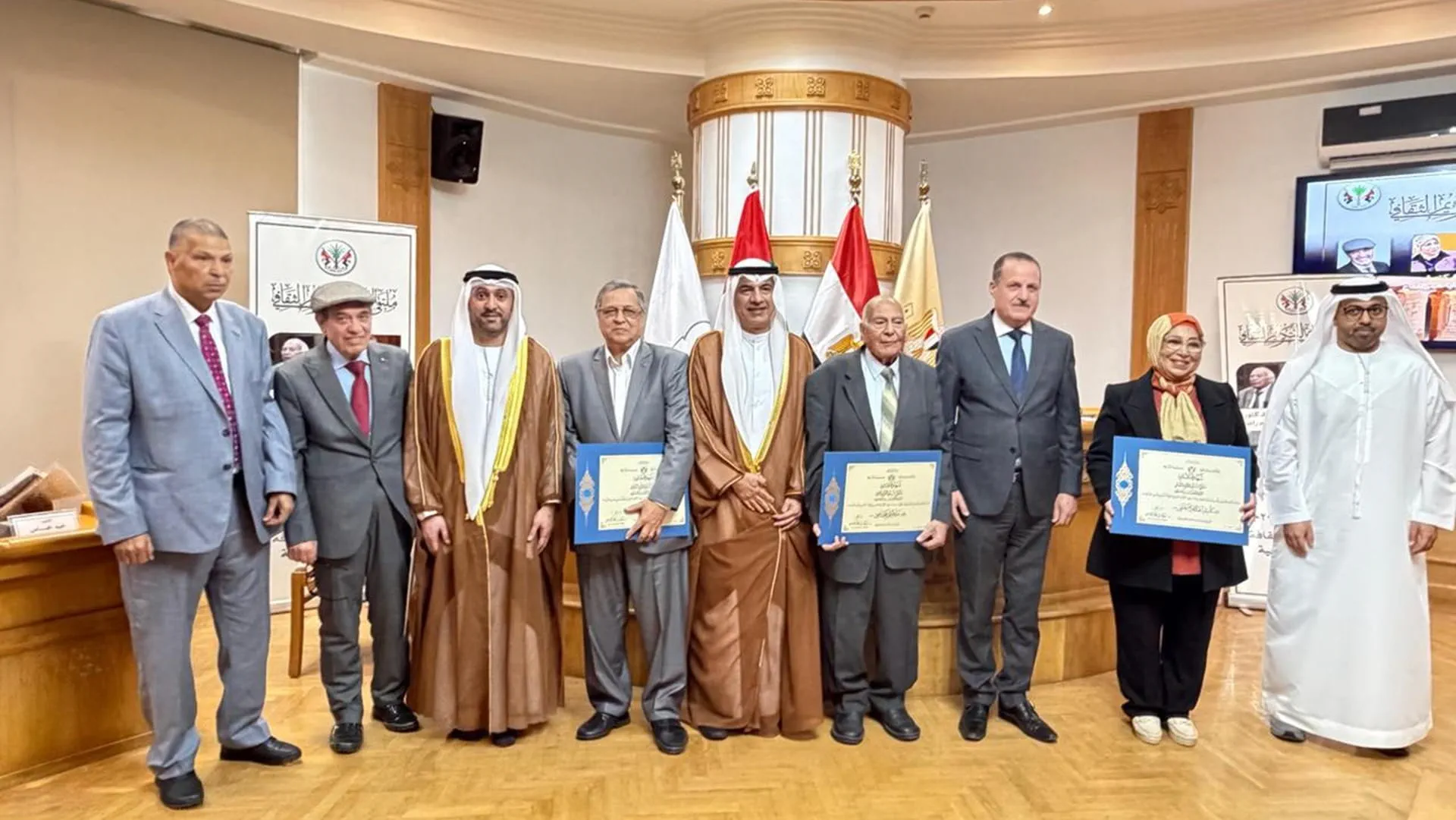
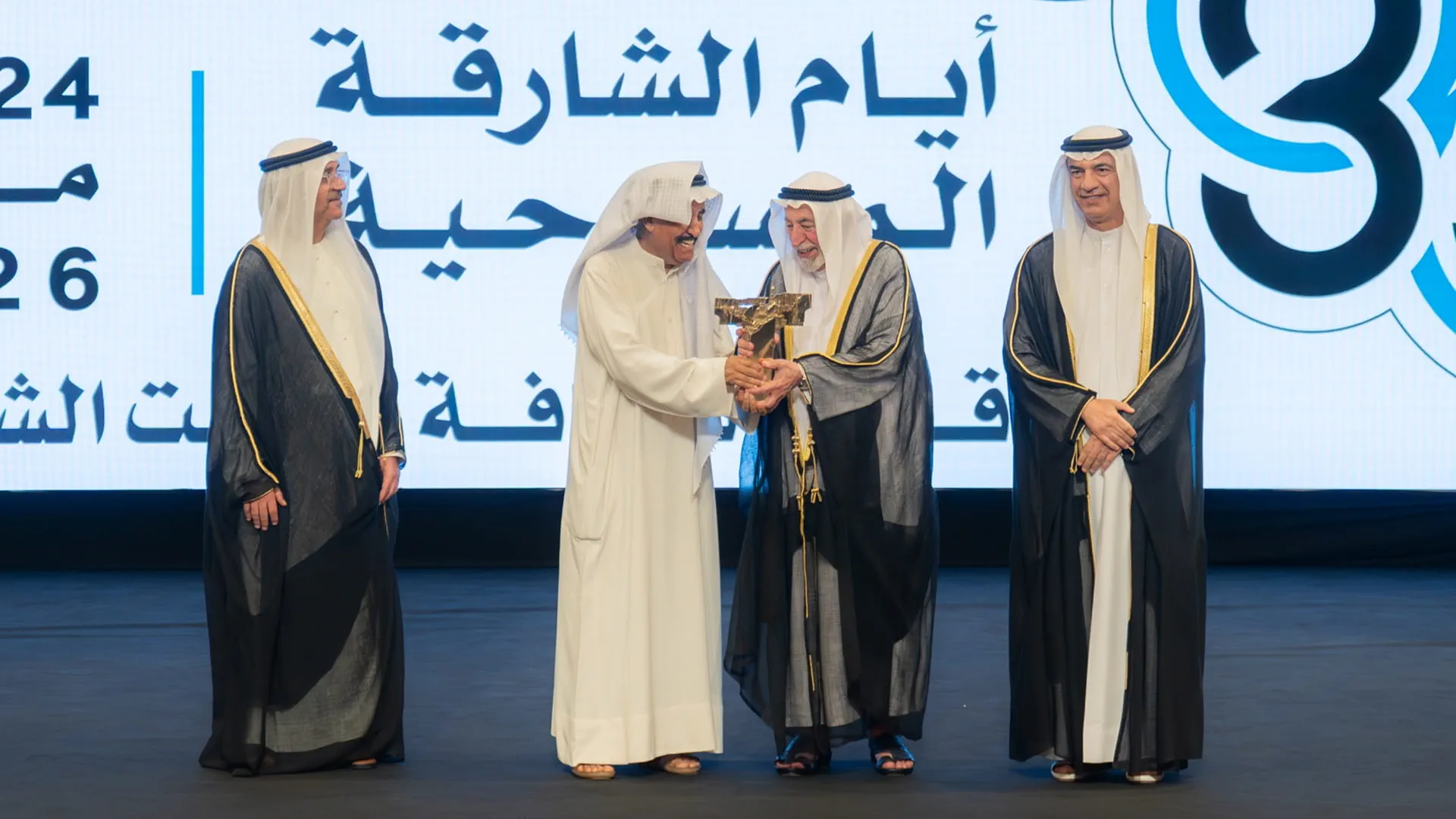
At the conclusion of the ceremony, Abdullah Al Owais, Mohammed Al Qasir, and Al Azazi presented the four honourees with certificates of appreciation bearing the signature of His Highness the Ruler of Sharjah, in recognition of their literary and intellectual contributions to the Arab cultural scene.
The attendees watched a documentary presentation depicting scenes from the Sharjah Cultural Honouring Forum's visits to Egypt, recalling the history of the forum, which originated in Egypt and has toured the Arab world for more than twenty sessions. The documentary also included photographs of the honourees of this year's forum.
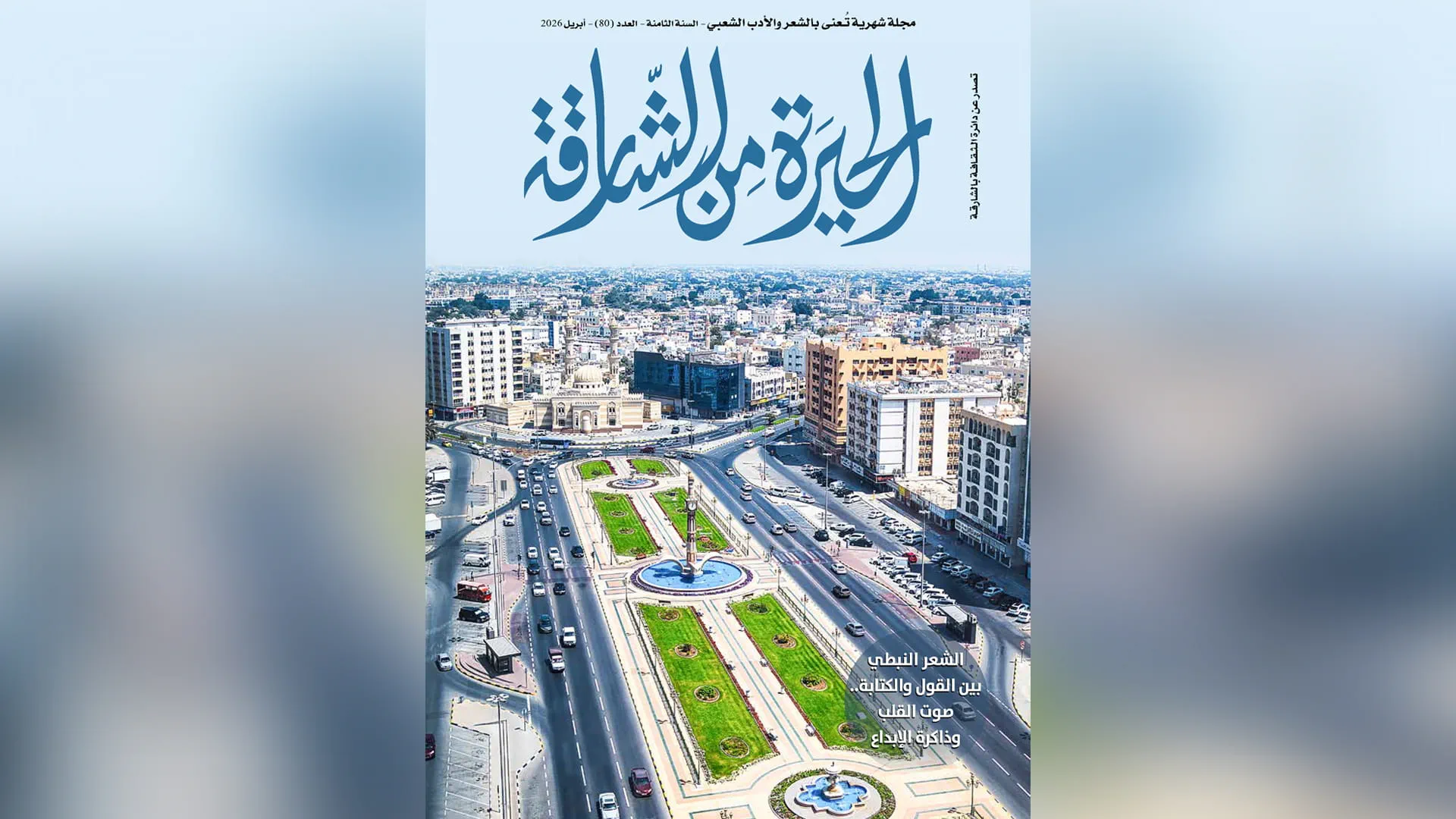
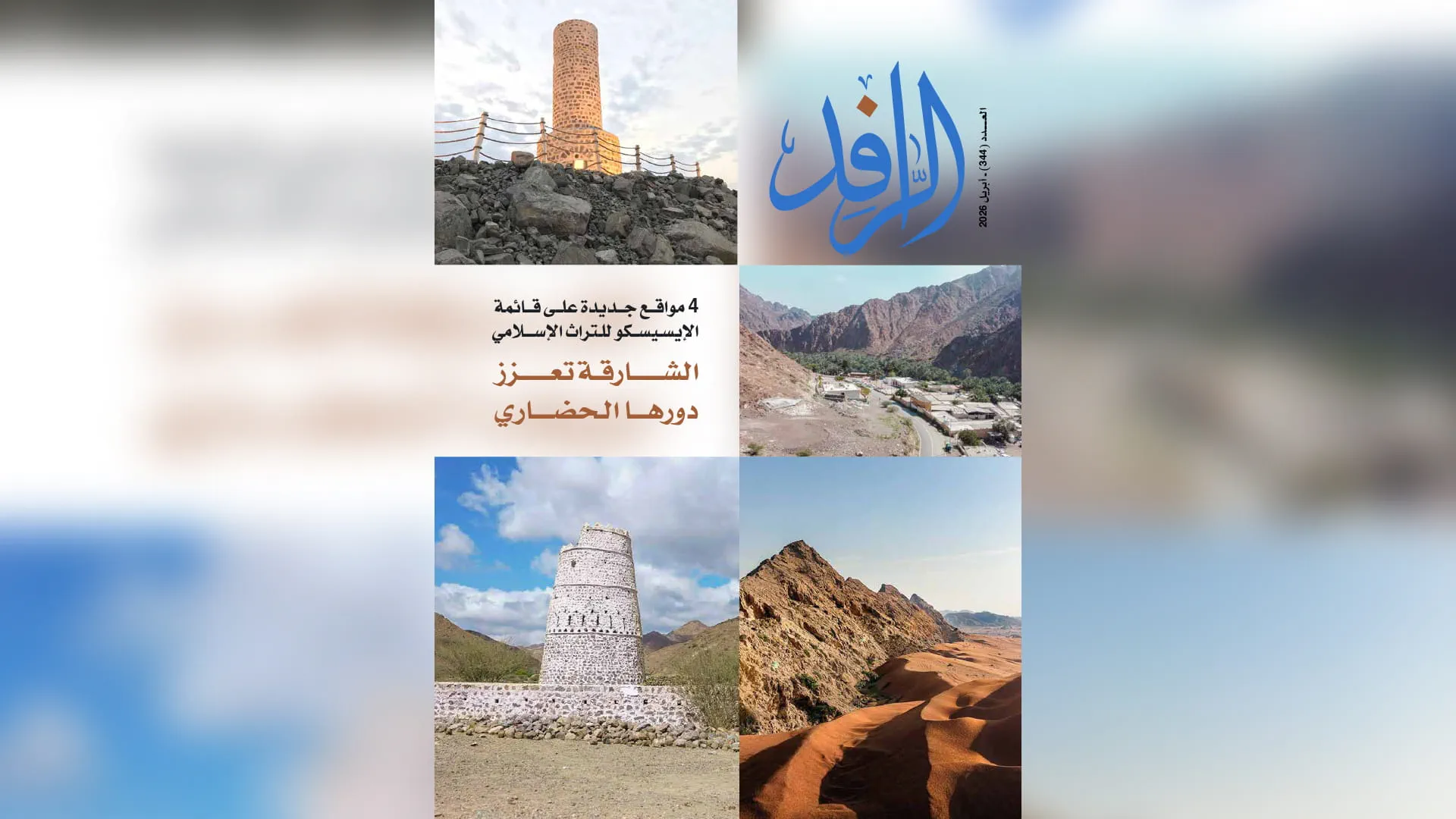
The honouring ceremony was accompanied by an exhibition that included a number of publications from the Sharjah Department of Culture, including: Sharjah Cultural Magazine, Al Rafid Magazine, Al Qawafi Magazine, and Al Masrah Magazine, in addition to a number of books whose titles varied between poetry, novels, theater, criticism, and other creative titles, and the attendees were able to acquire the publications.

 For an optimal experience, please
rotate your device to portrait mode.