
Loading...
Loading...

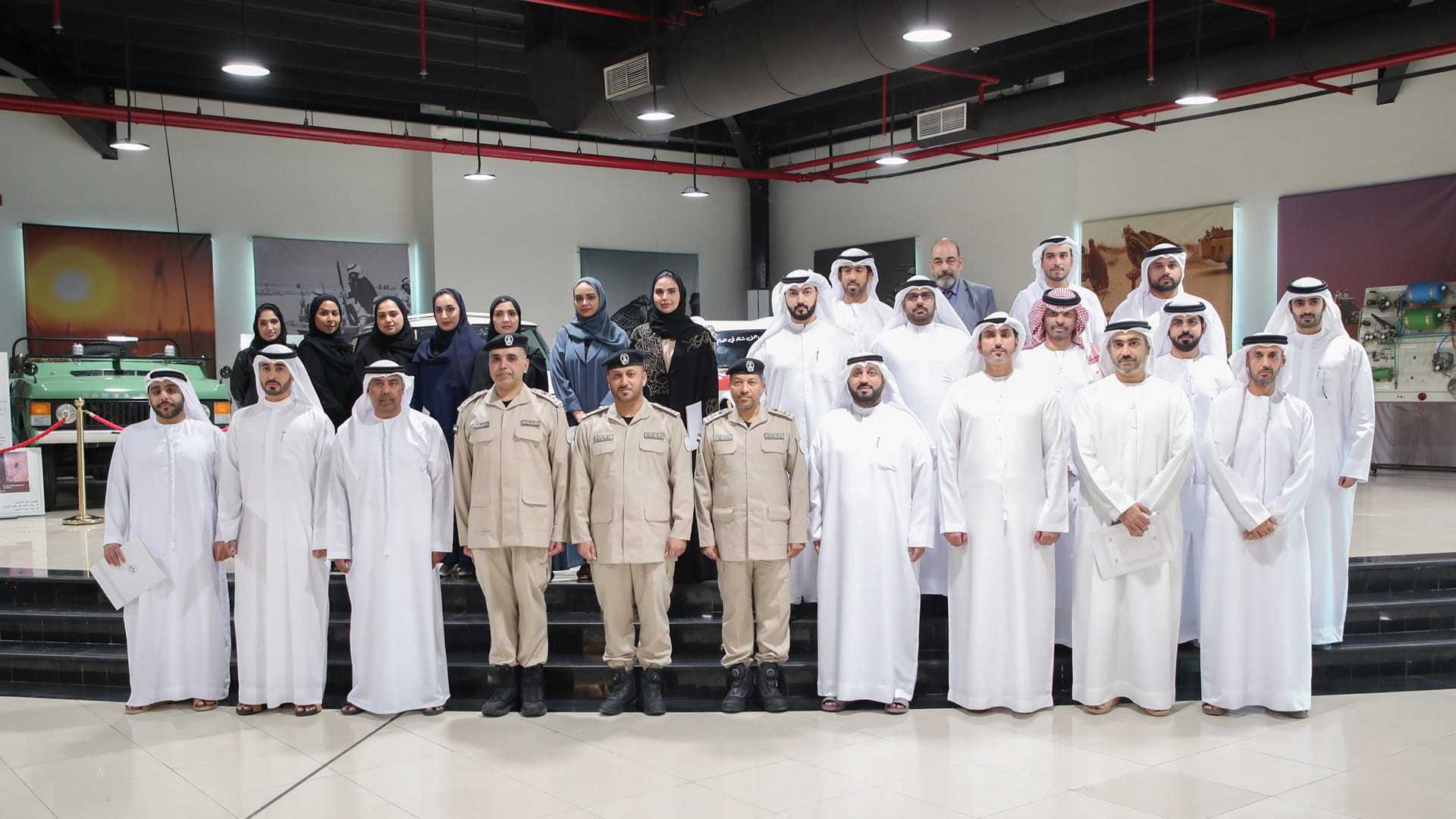
The programme focuses on developing participants’ skills and enhancing their knowledge in digital leadership, emerging technologies, and change management. It also enables them to design plans and strategies that support the efficient and sustainable implementation of digital initiatives within a framework of connectivity, integration, and flexibility.
The programme targets a select group of employees from government entities working in digital transformation and information technology. It covers digital readiness, modern ways of working, and the adoption of digital enablers and unified systems. It also focuses on developing leadership and technical skills, as well as strengthening the ability to adopt modern technologies such as artificial intelligence and cloud computing. This contributes to improving government performance efficiency and enhancing the quality of services provided.
The programme, delivered by the department in partnership with the Udacity platform, part of Accenture, runs over six weeks. It includes specialised workshops and interactive sessions, as well as applied projects designed to enable participants to design and implement real digital transformation initiatives within their organisations.
Participant outputs will be assessed against specific criteria to select the best projects and outstanding participants.
Her Excellency Eng. Lamya Obaid Al-Hosan Al Shamsi, Director of the Sharjah Digital Department, confirmed that the launch of the “Digital Transformation Expert” programme reflects the department’s commitment to building a more ready, efficient, and agile digital government, guided by a vision of “human-centric digital innovation”.
She said: “The programme is not a traditional training initiative, but rather a strategic milestone for investing in government human capital. It stems from our belief that true digital transformation begins with building the capabilities needed to lead it, enhancing the ability of government entities to keep pace with the rapid changes in government work, which now go beyond digitalisation towards a comprehensive approach that redefines work mechanisms, decision-making, and service design.”
She added that the programme aligns with the Sharjah Digital Transformation Strategy 2026–2028, which aims to deliver seamless and proactive digital services, enhance institutional human performance efficiency, and empower government entities with the necessary digital capabilities. It also seeks to develop a shared and secure digital infrastructure based on data, artificial intelligence, and emerging technologies.
She further noted that building digital capabilities is now a national necessity, explaining that the programme aims to prepare government talent with strategic thinking and technical awareness, capable of leading change and contributing to the development of an integrated and sustainable digital ecosystem.
The programme aims to establish a network of digital transformation leaders across government entities, strengthening institutional digital alignment and accelerating the implementation of transformation initiatives at the emirate level.
It reflects the Sharjah Digital Department’s shift from enabling digital tools to building sustainable institutional capabilities, thereby enhancing the readiness of the Sharjah Government to continue developing a more integrated, innovative, and future-ready digital government model.

 For an optimal experience, please
rotate your device to portrait mode.