
Loading...
Loading...

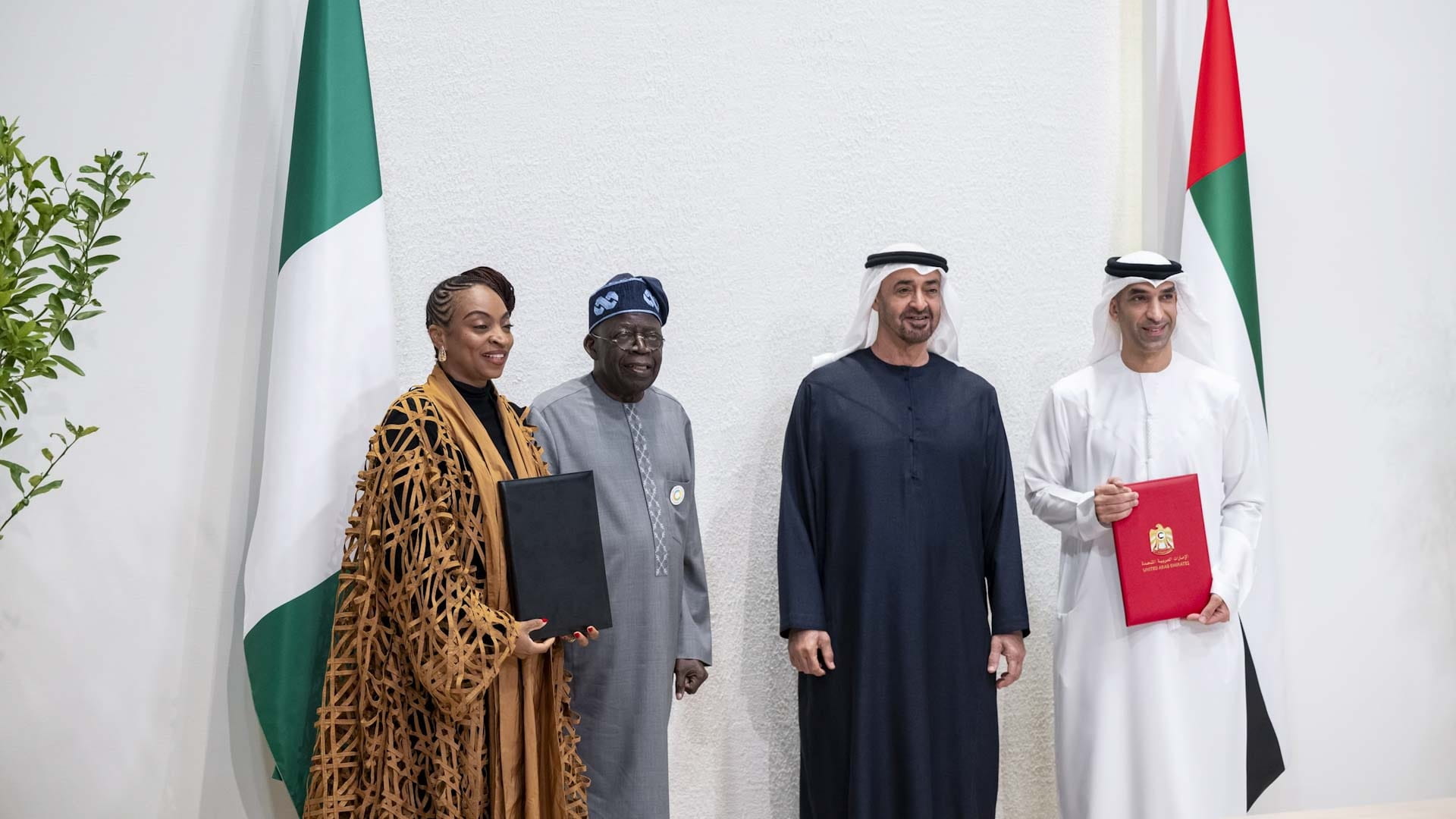
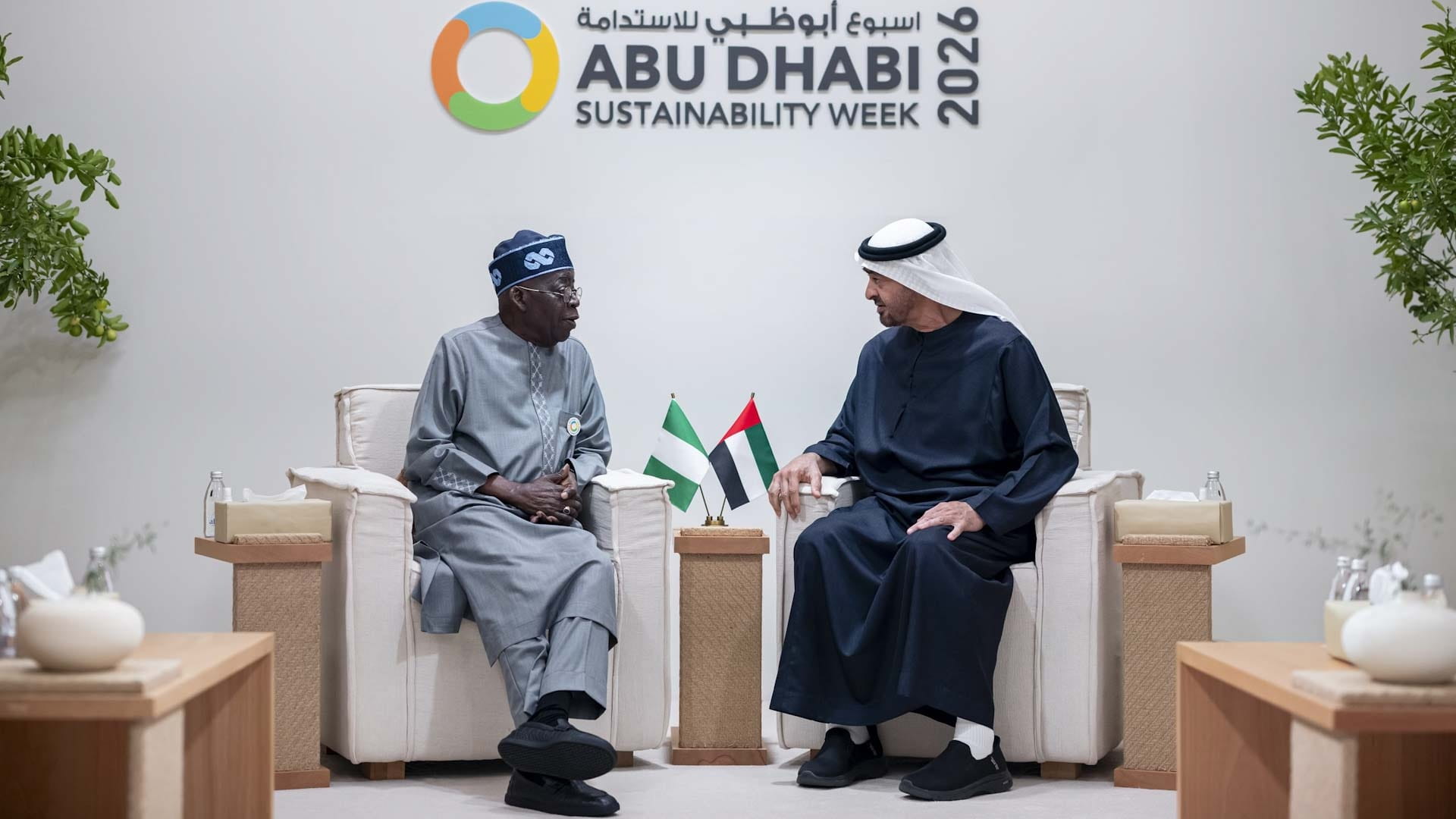
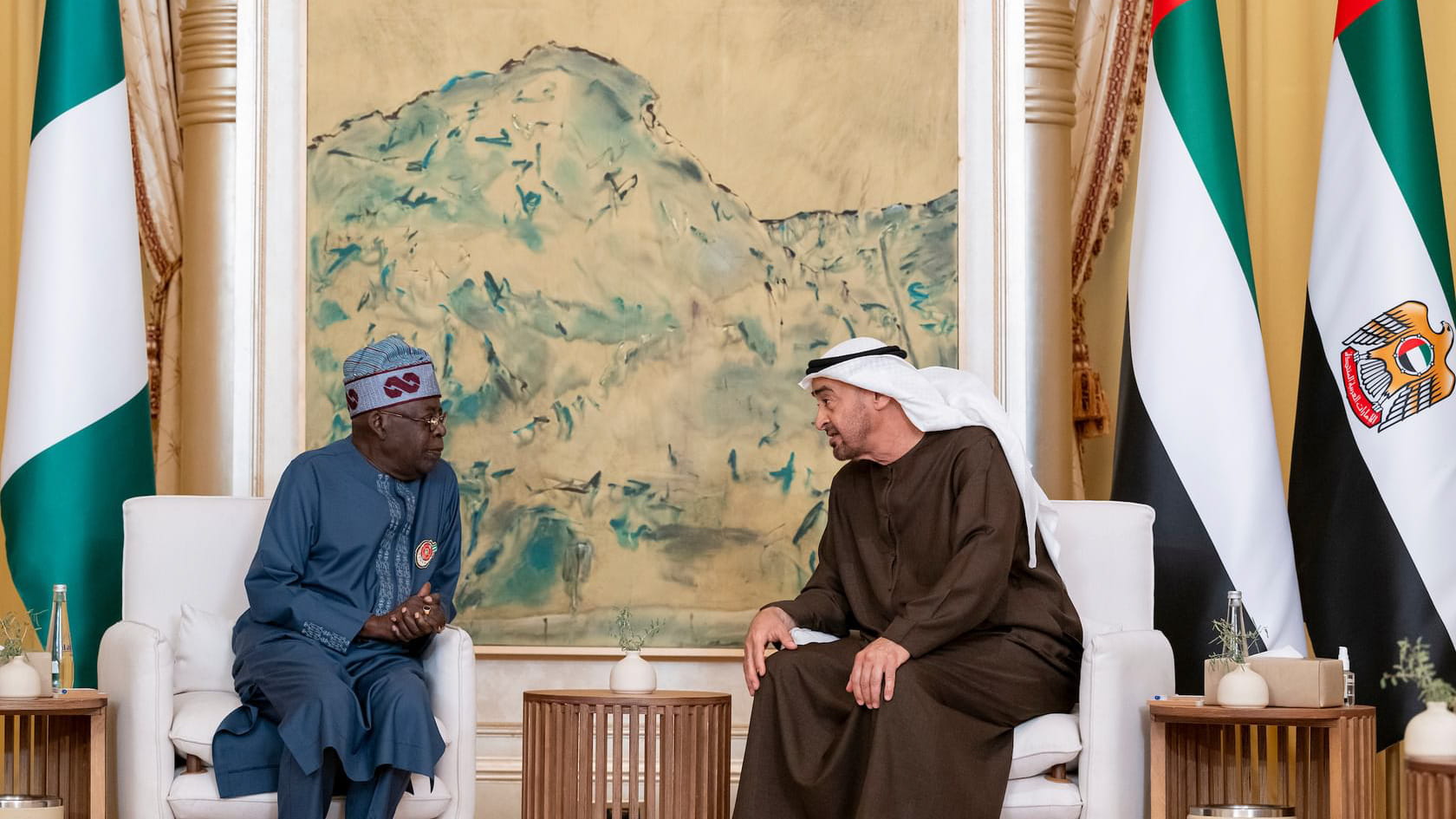
His Highness Sheikh Mohamed bin Zayed described the CEPA as a landmark in UAE-Nigeria relations, reflecting the UAE’s commitment to enhancing global trade ties and unlocking new avenues for mutual economic advancement and broader development.
President Tinubu emphasized the agreement’s role in creating new opportunities for economic and trade cooperation and reaffirmed Nigeria’s dedication to advancing shared development priorities with the UAE.
The CEPA was signed by UAE Minister of Foreign Trade Dr Thani bin Ahmed Al Zeyoudi and Nigeria’s Minister of Industry, Trade and Investment Dr Jumoke Oduwole on the sidelines of Abu Dhabi Sustainability Week. The agreement will reduce tariffs, remove trade barriers, boost investment flows, and create opportunities in sectors such as technology, agriculture, precious metals, and energy.
The deal aims to strengthen supply chains, enhance public and private sector cooperation, and empower SMEs to expand globally. Bilateral non-oil trade reached US$4.3 billion in 2024, a 55.3% increase from 2023, and totaled US$3.1 billion in the first nine months of 2025, reflecting robust growth.
The UAE’s CEPA programme seeks to increase non-oil foreign trade to US$1.1 trillion by 2031. With 32 agreements finalized and 14 in force, the programme highlights the UAE’s commitment to open, rules-based international trade, economic diversification, and creating new opportunities for businesses in high-growth markets worldwide.

 For an optimal experience, please
rotate your device to portrait mode.