
Loading...
Loading...

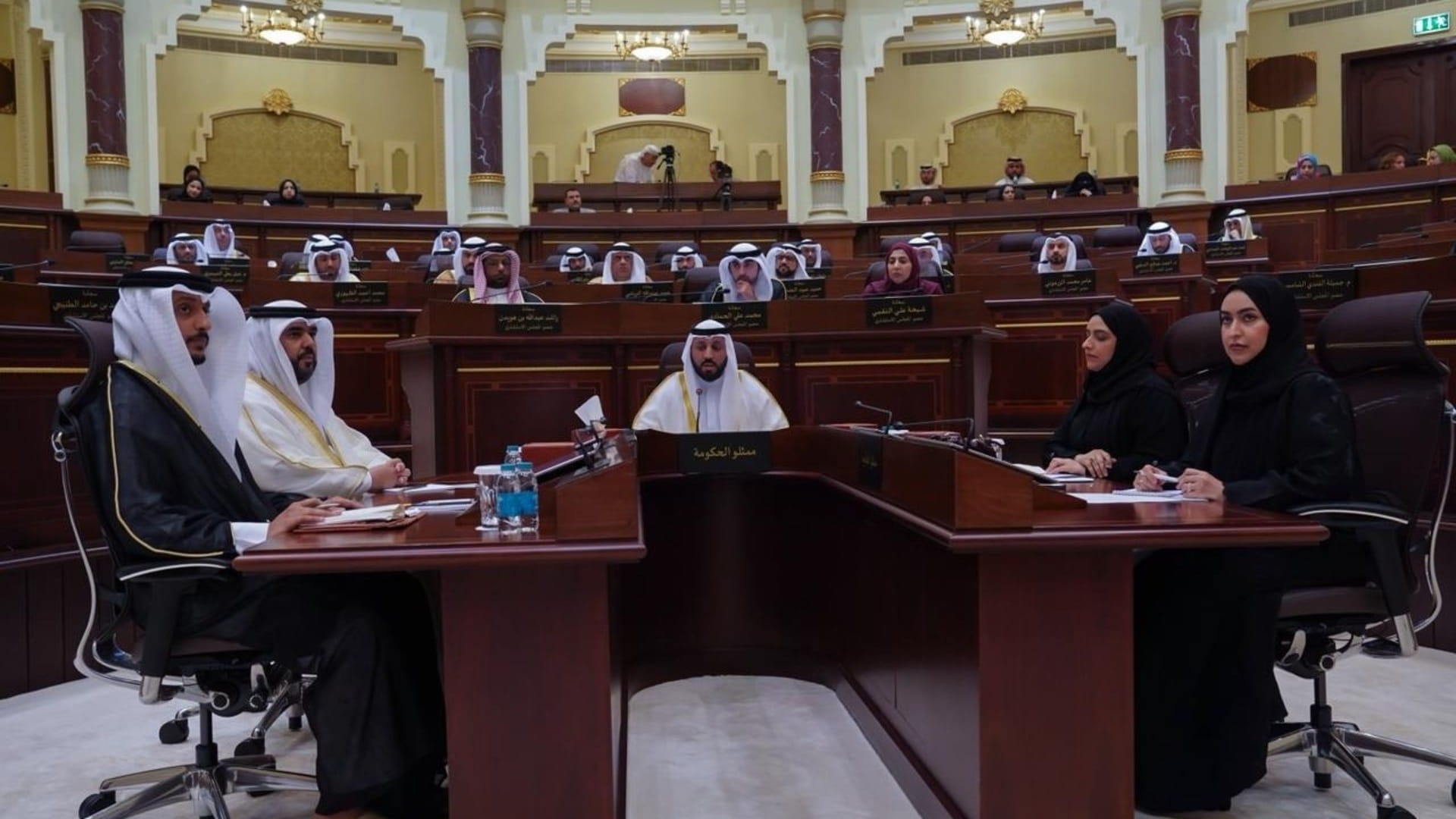
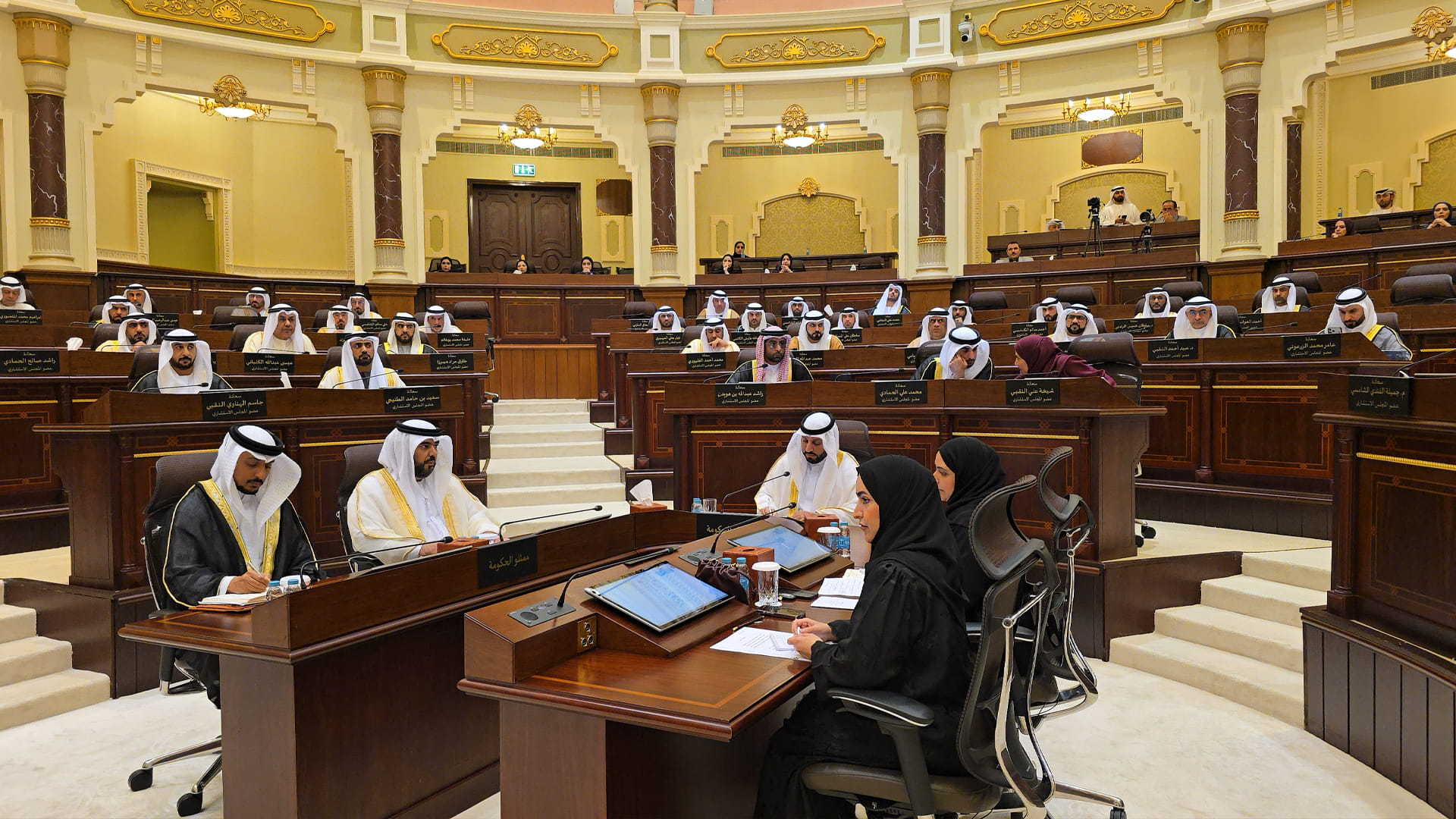
The session reviewed the general framework of the Department's policy and its achievements in governmental leadership with sustainable human capital. This includes regulating and guaranteeing the rights of human capital through the application of the Human Resources Law and its executive regulations, and the continuous development of Sharjah government employees and job seekers through comprehensive development plans. The session also provided an opportunity for members to raise their questions and observations in a parliamentary dialogue that reflected their keenness to qualify national talent for various jobs and future needs.
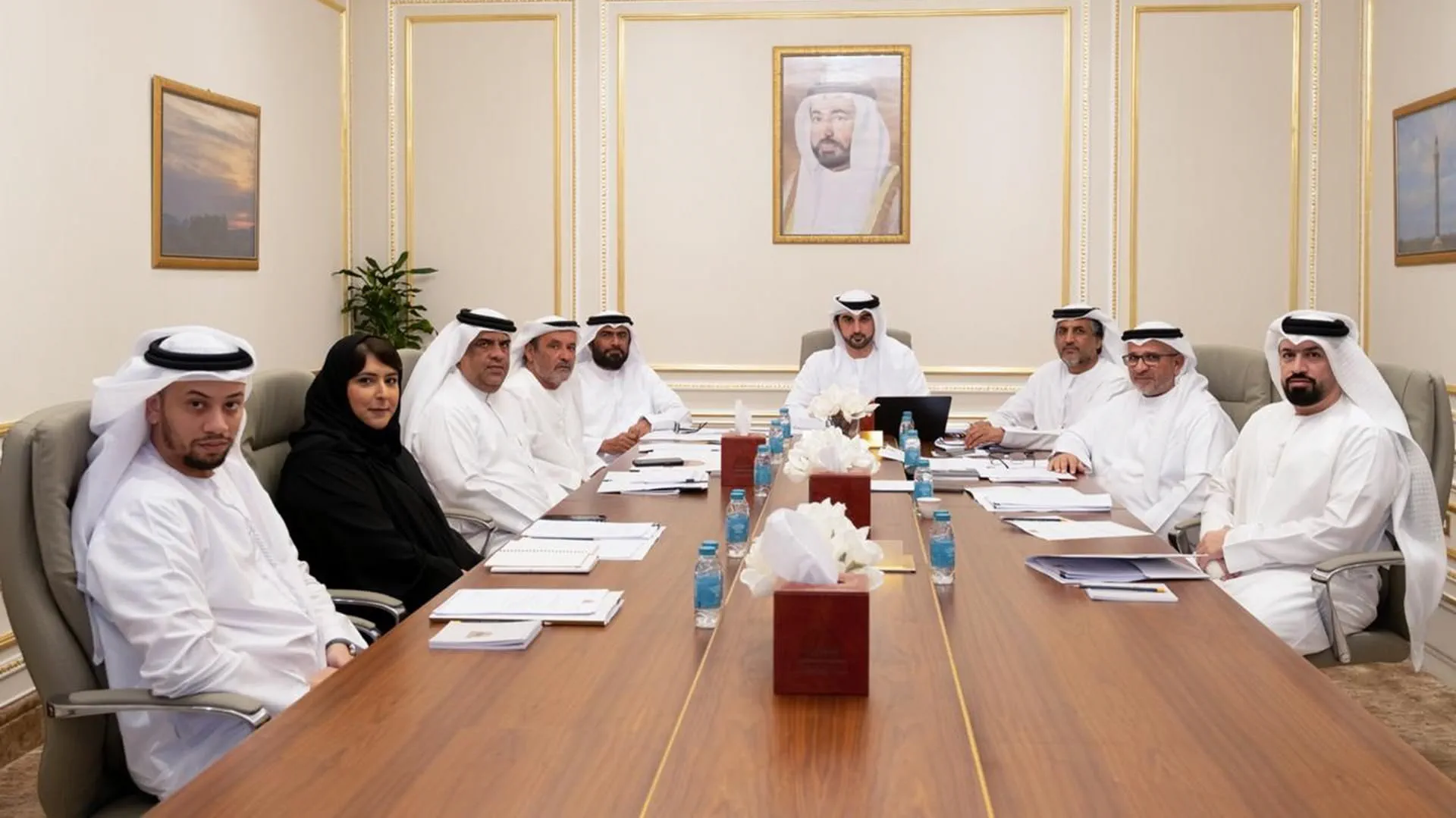
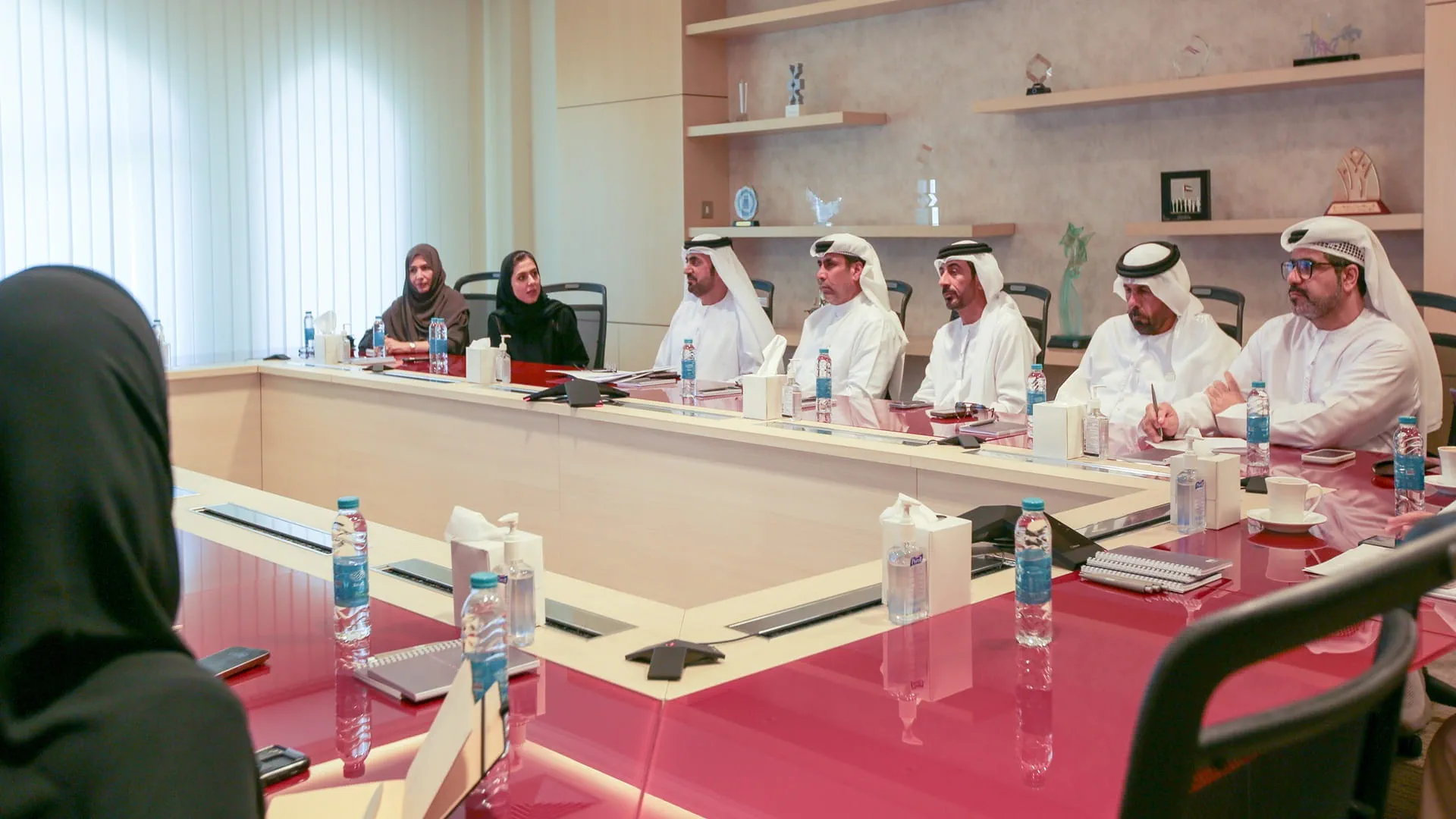
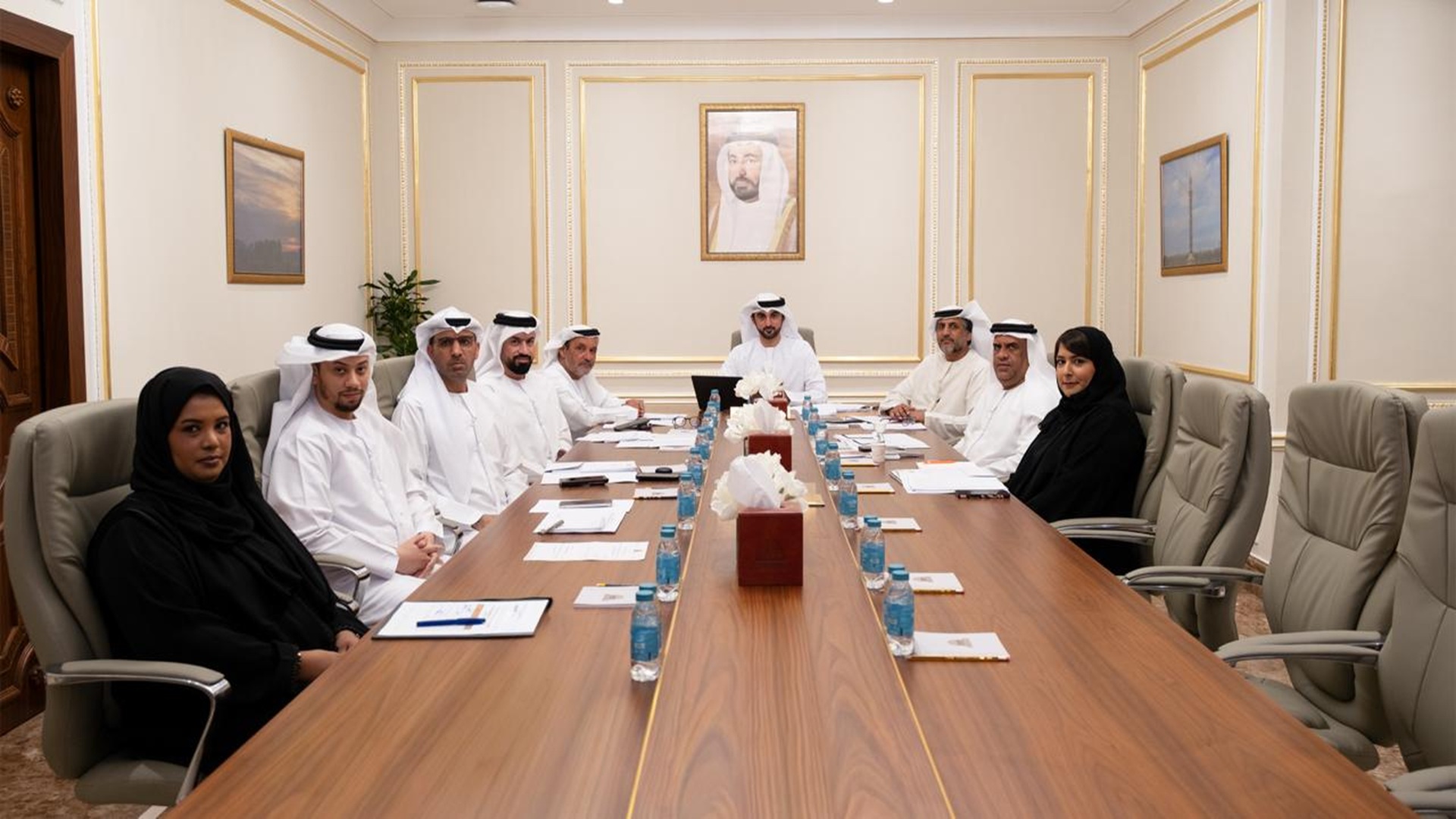
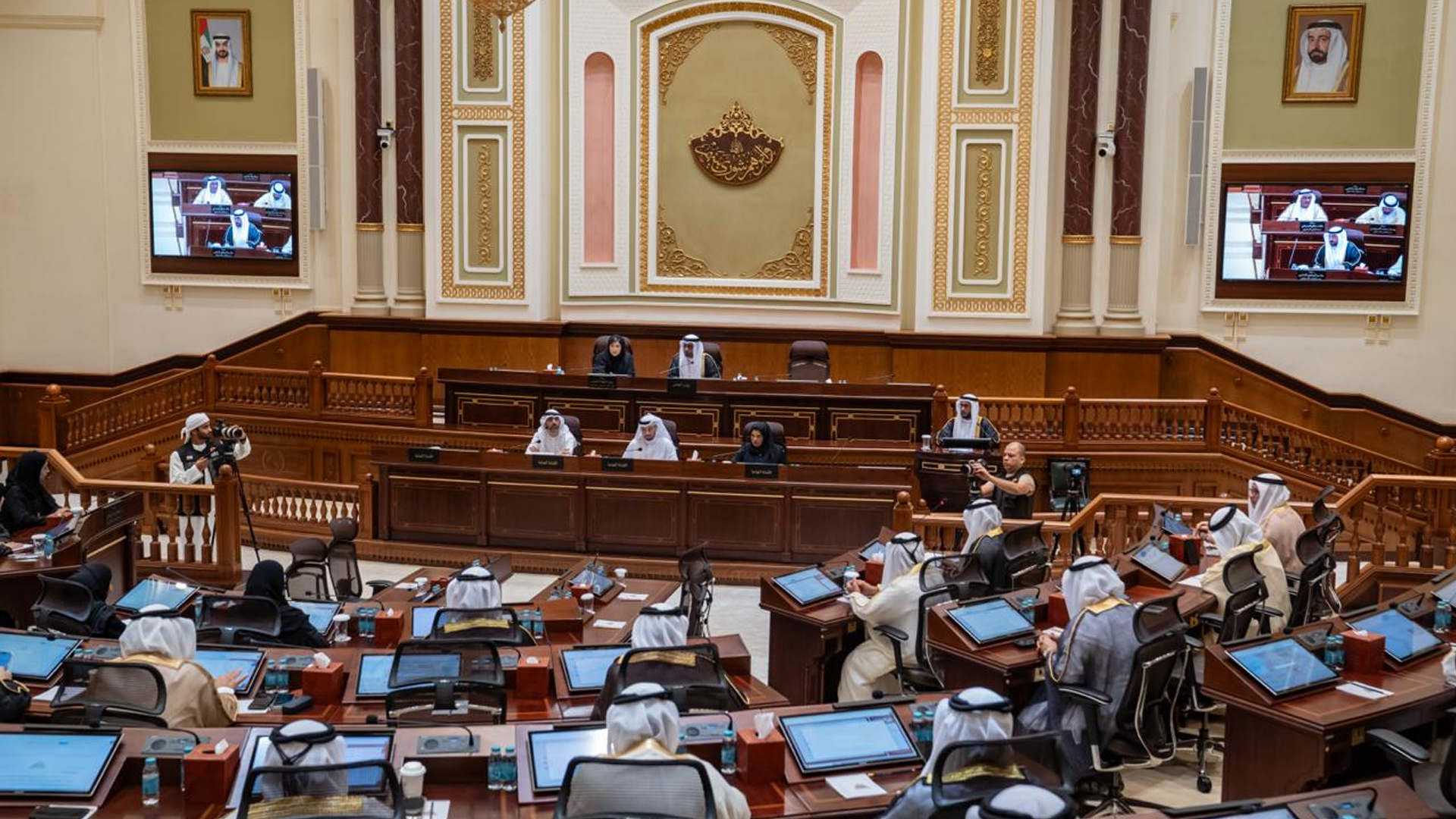
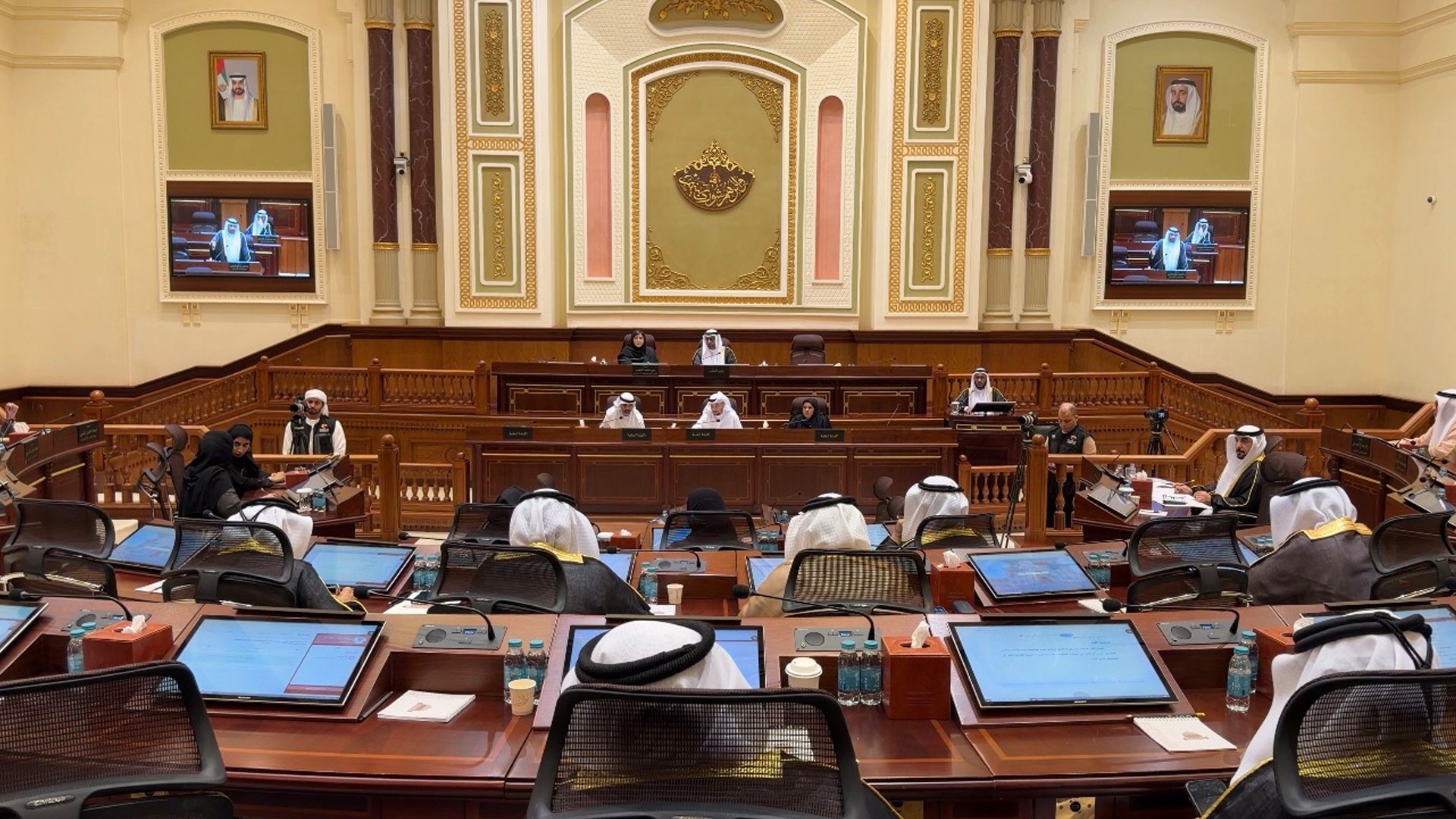
The session, held on Monday, discussed the policy of the Sharjah Human Resources Department. Attendees included Abdullah Ibrahim Al Zaabi, Member of the Sharjah Executive Council and Head of the Department; Majid Hamad Khalfan Al Marri, Director of the Department; Advisor Haitham Khalid Al Qahtani, Director of Human Resources Systems; Nada Hassan Al Raisi, Administrative Expert at the Head of the Department's Office; and Jawaher Abdulaziz Al Madfa, Administrative Expert at the Head of the Department's Office.
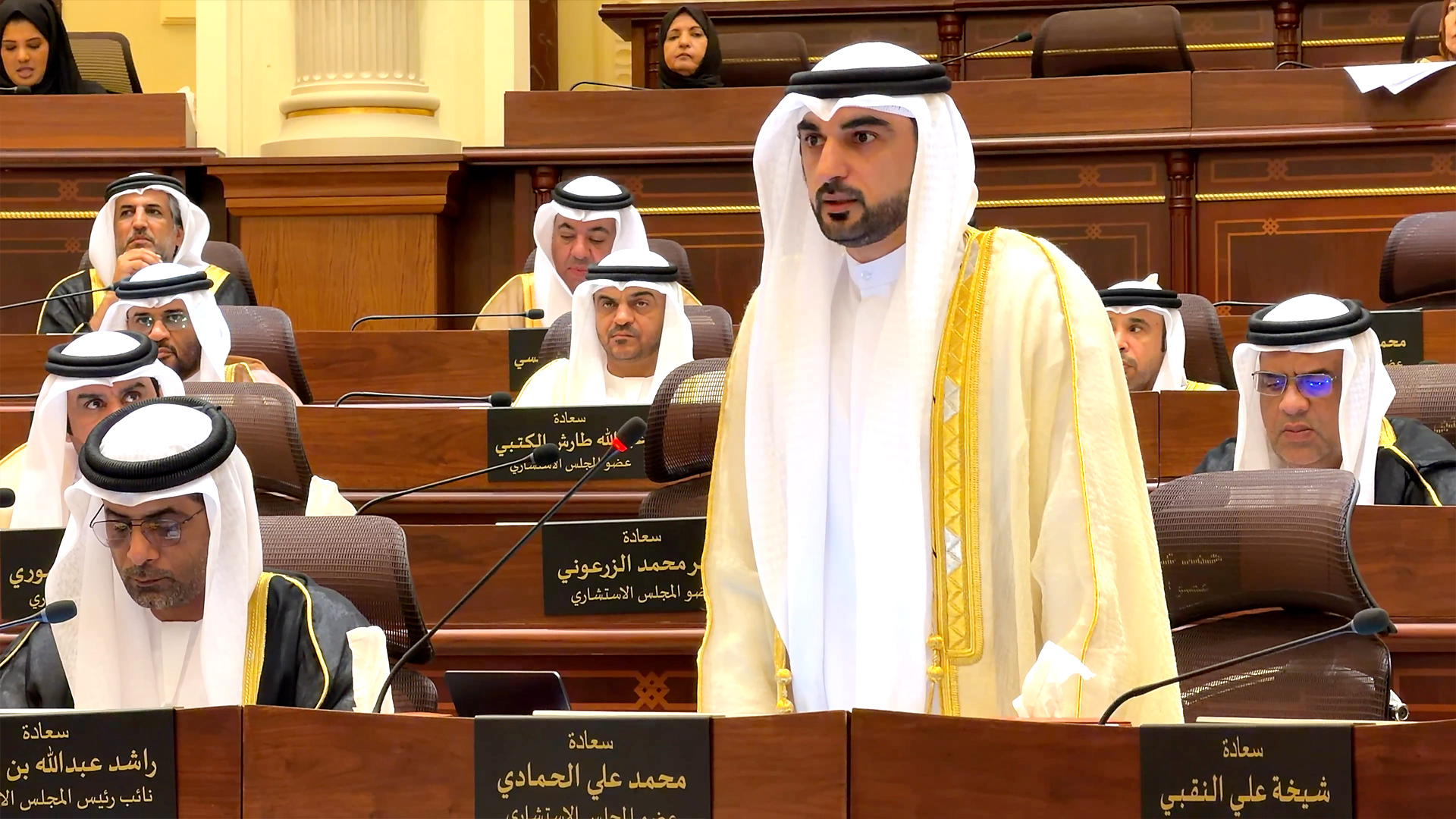
Following this, the Secretary-General of the Council, Mira Khalifa Al Muqarrab, addressed the general topic of the Human Resources Department's policy discussion, stating: "The Sharjah Human Resources Department, established by Emiri Decree No. (22) of 2010, is responsible for developing the human resources system and raising the level of job performance to align with the objectives of administrative and technical development in the government sector. This is achieved through conducting numerous training and qualification programmes for employees in government departments and agencies, and providing job opportunities for citizens seeking employment, based on their qualifications and abilities that meet the needs of the labour market."
Al Muqarrab continued: "Given the importance of these tasks and responsibilities undertaken by the Department, the applicants wish to discuss this topic in the interest of the public good and in service to the community."
His Excellency Abdullah Ibrahim Al Zaabi, Member of the Executive Council of the Emirate of Sharjah and Head of the Department, delivered a speech in which he said: “First, on behalf of the Department of Human Resources, I would like to extend to you and the esteemed members of this Council our sincere thanks and appreciation for your continued support of the Department’s policies. These policies reflect the insightful vision and wise directives of His Highness Sheikh Dr Sultan bin Mohammed Al Qasimi, Supreme Council Member and Ruler of Sharjah, and the generous patronage of His Highness Sheikh Sultan bin Mohammed bin Sultan Al Qasimi, Crown Prince and Deputy Ruler of Sharjah. This patronage has been the greatest motivation behind the Department’s tireless efforts to achieve successes and accomplishments at all levels, and its focus on developing and qualifying Emirati citizens with the latest programmes for the labour market.”
Following this, members engaged in a Q&A session. Engineer Jamila Mohammed Al Fandi Al Shamsi inquired about aligning and coordinating with universities and their requirements to meet the needs of the labor market, particularly given the increasing number of students pursuing traditional majors.
Jassim Mohammed Al Hanawi Al Naqbi asked about the previous ruler's directive to establish an Emiratisation department to facilitate the employment of citizens in the private sector. He inquired about the efforts being made to integrate citizens into the sector and support salaries for private sector employees.
Hamid Obaid Al Hamoudi asked about the establishment of an electronic platform to enhance connectivity among citizens working in the sector, sharing their experiences and expertise to facilitate the exchange of knowledge within this vital sector.
Issa Abdulrahim Al Zarouni inquired about the results of the Emiratisation program in government positions and the reasons for the continued reliance on non-citizens in certain roles that do not require rare specialized expertise. He also asked what corrective measures are being taken in this regard. Finally, Ahmed Rashid Salem Al Shamsi inquired about the procedures proposed by the Human Resources Department regarding providing employees referred to retirement with sufficient notice to ensure their psychological preparation, and what financial and familial obligations arise after retirement, are there any accredited awareness or rehabilitation programmes to support this group during the transition to retirement?
His Excellency Ahmed Obaid Al Awasi Al Zaabi inquired about the department's plan to provide financial support to job seekers until they find suitable employment. He also asked if the department has an initiative to provide monthly financial support to housewives, enabling them to dedicate themselves to household duties and raising children. He further inquired about the department's intention to allow working housewives to take early (voluntary) retirement, thus enabling them to focus on household responsibilities and childcare.
His Excellency Salem Mohammed Al Rashidi asked about the availability of a future plan to utilize the expertise of retirees who still possess the ability to contribute their experience to the emirate in their respective fields, considering the Human Resources Law, to serve government entities and facilitate the transfer of expertise to employees within those entities.
His Excellency Dr Ahmed Saleh Al Naqbi inquired about the criteria adopted by the Human Resources Department for classifying and employing persons with disabilities. He noted that employment opportunities were concentrated on those with intellectual disabilities, while the employment of those with physical, visual, and hearing impairments declined, despite their ability to be productive and integrated. He asked what measures the department has taken or intends to take to ensure fairness in the distribution of employment opportunities and to empower persons with disabilities capable of contributing to society.
Her Excellency Sheikha Khalfan Al Dhanin Al Naqbi focused her remarks on the importance of the integrity of the Arabic language as a cornerstone of institutional identity and the quality of government performance, asking about the policies adopted by the Department of Human Resources. What is the human response to including the role of the proofreader within the organisational structures of government departments? This is being done in coordination with the relevant authorities in the Emirate of Sharjah.
In the same context, Al Naqbi inquired about assessing the impact of the absence of this role in some entities on the quality of official communications and correspondence, in line with the directives and vision of His Highness the Ruler of Sharjah to elevate the Arabic language.
Her Excellency Kulthum Saif Al Tunaiji asked whether there is a priority given to appointing academically distinguished students as a means of encouraging and rewarding their excellence, how the next generation of leaders is being prepared, and whether the department has clear career paths for leadership positions, especially given the absence of unified leadership programs at the Sharjah government level, as is the practice at the federal level.
His Excellency Rashid Saleh Al Hammadi inquired about coordination between the Human Resources Department and the University Scholarships Department in the Emirate of Sharjah regarding engineering and vocational specialisations, and whether incentives are being considered to encourage enrolment in these fields.
Her Excellency Dr Hind Saleh Al Hajri asked when a unified performance evaluation system, managed by the Human Resources Department and encompassing all government departments, will be implemented. This system would ensure consistency in results across different entities, preventing one employee from receiving an "excellent" rating while another with the same performance level receives a "poor" rating, especially given the link between evaluations and promotions.
Dr Al Hajri also inquired about the numerous grievances regarding performance evaluation results that have not yet been reviewed or resolved. She asked how the Human Resources Department handles these grievances and what procedures are in place to guarantee fair and swift resolution, ensuring that employees receive their due rights.
His Excellency Mohammed Ali Al-Mannai inquired about the department's employment policy, noting that the Emirate of Sharjah is a model to be emulated in this area. He asked whether appointments are made based on seniority of application or on the needs of institutions, and what channels the department uses to communicate with job seekers and those who have submitted applications to determine their suitability for available positions.
His Excellency Ahmed Salem Humaidi Al-Ketbi inquired about the importance of establishing an accredited award for outstanding employees at the Emirate of Sharjah level, encompassing all government entities. He asked how such an award, if it exists, would contribute to raising the efficiency of government performance and promoting a culture of excellence and employee motivation. If no such award exists, he inquired about the justifications for its absence.
His Excellency Ahmed Salem Humaidi Al-Ketbi The Chairman of the Council then opened the floor to those who wished to speak. His Excellency Mohammed Ali Jaber Al Hammadi inquired about the clear figures for the number of job seekers in the Emirate of Sharjah, the number of annual graduates, the department's vision for reducing the number of job seekers, and practical solutions for employment instead of retirement to create job vacancies.
Her Excellency Dr Fatima Khalifa Al Muqarrab inquired about job interviews and the observation that some individuals are unprepared for the nature of the jobs, which prevents them from being hired during the interview process. She suggested establishing a mechanism or platform to notify job seekers of available job opportunities and to facilitate the recruitment of specialists and the required professional skills for government and private sector positions.
His Excellency Hamad Abdul Wahab Al Qawadi inquired about Executive Council Resolution No. 25 of 2025 concerning Human Resources regarding promotions. He noted that the regulations stipulate that employees must have 17 years of experience after obtaining a bachelor's degree, and 21 years after obtaining a bachelor's degree, which presents a challenge to promotion. He suggested reconsidering these promotion requirements.
Her Excellency Sheikha Ali Al Naqbi inquired about the approved mechanism for the retirement system, retirement procedures, the entities authorised to make this decision, the bases and criteria for retirement referrals, and the job evaluation criteria used for retirement referrals.
His Excellency Mohammed Al Alawi Al Dhaheri asked about the adoption of a system for application and registration with the department, as currently, registration is based on the applicant's phone number. He suggested that a number be used to indicate registration priority. In response to inquiries and questions from members of the council, Abdullah Ibrahim Al Zaabi, Head of the Human Resources Department, and his assistant, affirmed that the department, within its mandate, conducts numerous training programmes for human resources working in government departments, authorities, and institutions. It also trains job seekers in fields that meet labour market needs and continuously strives to provide job opportunities for citizens according to their qualifications and abilities.
He explained that the department focuses on guiding the career paths of human resources, implementing the human resources systems used in the emirate, and continuously studying their development to keep pace with global advancements. He discussed the policies and services of the Human Resources Department, noting that the department undertakes numerous tasks and responsibilities that play a vital and effective role in supporting both the public and private sectors in developing human resources in the Emirate of Sharjah. This aligns with global administrative and technical development goals in the government sector, aiming to increase productivity and ultimately elevate job performance. He also revealed the launch of an award for professional excellence within the Sharjah government. The department further discussed its ongoing efforts to coordinate with universities to track the number of graduates and their employment opportunities.
The department indicated that 2,265 individuals were employed in 2024, while 3,125 were employed in 2025. The Sharjah government's localisation plans are continuing this year, with 642 positions to be filled across Sharjah government departments and agencies. This aims to increase the targeted Emiratisation rates, with a focus on specialized fields.
At the end of the session, Her Excellency Mira Khalifa Al Muqarrab, Secretary-General of the Sharjah Consultative Council, announced that the next session, the ninth, will be held on Monday, February 2, 2026, and its topic will be a discussion of the recommendations of the Human Resources Department policy and the recommendations of the Department of Public Works.

 For an optimal experience, please
rotate your device to portrait mode.