
Loading...
Loading...

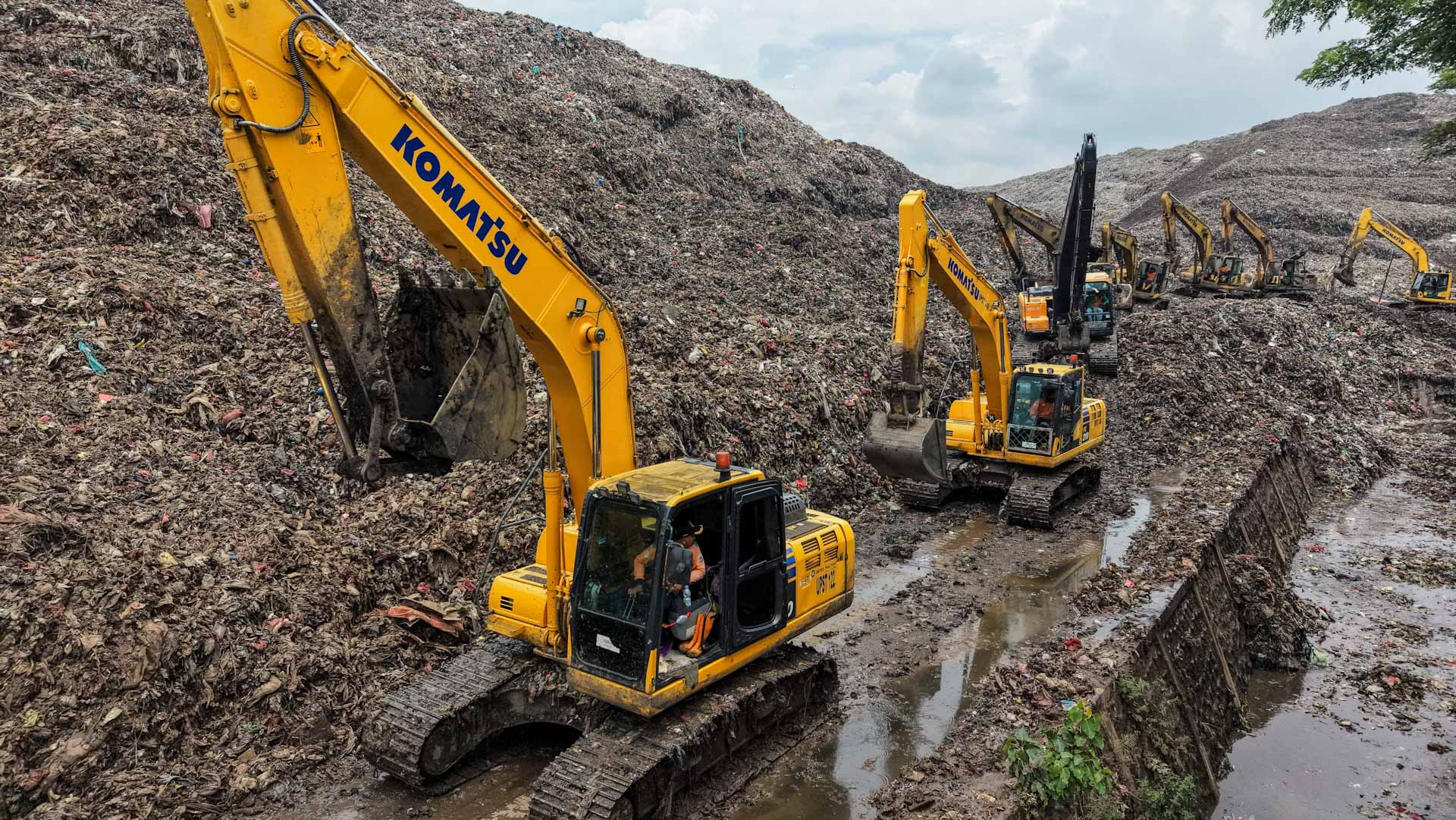
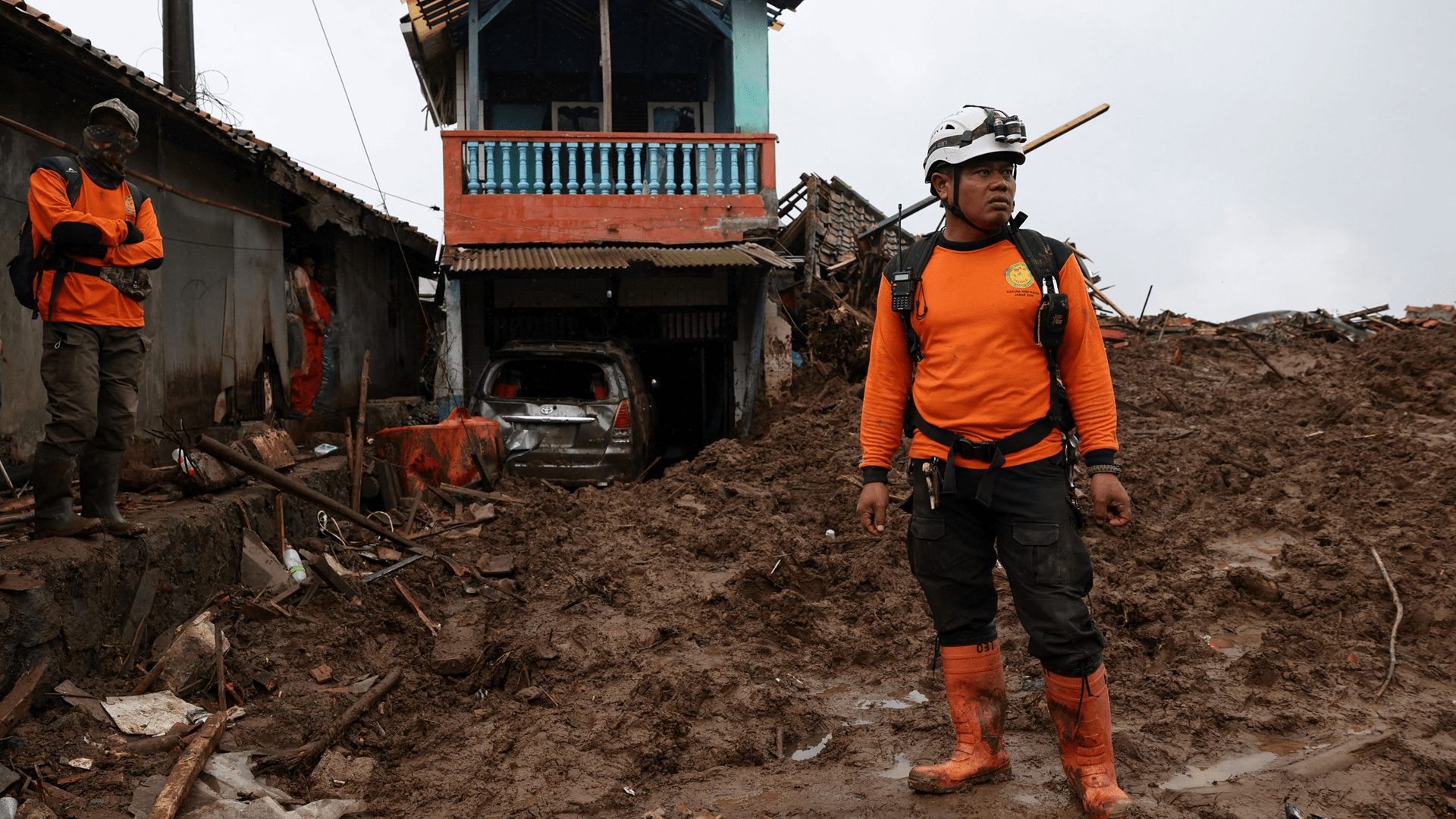
According to the national search and rescue agency, the landslide struck at 2:30 pm on Sunday (0730 GMT) at Bantargebang landfill, located about 25 kilometres outside the capital Jakarta.
“The rescuers are opening access using heavy equipment such as backhoes and deploying tracking dogs to search for any indication of victims,” the agency said in a statement.
Local media reported that the landfill collapse occurred after hours of heavy rainfall in the area.
Jakarta and its surrounding satellite cities, collectively known as Jabodetabek, are home to about 42 million people and generate approximately 14,000 tonnes of waste daily.
Bantargebang landfill, one of the world’s largest open dumps, covers more than 110 hectares and contains around 55 million tonnes of garbage, according to an official from the local environmental agency.
Environment Minister Hanif Faisol Nurofiq blamed local authorities for allowing the continued accumulation of waste despite a 2008 ban on open landfills.
“Bantargebang belongs to the Jakarta administration, so they have to take responsibility,” Hanif told Kompas TV late Sunday during a visit to the disaster site.
“This incident must truly serve as a bitter lesson for us so that Jakarta can promptly make improvements.”
Last month, President Prabowo Subianto warned that most of Indonesia’s landfills, which are gradually being phased out, could exceed their capacity by 2028.
He said the government plans to invest $3.5 billion in a project to build 34 waste-to-energy facilities within two years to incinerate garbage and generate electricity.
A similar landfill landslide in West Java in 2005 killed 143 people after a methane gas explosion combined with heavy rain triggered the collapse.

 For an optimal experience, please
rotate your device to portrait mode.