
Loading...
Loading...

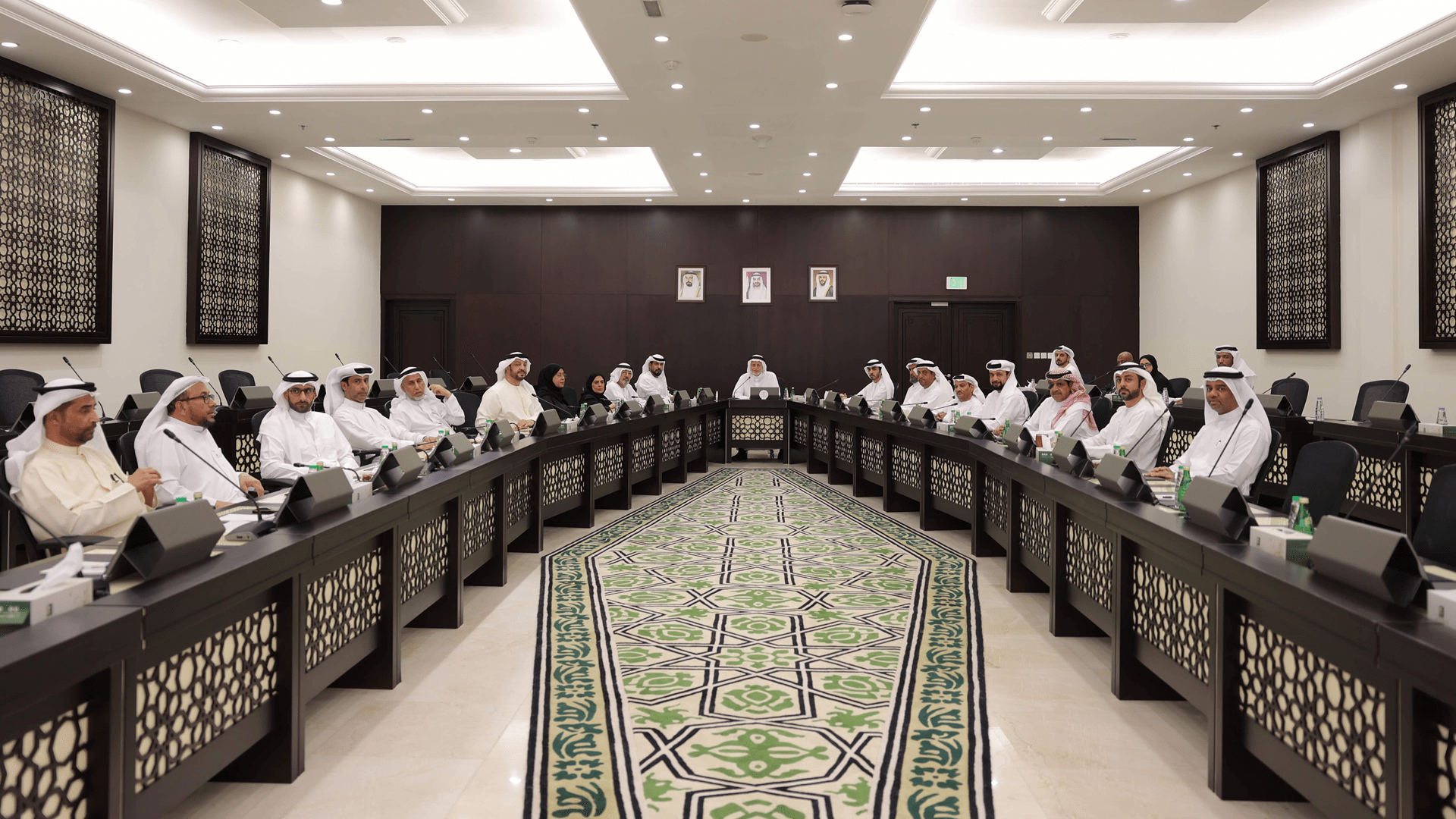
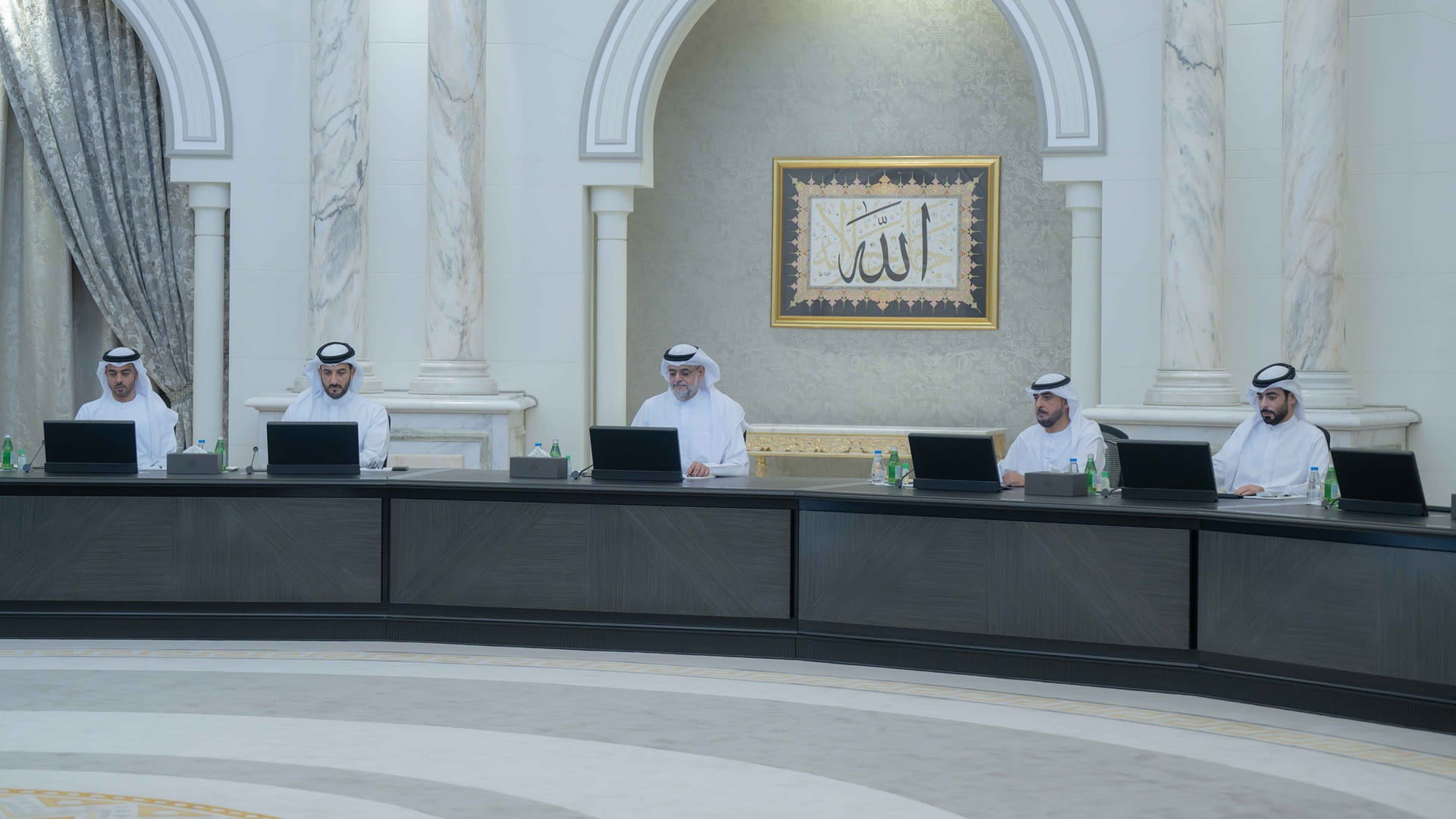
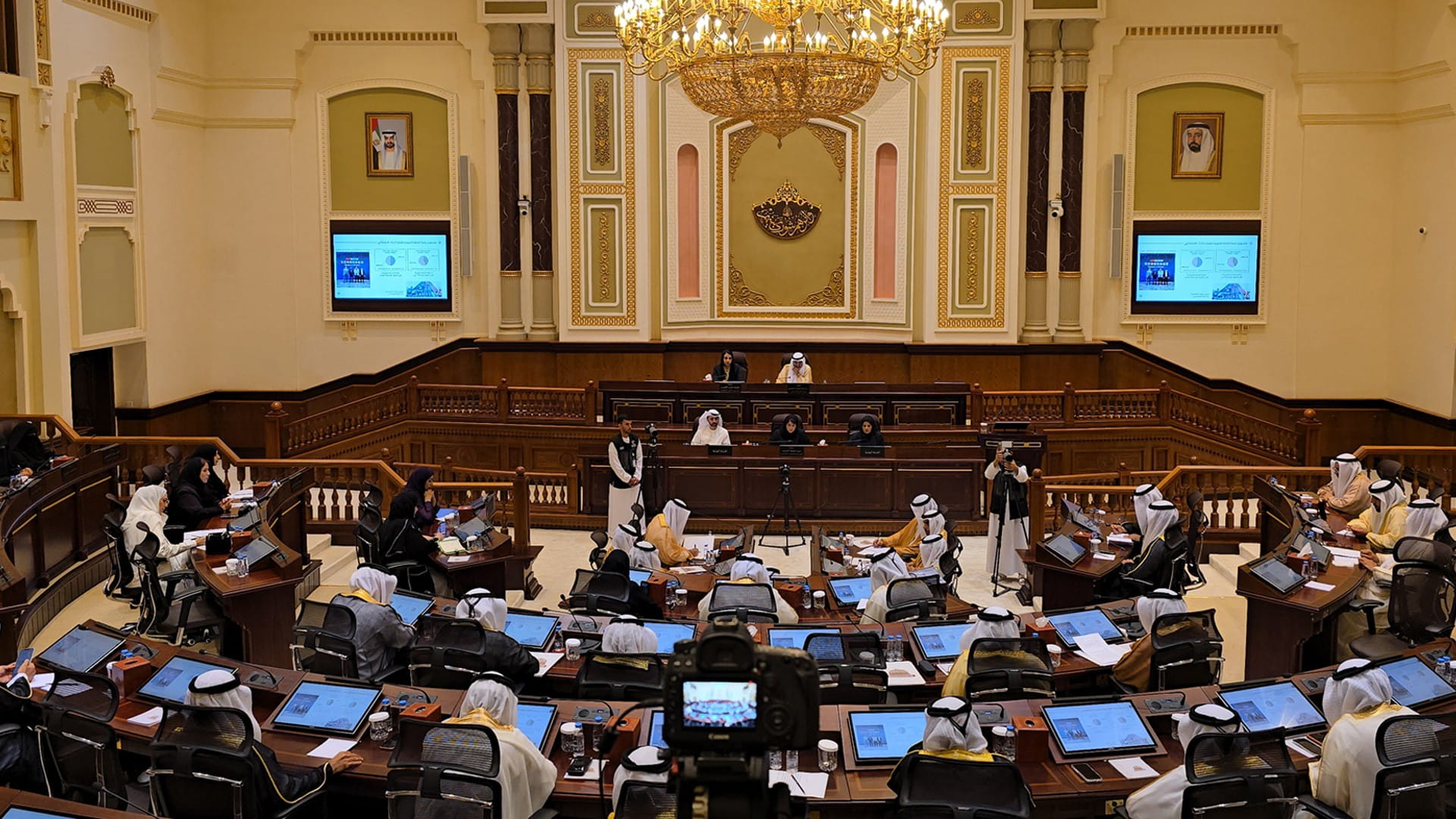
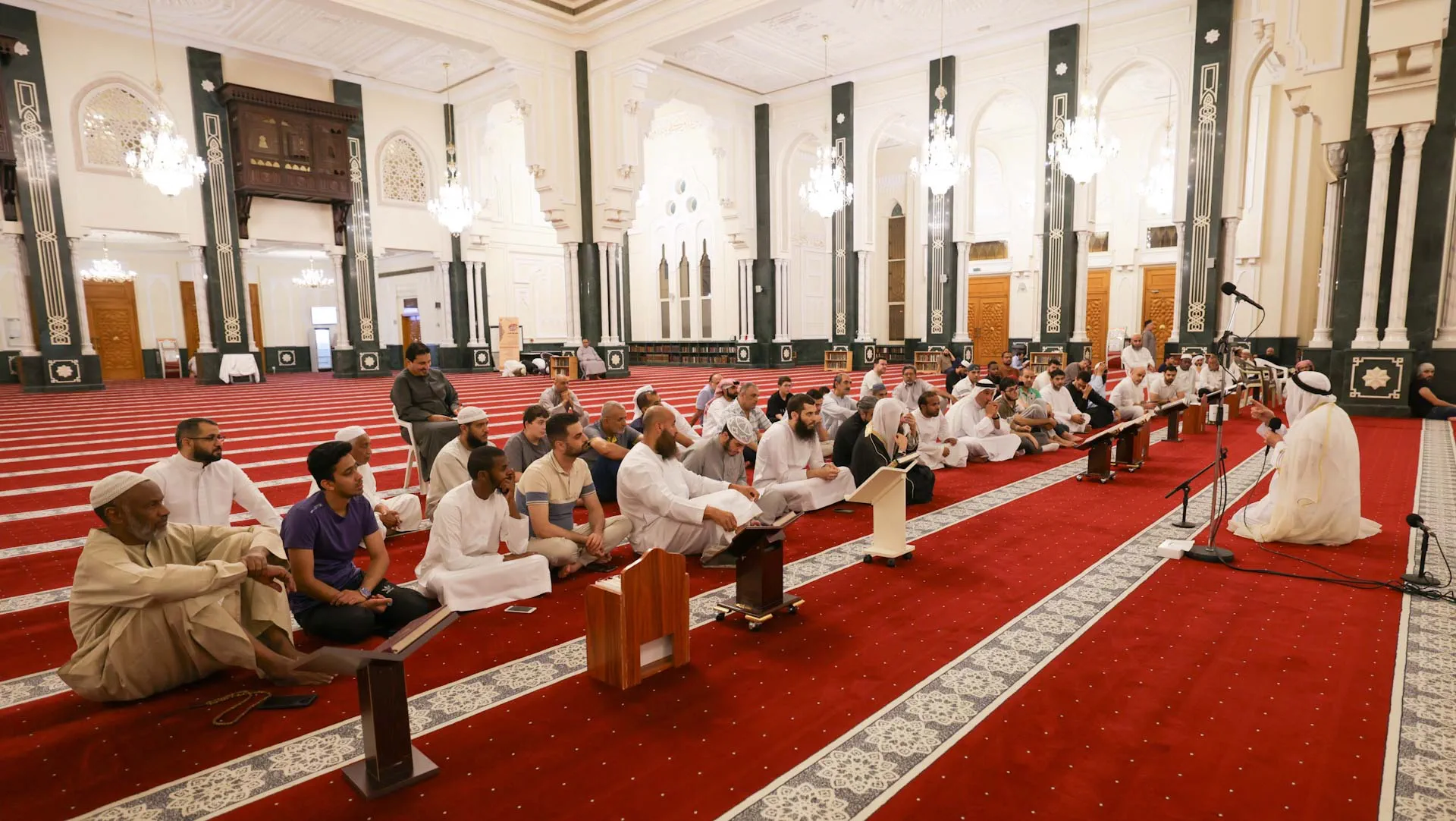
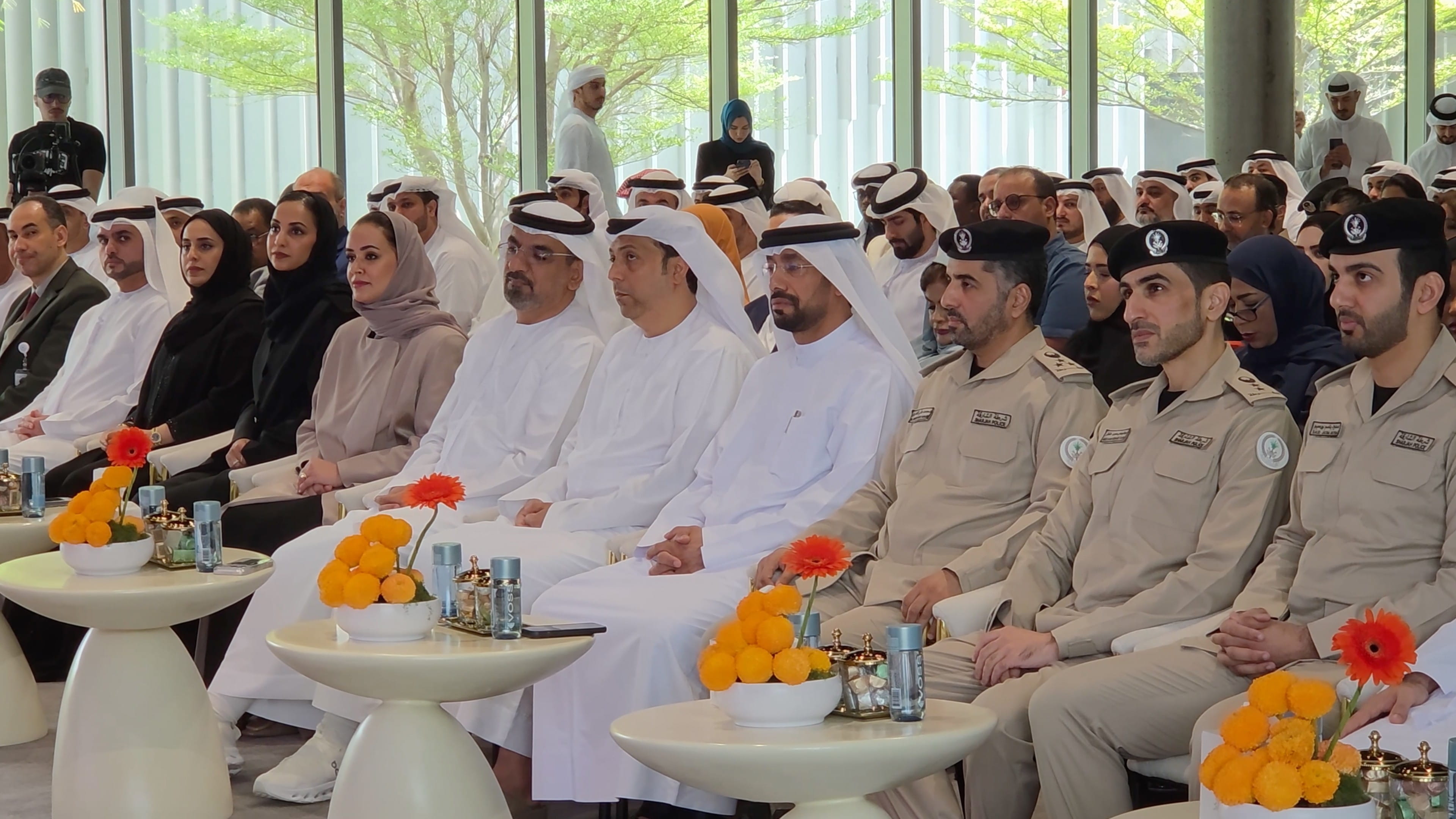
The fourth session held yesterday morning by the Council continued its work from the third ordinary session of the eleventh legislative term, chaired by Dr Abdullah Belhaif Al Nuaimi. It focused on discussing the SDTPS's policy in the Emirate, emphasising the department's vital role in shaping the Emirate's urban vision and ensuring the sustainability of its resources and services, in line with sustainable development policies.
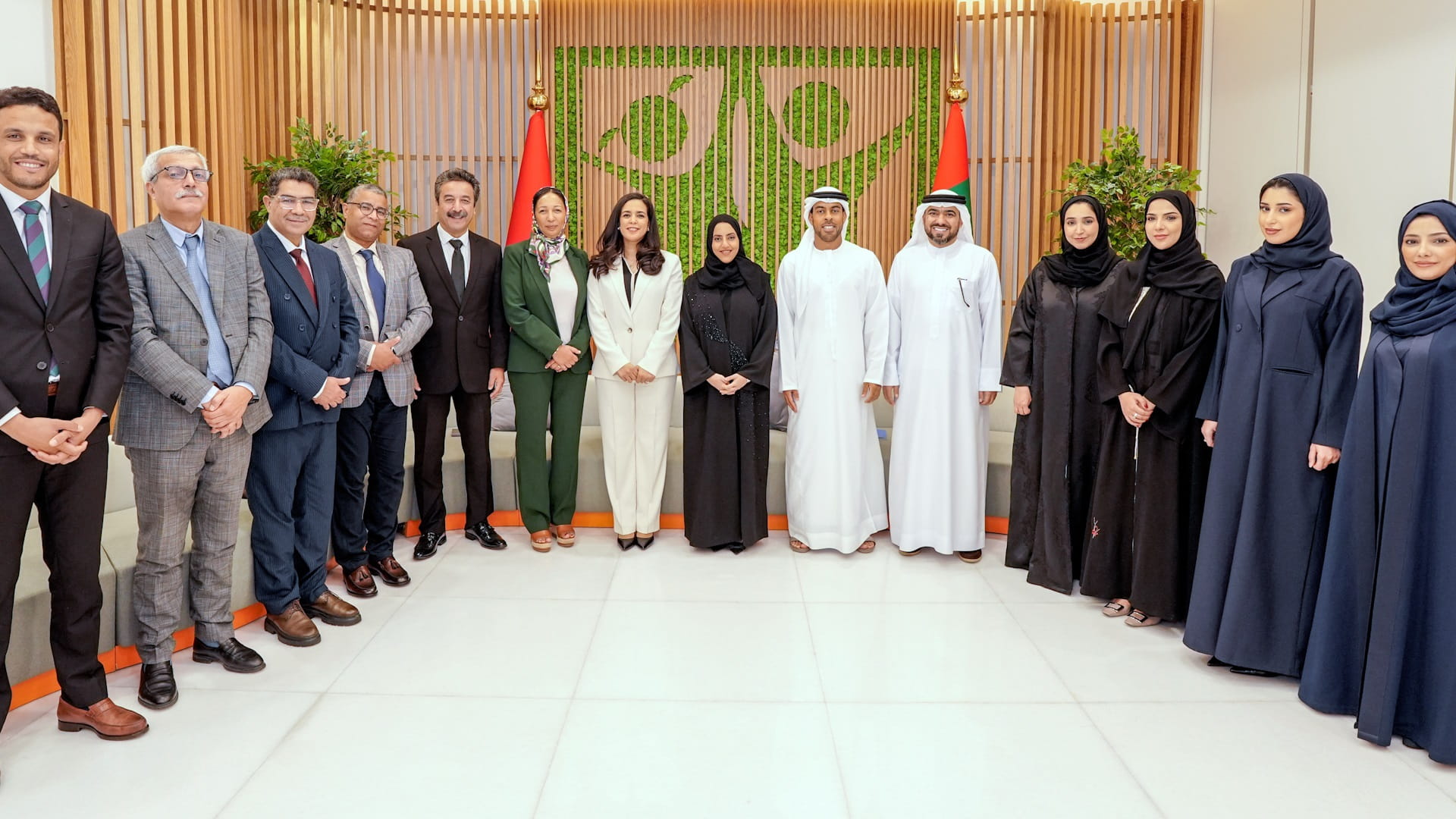
The session was attended by Engineer Hamad Jumaa Al Shamsi, Member of the Executive Council of the Emirate of Sharjah and Chairman of the Sharjah Department of Town Planning and Survey; Engineer Ali Sultan bin Butti Al Muhairi, Director of the Department of Planning and Survey; Waleed bin Falah Al Mansoori, Chairman of the Standing Committee for Land Allocation; and their colleagues from the department.
Subsequently, the Secretary General of the Council, Mira Khalifa Al Muqrab, introduced the main topic of discussion concerning the policy of the SDTPS, stating: "The Sharjah Department of Town Planning and Survey, established under Emiri Decree No. (2) of 1998, is one of the most prominent government bodies responsible for preparing, modernising, and overseeing the implementation of comprehensive urban plans, in line with the vision of His Highness Sheikh Dr Sultan bin Mohammed Al Qasimi, Supreme Council Member and Ruler of Sharjah, in pursuing sustainable development that respects heritage, urban character, and the distinctive identity of the emirate's cities."
She continued: "The Department undertakes pivotal tasks that include: allocating land to the citizens of Sharjah, developing plans to compensate the properties affected by the development of the Emirate's master plan, in addition to studying and planning sustainable transport projects in accordance with the approved standards."
Engineer Hamad Juma Al Shamsi, Chairman of the Sharjah Department of Town Planning and Survey, delivered a speech in which he stated that the Department's efforts to develop and manage urban growth and enhance the quality of life align with the directives of His Highness Sheikh Dr Sultan bin Mohammed Al Qasimi, Supreme Council Member and Ruler of Sharjah, as well as the attentive supervision of His Highness Sheikh Sultan bin Mohammed bin Sultan Al Qasimi, Crown Prince and Deputy Ruler of Sharjah, Chairman of the Executive Council of the Emirate of Sharjah.
He emphasised that the support and recommendations of the Consultative Council are a crucial foundation for developing systems and policies, as well as enhancing the efficiency of institutional performance. He stressed that the Department has launched its comprehensive strategic plan for 2025-2028, which aims to manage urban growth by focusing on urban development and community participation, to create a prosperous emirate that achieves community happiness and improves the quality of life.
Eighteen members then asked their questions and inquiries. At the start of the presentation, Ibrahim Juma Al Mansoori inquired about the nature of cooperation between the Department of Town Planning and Survey, the Municipalities, the Roads and Transport Authority, the Department of Housing, and the Department of Public Works in joint projects. He also asked how the relevant authorities approve the final plans before the commencement of major project implementation.
Abdullah Al Kalbani inquired about the Department's vision for developing plans for residential and commercial areas to ensure there is sufficient space for road expansion, especially where bridges or major intersections might be constructed. Ibrahim Salem Mohammed Al Rashdi asked about the role of the SDTPS in coordinating with service departments to develop main infrastructure lines within and outside the emirate, and in ensuring project integration and increased efficiency in their execution. Sheikha Khalfan Al Naqbi focused her question on the disbursement of residential lands in some regions of the Emirate at various heights, without settling on or specifying the level, and whether the Department adopts a pre-coordination mechanism with relevant authorities to ensure land preparation and basic services are provided before handover to beneficiaries.
Ahmed Rashid Salem Al Shamsi inquired about the SDTPS's role in safeguarding Sharjah's urban heritage and unique identity. He also asked about the initiatives and policies adopted to ensure the sustainability of this heritage amid rapid urban development.
Dr Hind Saleh Al Hajri inquired about the Department's reliance on artificial intelligence technologies for land distribution transactions, including their selection or replacement, and the systems' effectiveness and accuracy in enhancing procedural speed and decision quality.
Ahmed Al Awasih Al Zaabi focused his intervention on inquiring about the Department's efforts to develop systems, enhance human resources, and support senior management in accelerating and streamlining land drainage services. He also asked about the annual schedule for the disbursement of land for agricultural, commercial, industrial, and other purposes.
In his speech, Amer Mohammed Al Zarooni discussed the Department's plans for the old residential areas inhabited by some citizens, and whether these areas will remain as rental housing or for residents, or if there are development projects or new uses planned as part of the future vision of the Emirate of Sharjah, given that they are fully equipped in terms of infrastructure and services.
Al Zarooni asked about the Department's plan to remove digital bureaucracy from the process of issuing building permits, especially due to the long duration of these procedures, the repetition of transactions, and delays in completion.
His Excellency Dr Ahmed Saleh Al Naqbi inquired about the department's support programmes for replacing dilapidated housing, provided that construction occurs on the same site as the existing homes. However, some applicants request land in other locations rather than the designated replacement land, thereby reducing opportunities for other applicants to access new residential sites. What measures does the department implement to ensure that beneficiaries of the substitution programme commit to building in the same specific location and to prevent the depletion of residential land?
Rashid Saleh Al Hammadi discussed the recently allocated residential spaces for citizens and inquired about the availability of architectural plans or design models that facilitate vertical expansion of residences, allowing for larger spaces similar to villa areas. Engineer Nabil Butti Al Muhairi asked about how current planning policies align with the future vision of the Emirate of Sharjah, the extent of digital transformation adoption, and ways to measure the impact of policies on the quality of life and land-use sustainability. These discussions aim to evaluate the efficiency and effectiveness of policies, the level of institutional integration, and the role of supporting planning decisions to achieve sustainability.
Mohammed Ahmed Al Dhahouri inquired about the role of the SDTPS in updating area planning to reflect current variables and development needs. He asked whether the Department follows clear procedures to regulate land use changes—whether from residential to commercial or vice versa—based on these variables and the approved planning criteria.
Engineer Jamila Al Fandi Al Shamsi asked about the features of the comprehensive urban plan for the Emirate of Sharjah for the next ten years. She also inquired if this plan includes integrated programmes for developing urban complexes, roads, housing, infrastructure, and related investments. Additionally, she questioned how well it aligns with His Highness the Ruler of Sharjah's current directives, its adaptability to future developments, and its role in promoting sustainable development, protecting resources, and enhancing social services.
Ahmed Salem Hamidi Al Ketbi inquired about the standards and regulations used by the SDTPS to estimate material and in-kind compensation for lands affected by government projects. He questioned why there are disparities in compensation methods, such as not providing compensation at all, offering amounts below market value, or providing alternative lands without clearly stated criteria. Al Ketbi also asked about the procedures followed for renewing the maps of the permanent grants awarded to heirs, and the mechanism adopted to address Shari'a provisions related to heirs' ownership, to understand the legal basis on which the department relies, particularly in cases involving minor heirs.
Rashid Abdullah bin Huwaiden inquired about the reasons hindering real estate developers from investing in the lands allocated to them by the emirate. Has the competent authority issued an updated map of these lands that clearly states their renewal fees, to facilitate procedures for developers and speed up the start of their projects?
Mohammed Abdullah Al Blooshi inquired about the existence of a mechanism that requires beneficiaries of commercial, industrial, agricultural, and investment lands, as well as beneficiaries of housing grants, to commence construction.
within a specified period. In the absence of such a mechanism, what is the rationale for adopting a system that ensures the effective use of these lands by establishing conditions or procedures that motivate the beneficiary to develop the land rather than leave it undeveloped for an extended period without justification?
Hamad Abdullah Al Riyami inquired about the Department's vision for the implementation stages of the numbering and street naming project throughout the Emirate, as well as the timetable the Department is committed to for its completion, considering the new areas. He also asked about the coordination mechanism between the Department, the General Headquarters of Sharjah Police, and Civil Defense to ensure swift access to reports and key sites.
Dr Obaid Khasao Al Naqbi focused his speech on development projects in Dibba Al Hisn city, particularly the extension of the Corniche Road and the surrounding residential areas. He inquired about the Department's role in overseeing the development works and connecting the Corniche Road to the road leading to the borders of Dibba (Al-Baya) in the Sultanate of Oman.
Al Naqbi stressed that Al Nakheel Street in Dibba Al Hisn requires comprehensive development, including the replacement of 90 old houses.
Subsequently, Engineer Hamad Juma Al Shamsi, Member of the Executive Council of Sharjah and Chairman of SDTPS, along with his assistants, responded, emphasising that the department operates according to a clear strategic vision aimed at accelerating the realisation of development projects, advancing digital transformation in planning and mapping services, and adopting initiatives to enhance the urban appearance of neighbourhoods, while maintaining full coordination with concerned authorities to ensure infrastructure readiness before the handover of any projects.
During the session, the Department outlined its strategic policy aimed at developing urban, service, and institutional systems to improve quality of life and promote sustainable development. The policies encompass five main axes, as follows: Comprehensive Urban Plan: This pillar seeks to create an integrated framework for urban development, regulate urban growth, and balance development with environmental preservation, ensuring city sustainability and a high quality of life. Housing Plan: This axis concentrates on providing adequate housing for citizens and ensuring the efficient allocation of residential land to meet both current and future needs. Infrastructure and Transport Planning: This pillar involves strengthening critical infrastructure capabilities, developing road and utility networks, and supporting integrated transport systems, thus improving efficiency, reducing congestion, enhancing basic service delivery, and promoting integrated planning of public utilities. Institutional and Legislative Development: Under this framework, the Department aims to update systems and policies, and to develop legislative and regulatory frameworks that improve institutional efficiency and foster effective governance.
Developing the e-Services System. This pillar concentrates on expanding and enhancing digital transformation by creating innovative electronic platforms that streamline processes and improve customer satisfaction.
The Department emphasised that adopting these policies aligns with the government's directives to enhance the quality of life, promote sustainability, and improve service and institutional standards in line with future development.
Among the pilot projects undertaken by the Department and presented during the Advisory Board session are the Sharjah Comprehensive Urban Plan. As part of the Department's efforts in urban planning, the Department has adopted the Comprehensive Urban Plan Project, which aims to develop urban plans, policies, and strategies to guide, organise, and regulate urban development in line with the principles of urban sustainability.
To support the outcomes of the comprehensive urban plan and improve the planning decision-making system, the Department has undertaken several specialised technical projects that contribute to providing accurate and advanced data for planning work and decision-making processes. Notably, these include the development of the geographical and cadastral data management system and the establishment of the first urban observatory of the Emirate of Sharjah at the national level.
The Sharjah Housing Programme (2018-2042) seeks to estimate housing demand based on available land supply through policies that include replacing and renovating old districts, developing new residential areas to support urban growth, and adopting modern housing models that meet families' needs and sustainability trends.
Infrastructure and transportation projects encompass the development of the North-South Axis Road, East-West Axial Road projects, intersection enhancements within Sharjah City, numerous mass transit and urban planning studies, and infrastructure development across various regions of the Emirates.
One of the most important projects is the development of the fourth federal axis in Sharjah, along with the upgrade of the Sharjah-Dibba Al Hisn Road, which connects Sheikh Mohamed bin Zayed Road to Dibba Al Hisn via Ras Al Khaimah and Dibba Fujairah. The aim is to strengthen community links by reducing travel time from 50 to 20 minutes for residents of the Al Kharous area in Al Dhaid.
The Traffic Density and Transit Study Project involves the Department collaborating with relevant authorities to evaluate traffic density. This initiative aims to tackle the significant increase in vehicle numbers and the impact of transit traffic caused by Sharjah's central location. Advanced cameras equipped with artificial intelligence have been installed to analyse vehicle movement, monitor their plates, and track their duration within the emirate. Preliminary results show that transit traffic exceeds 30% during certain periods, necessitating future planning and organisational solutions.
The BRT project was launched by the Department of Rapid Transit (BRT), which allocated dedicated lanes for buses in the Orouba Road extension project, serving as the first model implemented at the national level.
The project aims to improve the speed and efficiency of public transport and encourage residents to use mass transit, with its implementation expected to help expand the concept later to include some federal roads.
The Etihad Rail high-speed train project – Sharjah Stations – is progressing, with preparations underway for the opening of Al Dhaid Station in the first quarter of next year. Work is also advancing at the University City Station, which is expected to be operational by the end of the year. This is being carried out in full coordination with the department regarding site planning and service transfer.
The Department is currently working with the relevant authorities to develop a plan for connecting the stations to public transport networks and rapid lines to the airport, free zones, and the university city.
The Sharjah City High-Speed Station Project: The Department is planning the Sharjah City Etihad Rail Station as part of the high-speed transport initiative, aiming to include Sharjah Station in the first phase of the national project, which seeks to reduce the travel time to Abu Dhabi to about 30 minutes.
The project to develop road connections and organise public transport between cities involved the Department holding meetings with Dubai and Ajman, which led to the creation of new public transport links between the cities following the success of the Al Mamzar link.
A second marine transport station has been approved in the centre of Sharjah, and the entrance to the University City train station has been identified from the Dubai side. Work is also underway to modernise the regulation of truck traffic between Sharjah and Ajman by transferring it to Emirates Road instead of Sheikh Mohammed bin Zayed Road.
Federal and Main Roads Development Projects: The Department, in cooperation with the Ministry of Energy and Infrastructure, has commenced the development of the Emirates Road and has approved the first phase of the Union Road development.
The work also includes developing the intersection near the golf and shooting club as the initial phase of the Ring Road project. Discussions are ongoing regarding the development of Wasit Street and the Second Industrial Road, the construction of new routes parallel to Al Dhaid Road, and intersections on Emirates Road to separate truck traffic from light vehicles.
In the area of institutional and legislative development, the Department has prepared a draft to update Law No. 2 of 1998, aiming to reorganise the competencies and powers of the Department of Town Planning and Survey. The legislation seeks to clarify the Department's role in developing urban plans, employing innovative tools to manage and organise urban planning, ensuring sustainable development, maintaining international standards for the urban environment, and protecting urban plans from excesses.
Aligned with efforts for digital transformation and government integration, the Department continues to enhance its digital system according to the Sharjah Government's vision. It offers services that are quick to process, accurate, user-friendly, and require fewer documents.
The Department has concentrated on strengthening institutional partnerships that facilitate electronic integration and data exchange with relevant local and federal authorities. It has also participated in the interactive laboratories organised by the General Secretariat of the Executive Council as part of the Government Services Development Project. Additionally, the Department has implemented a set of real-time transactions in collaboration with service entities and integrated with the Sharjah Digital Department to deliver smart government services. These services are connected with the Aqari and Nabni platforms and are coordinated with the Sharjah Cyber Security Center to ensure a secure digital transformation.
The Department has also created the Real Estate Development Projects System for developers, aiming to streamline approval of development projects through a unified platform with service entities. This platform enables the digital submission and review of applications, improving efficiency and speed, and uses a smart linkage mechanism with relevant government agencies to ensure swift procedures and transparency of approvals at all stages, from planning to execution.

 For an optimal experience, please
rotate your device to portrait mode.