
Loading...
Loading...

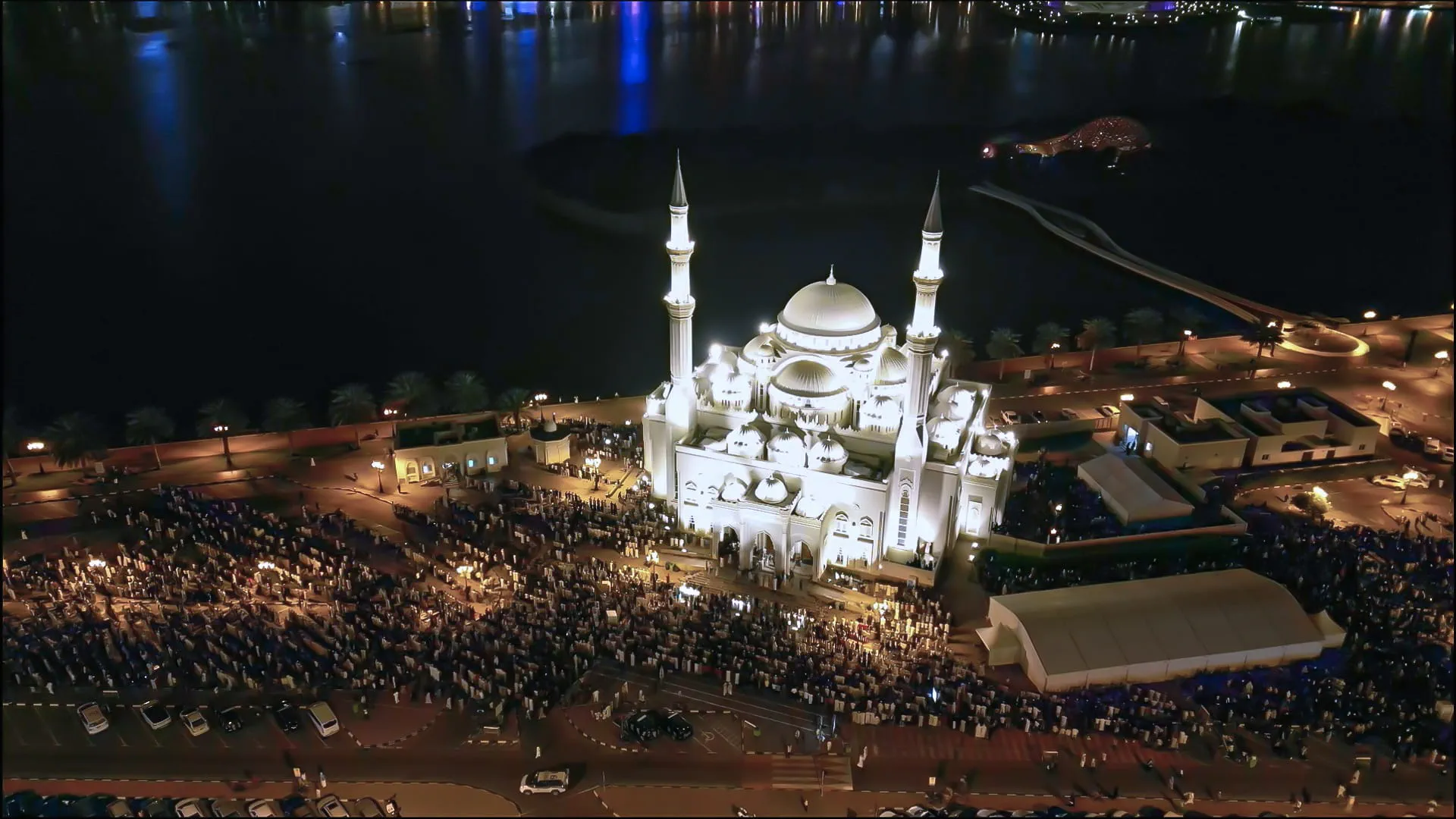
This comes as part of its plan to open 17 mosques from the beginning of the current year until the end of the holy month, in line with urban expansion and population growth. The initiative aims to provide an integrated faith-based environment for worshippers and to enhance the mosque’s role as a pillar of religious and social life across the Emirate’s neighbourhoods.
The inauguration ceremony was attended by His Excellency Dr Issa Saif Ahmed bin Hanzel, Chairman of the Department of Islamic Affairs, in the presence of directors of departments and branches, donors, and residents of the respective areas.
The occasion reflected the Emirate’s continued care for the Houses of Allah and its commitment to maintaining and developing them.
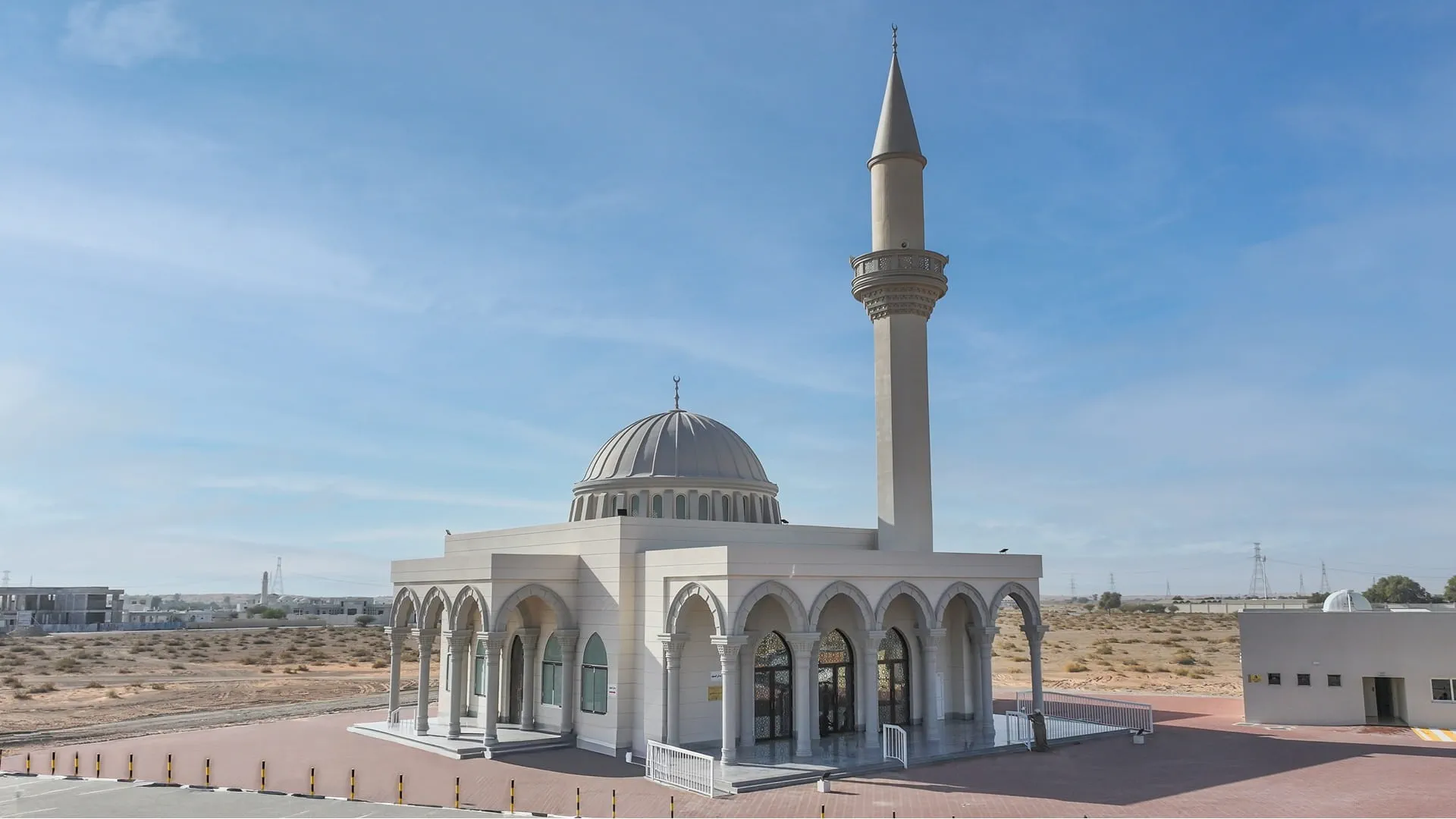
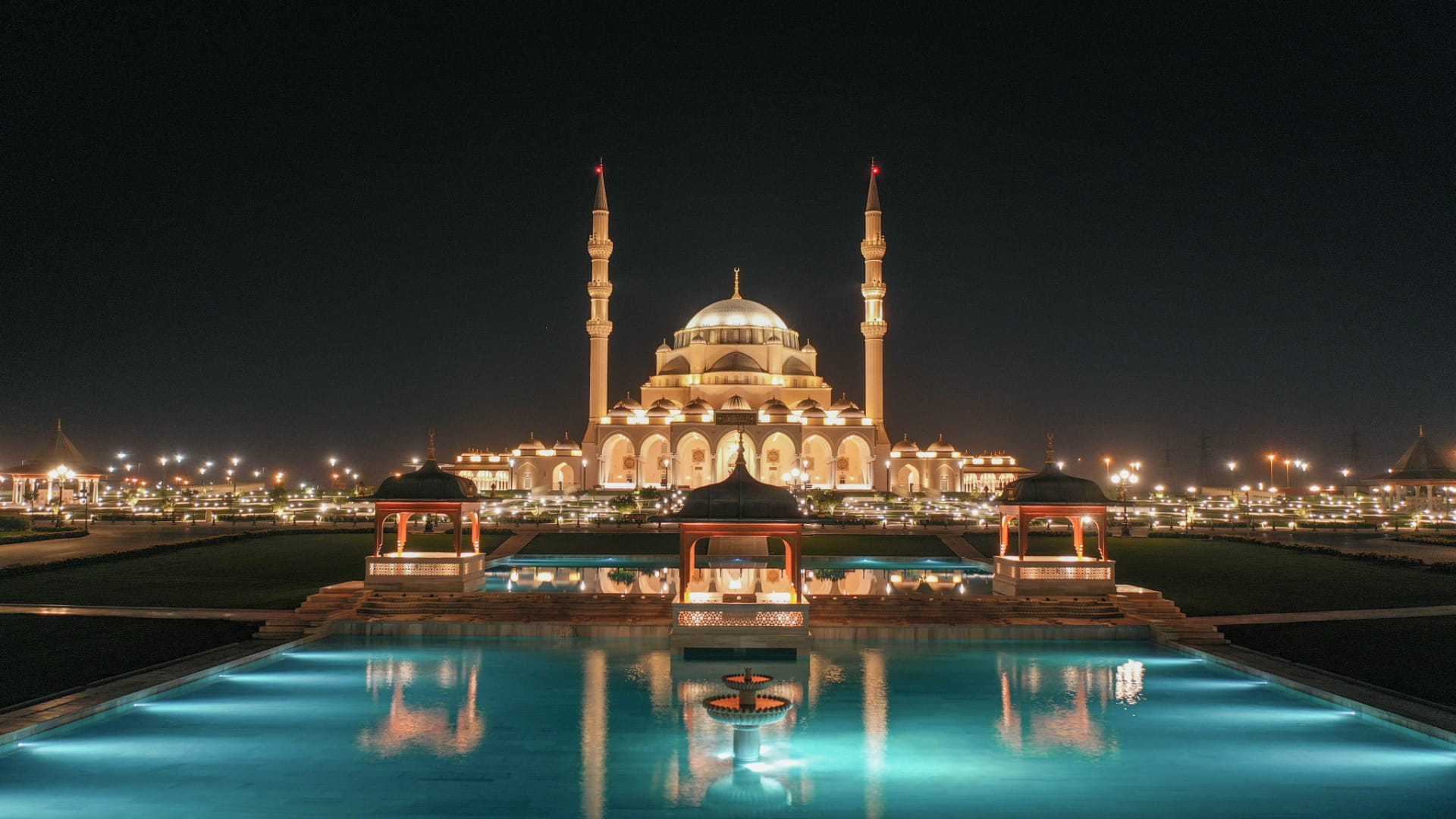
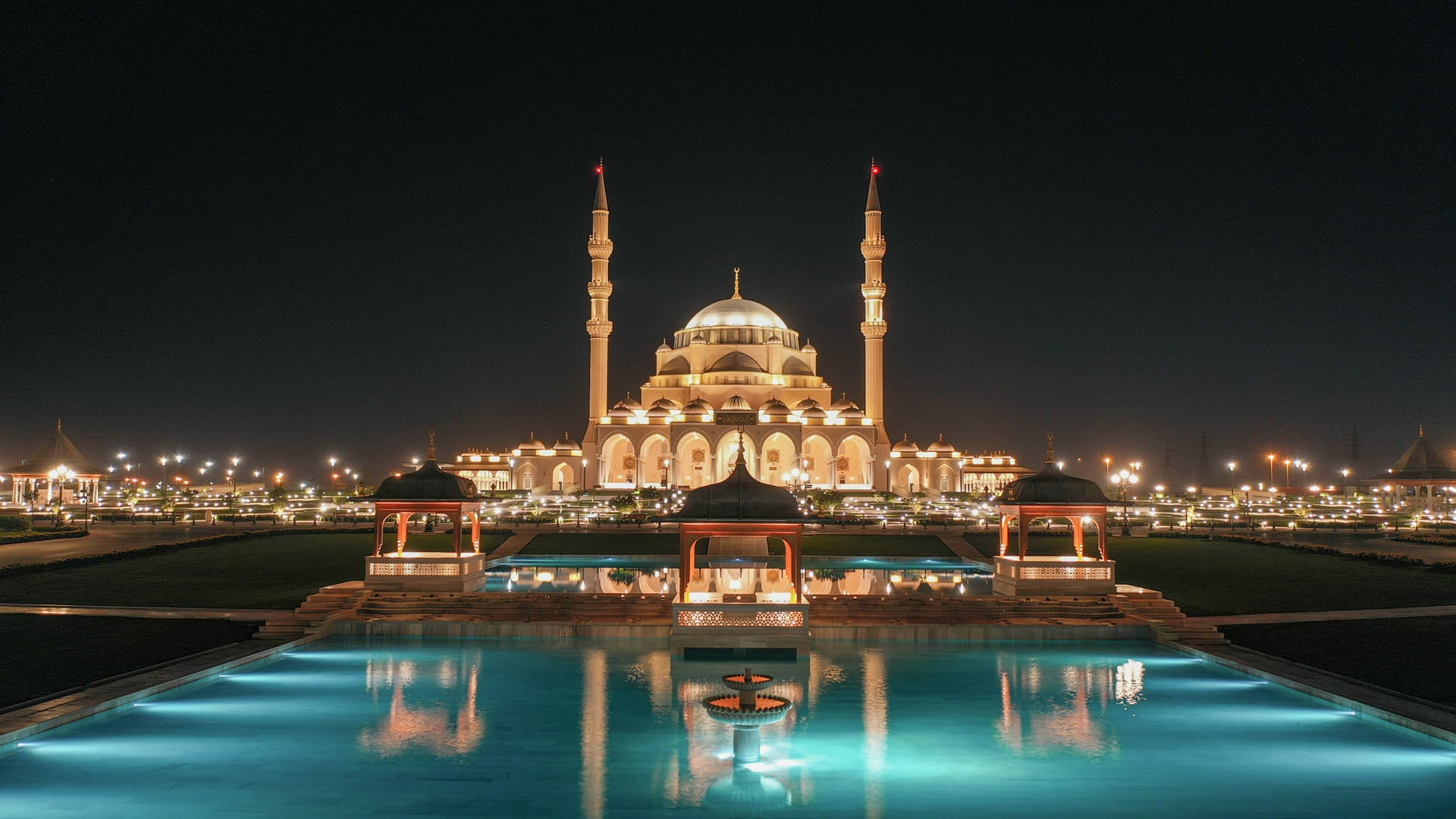
The five mosques vary in size and capacity and feature architectural designs inspired by the authentic spirit of Islamic architecture. Both aesthetic and functional aspects were carefully considered, with integrated facilities provided to meet the needs of worshippers during congregational prayers and Taraweeh prayers.
Construction adhered to the highest quality standards, ensuring a comfortable and spiritually uplifting atmosphere.
In Sharjah City, the Department inaugurated:Thabit bin Amr Mosque in Al Rahmaniya Suburb (Kshisha 1), with a capacity of 350 worshippers, including 50 for women.
Prophet Dawood (peace be upon him) Mosque in Kshisha 1, Al Rahmaniya Suburb, accommodating 255 worshippers, including 55 in the women’s prayer hall.
Malik bin Anas Mosque in Al Suyoh Suburb, Al Mawridah 4 area, with a capacity of 400 worshippers, including 50 in the women’s prayer hall.
In the Central Region, the Department inaugurated: Umar bin Abdulaziz Mosque in Al Hisn area, Al Dhaid, accommodating 500 worshippers, including 65 for women. Rifa’a bin Amr Mosque in Khudairah area, Mleiha, with a capacity of 650 worshippers, including 80 for women.
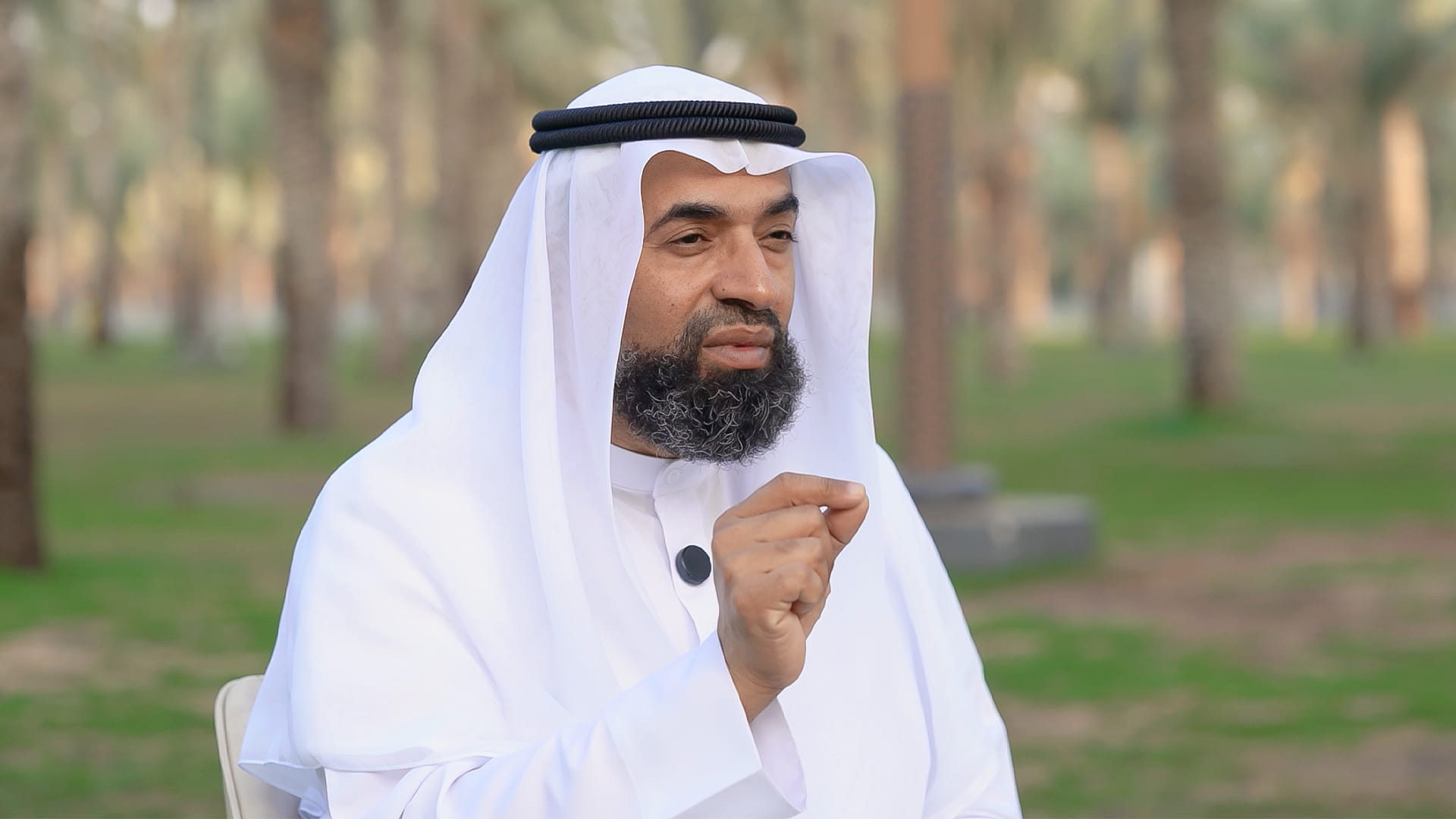
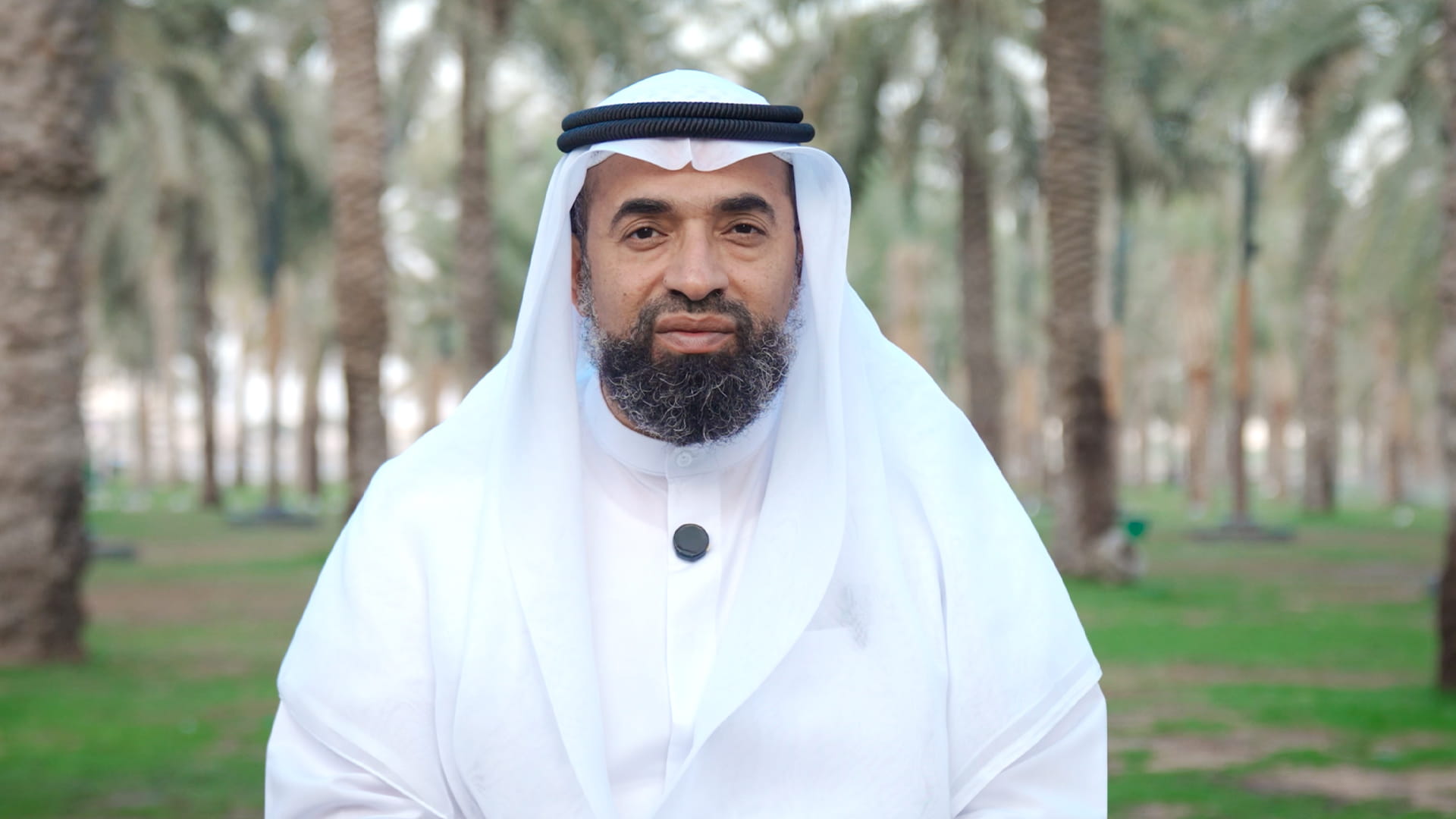
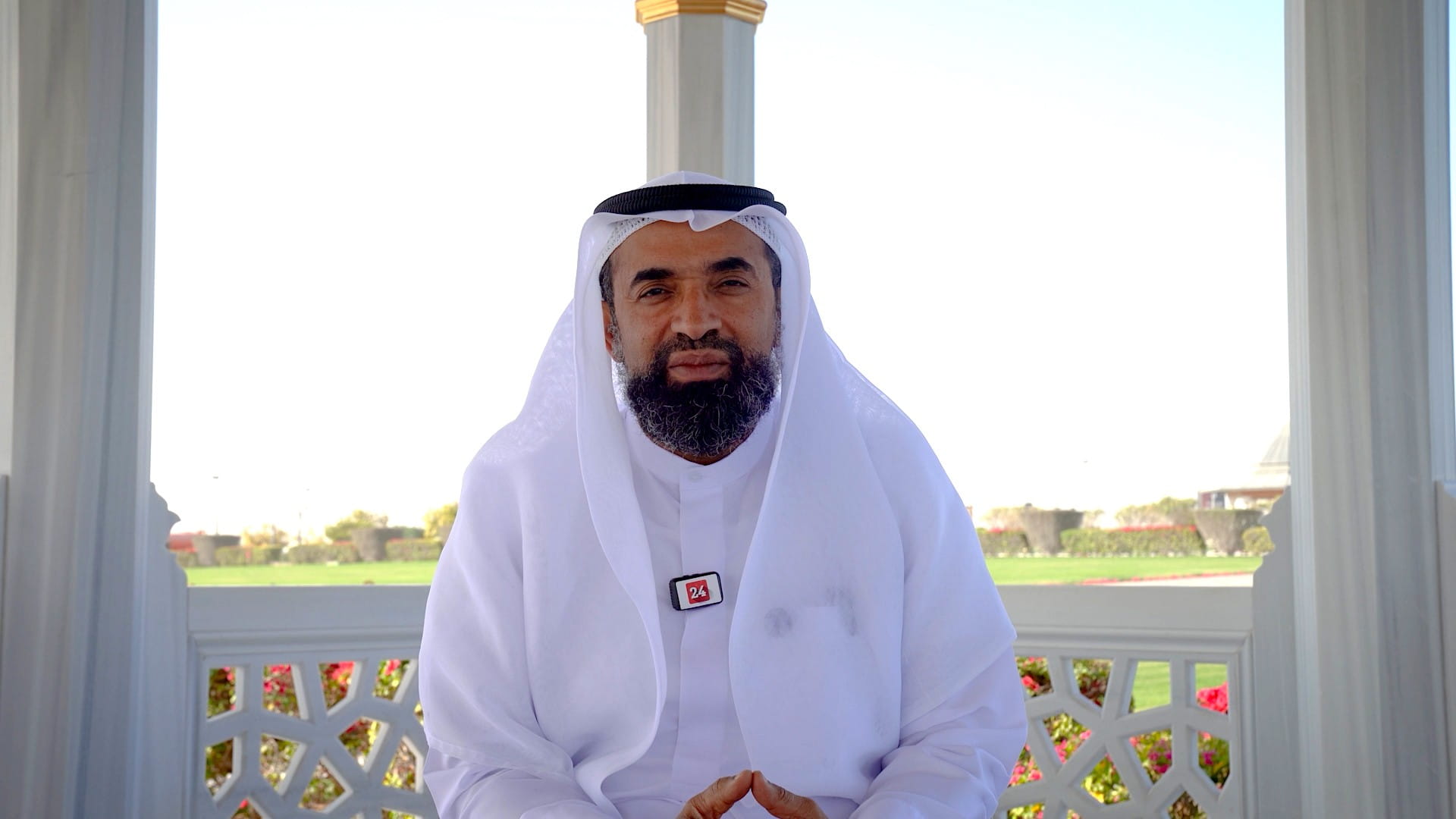
His Excellency Counsellor Dr Issa Saif Ahmed bin Hanzel, Chairman of the Department of Islamic Affairs, stated: “The inauguration of these mosques in conjunction with the blessed month of Ramadan comes within the framework of the Department’s commitment to building and maintaining the Houses of Allah, and enhancing their religious and social role in line with the needs of residential communities, while reinforcing the mosque’s position as a centre of spiritual and educational life in society.”
He added:“The Department ensures that new mosques combine the beauty of Islamic architecture with efficient facilities and services, providing a spiritual environment conducive to devotion and the performance of worship—particularly during the month of Ramadan, when acts of worship increase and mosques are filled with worshippers.”
He also praised the efforts of donors and benefactors in building mosques, noting that this reflects the spirit of solidarity that characterises Sharjah society. He affirmed that mosque construction is among the most noble forms of ongoing charity (Sadaqah Jariyah), whose benefit and reward continue over time.

 For an optimal experience, please
rotate your device to portrait mode.