
Loading...
Loading...

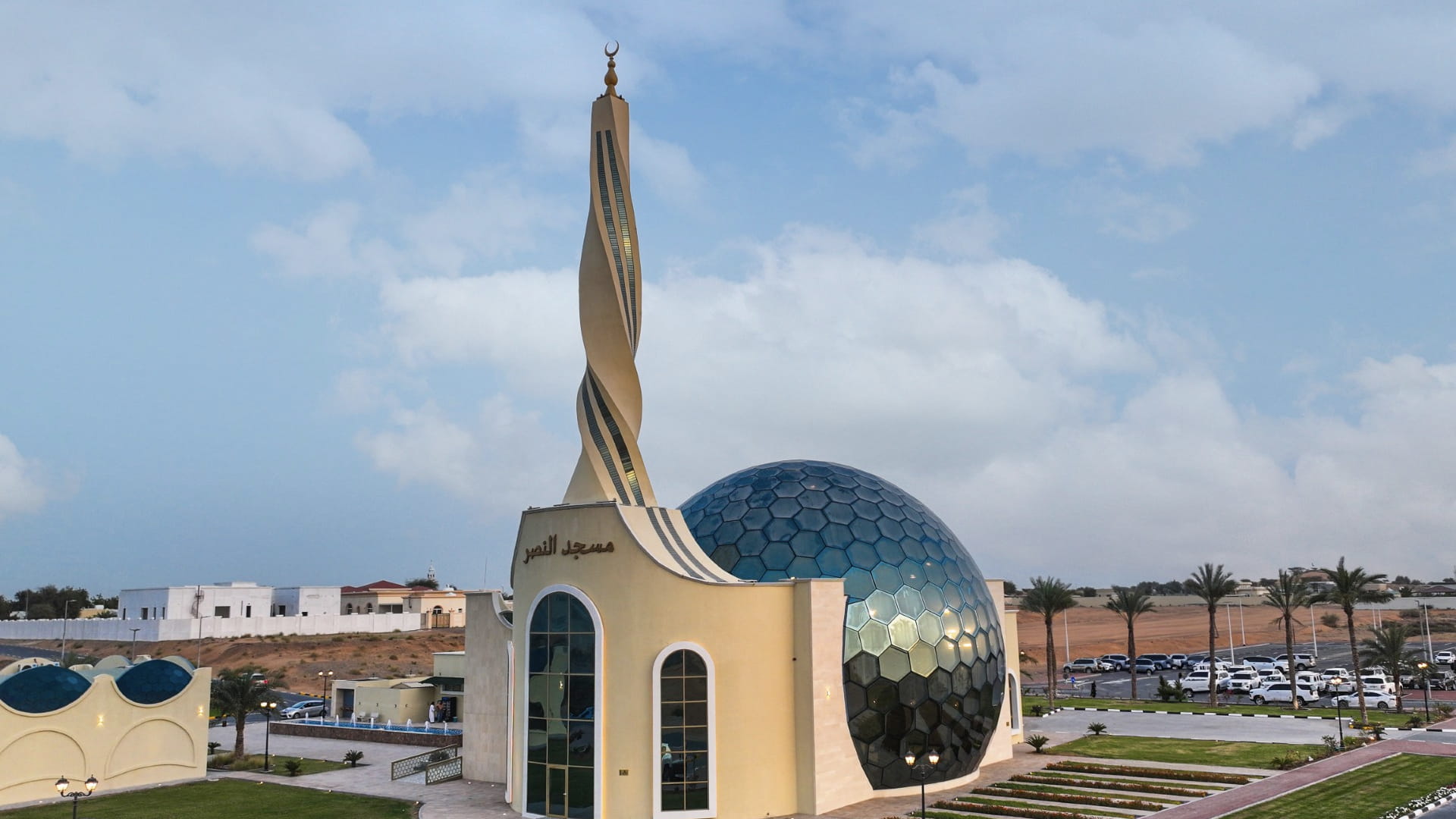
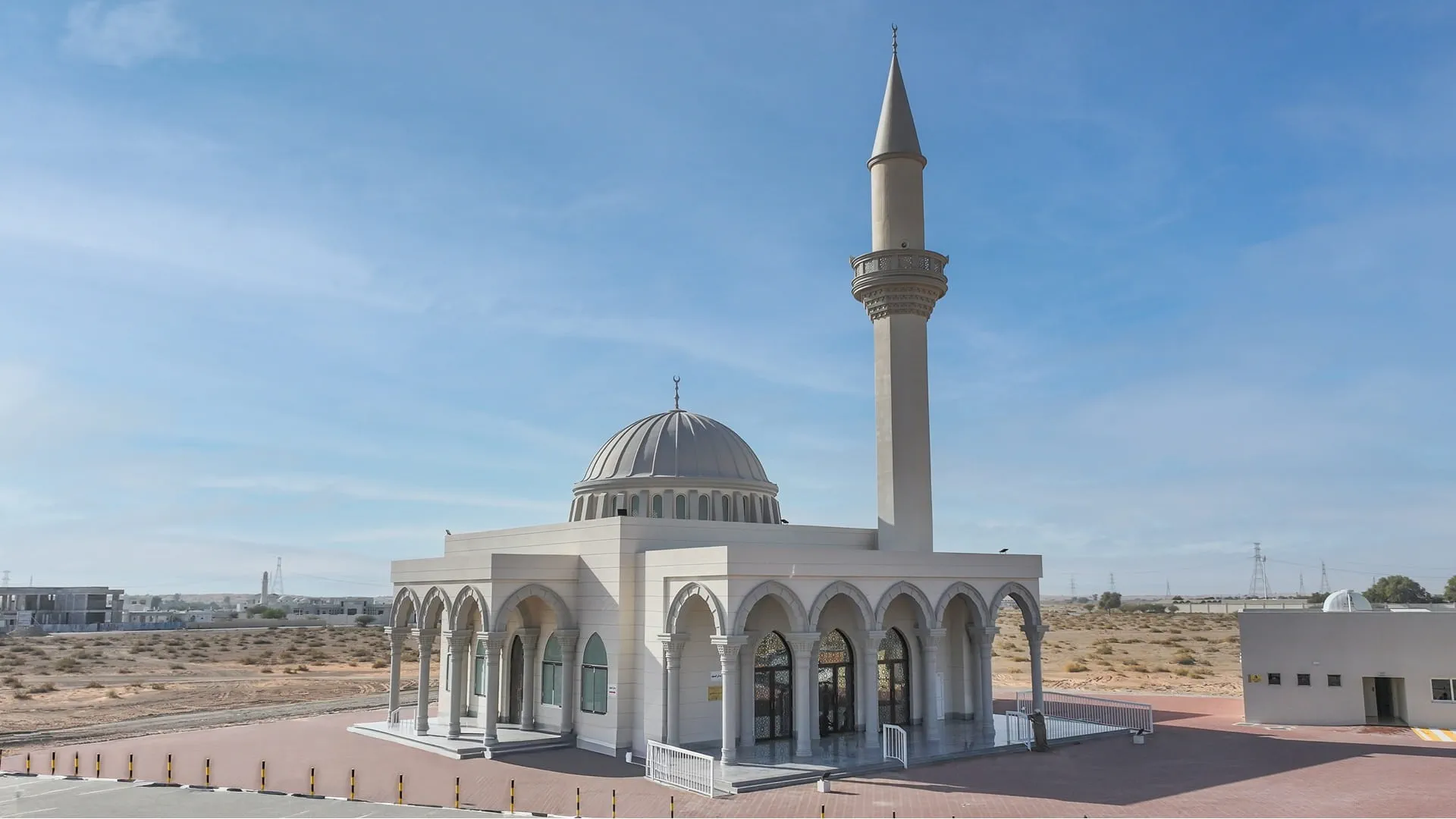
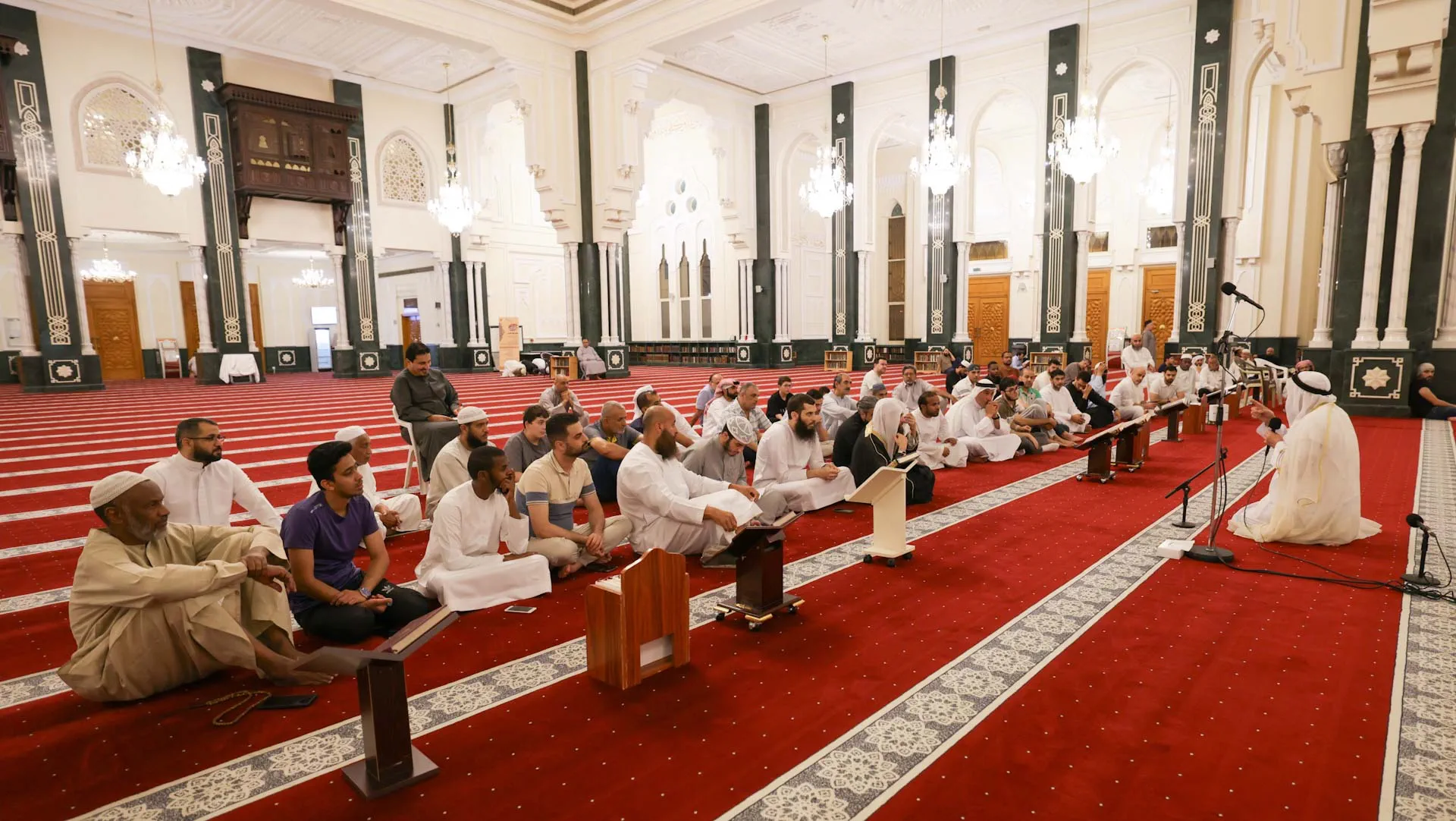
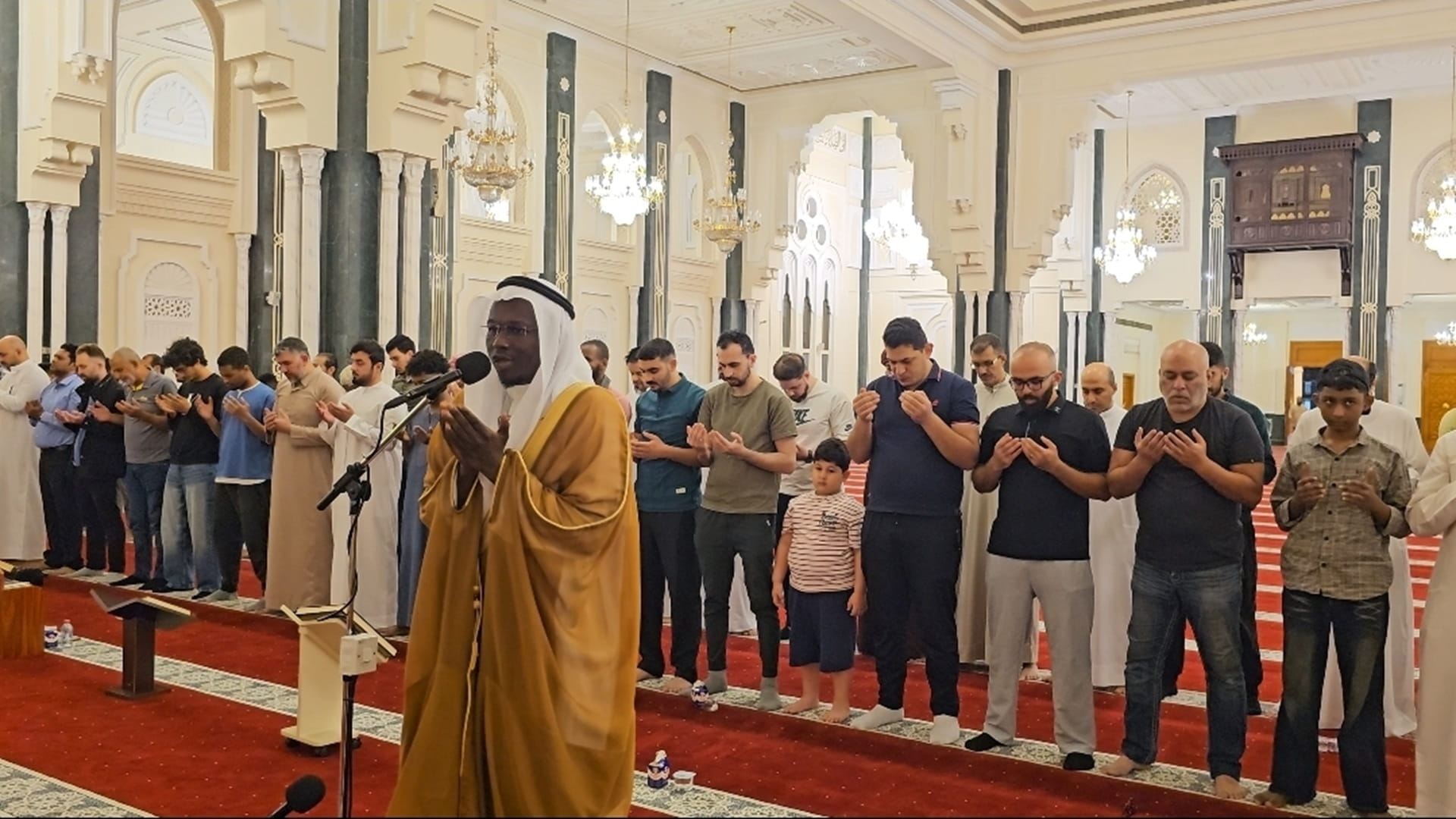
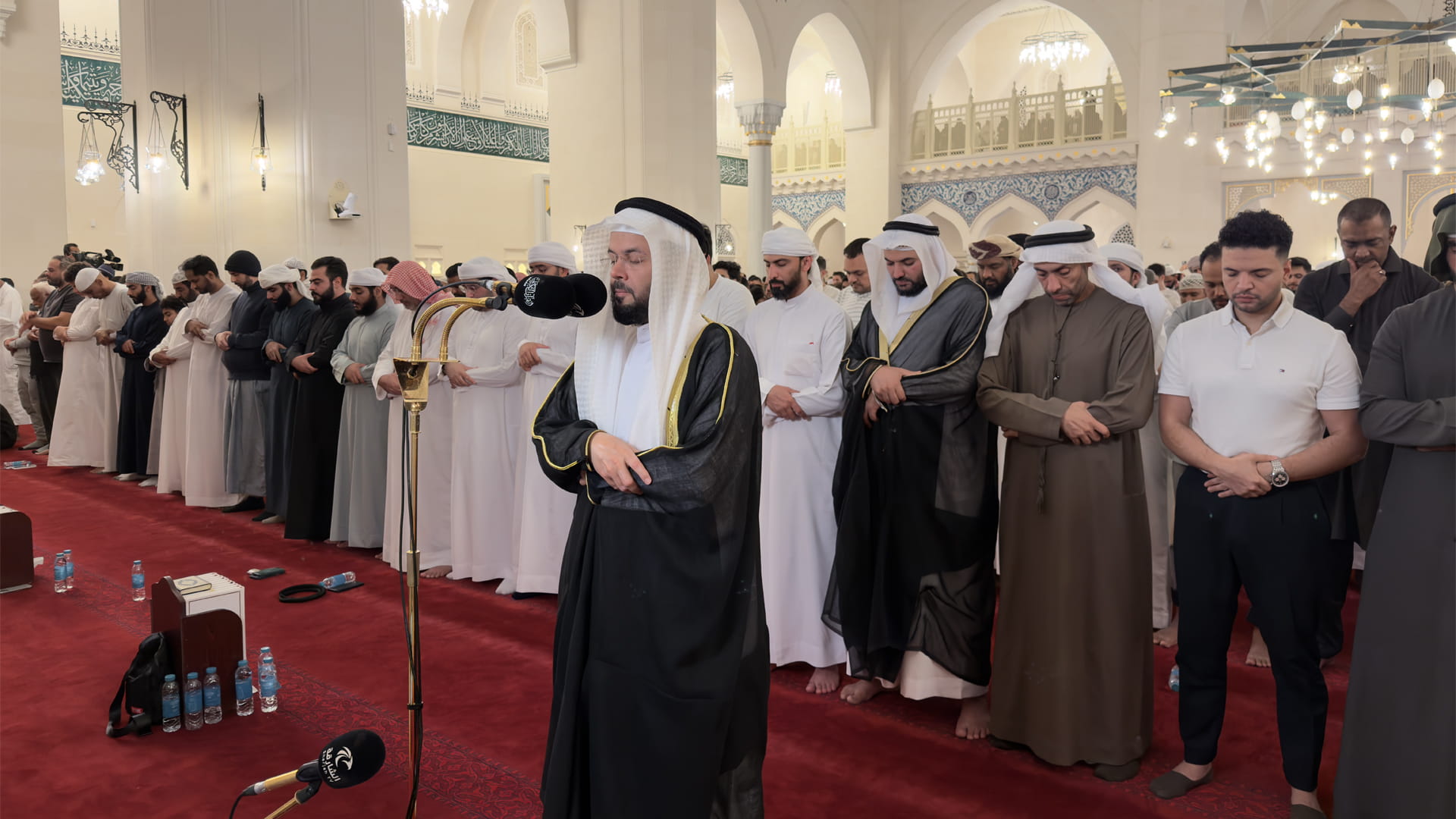
The mosques included in the plan comprise 11 mosques in Sharjah City, one mosque in Al Hamriyah, four mosques in the Central Region, and one mosque in the Eastern Region. Their total capacity is approximately 9,000 male and female worshippers, helping facilitate access to mosques and enabling residents to perform religious rituals with ease and peace of mind.
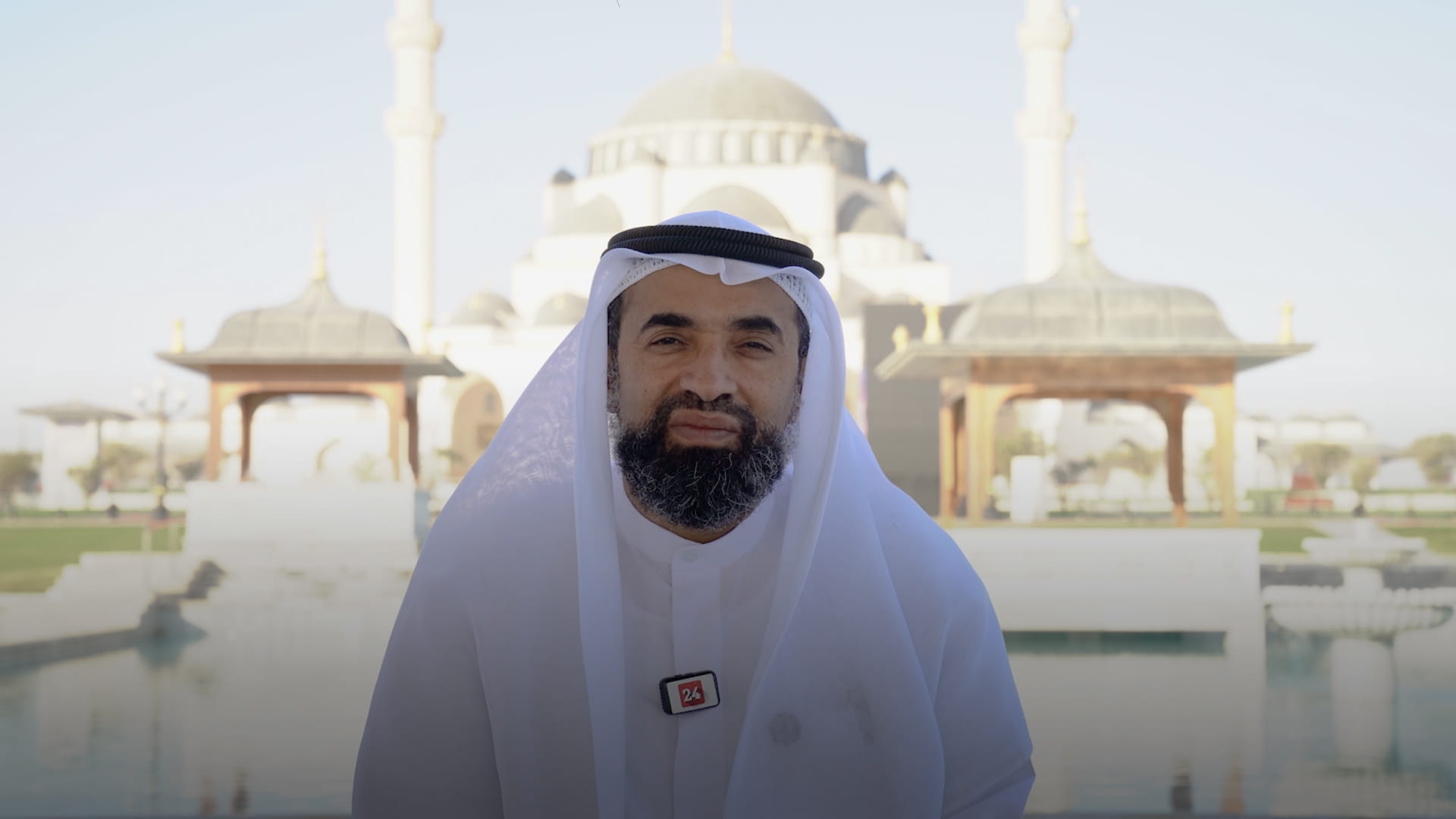
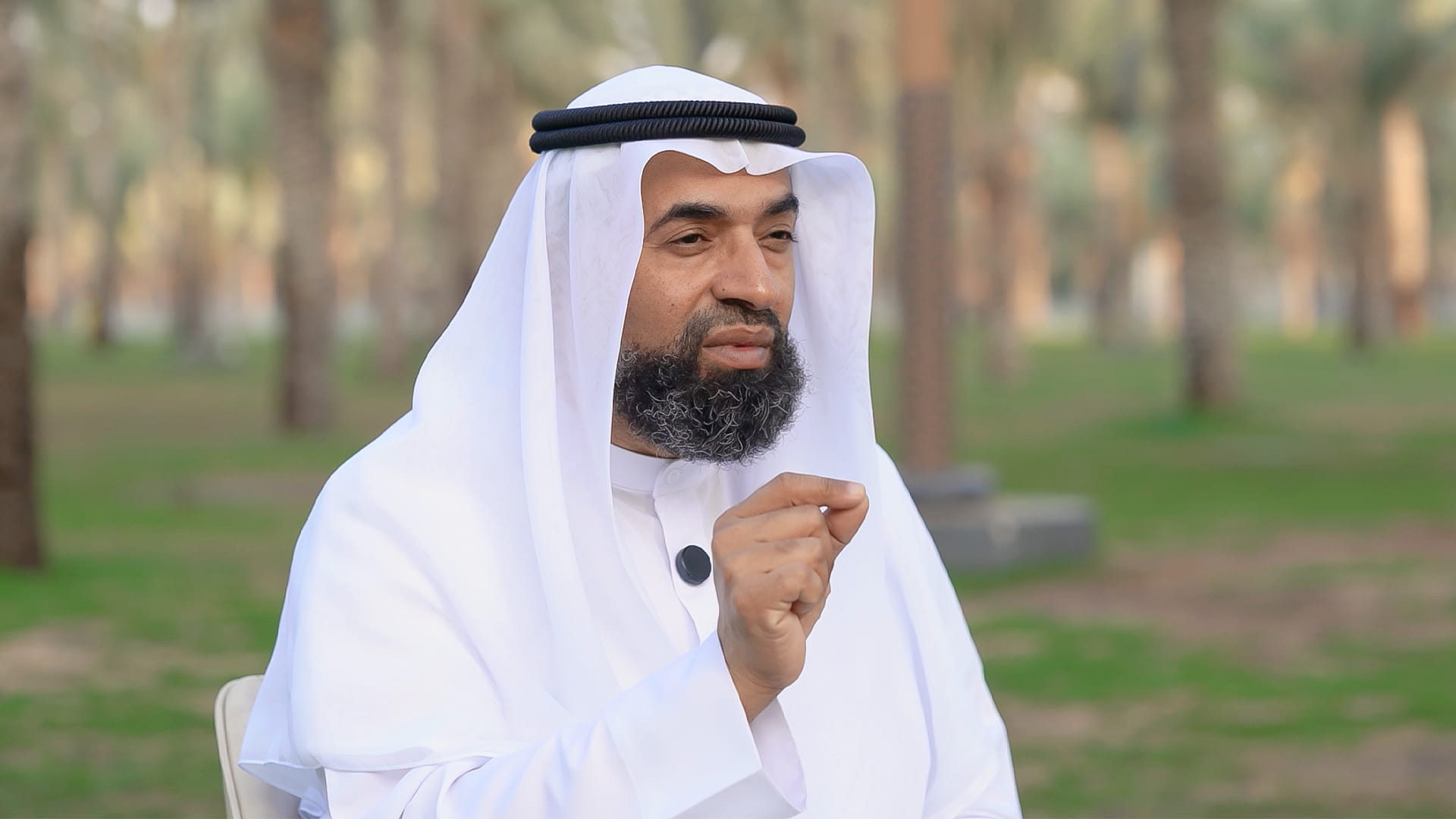
His Excellency Dr Issa Saif bin Hanzel, Member of the Sharjah Executive Council and Chairman of the Department of Islamic Affairs, affirmed that the completion of this plan reflects the vision of His Highness Sheikh Dr Sultan bin Mohammed Al Qasimi, Supreme Council Member and Ruler of Sharjah, in caring for mosques and strengthening their central role in society. He praised His Highness’s continuous support for mosque construction projects and his commitment to allocating land for mosques across the emirate.
He added that the prominent presence and diversity of mosques in Sharjah are a direct result of His Highness’s directives and ongoing follow-up, which have reinforced the mosque’s status as a spiritual and cultural landmark, and a centre for worship, learning, and community cohesion.
Dr Issa Saif bin Hanzel noted that the newly opened mosques vary in size and architectural style, with designs inspired by authentic Islamic architecture while reflecting the unique urban character of each area, enhancing an atmosphere of serenity and devotion.
He added that the mosques were designed to include dedicated prayer halls for women, fully equipped ablution facilities, and operational services that meet the highest standards. Special consideration was also given to the needs of elderly people and persons with disabilities, ensuring the mosques are accessible and welcoming to all members of society.
The Chairman of the Department praised the generous contributions of donors and philanthropists who supported the construction of several of these mosques. He emphasised that their contributions represent an exemplary model of social solidarity and ongoing charity (Sadaqah Jariyah), given the lasting benefits these projects provide to the community and worshippers.
He also noted that the department is committed to providing all necessary support and facilitation to donors and philanthropists, in line with the established approach of His Highness the Ruler of Sharjah in promoting charitable and institutional work.
Dr Issa Saif bin Hanzel concluded by affirming that the opening of these mosques marks an important milestone in an ongoing strategic plan. The department continues to assess residential areas’ needs for mosques in coordination with relevant authorities, in line with Sharjah’s development plans and urban growth, ensuring the sustainability of the mosque’s religious and social role in the community.

 For an optimal experience, please
rotate your device to portrait mode.