
Loading...
Loading...

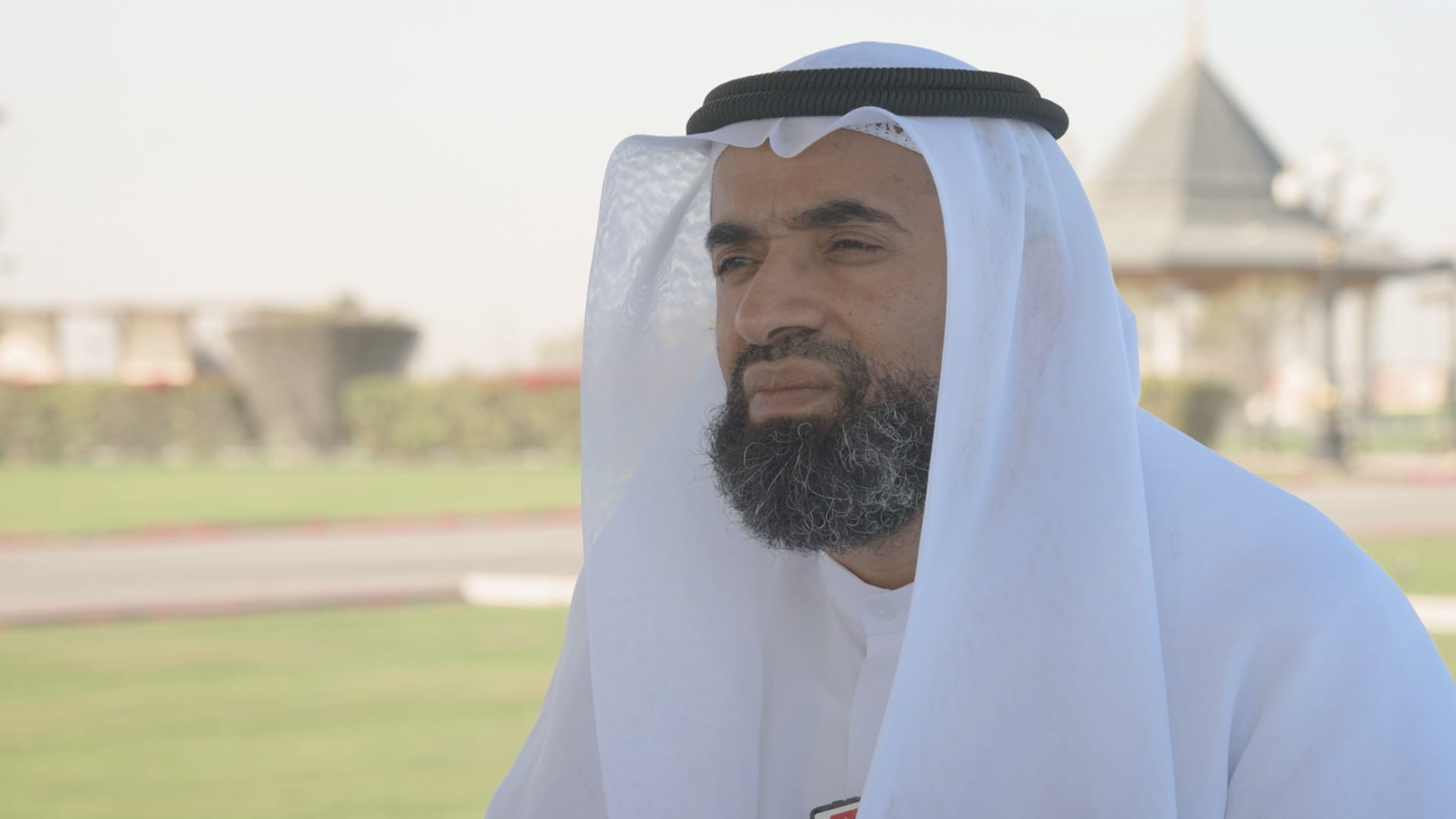
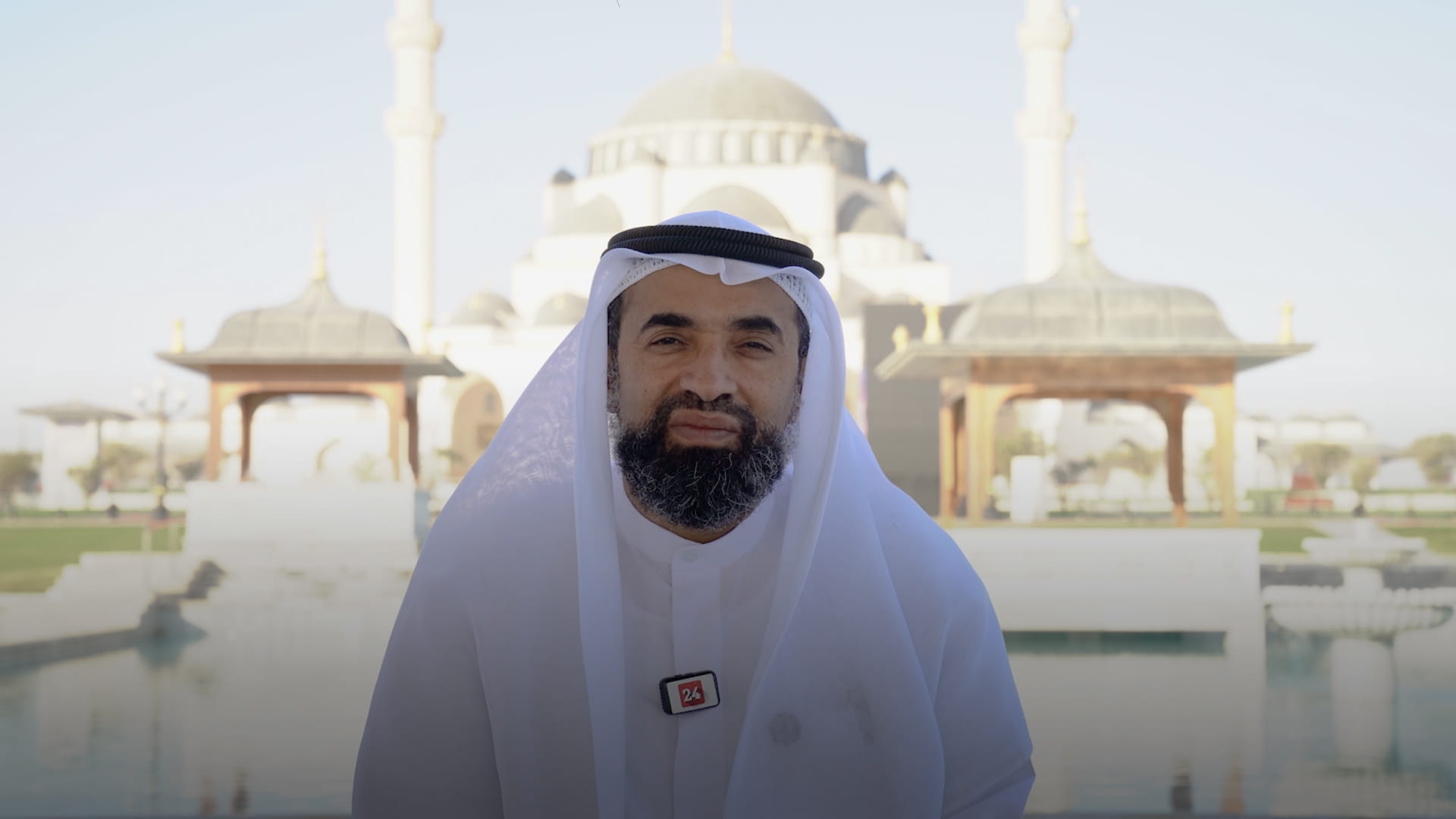
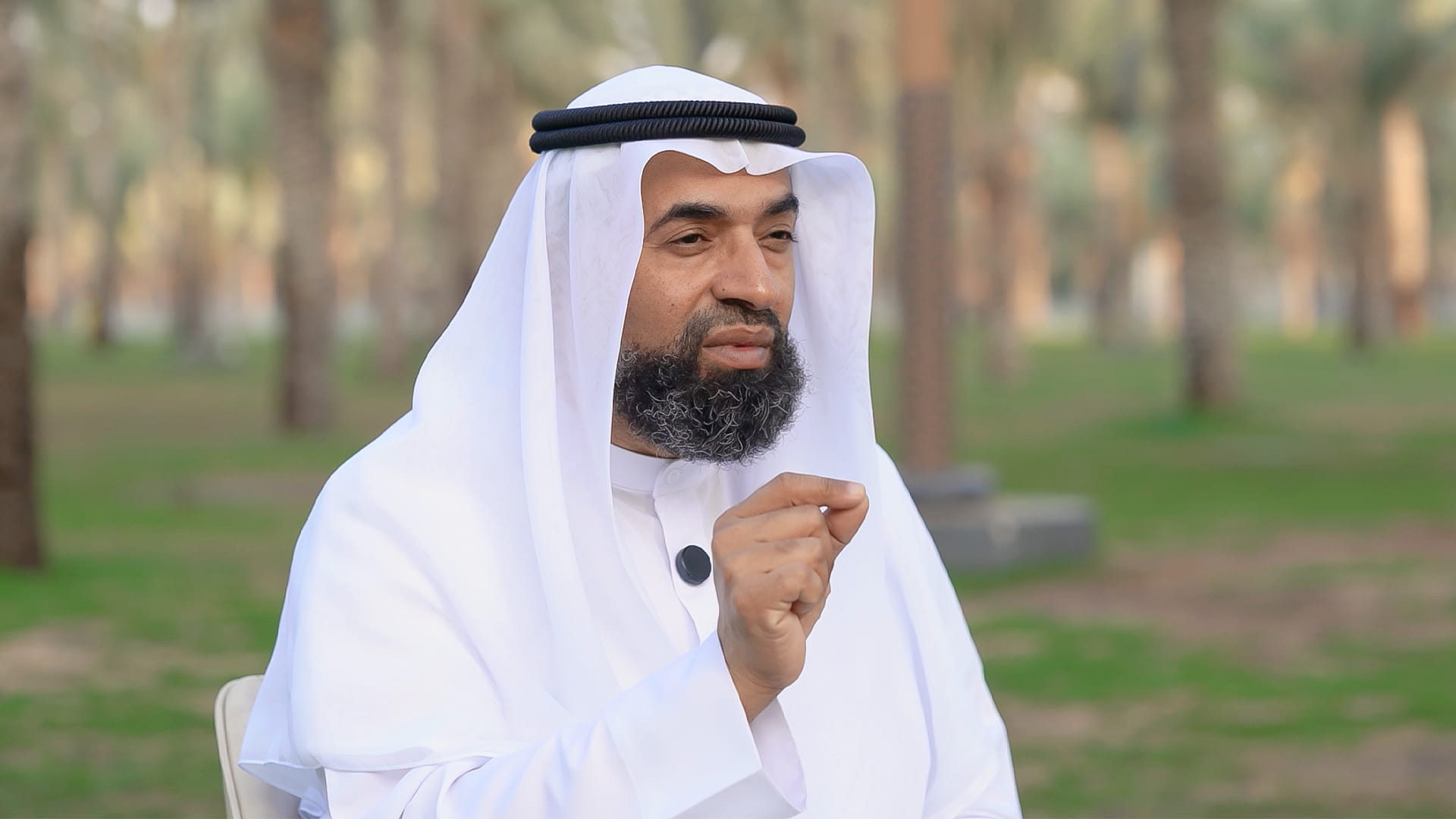
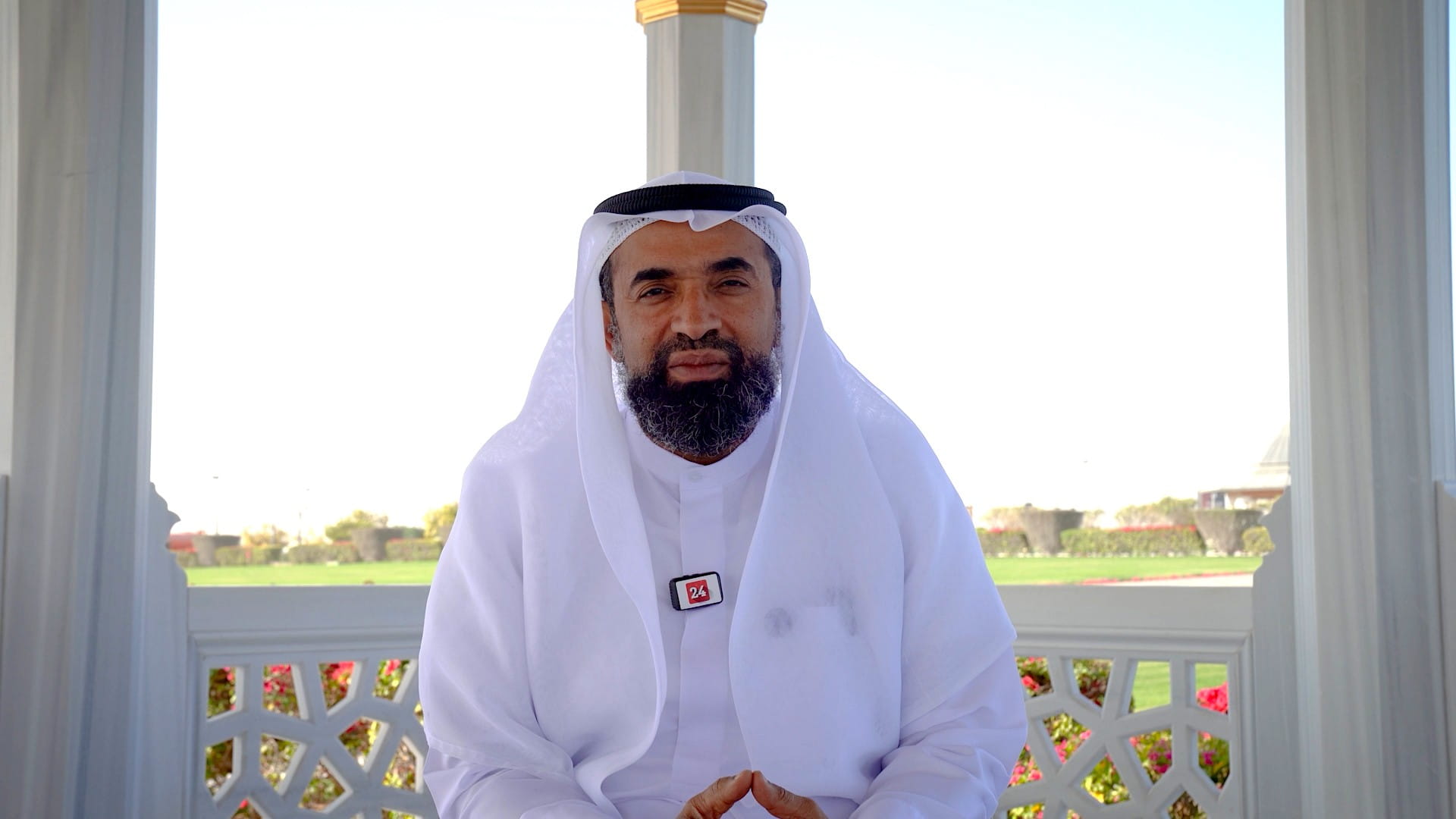
In the episode, Sheikh Al-Doubi explained that charity was a defining characteristic of the life of Prophet Muhammad (peace be upon him), particularly during the holy month of Ramadan. He noted that this example of generosity reflects the true meaning of fasting, which goes beyond abstaining from food and drink to include acts of giving, compassion, and supporting those in need.
He also highlighted the various forms of charity, explaining that it is not limited to financial giving but includes kind words, feeding others, fulfilling people’s needs, reconciling between individuals, and relieving those in distress. He emphasised that charity brings immense benefits in both this life and the hereafter.
Al-Doubi added that charity helps ward off calamities and protects individuals from harm, as it purifies the soul, blesses wealth, and strengthens social solidarity. He noted that Ramadan offers a valuable opportunity to renew and reinforce this noble virtue in daily life.
He also stressed the importance of raising children and families with the values of charity and generosity, explaining that teaching children to give from an early age instils compassion and kindness, making generosity a lifelong habit. He highlighted the key role of the family, noting that even women at home can instil these values through simple acts, such as sharing food with neighbours, following Islamic teachings that promote solidarity and strengthen bonds of affection within the community.
He concluded by emphasising that true fasting produces positive moral conduct in society, and that following the Prophet’s example of generosity and kindness is the path to attaining the blessings of Ramadan and achieving its higher spiritual and social objectives.

 For an optimal experience, please
rotate your device to portrait mode.