
Loading...
Loading...

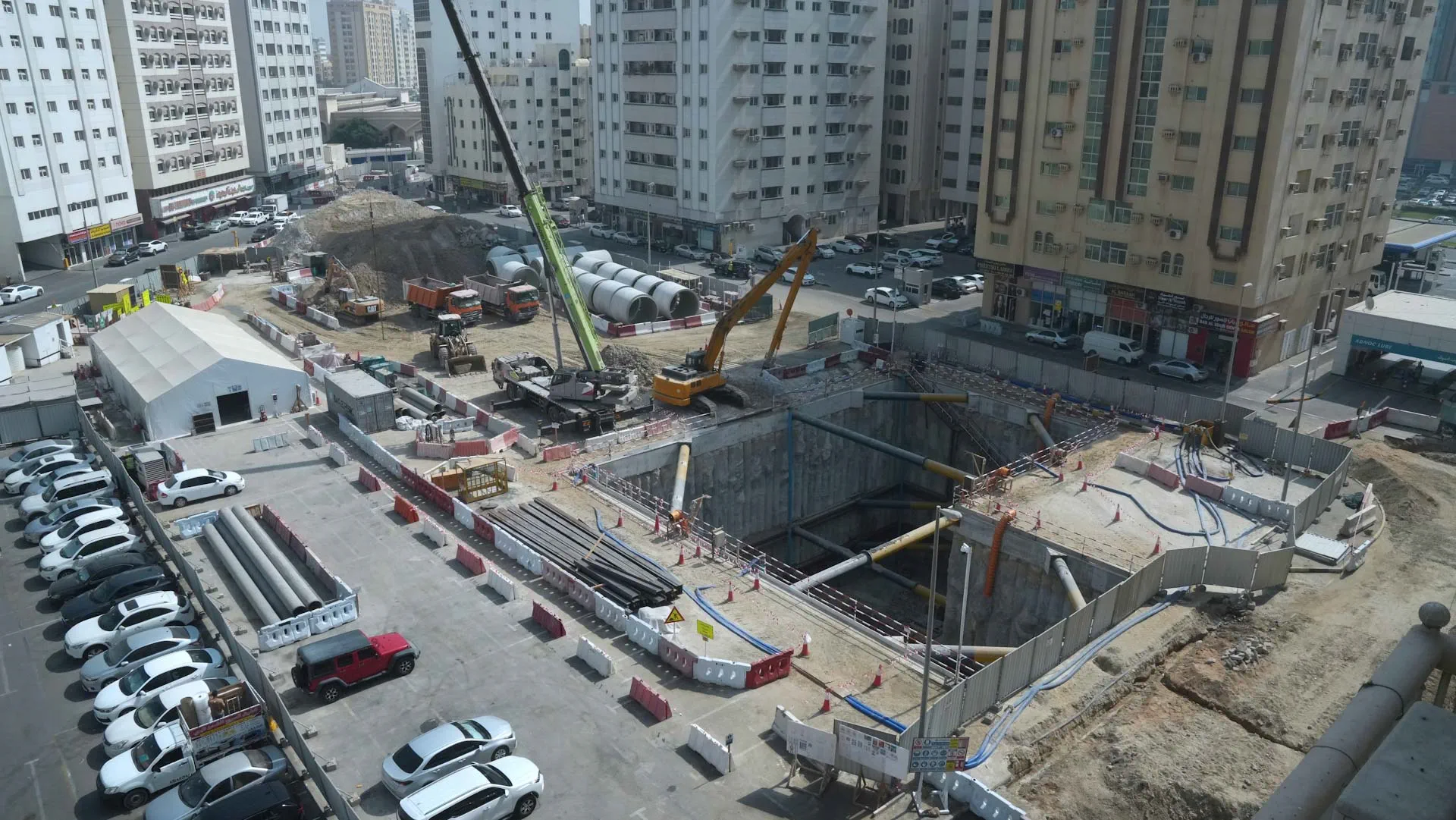
To ensure high efficiency, the project has been divided into three main interconnected zones. The first zone involves the construction of the main transmission line and secondary lines extending 16 km using micro-tunnelling techniques at depths reaching 20 metres. This forms the backbone of the system, transporting large volumes of water efficiently towards the sea.
The second zone includes the construction of two main pumping stations—Al Ghubayba and Al Sour—along with supporting networks. Al Ghubayba station has a capacity of 6.2 cubic metres per second and serves multiple areas including Al Ghubayba, Al Tala’a, Al Rifa’a, Al Shahba, Al Darari, Al Tarfa, Dasman, Samnan, parts of Industrial Area 4, Al Wahda Street, Wasit Street, and Abu Shaghara Tunnel. It includes 6.6 km of main collection lines.
Al Sour station has a capacity of 5.7 cubic metres per second, serving areas such as Al Shuwaiheen, Al Ghuwair, Al Musalla, Al Manakh, Al Yarmook, Al Mureijah, Umm Al Tarafa, Al Mahatta, Al Jubail, Al Sour, Al Nad, Al Majaz, Abu Shaghara, and parts of King Faisal Road, with 3.3 km of collection lines.
The third zone includes marine outfalls and the construction of 55 inspection chambers with depths ranging between 15 and 20 metres and diameters up to 12 metres, ensuring effective maintenance and safe operation of the network.
The project is being implemented in two phases. The first phase, scheduled for completion by the end of 2026, covers areas such as Al Nad, Abu Danig, Al Mahatta, Al Yarmook, King Abdulaziz Street, and Abu Shaghara Tunnel. The second phase, to be completed in the first half of 2027, will cover additional areas including Al Darari, Al Rifa’a, Al Tarfa, Al Tala’a, Al Shahba, Al Musalla, Al Manakh, Al Ghubayba, Al Ghuwair, Samnan, Dasman, Industrial Area 4, Al Shuwaiheen, Al Jubail, Al Sour, Al Majaz, Abu Shaghara, Al Mureijah, Umm Al Tarafa, and major roads such as King Faisal, Al Wahda, and Wasit.
The project relies heavily on micro-tunnelling, covering 15 km compared to only 800 metres of open excavation to minimise traffic disruption. A total of 5,267 GRP pipes, each 3 metres long with a lifespan exceeding 50 years, have been used. The system operates through gravity flow supported by elevation differences, directing water to pumping stations and then to the sea.
More than 651 workers contributed to the project, achieving two million safe working hours. Covering an area of 4,000 hectares, the project reflects Sharjah’s vision to develop resilient infrastructure capable of handling increased rainfall due to climate change, protecting residential areas and vital roads, and ensuring sustainable, efficient drainage services across the emirate.
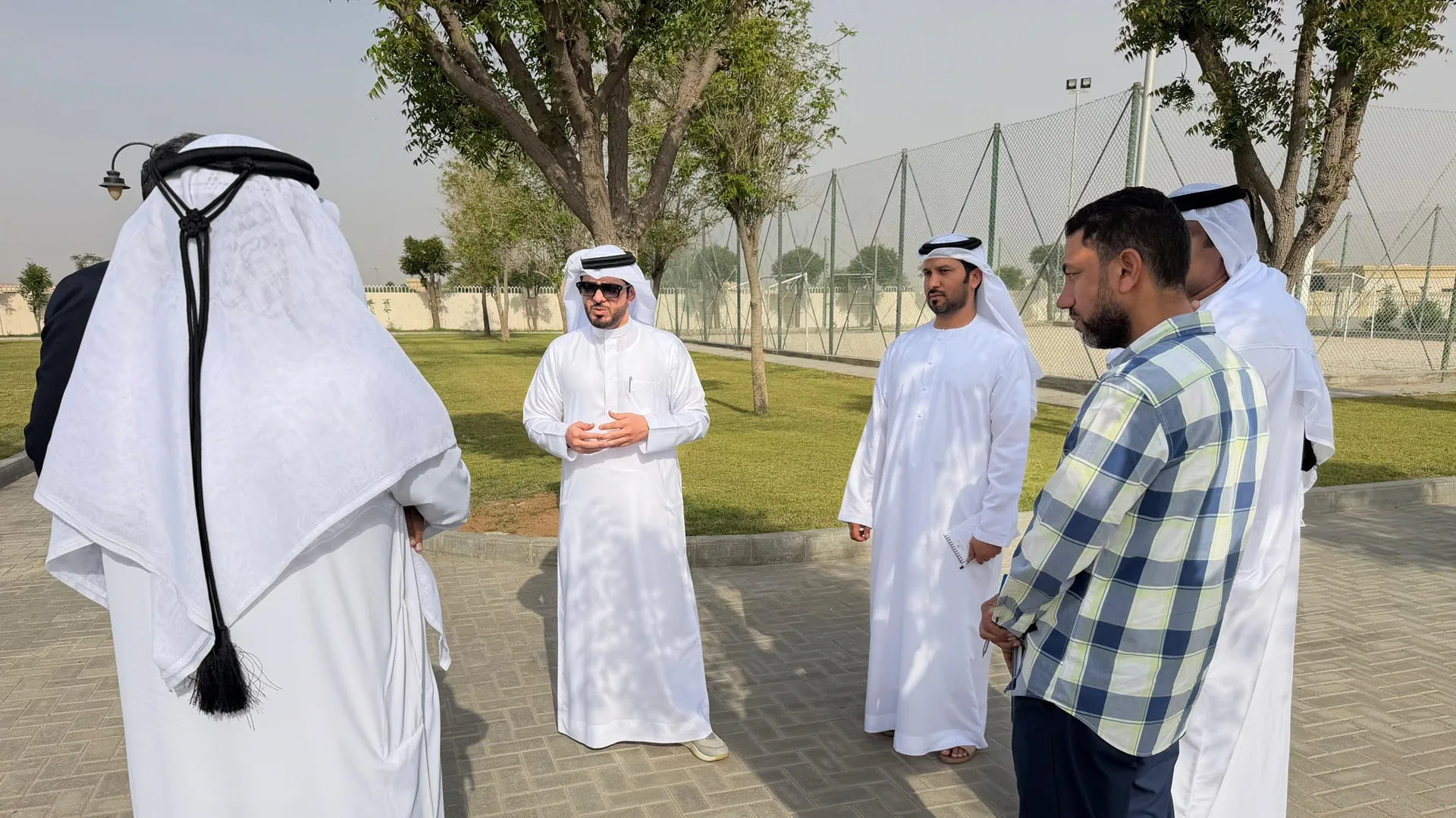
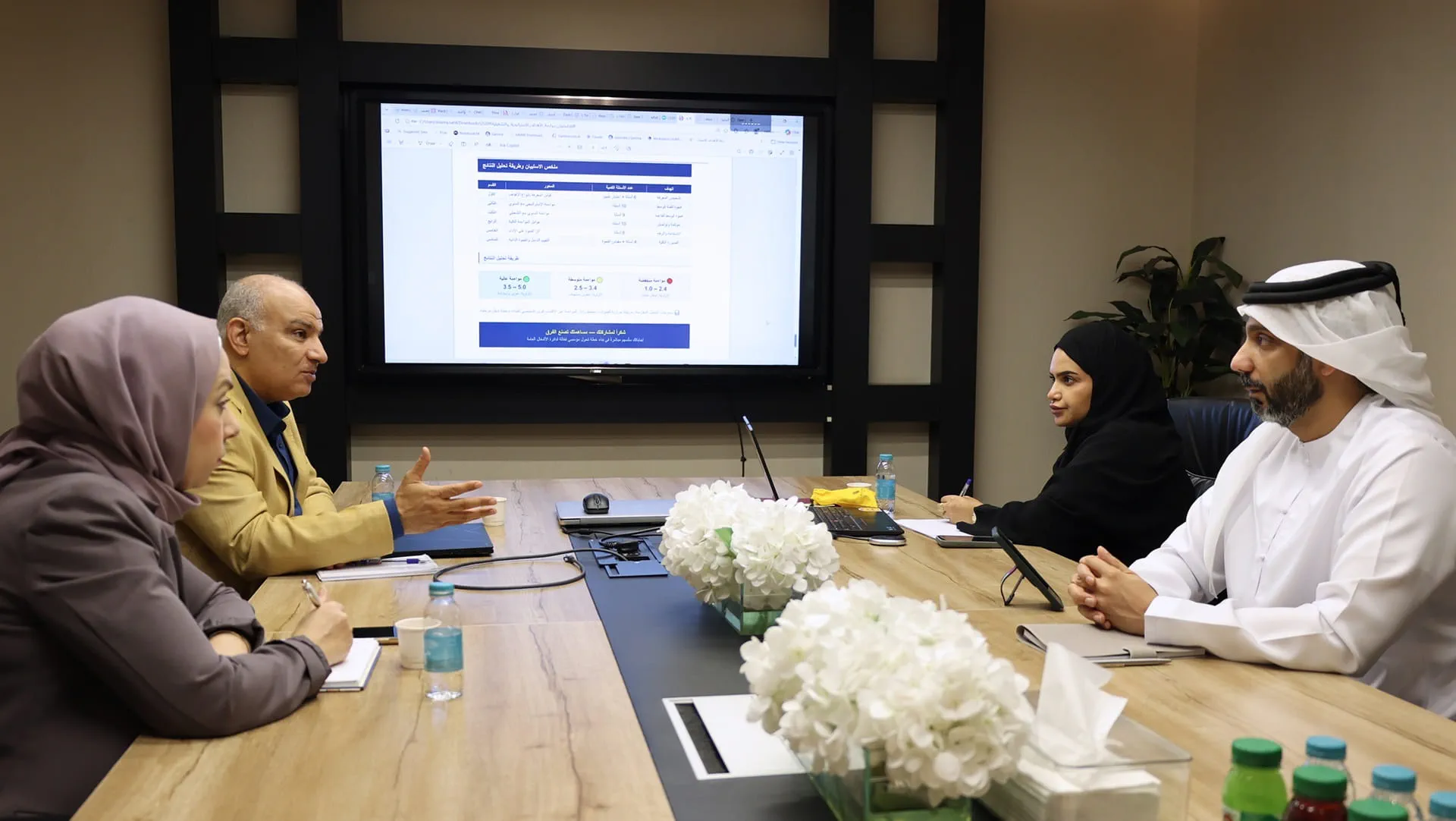
SDPW Board reviews project updates
02 monthsSDPW announces excellence award winners
02 months
 For an optimal experience, please
rotate your device to portrait mode.