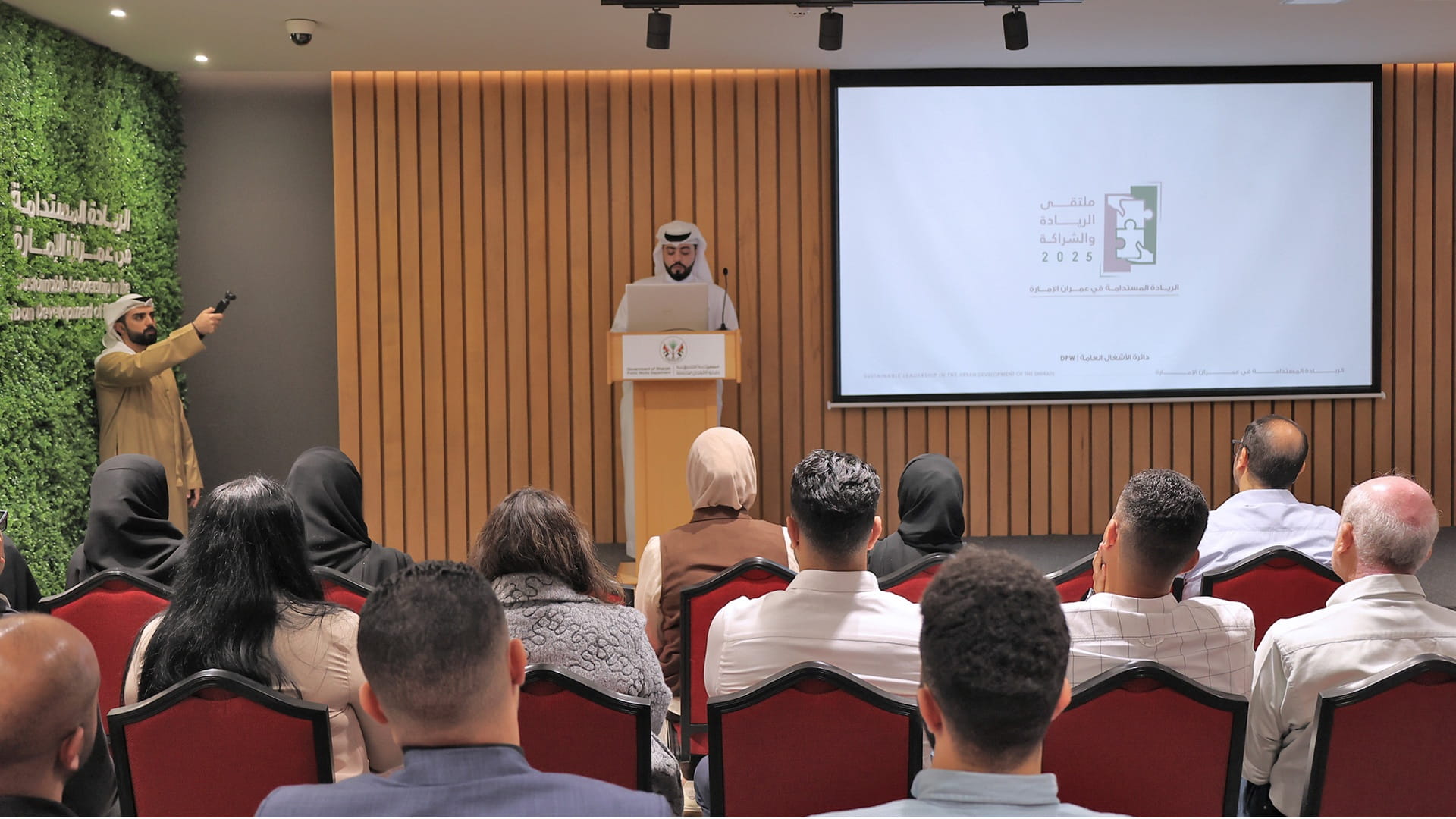
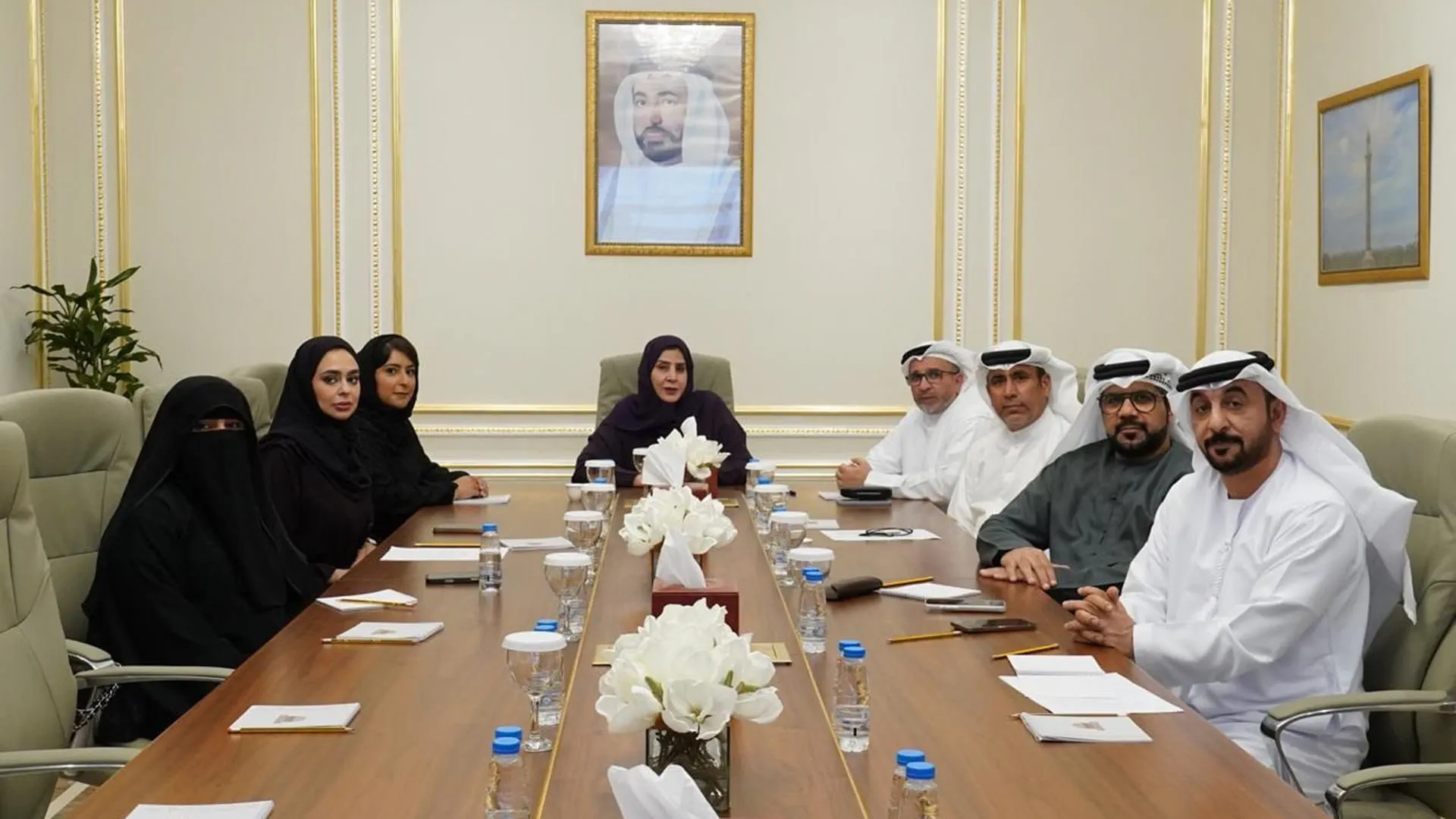
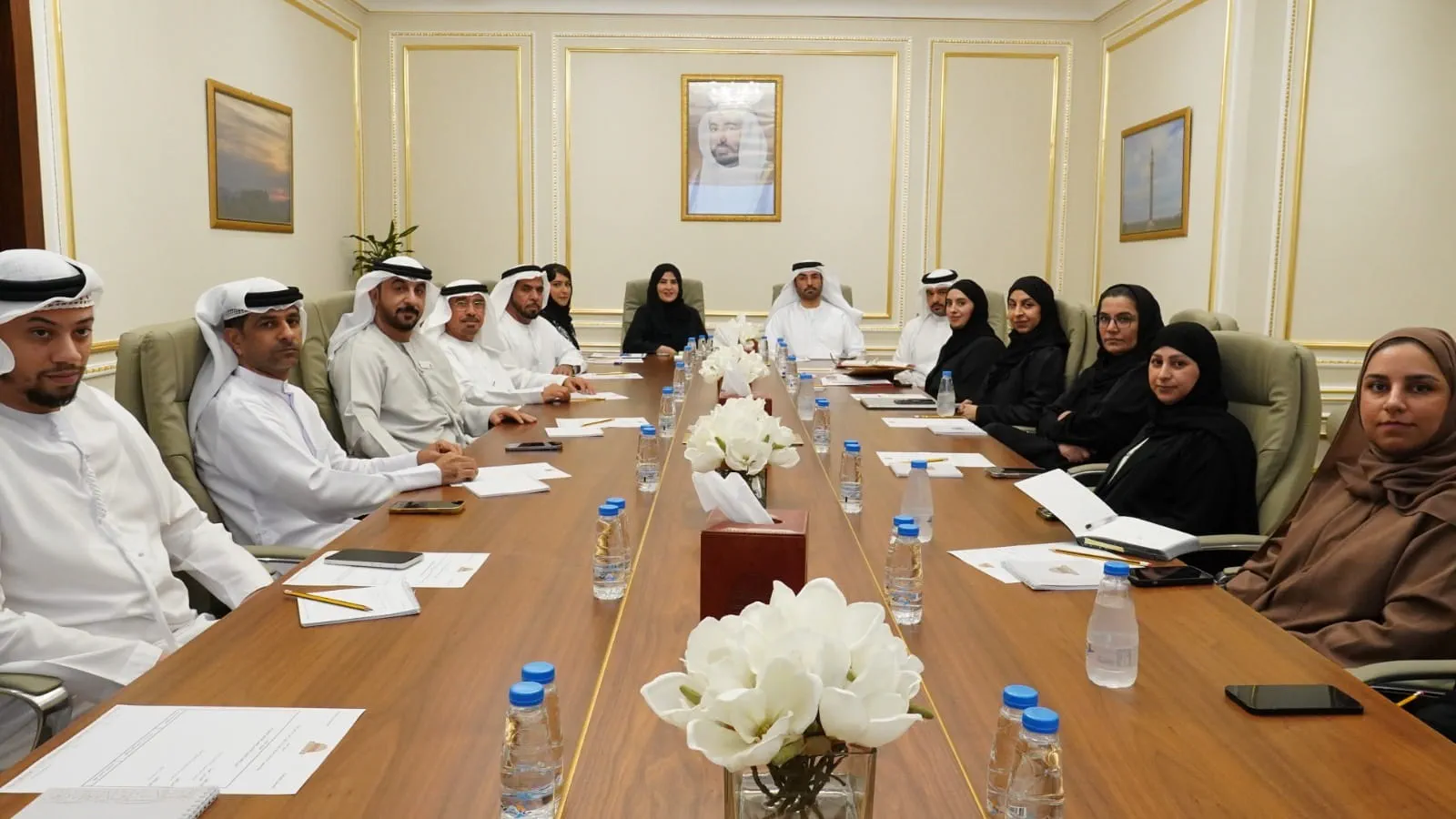
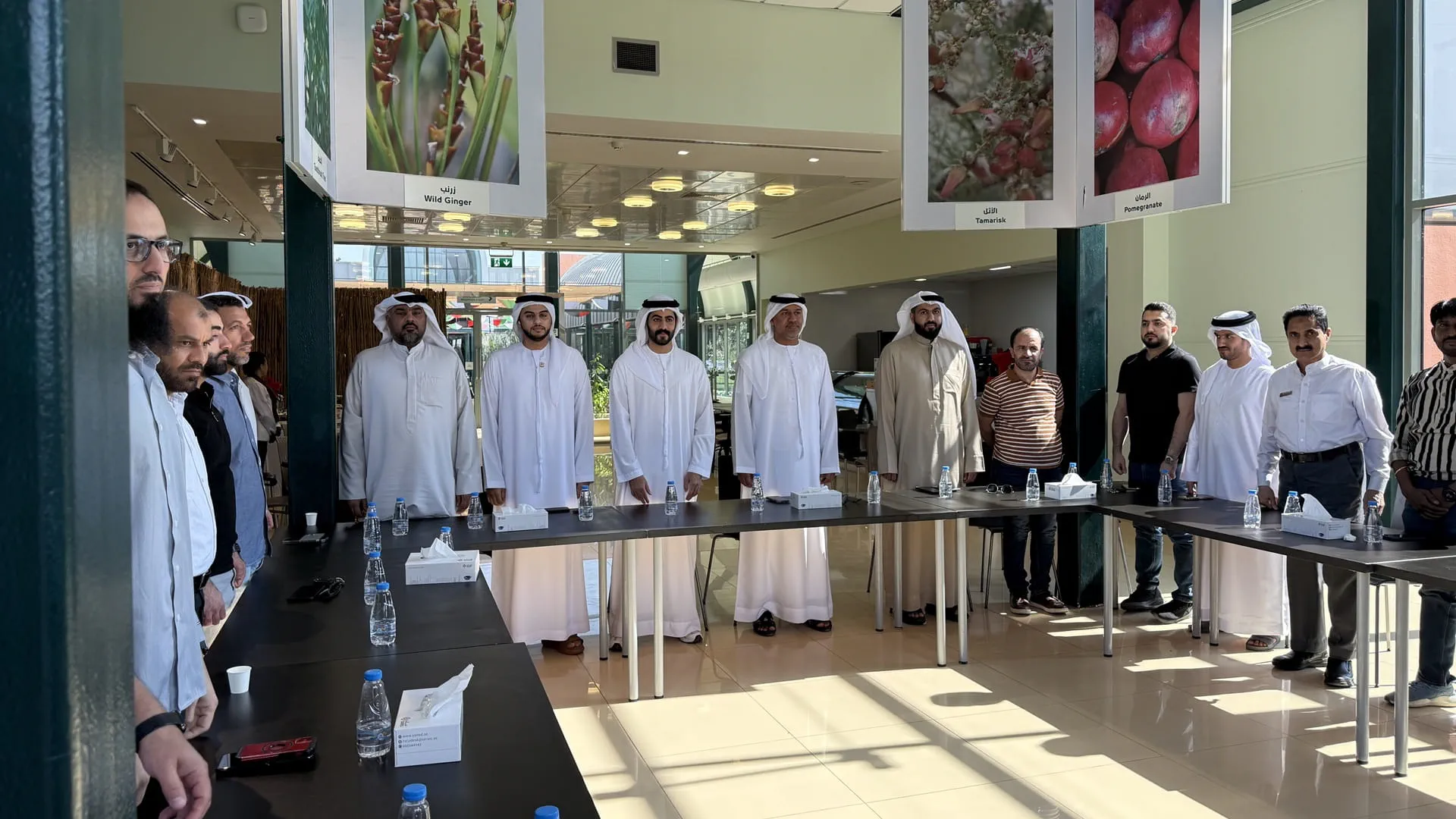
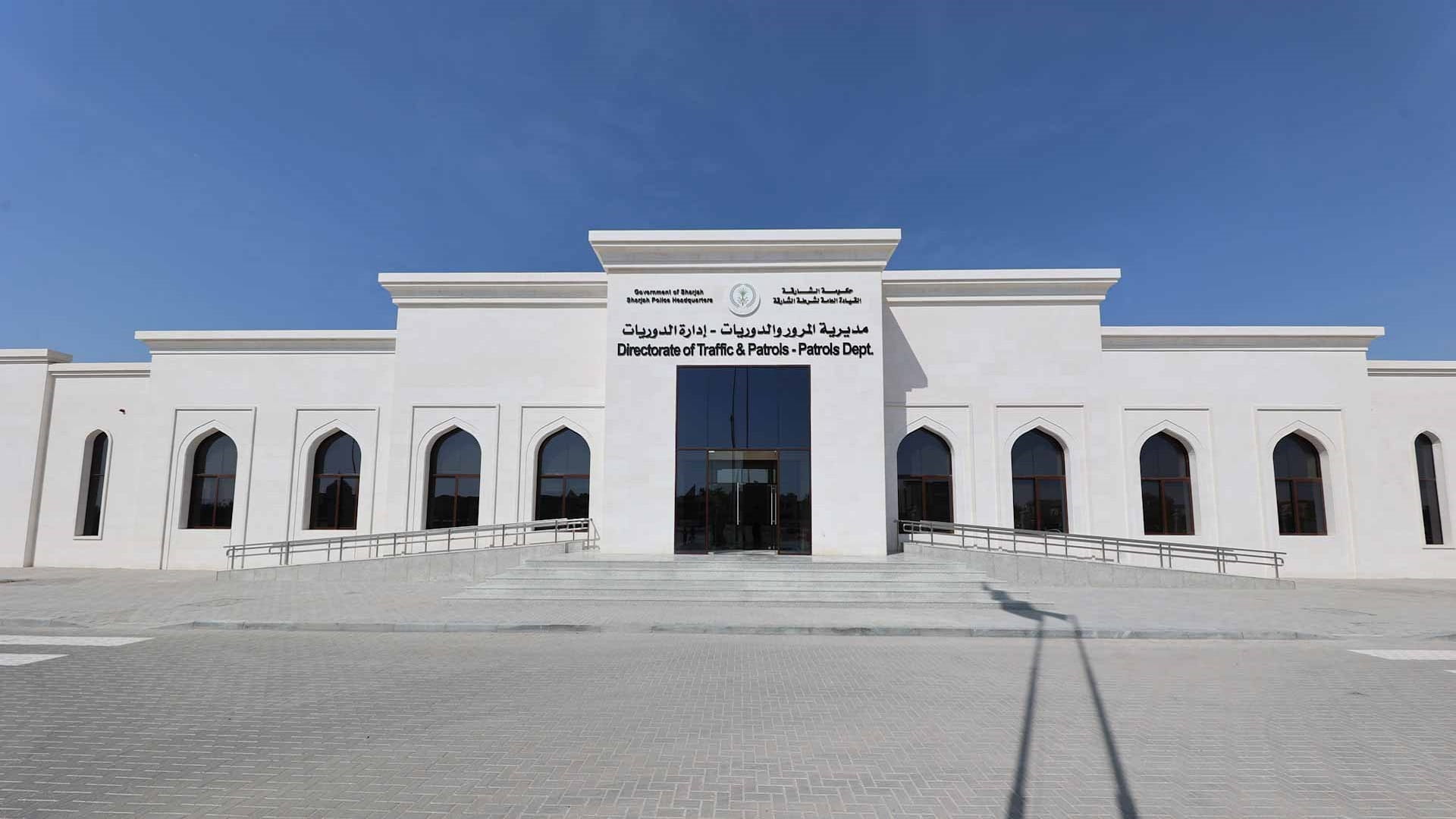
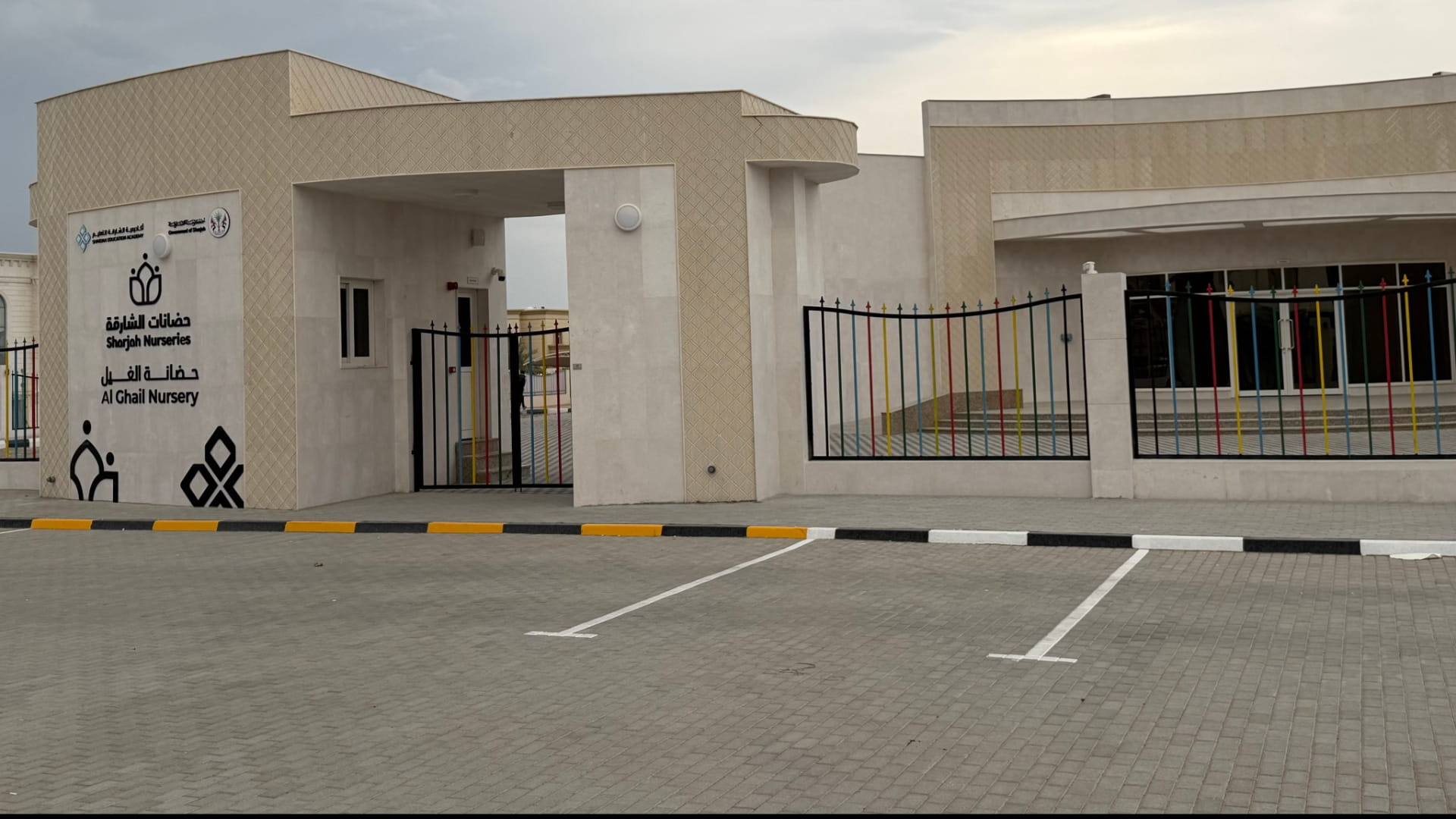
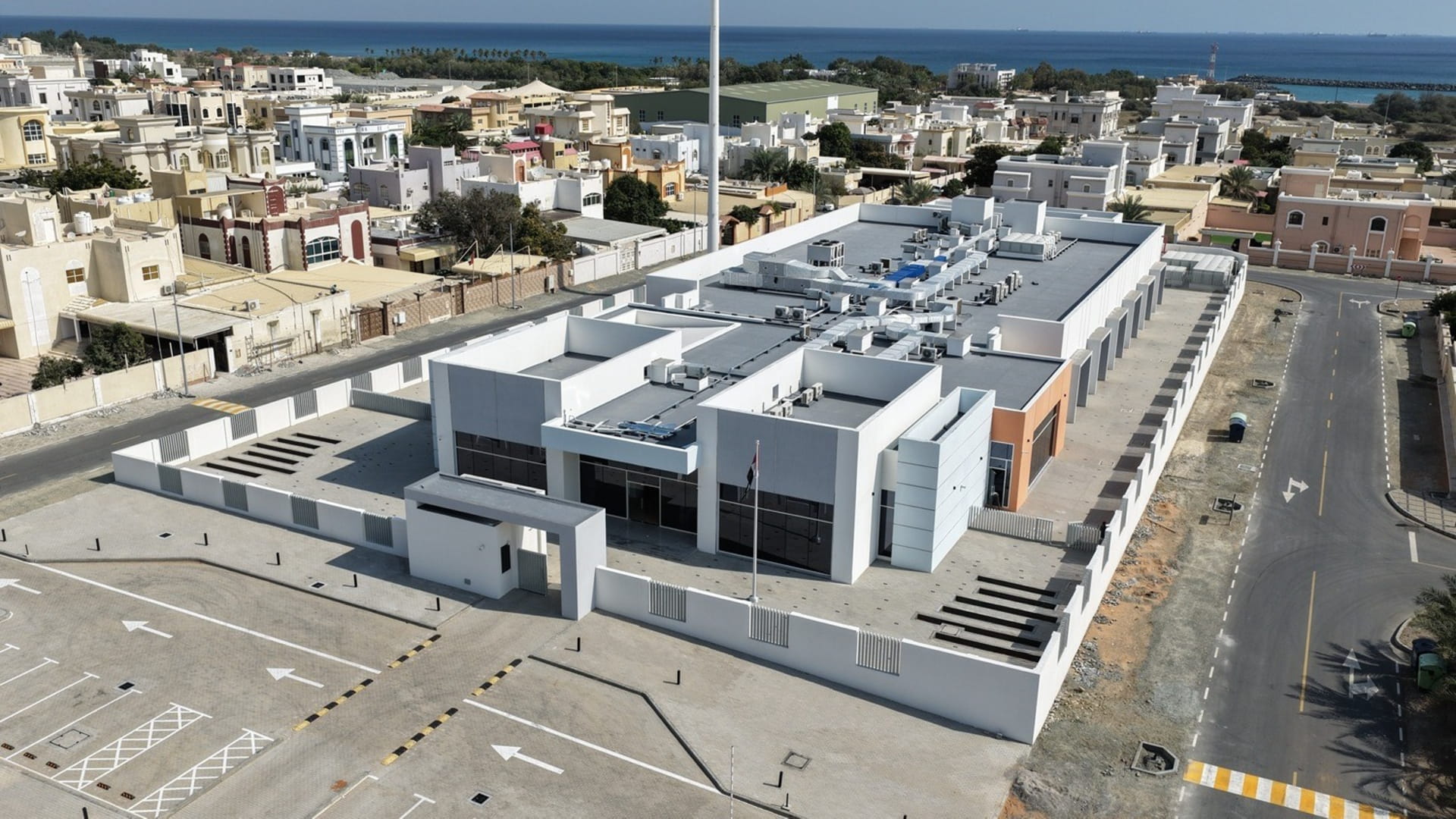
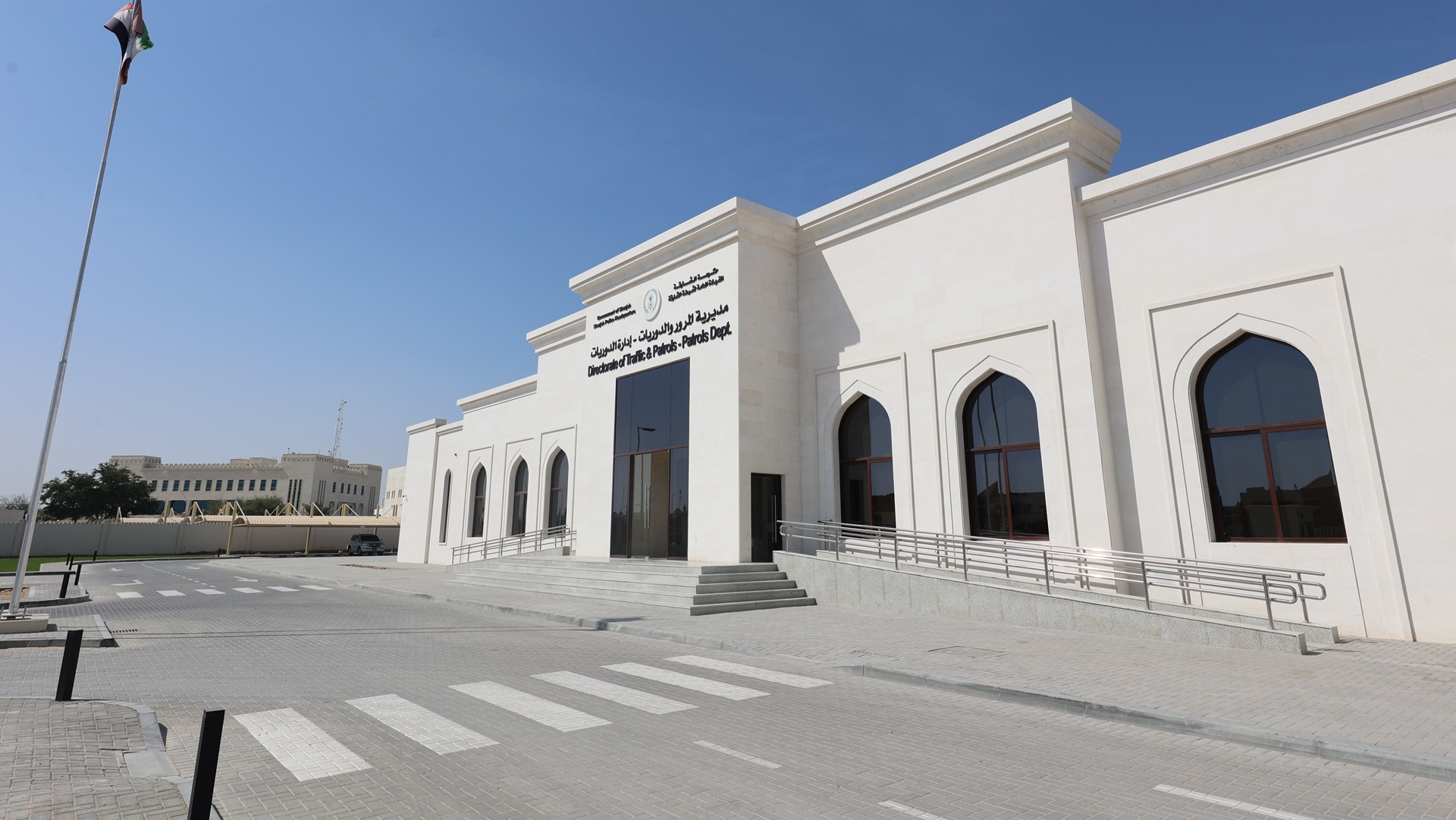
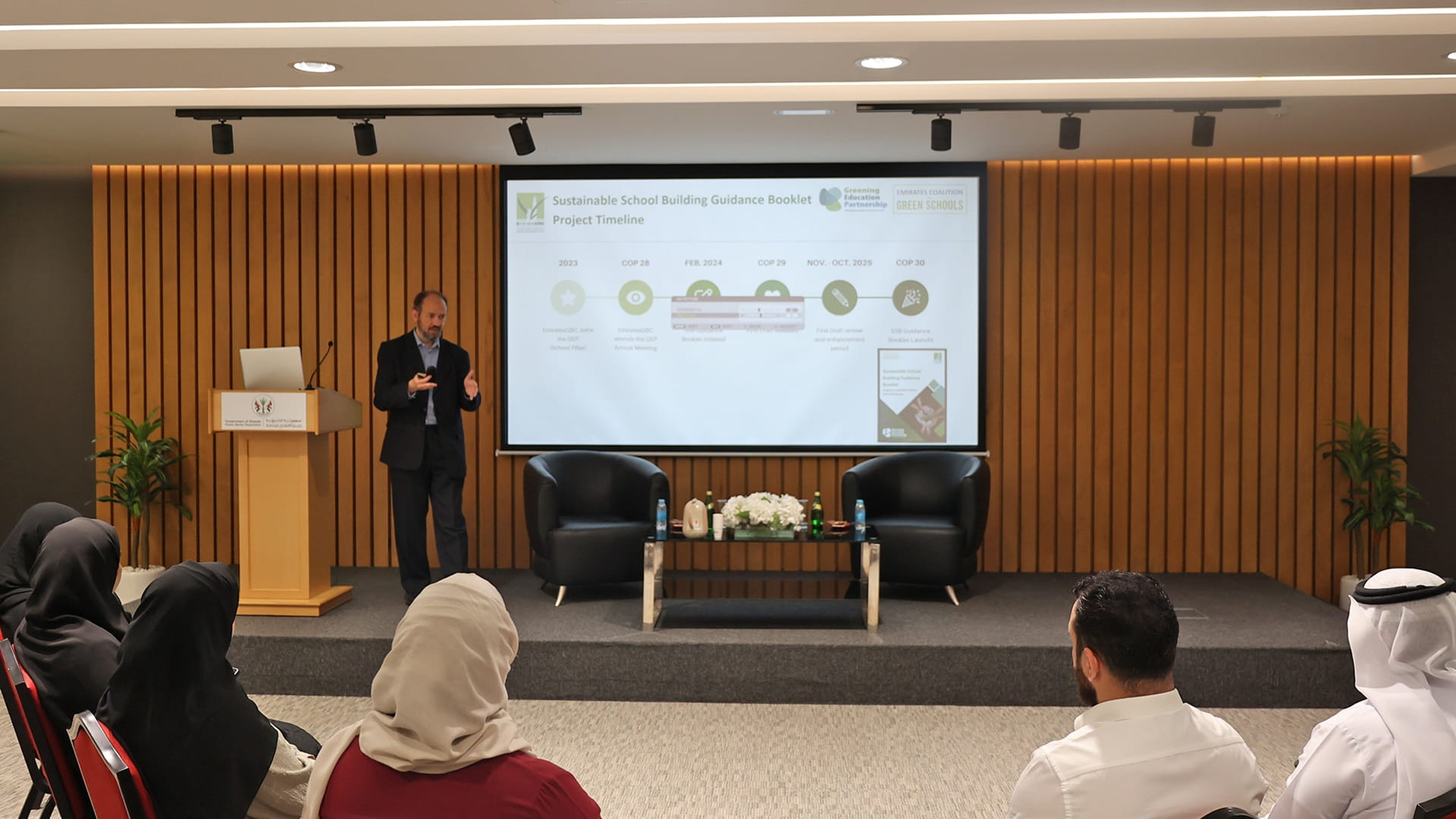
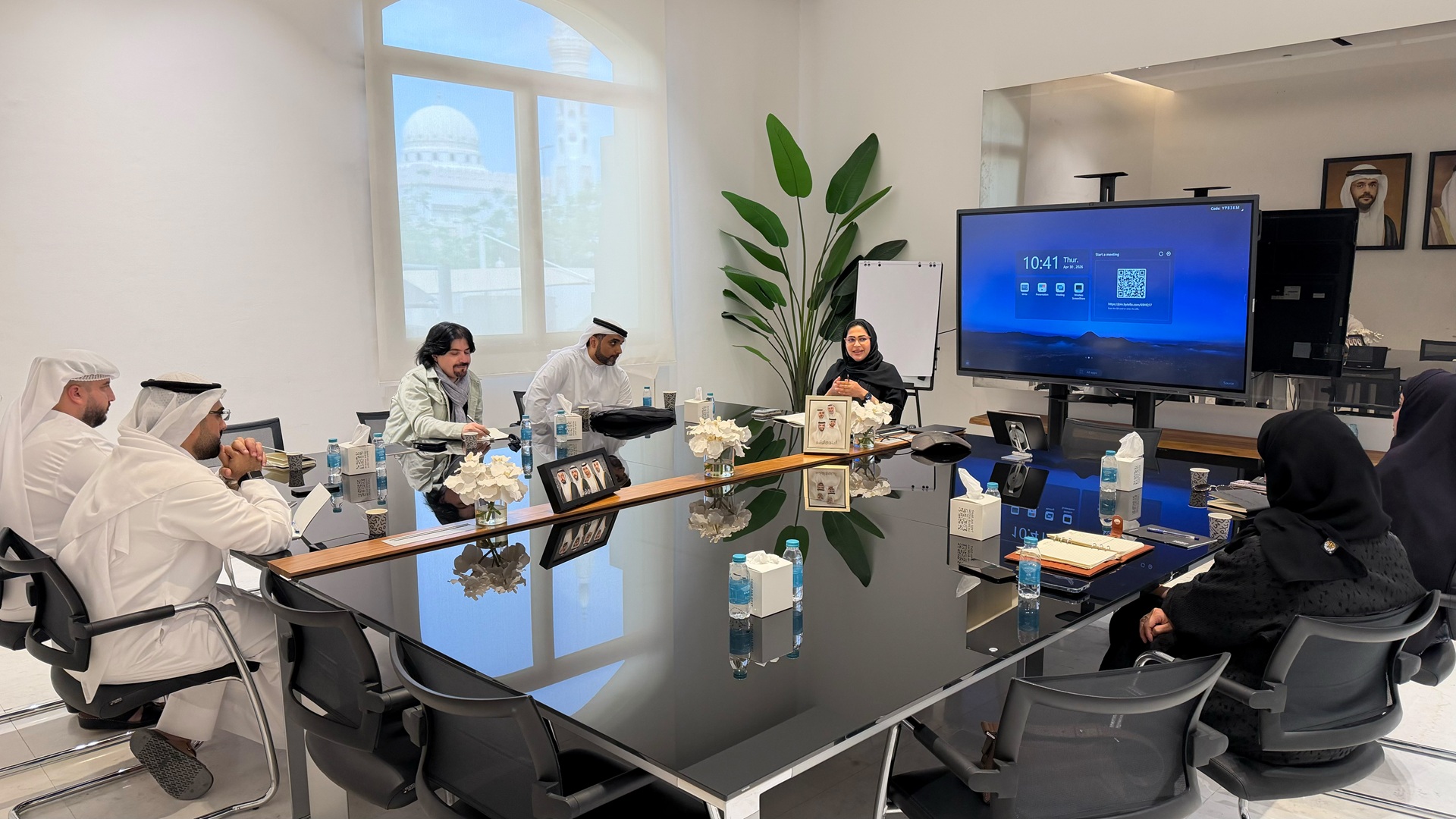
A significant number of technical and administrative staff working on infrastructure and urban development projects in the emirate also attended. The forum served as a strategic platform for exchanging expertise, showcasing the latest practices in sustainability, expediting procedures, and developing institutional work systems, thereby enhancing Sharjah's competitiveness and leadership in the construction and public services sector.
Commitment to innovation and sustainability
The forum commenced early in the morning with registration, as participants from various departments and sectors arrived, reflecting the significant attention government institutions in the emirate give to continuous development and improvement. The forum opened with a welcoming address in which the department affirmed its unwavering commitment to fostering a culture of innovation and sustainability, and to developing a flexible work environment capable of keeping pace with the rapid transformations in the government projects sector.
The opening address also emphasised the importance of institutional partnerships in achieving the emirate's strategic objectives, and the pivotal role the department plays in addressing community needs and enhancing quality of life.
Sustainability in financial procurement
The forum continued with a workshop on sustainability in financial procurement, which addressed mechanisms for integrating sustainability standards into purchasing and supply processes. This ensures the efficiency of government spending and promotes the use of environmentally friendly materials and technologies. Workshop presenters showcased global models in this field, along with local experiences that have proven successful in reducing waste and improving the project lifecycle. The workshop also discussed the importance of building a procurement system based on accurate data analysis, employing technology in bid evaluation, and identifying the most sustainable long-term options, in line with the emirate's focus on a green economy.
Following this, a workshop on expediting payment certificate procedures was launched, highlighting efforts to develop project-related financial procedures, streamline administrative steps, and reduce transaction processing time. The team provided a detailed explanation of the updates implemented in digital systems, which have contributed to increased operational efficiency, reduced errors, and improved communication between the department, contractors, and consultants. The workshop also discussed the importance of enhancing transparency in the payment cycle and ensuring smooth procedures to support project stability and rapid implementation.
Project management platform
The forum continued with a session dedicated to showcasing updates to the project management platform. Specialists presented the latest technological enhancements developed for the platform, which aim to improve project monitoring, provide real-time data on progress, manage risks, and document work phases.
Speakers emphasised that these updates are part of the department's strategic plan for comprehensive digital transformation. At midday, the forum presented a workshop on innovative, accessible design for white spaces, addressing the latest global trends in public space and infrastructure design to ensure inclusive use for all segments of society. The workshop showcased practical examples of how to integrate universal accessibility standards into new projects, as well as improvements that can be implemented in existing projects, focusing on creative solutions that consider the needs of people with mobility, visual, and hearing impairments. The workshop also discussed the importance of adopting human-centered design methodologies that contribute to enhancing quality of life and support the emirate's vision of building a fair and integrated urban environment.
Updates and challenges in civil defense requirements
The forum concluded with a workshop on "Understanding the Most Important Updates and Challenges in Civil Defense Requirements in Sharjah," which saw significant participation due to its direct relevance to project safety and sustainability. Experts provided a comprehensive explanation of the latest preventative requirements, engineering plan requirements, and mechanisms for approving pump room locations, along with the main challenges facing design and implementation teams in adhering to these standards. The workshop also addressed the importance of early coordination among relevant entities and the role of sound planning in mitigating risks and ensuring projects are ready to obtain the necessary approvals without delay. Workshop presenters emphasized that strict adherence to safety requirements is a cornerstone of the quality of government projects, reflecting the Emirate's commitment to protecting lives and property and enhancing public confidence in infrastructure implemented according to the highest standards.
With the conclusion of the workshops, the forum ended amidst widespread praise from participants, who affirmed that the event served as a vital knowledge platform, combining practical experience with a future-oriented vision. It contributed to strengthening institutional partnerships, exchanging expertise, and developing work mechanisms across various sectors related to government projects. Attendees also expressed their appreciation for SDPW in organising such a professional forum, emphasising that its outcomes will positively impact project quality, performance efficiency, and the sustainability of urban development in the Emirate of Sharjah.




 For an optimal experience, please